

Team Leader (Subsales) ∙ United
Lim Charn Chuan
REN22443
Team Leader (Subsales) ∙ United
Lim Charn Chuan
REN22443
About Lim Charn Chuan
Leveraging market knowledge and negotiation skills to deliver exceptional results. Your real estate success is my priority. Ready to make your real estate dreams a reality? Let's chat. Your dream home awaits.
2 years at IQI
19 transactions
Contact Lim Charn Chuan
Lim Charn Chuan Social Links
No social links available.
My Listings
No listings available at the moment.
Our newly launched projects
Discover the real estate properties in and around Kuala Lumpur, Malaysia. Buy apartment units, landed houses, bungalows, commercial office space, shop lots, and sub-sales with 100% confidence at IQI Global.
 Large land area
Northern TechValley @BKE
Mukim 14, Kubang Semang, 14400 Seberang Perai, Penang, Malaysia
Starting from RM 14,495,520
Listed on January 23, 2026
 Located in Bukit Minyak
Taman IKS Bukit Minyak
Jalan IKS Bukit Minyak Utama, Taman IKS Bukit Minyak, 14100 Simpang Ampat, Penang, Malaysia.
Starting from RM 1,203,800
Listed on January 23, 2026
 Industrial project type
Regalway Industrial Hub (Industrial)
Regalway Industrial Hub, Off Jalan Bukit Panchor, Bukit Panchor, 14100 Simpang Ampat, Penang, Malaysia.
Starting from RM 5,015,000
Listed on January 23, 2026
 Spacious land area
Taman Jasa Ria (Garden Villa)
Jalan Permatang Pasir, Taman Jasa Ria, 14000 Bukit Mertajam, Penang, Malaysia
Starting from RM 1,118,800
Listed on January 23, 2026
 Larger built-up area
Taman Jasa Intan (Garden Superlink)
Jalan Jasa Intan, Taman Jasa Intan, 14000 Bukit Mertajam, Penang, Malaysia
Starting from RM 818,000
Listed on January 23, 2026
 Located in Nibong Tebal
Taman Fajar Permai (Sunrise Terrace)
Jalan Fajar, Taman Fajar Permai, 14300 Nibong Tebal, Penang, Malaysia.
Starting from RM 550,000
Listed on January 23, 2026
Mortgage Calculator
Calculate your estimated month repayment and plan your monthly expenses well.
The mortgage calculator is intended for reference only. Actual amount may vary.
Monthly Payment
Send me the mortgage calculator result

Home Loan Eligibility Calculator
Calculate your potential loan amount and assess your home buying affordability.

Rental Yield
Calculate the potential rental yield and evaluate a property's investment performance.

Down Payment Saving Plan
Create a structured savings plan and determine how much to save monthly for your down payment plan.

Malaysian Property Transaction Fees Calculator
Estimate the total transaction fees and budget accurately for your Malaysian property purchase.
IQI blog & news
Articles specifically curated for your daily digest of local and global real estate news.
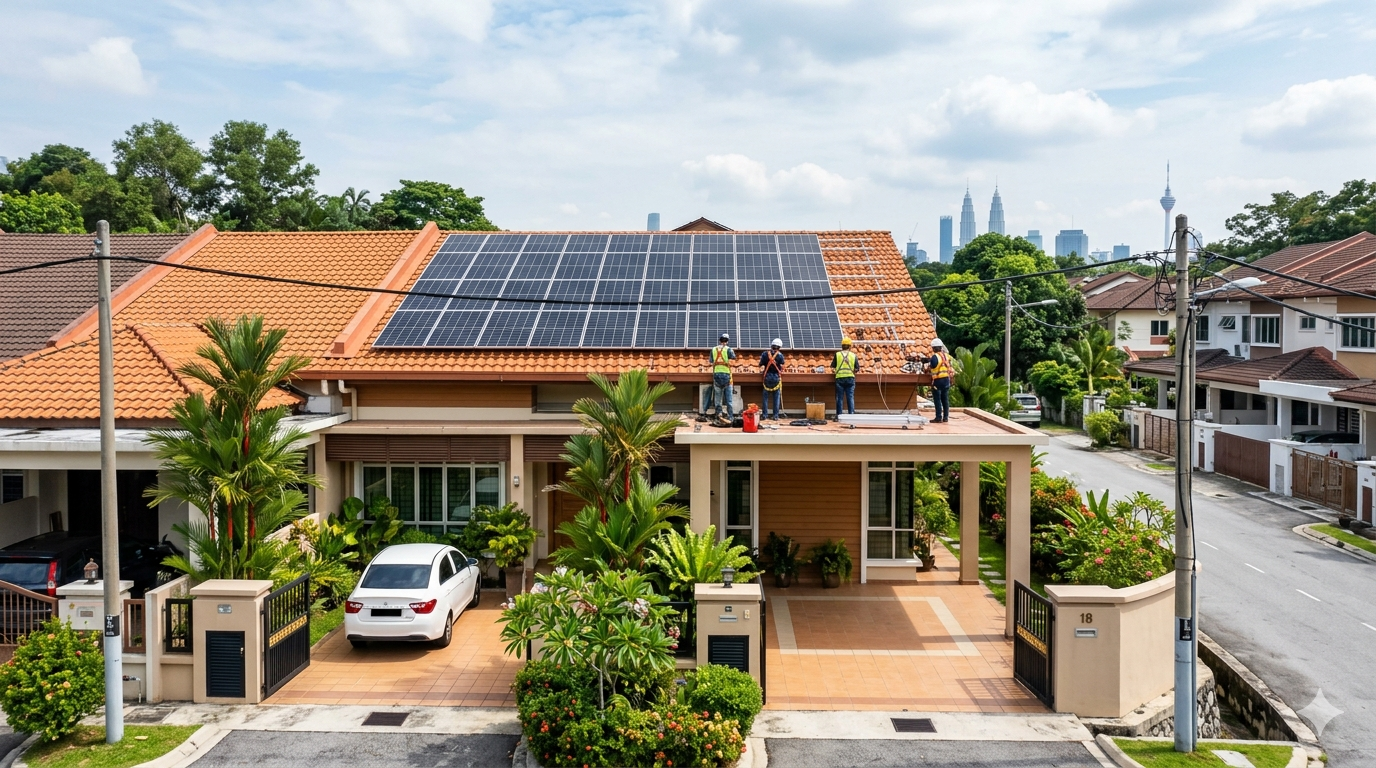
Raise your hand if your TNB bill has been giving you minor heart attacks lately. We get it. Bills go up, salaries feel like they're standing still, and every single month, you open that MyTNB notification with a little bit of dread. And you're not alone, electricity costs have been quietly creeping up across Malaysia, and for a lot of households, it's become one of the biggest household expenses eating into your monthly budget. Here's the thing though: the government actually has a programme that could put up to RM3,000 back in your pocket, and most people either don't know about it or don't know if they qualify. We're talking about SuRIA Home short for the Sustainable Rebate and Incentive Assistance Home Programme, introduced by the Ministry of Energy Transition and Water Transformation (PETRA) and administered through TNB. It's new, it's real, and if you own a landed home, you need to read this. TL;DR Too busy to read the whole thing? Here's what you need to know in 30 seconds:- TNB's SuRIA Home gives you a one-time cash rebate of up to RM3,000 (RM600 per kWac) when you install rooftop solar under the Solar ATAP scheme- You must be a Malaysian citizen, a domestic TNB customer, and your system must be commissioned by 31 December 2026- It's first-come, first-served — the clock is ticking- TNB will email you — you don't apply directly; just make sure your TNB registered email is active- Currently available for landed homes only (condos & apartments not eligible yet)- Solar can reduce your monthly TNB bill by 50–80%, and the system pays for itself in 5–7 years- Don't pay anyone for the rebate — it comes directly from TNB to your bank account Everything We're Covering TodayTL;DRWhy Are Our Electricity Bills So High in the First Place?So, What Is SuRIA Home?The Numbers That MatterWhat About Condo and Apartment Owners?Is Solar Really Worth It? Let's Do the Real MathWhat Real Malaysians Are Saying About Going SolarWhat Homeowners Should Do Right NowThe Bigger Picture: This Is More Than Just Savings Why Are Our Electricity Bills So High in the First Place? Before we get into the good stuff, let's talk about why your bill keeps climbing because understanding the problem makes the solution feel even more urgent. Malaysia's electricity grid is still heavily dependent on coal and natural gas. These are fossil fuels, and when global fuel prices go up (which they have been doing consistently), that cost gets passed down to you through what TNB calls the Automatic Fuel Adjustment (AFA) mechanism. It's essentially a floating surcharge on your bill that moves with international commodity prices. So yes when oil prices spike in some refinery halfway around the world, your bill in Shah Alam or Johor Bahru feels it too. The cost of living is already squeezing Malaysians from every direction groceries, rent, petrol, you name it. Electricity shouldn't have to be another one of those sleepless-night items. And that's exactly why programmes like SuRIA Home matter. So, What Is SuRIA Home? SuRIA Home is a one-time cash rebate programme launched by the Government of Malaysia on 22 May 2026, designed to encourage homeowners to install rooftop solar panels under the Solar ATAP (Accelerated Transition Action Programme) scheme. Sources: SuRIA Home Announcement on MyTNB Here's the simple version: the government will pay you up to RM3,000 for installing solar panels on your roof. Not a voucher. Not credit. Actual cash, transferred to your bank account. It's part of a larger national strategy to reduce Malaysia's dependence on fossil fuels, cut carbon emissions, and build energy resilience all while giving everyday Malaysians a real, tangible way to lower their monthly bills. The Numbers That Matter Let's break this down clearly: DetailInfoProgramme NameSuRIA Home (Sustainable Rebate & Incentive Assistance)Launched ByMinistry of Energy Transition and Water Transformation (PETRA)Administered ByTNB (Tenaga Nasional Berhad)Rebate AmountRM600 per 1 kWac installedMaximum RebateRM3,000 (for 5 kWac and above)Disbursement MethodCash transfer to your local bank accountProgramme Period1 June 2026 31 December 2026 (or until allocation runs out)How It's Given OutFirst-come, first-served basis The rebate is calculated based on your installed solar capacity. A 5 kWac system = RM3,000 rebate. That's your maximum. And with solar installations currently trending among landed homeowners, this is the kind of incentive that could tip the decision in your favour especially if you've been sitting on the fence. Who Actually Qualifies for SuRIA Home? This is the part where you need to pay attention, because there are specific criteria. You're eligible if: ✅ You are a Malaysian citizen✅ You are a domestic TNB customer (residential use)✅ You have installed (or are installing) a rooftop solar PV system under the Solar ATAP scheme✅ Your solar system is successfully commissioned by 31 December 2026✅ You have NOT previously received a cash rebate under the earlier SolaRIS programme You won't qualify if: ❌ You already received cash rebates under SolaRIS❌ Your property is a high-rise / strata unit (condos, apartments, serviced residences) more on this below❌ Your system is not under the Solar ATAP scheme How Do You Actually Apply? Good news: you don't have to chase anyone. TNB will contact you. Here's how the process works, step by step: Step 1: Install Your Solar System Under Solar ATAPYou'll need to hire a Registered Photovoltaic Service Provider (RPVSP) — these are solar installers registered with SEDA (Sustainable Energy Development Authority). They handle the full application and installation process on your behalf. Find one at seda.gov.my. Step 2: Commission Your SystemYour solar system needs to be fully commissioned (up and running) by 31 December 2026. Step 3: Wait for TNB's EmailEligible customers will be contacted by TNB via their registered email address in phases starting 1 June 2026. TNB will ask you to submit your preferred local bank account details for the rebate transfer. Step 4: Receive Your CashOnce verified, the rebate amount will be transferred directly to your bank account. No going to Kedai Tenaga. No queuing. Just money in the bank. ⚠️ Important: PETRA has warned that solar service providers found misusing the application process may be blacklisted from future incentive programmes. Make sure you work with legitimate, registered installers only. What Is Solar ATAP? (And Why It Matters) Source: SEDA Website Solar ATAP is the rooftop solar framework that replaced the older NEM (Net Energy Metering) programme, which ended on 30 June 2025. It's designed to be more inclusive and equitable for all electricity users. Here's how it works in plain English: You generate your own solar electricity from the panels on your roof You use that solar energy first reducing how much you need to buy from TNB If you produce more than you use, the excess is exported to the TNB grid and you earn ATAP credits to offset your bill further At night or on cloudy days, TNB still supplies electricity as normal The result? Your TNB bill goes down significantly potentially by 50–80% depending on your system size and household usage. And now, with SuRIA Home, you also get a cash rebate on top of that. What About Condo and Apartment Owners? Here's the honest part and we know some of you reading this are living in high-rise buildings: SuRIA Home currently only covers landed properties. Installing rooftop solar panels on a strata-titled building is complicated. It involves shared common areas, JMB/MC approvals, grid connectivity challenges, and building infrastructure limitations. For now, the programme hasn't extended to high-rise residential buildings. But here's the hopeful part: as Malaysia accelerates its energy transition and solar technology becomes more accessible, there's growing advocacy for extending these incentives to high-rise communities too. We're watching that space closely. If you live in a high-rise and want to benefit from solar energy, keep an eye on future announcements and in the meantime, look at other energy-saving strategies like LED upgrades, smart home systems, and energy-efficient appliances. Is Solar Really Worth It? Let's Do the Real Math Let's say you install a 5 kWac rooftop solar system. Typical installation cost: RM18,000 – RM25,000 (depending on brand, installer, and complexity) SuRIA Home rebate: RM3,000 cash back Monthly bill savings: Approximately RM200 – RM400 per month (based on average household consumption) Estimated payback period (after rebate): 5–7 years System lifespan: 25 years After the payback period, you're essentially getting free electricity from the sun with the added bonus of exporting excess energy back to TNB for ATAP credits. Over the life of the system, you could be looking at savings well above RM60,000. The RM3,000 rebate doesn't just feel good it meaningfully accelerates your return on investment. What Real Malaysians Are Saying About Going Solar Numbers are one thing. But what are actual Malaysian homeowners experiencing on the ground? We dug into community discussions, forums, and verified accounts from solar users across the country and the verdict is overwhelmingly positive, with some honest caveats worth knowing. The bill drops are real and sometimes dramatic Petrol station manager Peter Wong used to dread his monthly electricity bill, which hovered around RM280. After installing 10 solar panels on his home, he's been enjoying what he describes as almost free electricity. His experience, reported by Earth Journalism Network, mirrors what many Malaysian homeowners are finding: once the system is running, the savings are immediate and consistent. Industry data backs this up. For residential solar systems, the maximum capacity is 17 kWh, which can save households between RM950 and RM1,000 per month. The cheapest installations cater to homes with RM200 to RM250 monthly bills, while the priciest systems target households with bills exceeding RM1,500. Meanwhile, prices for solar installations have dropped by 20 per cent. A real-world example from Shah Alam: one homeowner installed a 4 kWac system in January 2024. His TNB bill dropped from RM420 to RM98 per month. After 25 months, he had already recovered over RM8,000 in electricity savings with full payback on track by early 2028. The payback period question the one everyone asks This is the most common concern in every solar discussion group: "How long before I actually break even?" The payback period for solar panels in Malaysia is typically 5–8 years. After payback, you enjoy nearly free electricity for another 17–20 years, as panels last 25 years or more. Thanks to abundant sunlight and the Solar programmes, Malaysia enjoys one of the fastest solar payback times in Southeast Asia. Most homeowners see a 12–18% annual ROI, depending on usage and sunlight exposure. One thing experienced solar users consistently flag: size your system around your daytime consumption, not your total bill. Under Solar ATAP, you consume solar energy first and only export excess to the grid for credits. If most of your household usage happens at night (air-conditioning, TV, cooking), your savings won't be as high unless you also invest in a battery storage system. "Solar is the only investment where you consume the returns daily" That quote, from a Malaysian energy analyst, captures something important. Unlike stocks or unit trusts where returns are abstract and unpredictable, solar savings show up every single month on your TNB bill. You're not waiting for a payout you're seeing the reduction in real time. A system that costs RM45,000 to install could save an estimated RM90,000 over 25 years. Even at more modest system sizes say RM20,000 for a 5 kWac setup total lifetime savings remain strongly favourable, especially with TNB tariffs expected to continue their gradual upward trend. What about property value? Here's the bonus insight that doesn't get talked about enough: solar-equipped homes are increasingly attracting a premium in Malaysia's resale market. Data from 2024–2026 indicates that homes with solar installations command 3–5% higher valuations. For a RM800,000 terrace house, that's potentially RM24,000–RM40,000 in added value enough to cover a significant chunk of the installation cost, on top of the bill savings. Buyers today are more energy-conscious, and a home with solar already installed especially under Solar ATAP is a home with quantifiable, ongoing savings built in. The honest reality: it's not magic, but it works Community discussions also surface a few things to be realistic about: Installation quality matters enormously. A system installed by a dodgy contractor with substandard panels will underperform. Always use a registered RPVSP. Roof orientation and shading affect output significantly. A south or west-facing roof with minimal shade is ideal. Under Solar ATAP, the export credit rate (what TNB pays for your excess solar) is lower than what you pay to import electricity. So maximising your own consumption of the solar you generate gives the best returns. Battery storage adds cost upfront but significantly improves ROI if your household uses a lot of electricity in the evening. Want the unfiltered version? Go straight to the source. The r/malaysia and r/malaysians subreddits have had some genuinely eye-opening discussions on this real homeowners doing the math, sharing their actual bills, asking the hard questions, and comparing installer experiences. No PR spin, just people figuring it out together. ? ROI of Installing Solar — r/malaysia — A thread where Malaysians break down the actual numbers: system costs, monthly savings, payback timelines, and whether the investment holds up under scrutiny. ? I'm Contemplating Installing Solar Panels — Any Advice? — r/malaysians — First-timers asking questions, experienced solar owners sharing what they wish they knew before installing. Practical, honest, and very relatable. ? Malaysia's Solar Capacity Surpasses 5.7 GW — r/malaysia — The bigger picture: a discussion on how far Malaysia has come with solar adoption and what it means for everyday homeowners. The Malaysian solar community from Reddit threads to Facebook groups to Telegram chats has largely moved past the "should I or shouldn't I" debate. The consensus is: if you own a landed home and your monthly bill is consistently above RM200, the math almost always works in your favour. And right now, with SuRIA Home adding RM3,000 on top? The numbers are even more compelling. What Homeowners Should Do Right Now If you own a landed property and have been considering solar, here's your action plan: Check your TNB registered email — make sure it's updated so you don't miss TNB's notification about SuRIA Home Get quotations from RPVSP installers — compare at least 2–3 registered providers Understand your current electricity consumption — look at your past 6 months of bills to size your system correctly Act before the allocation runs out — this is first-come, first-served, and the deadline is 31 December 2026 Don't pay anyone "upfront" for the rebate — the rebate goes from TNB directly to you, not through any third party For more information, visit myTNB Solar ATAP page or call TNB CareLine at 1-300-88-5454. The Bigger Picture: This Is More Than Just Savings Look, saving money is great. But SuRIA Home is also part of a bigger shift that's happening in how Malaysians relate to energy. We're moving slowly but meaningfully from being passive consumers of fossil-fuel electricity to active participants in a cleaner energy future. Every rooftop solar installation reduces pressure on the national grid, cuts carbon emissions, and gives Malaysian families more control over their household finances. In a world where the cost of living feels increasingly out of your control, solar energy is one of the few things where you can actually take back some agency. You're literally turning sunlight something Malaysia has in abundance, every single day into savings. And right now, the government is willing to pay you RM3,000 to get started. If you own a landed home and haven't started the conversation yet, this is your sign. Thinking About How This Affects Your Property? Here's a bonus insight for property owners: homes with rooftop solar installations are increasingly being viewed as higher-value assets in the market. Buyers are becoming more energy-conscious, and a property with existing solar infrastructure especially one enrolled in Solar ATAP has a clear, quantifiable advantage. At IQI Global, we work with homeowners every day who are making smart decisions about their properties whether that's buying, selling, or simply maximising the value of what they already own. Energy efficiency is becoming part of that conversation. Thinking about your next property move? Our agents are ready to help you navigate both the real estate market and the lifestyle decisions that come with homeownership in Malaysia today. Connect with an IQI agent near you by submitting the form below, our agent will be in touch soon! [custom_blog_form] Sources: TNB (mytnb.com.my), SEDA Malaysia (seda.gov.my), Ministry of Energy Transition and Water Transformation (PETRA) Disclaimer: Rebate amounts and eligibility criteria are subject to TNB's terms and conditions. All information is accurate as of June 2026. Always verify directly with TNB or a registered RPVSP before making financial decisions. Continue reading: Muhazrol: By 2035, Solar Could Top Every New Home in Malaysia Clean Energy, Clear Vision: Malaysia’s Road to Net Zero Mastering Money: The 7:3 Salary Management Method for Malaysians Australian government rebates foreigners up to $50,000 to buy a new home PTPTN Discounts, Flat Rate Stamp Duty & More: Malaysia’s Budget 2024 Highlights | #Budget2024
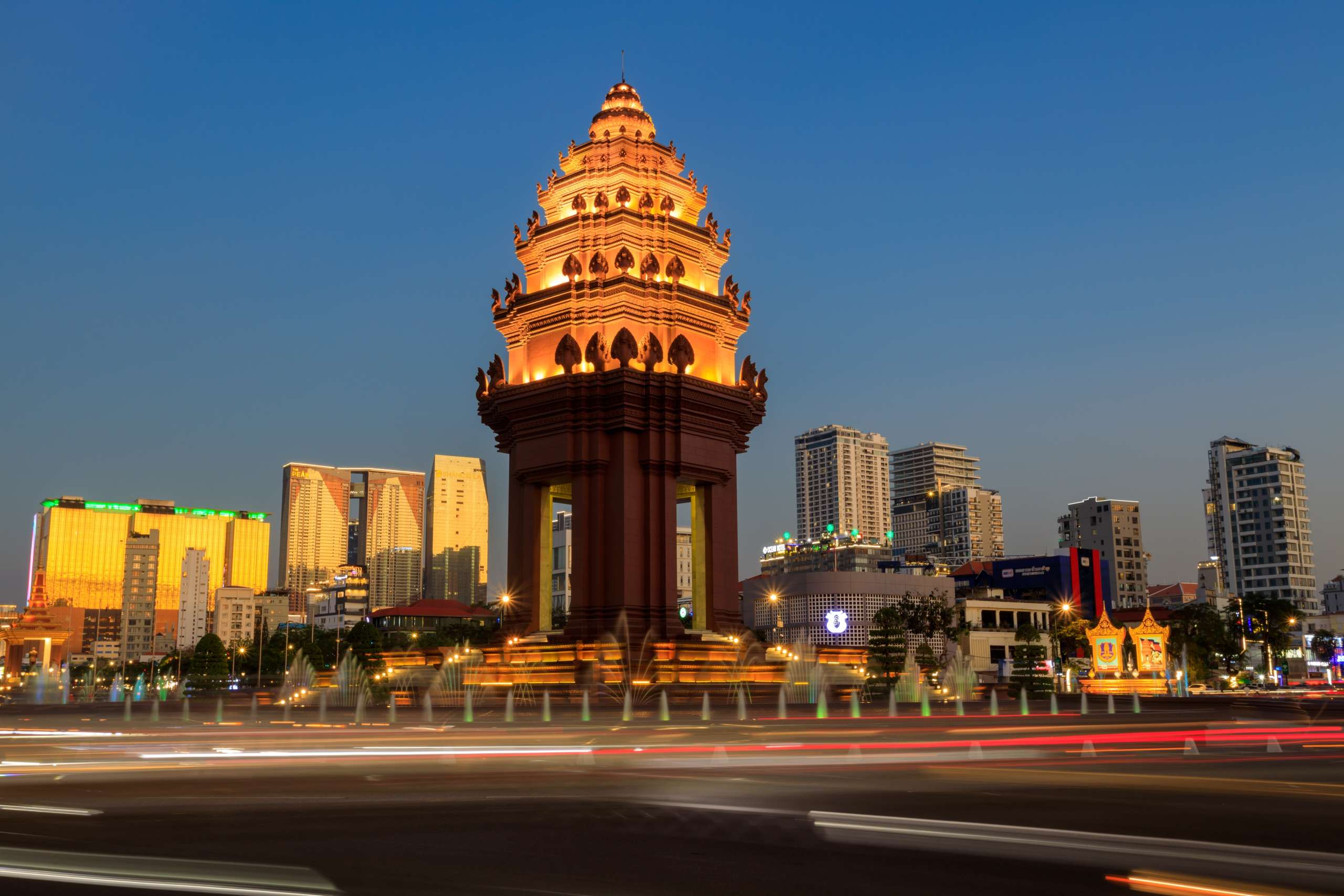
Cambodia’s real estate market is gradually entering a more sustainable growth phase in mid-2026, supported by improving buyer confidence, infrastructure expansion, and stronger end-user demand. While the market remains selective, affordable housing and strategic land continue to attract the greatest interest from both local and regional investors. Economic growth is expected to remain stable at around 4.2% to 4.5%, supported by major infrastructure projects including the New Techo International Airport, Ring Road 3, and expanding urban transport networks. These developments continue to strengthen long-term confidence in Cambodia’s property market and improve connectivity across key growth corridors. The strongest-performing segment remains Borey landed housing, driven by middle-class demand, flexible payment plans, and improving financing access. Meanwhile, the condominium market is gradually stabilising as rental demand improves, although oversupply continues to affect selected locations. Investors are increasingly focusing on projects with strong fundamentals rather than speculative opportunities. Infrastructure-linked land remains another key growth area. Locations along the New Airport Corridor, as well as emerging districts in southern and western Phnom Penh, continue to attract attention. Areas such as Chroy Changvar, Sen Sok, Kamboul, Diamond Island, and Olympia City are benefiting from infrastructure investment and urban expansion. Buyer behaviour is also evolving. Today's purchasers are becoming more data-driven and selective, prioritising strong developers, Hard Title properties, infrastructure connectivity, and long-term value potential over short-term speculation. This shift is helping create a healthier and more sustainable market environment. Outlook Cambodia's property market is expected to strengthen gradually through the second half of 2026. Affordable housing, infrastructure-led developments, and long-term land investments are likely to remain the strongest opportunities. While condominium recovery may continue at a slower pace and remain location-dependent, the broader market is benefiting from improving fundamentals, growing infrastructure investment, and rising confidence among long-term investors. Download to see insights from other country marketsDownload

Australia’s housing market entered a more balanced phase in April 2026, with national home values rising just 0.3%, the slowest pace of growth since early 2025. While major cities such as Sydney and Melbourne experienced further price declines, market performance is becoming increasingly localised, creating different opportunities across the country. One of the standout performers remains Perth, where dwelling values rose 2.1% in April alone, adding more than A$21,000 to the median home value. Brisbane, Adelaide, and Darwin also recorded positive growth, highlighting stronger demand in more affordable markets compared to Australia's largest cities. The market slowdown is largely driven by higher interest rates, affordability constraints, and cautious buyer sentiment. Sales activity remains below recent averages, while listings have increased in weaker markets such as Sydney and Melbourne. At the same time, buyers are increasingly focusing on lower-priced properties that better align with borrowing capacity and available incentives. This growing divide between affordable and premium housing segments reinforces the importance of market selection. Rather than moving in one direction nationally, Australia's property market is increasingly influenced by local economic conditions, housing supply, and affordability factors. Investors and homebuyers are therefore focusing on cities and suburbs where demand fundamentals remain strongest. Outlook Australia’s property market is expected to remain selective throughout the second half of 2026. While Sydney and Melbourne continue adjusting to affordability pressures, Perth remains one of the country's strongest-performing markets, supported by resilient demand and limited housing supply. Investors are likely to find the best opportunities in markets with strong local fundamentals, population growth, and relative affordability rather than relying on broad national trends. As Australia’s property market shifts, opportunities are becoming more location-driven than ever. Whether you are exploring high-growth markets like Perth or reassessing your strategy in major cities, now is the time to make informed decisions. Connect with our team at sales@iqiwa.com.au to discover where the real opportunities are and take your next step with confidence. Download to see insights from other country marketsDownload

As global markets navigate economic uncertainty, shifting trade dynamics, and evolving investment priorities, real estate continues to prove its resilience as a long-term wealth-building asset. Across key markets, investors are becoming more selective, favouring opportunities supported by strong fundamentals, infrastructure development, and sustainable demand. This month’s newsletter highlights how infrastructure and connectivity are increasingly shaping investment decisions. From Malaysia’s growing logistics corridors and transit-oriented developments (TODs) to large-scale urban projects across Southeast Asia, governments and developers continue investing in projects designed to support future economic growth. At the same time, cross-border investment remains active. Markets such as Dubai, Greece, and Saudi Arabia continue attracting international buyers through tourism growth, economic diversification, and investor-friendly policies. Meanwhile, residential markets in Australia, Singapore, Italy, and Thailand demonstrate how local demand, lifestyle appeal, and long-term fundamentals continue driving property performance despite broader market volatility. Looking ahead, investors are focusing less on short-term market movements and more on quality assets, strategic locations, and long-term growth drivers. While geopolitical and economic uncertainties remain, markets supported by infrastructure, urbanisation, tourism, and strong domestic demand are expected to remain well-positioned throughout the second half of 2026. Discover More HereDownload
Ready to get started?
Get in touch now.