

Team Leader (Subsales) ∙ Elite
Azhar Abu Bakar, Pjk.
REN56084
About Azhar Abu Bakar, Pjk.
Leveraging market knowledge and negotiation skills to deliver exceptional results. Your real estate success is my priority. Ready to make your real estate dreams a reality? Let's chat. Your dream home awaits.
4 years at IQI
55 transactions
Contact Azhar Abu Bakar, Pjk.
My Listings
No listings available at the moment.
Our newly launched projects
Discover the real estate properties in and around Kedah, Malaysia. Buy apartment units, landed houses, bungalows, commercial office space, shop lots, and sub-sales with 100% confidence at IQI Global.
 Located in Kubang Semang
Northern TechValley @BKE
Mukim 14, Kubang Semang, 14400 Seberang Perai, Penang, Malaysia
Starting from RM 14,495,520
Listed on January 23, 2026
 Located in Bukit Minyak
Taman IKS Bukit Minyak
Jalan IKS Bukit Minyak Utama, Taman IKS Bukit Minyak, 14100 Simpang Ampat, Penang, Malaysia.
Starting from RM 1,203,800
Listed on January 23, 2026
 Industrial project type
Regalway Industrial Hub (Industrial)
Regalway Industrial Hub, Off Jalan Bukit Panchor, Bukit Panchor, 14100 Simpang Ampat, Penang, Malaysia.
Starting from RM 5,015,000
Listed on January 23, 2026
 Spacious land area
Taman Jasa Ria (Garden Villa)
Jalan Permatang Pasir, Taman Jasa Ria, 14000 Bukit Mertajam, Penang, Malaysia
Starting from RM 1,118,800
Listed on January 23, 2026
 Located in Bukit Mertajam
Taman Jasa Intan (Garden Superlink)
Jalan Jasa Intan, Taman Jasa Intan, 14000 Bukit Mertajam, Penang, Malaysia
Starting from RM 818,000
Listed on January 23, 2026
 Located in Nibong Tebal
Taman Fajar Permai (Sunrise Terrace)
Jalan Fajar, Taman Fajar Permai, 14300 Nibong Tebal, Penang, Malaysia.
Starting from RM 550,000
Listed on January 23, 2026
Mortgage Calculator
Calculate your estimated month repayment and plan your monthly expenses well.
The mortgage calculator is intended for reference only. Actual amount may vary.
Monthly Payment
Send me the mortgage calculator result

Home Loan Eligibility Calculator
Calculate your potential loan amount and assess your home buying affordability.

Rental Yield
Calculate the potential rental yield and evaluate a property's investment performance.

Down Payment Saving Plan
Create a structured savings plan and determine how much to save monthly for your down payment plan.

Malaysian Property Transaction Fees Calculator
Estimate the total transaction fees and budget accurately for your Malaysian property purchase.
IQI blog & news
Articles specifically curated for your daily digest of local and global real estate news.
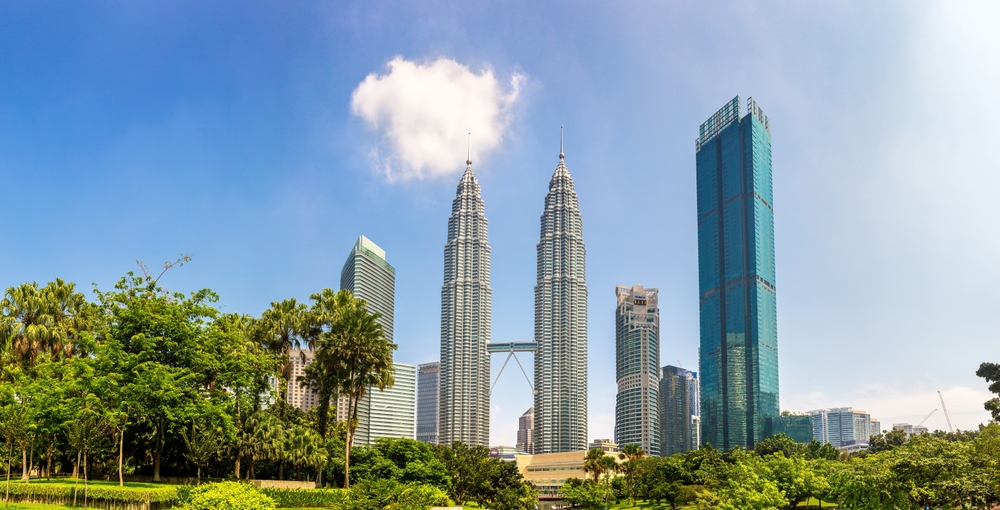
Does Budget 2027 mean it's a good time to buy property in Malaysia? Malaysia Budget 2027 was tabled on 9 October 2026, and homebuyers and investors have good reason to look closely at the Budget 2027 property market outlook. The government has proposed stamp duty relief for first-time buyers, wider housing financing support, and investment in industrial zones, infrastructure and public transport. These measures could change how much cash you need upfront, how easily you get a loan, and which areas attract demand in the years ahead. But a Budget lands on a market that already exists. The real question is what these measures will change in a market that was already slowing. The short answer: it can be a good time for some buyers, but not because of the Budget alone. Prices have flattened, unsold stock is rising and rents are still firm, which gives prepared buyers more room to negotiate. Whether it is right for you depends on your finances, your purpose and the local market. In this guide, we look at where the market stood before Budget 2027 using official NAPIC and DOSM data and IQI's own transaction records, then explain what the Budget could change for buyers and investors. TL;DR The market was cooling before Budget 2027. NAPIC recorded 110,998 residential transactions in H1 2026, down 7.7% year on year. Price growth has slowed sharply. The Malaysian House Price Index rose just 0.9% in Q2 2026, the slowest pace since 2022. The national average house price is RM506,317. Unsold stock is rising. Residential overhang reached 33,094 units worth RM17.78 billion at end-June 2026, up 23.0% year on year. States are moving in different directions. Johor prices rose 3.6% and Kuala Lumpur 2.7%, while Selangor fell 1.1% and its overhang jumped 69.8%. Rents are still rising. Across 48,214 tenancies handled by IQI agents, the average residential rent in six states rose 5.0% from 2023 to 2025, led by Johor at 22.8%. Budget 2027 targets first-time buyers. Proposed stamp duty relief covers homes up to RM750,000, and SJKP guarantees of up to RM20 billion aim to help about 80,000 buyers. Before buying: judge the local data (prices, overhang, launch take-up) and your own affordability, not the Budget headlines alone. What's inside:Does Budget 2027 mean it's a good time to buy property in Malaysia?TL;DRWhere did Malaysia's property market stand before Budget 2027?How did each state perform in H1 2026?What do IQI's own transactions show?Will Budget 2027 make buying a home more affordable?Could more Malaysians qualify for housing financing?Could Budget 2027 affect property prices in Malaysia?Which Malaysian property markets could benefit from Budget 2027?Will better public transport make certain properties more attractive?Could tourism growth create more rental property opportunities?Malaysia property investment 2027: what risks should investors consider?Malaysia property market outlook 2027: what could change after the Budget?Should you buy or invest in property after Budget 2027?What should real estate agents focus on after Budget 2027?Frequently asked questions about the Budget 2027 property market outlookFinal thoughts: Budget 2027 creates opportunities, but the data says choose carefully Where did Malaysia's property market stand before Budget 2027? To judge the Budget 2027 property impact, you first need a baseline. NAPIC's H1 2026 reports, released in September 2026, give the clearest picture of the market just before the Budget. The short version: 2025 was a record year by value, but momentum faded in the first half of 2026. Malaysia's property market at a glance (2024 to H1 2026) Indicator20242025H1 2026H1 2026 vs H1 2025All property transactions420,545416,413187,320-4.5%All property transaction valueRM232.30 bilRM241.87 bilRM105.12 bil-2.4%Residential transactions260,516256,512110,998-7.7%Residential transaction valueRM106.92 bilRM108.27 bilRM47.11 bil-4.6%House price growth (MHPI)+3.3%+2.6%+0.9%Slowest since 2022Average house priceRM490,313RM502,922RM506,317+0.9%New residential launches (units)75,78464,48727,832-25.3%New launch sales rate37.3%35.5%16.6%Down from 24.0%Residential overhang (units)23,14930,47133,094+23.0%Residential overhang (value)RM13.94 bilRM17.73 bilRM17.78 bil+8.2%Serviced apartment overhang (units)19,56418,75223,375+30.7%Unsold units under construction60,93472,38458,611-9.9% Source: NAPIC / JPPH Property Market Report 2025 and H1 2026, Property Market Status Report H1 2026, MHPI Q1 to Q2 2026P. H1 2026 price figures compare Q2 2026 (preliminary) with Q2 2025. Overhang means completed homes unsold for more than nine months. NAPIC revises earlier figures; revised numbers are used where available. What do these numbers tell us? Four signals stand out. Fewer homes changing hands. Residential transactions fell 7.7% year on year in H1 2026, after a 1.5% dip in 2025. Prices are flattening, not falling. The national average rose to RM506,317, but growth of 0.9% is below inflation of about 1.8%. In real terms, prices were roughly flat. New launches are struggling to sell. Only 16.6% of units launched in H1 2026 were sold. For high-rise launches, the rate was just 8.2%, against 22.8% for landed homes. Unsold completed homes are piling up. The overhang rose 8.6% in six months, from 30,471 units at end-2025 to 33,094 at end-June 2026. There is a positive side too. Developers have responded by launching 25.3% fewer units, and unsold units under construction fell 19.0% from end-2025. That is supply discipline, and it matters for where prices go next. Strong economy, cooler housing market The slowdown is not because the economy is weak. DOSM data shows the opposite. Economic indicatorLatest figurePeriodReal GDP growth5.7%H1 2026 (Q1 5.4%, Q2 6.0%)Unemployment rate3.0%June 2026Headline inflation1.8%H1 2026 averageMedian household incomeRM7,017 / month2024 (latest survey)Median formal-sector wageRM3,027 / monthMarch 2026 (+0.9% YoY) Source: DOSM / OpenDOSM, data as at 5 October 2026. Growth near 6% and unemployment at 3.0% normally support housing demand. Yet transactions fell. That gap points to affordability and buyer caution, not a lack of jobs. It is also exactly the gap Budget 2027's first-buyer measures are trying to close. How did each state perform in H1 2026? National averages hide big regional differences. Here is how the six states most relevant to Budget 2027 compared. StateAvg house pricePrice change (MHPI)Residential transactionsOverhang (units)Launch sales rateKuala LumpurRM825,282+2.7%6,618 (+2.4%)3,687 (+1.2%)20.7%SelangorRM561,187-1.1%22,389 (-10.5%)4,185 (+69.8%)6.8%JohorRM489,881+3.6%17,871 (-15.1%)4,222 (+31.6%)36.5%PenangRM503,388+0.2%6,979 (-13.1%)3,114 (+25.3%)9.8%SabahRM558,358+2.9%2,731 (-1.5%)1,887 (-4.1%)22.3%SarawakRM574,099+2.7%5,109 (+2.4%)1,704 (+11.7%)11.6%MalaysiaRM506,317+0.9%110,998 (-7.7%)33,094 (+23.0%)16.6% Source: NAPIC regional property market reports H1 2026, Property Market Status Report H1 2026, MHPI Q1 to Q2 2026P. Changes are H1 2026 vs H1 2025 (prices: Q2 2026P vs Q2 2025). Launch sales rate = share of units launched in H1 2026 that were sold. A few things jump out: Johor led price growth for a third year (+6.7% in 2024, +6.9% in 2025, +3.6% in H1 2026) and had the best launch sales rate. But it also had the largest overhang of the six states. Selangor was the only one of the six where prices fell. Its overhang rose almost 70%, and just 6.8% of new launches sold. Kuala Lumpur held up best on volume. Nearly one in four KL residential deals (23.5%) was above RM1 million, against 5.8% nationally. Sabah and Sarawak were steadier, with prices up 2.9% and 2.7% and smaller overhangs. Together, these six states hold 18,799 overhang units, or about 57% of Malaysia's unsold completed homes. Location matters more than ever. What do IQI's own transactions show? NAPIC shows what happened across the whole market. IQI's own records show what buyers and tenants actually paid on the ground. We analysed 97,001 residential transactions handled by IQI agents in the same six states from 2023 to 2026: 29,849 new-launch bookings, 18,938 subsales and 48,214 tenancies. StateAvg new-launch price (2025)Avg subsale price (2025)Avg monthly rent (2025)Rent change, 2023 to 2025Avg rent, 2026 to dateIndicative gross yield (2025)Kuala LumpurRM748,244RM929,258RM2,938+6.1%RM3,0733.8%SelangorRM597,686RM567,967RM1,861+3.9%RM2,0013.9%JohorRM726,529RM560,405RM2,227+22.8%RM2,0974.8%PenangRM758,663RM568,824RM1,994+2.2%RM2,0554.2%SabahRM426,885RM497,433RM2,034+2.3%RM2,0714.9%SarawakRM386,829RM598,794*RM1,727+7.3%RM1,6913.5%*Six statesRM647,630RM631,701RM2,202+5.0%RM2,2774.2% Source: IQI Global transaction records, residential properties only, grouped by property location, cancelled deals excluded. 2026 figures are year to date as at 7th October 2026. Averages reflect the homes IQI agents transacted, not the whole market. Indicative gross yield = average annual rent ÷ average subsale price; the rented and sold homes are different properties, so treat it as a rough guide. *Sarawak subsale figure based on a small sample (89 transactions). Four findings stand out. Rents are still rising. The average residential rent across the six states rose from RM2,098 in 2023 to RM2,202 in 2025, and is RM2,277 so far in 2026. While house prices stalled, tenant demand held up. Johor rents jumped 22.8% between 2023 and 2025, the sharpest rise of the six states and consistent with JS-SEZ-related demand. But they have eased to RM2,097 in 2026 so far, as Johor's overhang climbed. New launches cost more than subsales in Johor and Penang. IQI's new-launch buyers in Johor paid 29.6% more on average than subsale buyers in 2025. In Penang, the gap was 33.4%. Newer, larger units explain part of that, but it is a good reason to compare both before committing. KL's subsale market is moving upmarket. The average KL subsale handled by IQI rose 25.8%, from RM738,667 in 2023 to RM929,258 in 2025. That matches NAPIC's finding that KL's RM1 million+ residential deals grew 24.9% in 2025. Put together with NAPIC's figures, the picture is clear: a softer sales market, but a rental market that is still firm in most states. Will Budget 2027 make buying a home more affordable? For most Malaysians, affordability is the biggest consideration when buying a home. Using matched 2024 data, the average house price (RM490,313) was about 5.8 times the median annual household income (RM84,204). That is well above the 3.0 times benchmark commonly used to define affordable housing. Indicative only. NAPIC's average price includes higher-value homes, so it sits above the median house price. DOSM's next household income survey (2026) is due in 2027. Budget 2027 does not change that ratio directly. But it does introduce measures that could ease two specific barriers: upfront costs and loan access. Stamp duty relief could reduce upfront homebuying costs Below is the stamp duty update for 2026: Under Budget 2027, the government proposes extending stamp duty exemptions for Malaysian citizens buying their first residential property. First-home priceProposed stamp duty treatmentRM500,000 and below100% exemption on the loan agreement and property transfer instrumentAbove RM500,000 up to RM750,000Full exemption on the first RM500,000 and 50% on the remaining eligible amountAbove RM750,000Not eligible under this particular proposal The proposed exemption applies to qualifying sale and purchase agreements signed from 1 January 2027 until 31 December 2030. Stamp duty is a tax on certain legal documents in a property purchase, including the transfer of ownership (memorandum of transfer) and the housing loan agreement. Which stamp duty band does the average home in your state fall into? Comparing NAPIC's H1 2026 average prices with the proposed thresholds shows why the new RM500,000 to RM750,000 band matters. StateAvg house price (H1 2026)Proposed band for a first home at this priceJohorRM489,881Full exemptionPenangRM503,388Partial (RM500,000 to RM750,000)SabahRM558,358Partial (RM500,000 to RM750,000)SelangorRM561,187Partial (RM500,000 to RM750,000)SarawakRM574,099Partial (RM500,000 to RM750,000)Kuala LumpurRM825,282Not eligible (above RM750,000) In four of the six states, the average home sits in the new partial-exemption band. In Kuala Lumpur, a first-time buyer would need to look below the average price to qualify at all. IQI's own data points the same way. In 2025, our new-launch buyers paid an average of RM597,686 in Selangor and RM726,529 in Johor. Both sit inside the proposed partial-exemption band. Averages include larger and higher-end homes, so many first homes will cost less than these figures. Check the exact price of the unit you are considering. Worked example: how much could a first-time buyer save? Take a first home priced at RM600,000 with a 90% loan of RM540,000. Under the standard scale rates: Stamp duty on the transfer: RM12,000 (1% on the first RM100,000, 2% on the next RM400,000, 3% on the remaining RM100,000) Stamp duty on the loan agreement: RM2,700 (0.5% of RM540,000) Total without relief: RM14,700 If the proposal works as described (full exemption on the first RM500,000, 50% on the balance), the buyer would pay about RM1,600. That is a saving of roughly RM13,100 in cash needed upfront. Illustrative estimate based on the proposal as announced. Final savings depend on the gazetted rules, the actual loan amount and eligibility. Use our property transaction fees calculator to estimate your own costs. However, these savings do not lower the selling price or the monthly repayment. Buyers still need the down payment, legal fees and other purchase costs. Want the full list of costs beyond stamp duty? See the real cost of buying a house in Malaysia. What would the average home cost each month? At the national average price of RM506,317, a 90% loan (RM455,685) over 35 years at an illustrative 4% interest rate works out to about RM2,018 a month. That is roughly 29% of the 2024 median household income of RM7,017. Manageable for many households, but tight for single-income buyers. Run your own numbers before you fall for a unit. Estimates for guidance only. Actual figures depend on the bank's assessment, current rates, and your full financial profile. Could more Malaysians qualify for housing financing? Budget 2027 also provides up to RM20 billion in housing financing guarantees through SJKP, targeting about 80,000 first-time homebuyers. For scale, 80,000 buyers equals about 31% of all residential transactions recorded in 2025 (256,512). The timeline for reaching them has not been specified, but the potential reach is significant. SJKP, or Syarikat Jaminan Kredit Perumahan, helps eligible buyers get financing through participating financial institutions. This is particularly relevant for freelancers, business owners and gig workers whose income may not be fixed every month. However, financing guarantees are not cash grants or automatic loan approval. Banks still assess whether applicants can afford the repayments, usually through the debt service ratio (DSR). Check your debt service ratio Your DSR compares your monthly debt commitments with your income. It is one of the first things a bank looks at. Estimates for guidance only. Each bank sets its own DSR limits. What does this mean for homebuyers? These measures could remove some barriers to ownership, especially for eligible first-time buyers. But affordability should not be measured by incentives alone. Consider how much you can comfortably repay each month, how much cash you have saved, and whether you could cope if your finances change. What to check before buying: Calculate your total upfront costs and monthly commitments before deciding how much to spend. Not sure which schemes you qualify for? Compare your options in our first-home schemes guide. The Budget changes the costs. The local market decides the value. An IQI agent can check whether your target home qualifies for the proposed stamp duty relief, compare it with recent transactions in the area, and show you how much unsold stock is nearby. Free, and no pressure. Talk to a local IQI agent and buy with confidence Or browse now: subsale homes and new launches. Could Budget 2027 affect property prices in Malaysia? One common question after any Budget is whether property prices will rise or fall. The answer is not straightforward. Budget 2027 introduces housing incentives and infrastructure spending, but these measures do not set prices. Supply, demand, financing conditions and location do. How do supply and demand affect property prices? Housing supply is the number of homes available in a market. Housing demand is the number of people willing and able to buy them. If a neighbourhood has many newly completed condominiums but few interested buyers, sellers face stronger competition. An established neighbourhood with limited stock and steady demand may behave very differently. The NAPIC data shows both situations in the same market. Landed launches sold at 22.8% in H1 2026, while high-rise launches sold at only 8.2%. Serviced apartment overhang (which NAPIC counts separately as commercial) jumped 30.7% to 23,375 units. In plain terms, the oversupply problem is concentrated in high-rise and serviced apartments, not across the whole market. Could new housing projects increase supply? Budget 2027 provides nearly RM1 billion for housing initiatives, including Rumah Mesra Rakyat and Program Residensi Rakyat. Four new housing projects were also announced in Kulai, Nilai, Paya Rumput and Pertang Valley. These developments could improve housing availability for eligible households. However, government housing programmes serve specific buyer groups and should not be treated like ordinary private projects. Their wider effect depends on project scale, location, eligibility and completion timelines. What about abandoned housing projects? The government has also proposed stamp duty exemptions for the revival of qualifying abandoned housing projects. This could reduce some transaction costs involved in restarting stalled developments, and eventually add usable homes to the market. The actual effect depends on how many projects are completed and where they are. What does this mean for buyers and investors? Rather than expecting Budget 2027 to push all prices one way, look at individual neighbourhoods. Check recent completed transactions, similar properties for sale, upcoming developments and existing demand. What to check before buying: Is the property fairly priced against similar homes nearby, and is there enough demand to support its long-term value? For a closer look at recent subsale prices, see Malaysia subsale prices in Q1 2026. Which Malaysian property markets could benefit from Budget 2027? Apart from housing incentives, Budget 2027 highlights investment and infrastructure across several regions. These may influence demand over time, especially where they create jobs and improve connectivity. But the data shows each state is starting from a different position. Johor: could JS-SEZ create stronger housing demand? The Johor-Singapore Special Economic Zone (JS-SEZ) is one of the developments highlighted in Budget 2027. According to the official Budget Speech, the JS-SEZ recorded RM132 billion in investments between 2025 and June 2026. The government also highlighted Nexus Sedenak, an industrial development with potential investments of RM12 billion and about 45,000 jobs. Where Johor stood in H1 2026: Prices rose 3.6%, the fastest of the six states, after +6.9% in 2025. Johor's price index (313.9) is the highest of the six, meaning prices have roughly tripled since 2010. New launches sold at 36.5%, more than double the national rate. But residential transactions fell 15.1%, and the overhang rose 31.6% to 4,222 units worth RM3.72 billion. Total property transaction value rose 8.2% even as residential value fell 7.7%, suggesting non-residential deals are driving much of the activity. What IQI's own transactions show in Johor: IQI's new-launch bookings in Johor rose from 407 in 2023 to 2,198 in 2025, more than five times higher in two years. The average new-launch price paid by those buyers rose to RM726,529 in 2025, well above NAPIC's state average of RM472,977. Average rents rose 22.8% between 2023 and 2025, to RM2,227 a month, but have eased to RM2,097 so far in 2026. For the property market, the link is employment. If businesses expand and hire, more workers will need homes near their workplaces. However, a large investment figure does not automatically create immediate rental demand. Johor already has the most unsold completed homes of these six states. Investors should check whether companies have started operating, how many workers are actually employed, and whether suitable housing already exists nearby. What to watch in Johor: Employment growth, industrial project progress, commuting routes, the overhang trend and actual rental demand. Exploring Johor? Read our guide to Johor-Singapore Special Economic Zone opportunities. Selangor: could industrial expansion support nearby residential areas? Budget 2027 highlights a RM1.25 billion New Economy Venture Fund involving Sime Darby Property, EPF and LTAT. The fund supports data centres and industrial logistics assets in Elmina, Selangor. Where Selangor stood in H1 2026: rices fell 1.1%, the only decline among the six states. Residential transactions fell 10.5% to 22,389, still the largest volume of the six states. The overhang rose 69.8% to 4,185 units, and 15,665 unsold units were still under construction, the largest pipeline of the six. Only 6.8% of new launches sold, the lowest rate of the six. IQI's data shows tenant demand holding up: the average Selangor rent rose to RM2,001 so far in 2026, up from RM1,792 in 2023. These developments could strengthen business activity and attract supporting industries. However, different industries create different housing needs. A data centre may involve large investment but relatively few permanent staff compared with a manufacturing plant. With supply already rising, Selangor buyers have more bargaining power than they did a year ago, but investors should not assume new industrial projects will quickly absorb it. What to watch in Selangor: Types of businesses, permanent employment, transport access and the volume of competing new launches nearby. Weighing the Klang Valley? See why investors look at the Klang Valley. Kuala Lumpur and Penang: steady prices, different pressures Budget 2027 has fewer headline projects for these two markets, but they remain major buying decisions for many readers. Kuala Lumpur was the most resilient on volume, with residential transactions up 2.4% and prices up 2.7%. At RM825,282, its average price is the highest in Malaysia and above the proposed stamp duty ceiling of RM750,000. IQI's KL rents have also climbed to an average of RM3,073 a month so far in 2026. Penang was flatter. Prices rose only 0.2%, transactions fell 13.1%, and new launches nearly doubled (+79.9%) while selling at just 9.8%. That points to more supply competing for fewer buyers. The difference is who the market serves: KL is increasingly a higher-end market, while Penang's pressure is on new supply. Sabah and Sarawak: could better connectivity create new opportunities? Budget 2027 announced federal allocations of RM18.7 billion for Sabah and RM16.2 billion for Sarawak. It also provides RM3.3 billion for road projects across both states and highlights cross-border connectivity. Where East Malaysia stood in H1 2026: Sabah prices rose 2.9% to an average of RM558,358, and its overhang fell 4.1% to 1,887 units. Sabah's total property transactions jumped 25.7%, although residential deals dipped 1.5%. Sarawak prices rose 2.7% to RM574,099, and residential transactions grew 2.4%. New launches in Sabah dropped to just 206 units, down 83.8%, which limits fresh supply. East Malaysia showed the steadiest balance of price growth and supply among the six states in H1 2026, though from smaller transaction volumes. Better roads may reduce travel time between homes and workplaces. But new infrastructure does not make every nearby location a strong investment. The long-term benefit depends on whether connectivity brings more business activity, population growth and housing demand. What to watch in East Malaysia: Project completion, transport access, employment centres, local population trends and available housing supply. A quick regional comparison RegionBudget 2027 highlightMarket position (H1 2026)Main considerationJohorJS-SEZ and Nexus SedenakFastest price growth (+3.6%), best launch take-up, largest overhangActual job creation vs rising supplySelangorData centres and logistics in ElminaPrices down 1.1%, overhang up 69.8%Type and scale of employmentKuala LumpurMy50, MyKomuter50 and rail upgradesVolume and prices both up, average above RM800,000Stamp duty eligibility for first-time buyersSabahRoads and infrastructurePrices up 2.9%, overhang down 4.1%Completion and local demandSarawakConnectivity and regional economic initiativesPrices up 2.7%, transactions up 2.4%Local business and population growth These are potential market influences, not forecasts of guaranteed price growth. Will better public transport make certain properties more attractive? Property affordability goes beyond the purchase price. For daily commuters, transport costs and travel time can make a real difference to monthly expenses. Budget 2027 continues the My50 public transport pass and introduces MyKomuter50 for KTM Komuter users. According to the official Budget Speech, MyKomuter50 could save eligible commuters an average of up to RM160 a month. The government also announced further rail improvements, including train procurement and investment in service reliability. Why does this matter when choosing a property? Imagine comparing two homes: Property B is cheaper upfront but may cost more to live in every day. Depending on your work and commute, Property A could be better value despite the higher price. Not everyone works near a train station, and homes near public transport do not automatically offer better value. Compare your actual travel routes and costs. What about the ECRL? The East Coast Rail Link (ECRL) is another project worth monitoring. Budget 2027 highlighted the expected start of Phase 1 operations from Kota Bharu to the Gombak Integrated Terminal in December 2026. Improved connectivity could gradually change how residents and businesses use areas along the route. The effect on property will depend on station access, service patterns, nearby development and local demand. What to check before buying: Compare the property's monthly ownership costs with your expected transport costs and travel time. Could tourism growth create more rental property opportunities? Budget 2027 allocates RM935 million for tourism and cultural development, including promotion and facilities. For investors, this raises questions about accommodation demand in established tourist areas. Could tourism support short-term rental demand? More visitors may benefit accommodation providers where tourists regularly stay. But tourism growth does not guarantee strong returns for individual units. The NAPIC data is a useful reality check. Serviced apartments, a common short-term rental choice, had 23,375 unsold completed units at end-June 2026, up 30.7% in a year and worth RM19.33 billion. That is a crowded field to compete in. A serviced residence near established attractions serves a different market from an ordinary apartment farther away. Location, competition, operating costs and accommodation type all matter. What should investors calculate? Two key measures are rental yield and occupancy rate. Rental yield measures annual rental income relative to the purchase price. For example, a RM500,000 property earning RM2,000 a month in rent produces: Annual rent: RM2,000 × 12 = RM24,000 Gross rental yield: RM24,000 ÷ RM500,000 × 100 = 4.8% How realistic is 4.8%? IQI's 2025 transaction data suggests indicative gross yields of about 3.5% to 4.9% across the six states, with Sabah (4.9%) and Johor (4.8%) at the top and Kuala Lumpur at 3.8%. In KL, yields have narrowed from about 4.5% in 2023 because subsale prices rose faster than rents. Gross yield does not deduct maintenance, repairs, management fees or empty periods. Occupancy rate measures how often the property is actually occupied. Both matter for short-term accommodation. Check local regulations and building management rules before operating a short-term rental. What to check before buying: Compare realistic rental income with ownership and operating costs, rather than relying on tourism announcements. Malaysia property investment 2027: what risks should investors consider? Budget 2027 highlights economic opportunities, but not every project in a high-growth region will deliver strong returns. Here are four risks, each visible in the latest data. Risk 1: Too many competing properties An area can attract investment and jobs while also adding many new homes. If supply grows faster than buyer or tenant demand, competition rises. Nationally, completed unsold homes rose to 33,094 units in H1 2026. In Selangor, the overhang rose almost 70% in a year. More supply means longer selling times and pressure on rents. Risk 2: Investment announcements take time to produce results An announced industrial project may take years to become fully operational, and its effect on local jobs may differ from early expectations. Johor shows this clearly: billions in announced investment, yet residential transactions fell 15.1% in H1 2026. Avoid assuming future investment creates demand today. Risk 3: Rental income may not cover ownership costs A property can earn rent and still require you to top up every month. Rent may not cover loan repayments, maintenance fees, repairs and other costs. Calculate expected monthly cash flow before buying. Cash flow is what is left after rental income minus all property-related expenses. Risk 4: Property values are not guaranteed to increase Capital appreciation is an increase in a property's value over time. National price growth slowed from 3.3% in 2024 to 0.9% in Q2 2026, below inflation. Some locations may benefit from infrastructure and economic activity, but there is no guarantee any property will rise in value. Make sure you can hold the property for your intended period if conditions change. Malaysia property market outlook 2027: what could change after the Budget? The H1 2026 data is a starting line, not a forecast. These are the developments most likely to shift the picture over the next 12 to 18 months. Timing of the stamp duty relief. If the proposal applies to agreements signed from 1 January 2027, some buyers in the RM500,000 to RM750,000 range may wait until then to sign. Watch for a dip in late 2026 and a pickup in early 2027. How quickly SJKP guarantees roll out. Reaching 80,000 first-time buyers would be a meaningful boost to demand at the lower and middle end of the market. Whether the overhang keeps rising. With 58,611 unsold units still under construction, completions could add to the overhang unless sales improve. New launch discipline. Developers cut launches by 25.3% in H1 2026. Continued restraint would help clear existing stock. Interest rates. Bank Negara Malaysia's Overnight Policy Rate decisions directly affect monthly repayments and loan eligibility. Project delivery. JS-SEZ hiring, Nexus Sedenak, ECRL Phase 1 operations and East Malaysian road projects all need to move from announcement to reality. The next checkpoints are NAPIC's full-year 2026 property market report, expected in early 2027, and DOSM's 2026 household income survey results, also due in 2027. Should you buy or invest in property after Budget 2027? Budget 2027 introduces potentially helpful measures, but the decision to buy should depend on your financial readiness and purpose. A first-time buyer, a family upgrading and a rental investor may read the same Budget very differently. If you're a first-time homebuyer Focus on affordability and available help. Check whether you qualify for stamp duty relief, SJKP financing support or relevant housing programmes. Calculate your upfront costs and make sure monthly repayments stay manageable. The softer market in many states may also give you more room to negotiate. Do not stretch your budget just because an incentive exists. If you're buying a home for your family Prioritise your household's daily needs: access to work, schools, healthcare and public transport. Think about how the home will suit your family over the next five to ten years. A suitable location can matter more than short-term market movements. If you're buying a property for rental income Focus on actual tenant demand rather than headlines about new investment. Study rental transactions where available, competing properties, nearby overhang, typical occupancy and tenant preferences. Calculate whether the expected income covers your costs. If you're investing for long-term value growth Look at how the surrounding area is developing: employment centres, transport improvements, population growth and future residential supply. Investment announcements can be useful signals, but actual implementation and local demand should carry more weight. Building a longer-term plan? See our guide to property investing strategies in Malaysia. Property buying decision checklist Before buying, ask yourself: Can I comfortably afford the down payment and other upfront costs? Does my target home qualify for the proposed stamp duty relief, and in which band? Will the monthly repayment leave enough room for savings and emergencies? Is the price reasonable compared with recent transactions for similar properties nearby? How much unsold or upcoming supply is in the same area? Does the location suit my personal needs or my intended tenant market? Are the announced infrastructure or employment projects actually progressing? If I'm investing, what happens if rental income is lower than expected? Am I buying for a clear purpose, rather than fear of missing out? A property that makes financial sense today should not depend entirely on future government projects delivering. What should real estate agents focus on after Budget 2027? For agents, Budget 2027 is a chance to help clients make better-informed decisions, not just repeat the headlines. The NAPIC data gives agents concrete talking points: First-time buyers: which stamp duty band their target home falls into, and their SJKP eligibility. Families: commuting costs, amenities and long-term suitability. Investors: local overhang, launch take-up rates, infrastructure progress and realistic rental yields, which IQI's data puts at about 3.5% to 4.9% gross. Buyers torn between new and old: in Johor and Penang, IQI's new-launch buyers paid around 30% more than subsale buyers in 2025. Most importantly, agents should help clients separate announced investment from confirmed market opportunity. That builds trust based on realistic expectations, not speculation. Frequently asked questions about the Budget 2027 property market outlook What is the Malaysia property market outlook for 2027? The market enters 2027 on a softer footing: residential transactions fell 7.7% in H1 2026, price growth slowed to 0.9% and the overhang rose to 33,094 units. Budget 2027's stamp duty relief and SJKP financing guarantees could lift first-time buyer demand from 2027, while rents remain firm. The outlook will vary by state and depends on overhang, interest rates and project delivery. Will property prices increase in Malaysia after Budget 2027? Budget 2027 does not guarantee higher prices. Before the Budget, national price growth had already slowed to 0.9% in Q2 2026, the slowest since 2022. Investment and infrastructure could support demand in selected areas, but prices will depend on location, supply, buyer demand and economic conditions. What is the average house price in Malaysia in 2026? According to NAPIC's Malaysian House Price Index, the national average house price was RM506,317 in Q2 2026 (preliminary). Among major states, Kuala Lumpur was highest at RM825,282 and Johor lowest of the six covered here at RM489,881. How many unsold homes are there in Malaysia? NAPIC recorded a residential overhang of 33,094 completed, unsold units worth RM17.78 billion at end-June 2026, up 8.6% from end-2025. A further 23,375 serviced apartment units were also unsold. Johor (4,222 units) and Selangor (4,185 units) had the largest overhangs of the six states covered in this article. Is 2027 a good year to buy property in Malaysia? It depends on your financial readiness, purpose and location. Eligible first-time buyers may benefit from proposed stamp duty exemptions and SJKP financing support, and a softer market in some states may give buyers more negotiating room. Still compare prices carefully and check your ability to repay a loan. Final thoughts: Budget 2027 creates opportunities, but the data says choose carefully Malaysia Budget 2027 introduces measures that could improve access to housing and support economic development across the country. It arrives at a turning point. The economy is growing at nearly 6%, yet housing transactions are down, price growth has slowed below inflation, and unsold stock is rising. At the same time, IQI's own data shows rents still climbing in most states. For homebuyers, that combination of new incentives and a softer market may be a better buying window than the headlines suggest, provided the numbers work for you. For investors, industrial growth, infrastructure and tourism may offer areas worth monitoring. But a strong investment announcement does not automatically mean a strong property investment. What matters is whether these developments turn into real housing demand, better connectivity and lasting economic activity. Whether you're buying your first home, upgrading for your family or considering an investment, base your decision on affordability, local data and long-term goals. Wondering if Budget 2027 changes what you can afford, or where you should buy? Our property consultants will check your eligibility, compare real prices in your area and help you decide with confidence. Fill in your details below to connect with them directly. [custom_blog_form] Continue reading: NAPIC H1 2020 Report | 12 Things You Should Know Cyberjaya Property 2026: Weekend Spots, Real Prices and Real Yields Buying Property in Klang Valley: The Complete 2026 Guide [Infographic] Malaysia Property Outlook H1 2022 Ringgit Strong in 2026: Why Cost of Living and Property Still Feel Expensive in Malaysia Source: NAPIC: Property Market Report H1 2026 NAPIC: Property Market Report 2025 NAPIC: Property Market Status Report H1 2026 NAPIC: Malaysian House Price Index Q1 to Q2 2026P NAPIC regional property market reports H1 2026: Central, Southern, Northern, East Malaysia DOSM / OpenDOSM: GDP, inflation, labour force and income data Ministry of Finance: Q2 2026 GDP press release Ministry of Finance: Budget 2027 Speech, 9 October 2026 IQI Global: internal residential transaction records, 2023 to 2026 (year to date as at 7 October 2026)
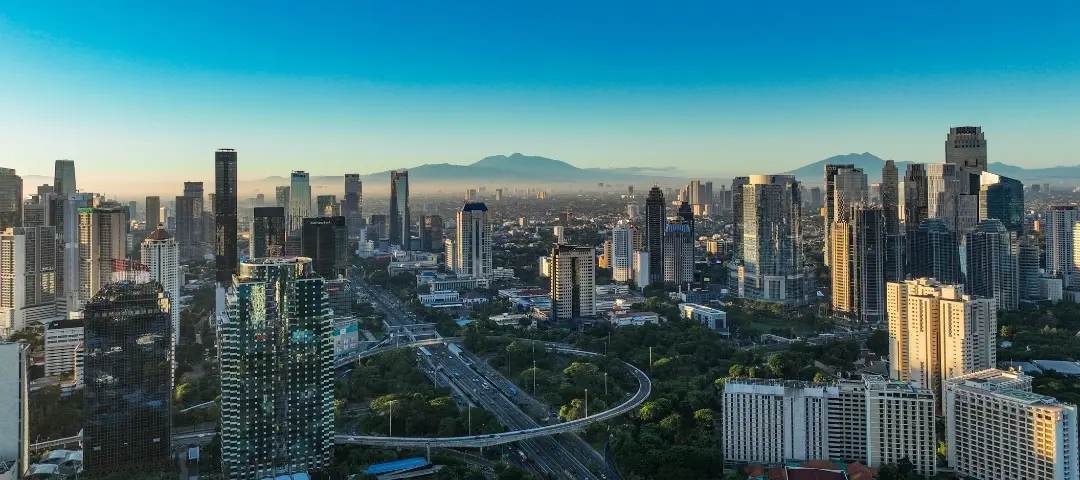
TL;DRIndonesia's residential property prices rose 0.62% year-on-year in Q1 2026, while primary-home sales fell 25.67%. Gross rental yields averaged 8.22% in Q3 2026, with sharp differences between Jakarta apartments and Bali villas. The investment case depends on location, property type, financing costs, and the ownership rights available to each buyer. Basic introduction to Indonesia real estate Indonesia has a large and varied property market. Buyers can choose urban apartments, landed houses in planned townships, tourist villas, shop and office space, or industrial buildings. Jakarta serves a large urban workforce, Bali draws interest in tourism-led homes, and manufacturing corridors create demand for warehouses. Each segment has its own prices, tenants, and ownership questions. A useful Indonesia property investment guide 2026 therefore starts with the numbers and ends with the practical costs of buying. What will you learn from this country investment guide? How Indonesia's economy and housing market performed in 2026. What apartments and villas cost across major cities. Where monthly rents and gross rental yields are strongest. How residential, commercial and tourism-focused investments compare. What foreign buyers need to know about ownership, financing and taxes. Introduction Buying property abroad can feel like checking a restaurant menu without prices: everything looks tempting until the bill arrives. Indonesia presents plenty of choice, including Jakarta apartments, Bali villas and emerging locations beyond Java. But a promising address is only the starting point. To judge Indonesia real estate, buyers need clear purchase prices, realistic rental income, market trends, and an understanding of who can legally own what. Key Takeaway Indonesia property market 2026: Bank Indonesia measured Q1 annual residential price growth at 0.62%, while primary residential sales dropped 25.67%. Indonesia property prices by city 2026: Global Property Guide put Jakarta's average apartment price at US$2,045/m² in Q2 2026. Indonesia rental yields by city 2026: Global Property Guide recorded an average gross yield of 8.22% in Q3 2026, including 12.00% for Jakarta and 4.24% for Bali villas. Indonesia real estate market trends and outlook: Mordor Intelligence estimates market value at US$70.37 billion in 2026 and forecasts US$93.75 billion by 2031. Can foreigners buy property in Indonesia? Eligible foreign buyers can hold qualifying property rights, but freehold Hak Milik ownership remains restricted to Indonesians. What You Should Know About Indonesia Property Market1. What makes Indonesia an attractive real estate investment destination?2. How is Indonesia's economy performing right now?3. What is happening in Indonesia's property market in 2026?4. How much can you earn from property investment in Indonesia?5. Where are the best places to invest in Indonesia right now?6. What do experts say about Indonesia's property market?7. Can foreigners buy property in Indonesia? What are the rules?8. Frequently Asked Questions (FAQs) 1. What makes Indonesia an attractive real estate investment destination? Indonesia attracts different types of buyers because its property market combines urban housing demand, visitor-driven rentals, and growing business districts. Residential property accounted for 55.1% of the national real estate market by value in 2025, while commercial property accounted for 44.9%. Mordor Intelligence estimates the entire market at US$70.37 billion in 2026 and projects a 5.91% annual growth rate through 2031. a. What supports long-term housing demand? The country's population was approximately 286 million in Cushman & Wakefield's 2026 Southeast Asia report. Urban housing demand is driven by jobs, smaller households, and new development near employment, transit, and services. An apartment near Jakarta's business areas answers a different need than a family house in a commuter township. Both depend on people being able to afford the monthly cost. b. Where does commercial property fit? Businesses also need places to work and move goods. The Mordor Intelligence forecast puts annual growth at 6.49% in Indonesia's logistics property segment through 2031, supported by manufacturing and supply-chain investment. Warehouses in Cikarang and Karawang serve industrial users, while offices and retail properties depend on employment and customer traffic. Indonesia commercial real estate therefore adds different tenant demand to the residential investment picture. c. What should buyers weigh before investing? An attractive city still has expensive and affordable pockets. Location, likely tenants, transport links, title rights, and ongoing expenses determine whether the asking price makes sense. Investors seeking overseas property investment opportunities can speak with IQI Global about available locations and property types. Approach IQI Now! 2. How is Indonesia's economy performing right now? Indonesia's economy expanded 5.61% year on year in Q1 2026, following 5.11% growth in full-year 2025, according to Global Property Guide's market analysis using BPS-Statistics Indonesia figures. Private consumption grew 5.5% in Q1, while investment in fixed assets, such as buildings and equipment, rose 5.96%. These activities support demand for places to live, shop, and operate businesses. a. How do wages and housing affordability compare? Even with national growth, many households face steep home prices and mortgage costs. In February 2026, the average monthly employee wage was IDR 3.29 million and unemployment stood at 4.68%. Numbeo's October property figures list a national price-to-income ratio of 28.25 and a mortgage-payment-to-income measure of 315.10%. These indicators help explain why housing affordability and mortgage rates remain central concerns for first-time buyers in Indonesia. b. What is happening to mortgages and financing? Bank Indonesia's first-quarter survey recorded an average KPR mortgage rate of 7.42%. KPR housing loans accounted for 69.87% of financing for primary-home purchases, while developers used internal funds for 80.66% of their development financing. For buyers, loan costs affect monthly payments. For developers, funding needs influence when projects can start or reach completion. c. Why do interest rates and currency movements matter? Higher borrowing costs can reduce the pool of buyers who qualify for a home loan. Currency moves also affect the purchasing power of overseas buyers measuring prices in dollars or another home currency. In a market with modest house-price growth, mortgage affordability and rental income can matter as much as the headline sale price. 3. What is happening in Indonesia's property market in 2026? The main story in Indonesia's real estate market in 2026 is slow price growth and an uneven sales recovery. Bank Indonesia's Residential Property Price Index reached 110.60 in Q1 2026, up 0.62% year on year, down from 0.83% growth in Q4 2025. Primary residential property sales fell 25.67% year on year in Q1, with small-home sales down 45.59%. a. Are home sales improving? The second quarter brought a smaller overall decline. Primary-home sales fell 2.36% year on year in Q2 2026, while large-home sales rose 13.08% and medium-home sales fell 10.51%. Those figures point to a market where the upper segment is improving faster than family-sized mid-market homes. b. How much do properties cost in different cities? Global Property Guide's October 2026 median asking prices show the range of entry budgets across apartments and Bali villas. Location and property1 bedroom (USD)2 bedrooms (USD)3 bedrooms (USD)Jakarta apartments$42,000$54,000$140,000South Jakarta apartments$67,000$117,000$224,000Surabaya apartments$21,000$31,000$112,000Tangerang apartments$28,000$44,000$93,000South Tangerang apartments$32,000$56,000$137,000Bali villas$160,000$184,000$240,000Source: Global Property Guide (1-Bed Prices, 2-Bed Prices, 3-Bed Prices) Property prices per square meter for Jakarta apartments averaged US$2,045/m² in Q2 2026, up 1.1% from Q2 2025. Lamudi's September 2026 apartment listings showed asking prices of Rp19.37 million/m² in Jakarta and Rp29 million/m² in Bali. c. What are the main pressures on housing supply and demand? Building-material costs, licensing delays, mortgage rates, high down payments, and taxes were the five leading obstacles in the central bank's Q1 survey. Rising material costs accounted for 20.97% of responses, while licensing and bureaucracy represented 18.15%. In Jakarta's apartment sector, only 192 new apartment units entered the market in Q1 2026, bringing the total to about 233,000 units. Residential property supply and demand therefore differ across newly built apartments, landed homes, and existing resales. 4. How much can you earn from property investment in Indonesia? Global Property Guide measured an 8.22% average gross residential rental yield for Indonesia in Q3 2026, compared with 8.30% in Q1. Jakarta apartments led its covered markets at a 12.00% city average; Bali villas averaged 4.24%. Gross yield measures a year's rental income against the purchase price before ownership expenses. a. What are monthly rents and yields across major cities? Indonesia rental yields by city 2026 show the widest city-average yield in Jakarta at 12.00%, followed by Tangerang at 9.61%. MarketMonthly asking rent (studio/1-bed apartment; Bali: 1-bed villa)City-average gross rental yieldJakarta apartments$39012.00%Tangerang apartments$2509.61%South Tangerang apartments$1707.69%Surabaya apartments$1407.57%Bali villas$4404.24%Source: Global Property Guide Numbeo's October 2026 figures put monthly rent for a one-bedroom city-center apartment at US$296.76 across Indonesia and US$170.19 outside city centers. Three-bedroom equivalents are US$774.92 and US$419.36 per month. These costs show how size and address shape the budget of someone choosing between renting and buying. b. How do you calculate gross and net rental yields? Consider the Jakarta two-bedroom figures in the same rental-yield series: a median purchase price of US$53,700 and asking rent of US$550 a month. Annual rent is US$6,600; dividing that by US$53,700 gives a gross yield of roughly 12.29%. If annual ownership expenses in this example total US$1,000, net rental income becomes US$5,600, and the illustrative yield is about 10.43%. c. Which expenses reduce rental income? Repairs, property taxes, management fees, and periods without a tenant reduce take-home income. A Bali villa rental investment also needs a plan for cleaning, guest turnover, and property management. For a long-term apartment lease, the budget will look different. Comparing cash received after expenses gives an investor a clearer view of potential income than the advertised monthly rent alone. 5. Where are the best places to invest in Indonesia right now? The best places to invest in Indonesian property vary with the buyer's goals. Jakarta and nearby Tangerang offer urban apartment markets; Surabaya combines lower apartment entry prices with established rental demand; Bali serves tourism and lifestyle buyers; and Lombok offers an earlier-stage tourism market. Industrial buyers may prefer West Java's manufacturing corridors. a. Jakarta Jakarta apartments serve professionals and households looking for access to work, transport, and services. The city's 12.00% average asking-price-based gross yield makes it a leading market for income-focused comparisons. South Jakarta has higher asking prices than the all-Jakarta median, so investors can match location and entry cost to their target tenant market. b. Surabaya/Tangerang Surabaya's one-bedroom median asking price of US$21,000 offers a lower entry point than Jakarta's US$42,000. Tangerang offers a US$28,000 one-bedroom median and a 9.61% city-average gross rental yield. Those prices suit different budgets and support a useful comparison of initial capital against potential rental income. c. Bali/Lombok Juwai IQI's commentary describes Bali as an established tourism and rental market, with activity around Canggu, Pererenan and Uluwatu. Lombok is at an earlier stage, with Kuta Lombok, the south coast, and Mandalika identified as locations to watch. Development and operating risks deserve greater attention in a younger market, especially where infrastructure and the visitor economy are still developing. d. Commercial Cikarang and Karawang in West Java are linked to manufacturing and logistics property demand. Mordor Intelligence identifies East Java as a growing regional market, forecasting 7.11% annual real estate growth through 2031. The right choice may be an income-producing warehouse, a compact city apartment, or a villa designed around visitor demand. IQI Global can help readers discuss Indonesian property options that fit their investment priorities. Approach IQI Now! 6. What do experts say about Indonesia's property market? a. Juwai IQI Liv Baggen, Head of Global Sales at Juwai IQI, frames Bali and Lombok investment opportunities around legal structures, quality development, and sustainable demand. She concludes: “The next phase of growth across both islands is likely to be increasingly selective rather than simply volume-driven." b. Cushman & Wakefield Cushman & Wakefield highlights Indonesia's logistics opportunities and the importance of Jakarta's planned transport links. In its Q4 2025 market figures, Jakarta CBD Grade A offices carried asking rents of Rp315,500 per m² per month, while Greater Jakarta prime logistics space averaged Rp81,732 per m² per month. The firm also identifies transit projects and the Patimban Access Toll Road as development factors for the wider area. c. Knight Frank Indonesia Knight Frank Indonesia's senior research advisor Syarifah Syaukat links luxury housing resilience to buyers' lower reliance on mortgages. The Q2 2026 recovery in large-home transactions supports that view: large-home sales grew 13.08% even as total primary-home sales remained down 2.36%. The consultancy also estimates 1,810 ultra-high-net-worth individuals, or people with very large fortunes, in Indonesia during 2026. A practical Indonesia property market outlook combines these views: select a property category, identify the demand behind it, and weigh its purchase cost against realistic operating income. IQI Global welcomes inquiries from buyers comparing residential and commercial investment opportunities. Approach IQI Now! 7. Can foreigners buy property in Indonesia? What are the rules? Foreigners can legally acquire certain property rights in Indonesia, subject to the property type, buyer eligibility, designated areas, and minimum purchase thresholds. Government Regulation No. 18 of 2021 forms part of the framework for apartment ownership, land rights, and registration. Foreign individuals cannot hold a freehold Hak Milik land title in their own name. The regulation also permits qualifying foreign legal entities with representatives in Indonesia to hold apartment interests. a. What do Hak Pakai, Hak Milik, HGB and strata title mean? Hak Pakai is a right to use land, while Hak Milik is the freehold ownership title reserved for eligible Indonesian holders. Hak Guna Bangunan (HGB) concerns rights to build on land, and strata-title rights concern ownership of individual apartment units. The available foreign-buyer rules include qualification conditions and restrictions on where certain apartment interests can be held. Under ATR/BPN Decree No. 1241/2022, Bali's minimum property value for qualifying foreign buyers is IDR 5 billion. b. What should foreign buyers know about leasehold and PT PMA? Housing Market Group lists leasehold, Hak Pakai, and PT PMA among approaches discussed for foreign property investment in Indonesia. It also identifies informal nominee arrangements as a legal risk. A purchase decision therefore needs a clear ownership structure that fits the proposed property. c. What taxes and buying costs should you budget for? Indonesia property buying costs include land or building acquisition charges, transaction services, and ongoing ownership expenses. Reported rates include a 0.5% property tax on assessed value and a 5% levy calculated on the transfer value of real property sold by individuals. For qualifying 2026 residential purchases, Mordor Intelligence describes the PPN DTP government-borne VAT incentive covering eligible taxable amounts of up to IDR2 billion for homes priced at up to IDR5 billion. d. What are the main risks for overseas investors? Foreign real estate investment risks include unsuitable ownership structures, land-title uncertainty, permit delays, financing costs, vacancies, and management expenses. A commercial warehouse and a tourism villa face different operating and tenant risks. Buyers considering Indonesian residential or commercial properties can contact IQI Global to discuss available options and the relevant ownership questions. Approach IQI Now! Indonesia's property picture in 2026 rewards careful comparison. Property prices, rental yields, financing costs, and legal rights differ widely between a Jakarta apartment, a Bali villa, and an industrial building in West Java. National housing demand has softened, while selected locations and property segments still attract interest. A strong decision begins with a clear goal: a place to live, rental income, or long-term business exposure. 8. Frequently Asked Questions (FAQs) a. What is happening in Indonesia's property market in 2026? Residential prices rose 0.62% annually in Q1 2026, and primary-home sales fell 25.67%. In Q2, the sales decline narrowed to 2.36%, while large-home sales grew 13.08%, showing a mixed recovery across property sizes. b. What is the average apartment price in Jakarta in 2026? Global Property Guide recorded an average Jakarta apartment price of US$2,045 per m² in Q2 2026. Its October median asking prices were US$42,000 for a one-bedroom apartment and US$54,000 for a two-bedroom unit. c. How much is the average monthly apartment rent in Jakarta? Global Property Guide's Jakarta median asking rent for a studio or one-bedroom apartment was US$390 per month in its Q3 2026 yield dataset. Numbeo's October 2026 national city-center benchmark for a one-bedroom apartment was US$296.76 per month. d. Which Indonesian cities offer the highest rental yields? Global Property Guide's Q3 2026 comparison puts Jakarta first at 12.00% gross yield, followed by Tangerang at 9.61%, South Tangerang at 7.69%, Surabaya at 7.57%, and Bali villas at 4.24%. e. Is Jakarta, Bali, or Surabaya better for property investment? For Jakarta vs Bali vs Surabaya property investment, Jakarta offers urban apartments, Surabaya has lower median apartment asking prices, and Bali has an established international tourism and villa market. The best fit follows the buyer's budget, target tenants, and plans for using the property. f. Can foreigners own houses or apartments in Indonesia? Eligible foreigners can acquire qualifying apartments and certain land-use rights under Indonesia's property regulations. Hak Milik (freehold land title) is reserved for Indonesians, and foreign acquisition depends on location, property type, and minimum-value conditions. g. Is Indonesian real estate a good investment heading into 2027? Mordor Intelligence forecasts 5.91% annual market growth for 2026–2031, with logistics among the faster-growing property categories. Rental yield, entry price, local demand, financing, and foreign ownership rights remain the practical tests for each opportunity. Interested in Indonesian property opportunities? Contact IQI Global to explore residential and commercial options that match your budget and investment goals. [custom_blog_form] Continue Reading Why Kuching Is Becoming One of Malaysia’s Cities to Watch in 2027 Malaysia Housing Overhang 2026: Why RM300K Homes Stay Unsold Pakistan Real Estate Market Insights 2026 References Bank Indonesia. (2026, May 8). Residential Property Price Survey Quarter I - 2026: Limited Growth of Residential Property Prices. Retrieved from https://www.bi.go.id/en/publikasi/ruang-media/news-release/Pages/sp_289726.aspx Cushman & Wakefield. (n.d.). Southeast Asia Outlook 2026: Growth Amidst Global Shifts. Retrieved from https://www.cushmanwakefield.com/en/indonesia/insights/southeast-asia-outlook DOMA editorial team. (2026, October 11). Indonesia large home sales rise 13% in Q2 2026 as market lags. DOMA. Retrieved from https://domabali.com/en/news/indonesia-large-homes-sales-grow-q2-2026-bank-indonesia/ Global Property Guide Research Team. (2026b, October). Indonesia Property Prices (1-Bed Apartments, Median Asking). Global Property Guide. Retrieved fromhttps://www.globalpropertyguide.com/asia/indonesia/1-bed-price# Global Property Guide Research Team. (2026c, October). Indonesia Property Prices (2-Bed Apartments, Median Asking). Global Property Guide. Retrieved fromhttps://www.globalpropertyguide.com/asia/indonesia/2-bed-price Global Property Guide Research Team. (2026d, October). Indonesia Property Prices (3-Bed Apartments, Median Asking). Global Property Guide. Retrieved fromhttps://www.globalpropertyguide.com/asia/indonesia/3-bed-price Global Property Guide Research Team. (2026a, July). Square Meter/Square Foot Prices in Indonesia Cities. Global Property Guide. Retrieved from https://www.globalpropertyguide.com/asia/indonesia/square-meter-prices Housing Market Group. (2026, July 8). Indonesia Real Estate Market Update — July 8, 2026. Retrieved from https://housingmarketgroup.com/indonesia-real-estate-market-update-july-8-2026 Juwai IQI. (2026b, October). Juwai IQI Monthly Newsletter. Retrieved fromhttps://iqiglobal.com/blog/wp-content/uploads/2026/10/Juwai-IQI-Newsletter-October-2026-1.pdf Juwai IQI. (2026a, September). Juwai IQI monthly Newsletter. Retrieved fromhttps://iqiglobal.com/blog/wp-content/uploads/2026/09/Juwai-IQI-Newsletter-September-2026.pdf Kumar, K. (2026, July). Indonesia's Residential Property Market Analysis 2026. Global Property Guide. Retrieved from https://www.globalpropertyguide.com/asia/indonesia/price-history# Lamudi. (n.d.). Property prices in Indonesia. Retrieved fromhttps://www.lamudi.co.id/en/property-prices/ Mordor Intelligence. (n.d.). Indonesia Real Estate Market Size & Share Analysis - Growth Trends and Forecast (2026 - 2031). Retrieved from https://www.mordorintelligence.com/industry-reports/real-estate-market-in-indonesia Numbeo. (2026, October 14). Property Prices in Indonesia. Retrieved fromhttps://www.numbeo.com/property-investment/country_result.jsp?country=Indonesia&displayCurrency=USD Shubina, K. (2026, August). Gross rental yields in Indonesia: Jakarta and 4 other cities. Global Property Guide. Retrieved from https://www.globalpropertyguide.com/asia/indonesia/rental-yields

Last update: 15/10 What does it take to land one of the highest-paying jobs in Malaysia in 2026? With Budget 2027 recently announced and the cost of living still a concern, finding a career that offers both financial stability and long-term growth matters more than ever. From CEOs and medical specialists to AI engineers and property agents, some careers offer impressive salaries, while others provide opportunities to earn more without years of formal training. So, which careers offer the best earning potential, and what does it take to get started? Let's explore the 7 highest-paying jobs in Malaysia and what makes each one worth considering. 7 Highest Paying Jobs in MalaysiaWhat Is the Highest Paying Job in Malaysia?1. CEO and managing director2. Surgeon and medical specialist3. Dentist4. AI and machine learning engineer5. Data scientist6. Lawyer7. Real Estate Agent / Real Estate NegotiatorWhat Drives High Salaries in Malaysia?How Long Does Each Career Take to Pay Off?Which High-Paying Job Is Right for You?Frequently Asked Questions What Is the Highest Paying Job in Malaysia? #JobIndicative paySource, as of1CEO and managing directorRM870,000 to RM1,050,000 a year (about RM72,500 to RM87,500 a month)Michael Page Salary Guide, 20262Surgeon and medical specialistRM12,000 to RM16,000 a month, public sector, with allowancesCodeBlue, March 20263DentistRM8,373 a month, average baseIndeed, September 20264AI and machine learning engineerRM8,101 a month, average baseIndeed, August 20265Data scientistRM6,200 a month, average base. Heads of data reach about RM305,000 a year.Indeed, July 2026; Michael Page, 20266LawyerRM4,331 a month, average base. Heads of legal reach about RM320,000 a year.Indeed, July 2026; Michael Page, 20267Real estate negotiator (REN)RM3,000 to RM10,000+ a month for active full-time agents; RM50,000+ for top performers. Commission only.IQI earnings guide, June 2026 Indeed figures are average base salaries from self-reported data and exclude bonuses. Michael Page figures are annual. Pay varies widely with seniority, employer and location. 1. CEO and managing director Estimated Salary: RM72,500 to RM87,500 a month (Michael Page, 2026)Qualification: Degree, plus years of senior leadership Chief executive officers and managing directors are the highest-paid professionals in Malaysia. Michael Page's 2026 Salary Guide puts a CEO at around RM1,050,000 a year and a managing director at about RM870,000. These roles are earned, not applied for. Most CEOs reach the seat after many years of running teams, budgets and results. The fastest route is usually through finance, sales or operations leadership. 2. Surgeon and medical specialist Estimated Salary: RM12,000 to RM16,000 a month (CodeBlue, Mar 2026, public sector with allowances)Qualification: MBBS, 2-year housemanship, specialist training Surgeons and medical specialists are among the best-paid professionals in Malaysia, and the longest-trained. A public-sector specialist earns a basic salary of around RM9,000 to RM11,000 a month, rising to RM12,000 to RM16,000 with on-call and other allowances, according to a specialist physician writing in CodeBlue in March 2026. The route: a five-year medical degree, two years of housemanship, then several years of specialist training. A subspecialist can spend about 15 years training. Private practice pays more, but takes longer to build. 3. Dentist Estimated Salary: RM4,246 to RM16,511 a month (Indeed, Sep 2026)Qualification: 5-year dental degree, MDC registration Dentists in Malaysia earn an average base salary of RM8,373 a month, based on 194 salaries reported on Indeed as of September 2026. Specialists such as orthodontists and oral surgeons earn considerably more. You need a five-year dental degree recognised by the Malaysian Dental Council. Owning a practice is where dental income really scales. 4. AI and machine learning engineer Estimated Salary: RM4,732 to RM13,867 a month (Indeed, Aug 2026)Qualification: Degree in computer science or IT AI and machine learning engineers in Malaysia earn RM4,732 to RM13,867 a month, with an average base salary of RM8,101, according to Indeed data from August 2026. Senior engineers and those leading AI teams earn well above that. Demand is the story here. The National Tech Association of Malaysia (PIKOM) projects digital professionals' salaries to rise 10.81% in 2026, driven by AI, cloud and data investment. A degree in computer science, software engineering or a related field is the usual entry point. 5. Data scientist Estimated Salary: RM4,000 to RM21,000 a month (Glassdoor via Sunway University, Feb 2026, entry to lead level)Qualification: Obtained a degree in Computer Science, Software Engineering, IT or related fields. Data scientists in Malaysia earn RM4,000 to RM8,000 a month at entry level, RM8,000 to RM16,000 as senior data scientists, and RM11,000 to RM21,000 as leads, according to Glassdoor data from February 2026 cited by Sunway University. Indeed puts the average base salary at RM6,200 as of July 2026. At the top, a head of data earns about RM305,000 a year, per Michael Page's 2026 guide. The gap between those two numbers is the point. Data pays well once you move from analysis to leading decisions. Most data scientists hold a degree in computer science, statistics or IT. 6. Lawyer Estimated Salary: RM4,331 to RM26,700 a month (Indeed, Jul 2026; Michael Page, 2026, average lawyer to head of legal)Qualification: Law degree, CLP, 9-month pupillage Lawyers in Malaysia earn from an average base salary of RM4,331 a month, based on Indeed data from July 2026, up to about RM26,700 a month as a head of legal, or RM320,000 a year per Michael Page's 2026 guide, and partners at large firms earn more. To practise, you need a law degree, the Certificate in Legal Practice or an exempting qualification, and nine months of pupillage. Corporate and finance law pay the most. 7. Real Estate Agent / Real Estate Negotiator Estimated Salary: RM3,000 to RM10,000+ a month (IQI, Jun 2026, commission only)Qualification: SPM, 2-day NCC course, no degree Real estate negotiators are the only career on this list that needs no degree. An active full-time REN earns about RM3,000 to RM10,000+ a month, and top performers and team leaders earn RM50,000 a month and more, according to IQI's own earnings guide published in June 2026. There is no basic salary. Income is commission, so it follows the deals you close. On a RM600,000 subsale at a 2.5% commission, the gross commission is RM15,000, before the agency split. To start, you need to be 18 or older, hold SPM or equivalent with a Bahasa Malaysia pass, complete the two-day Negotiator Certification Course and register through a licensed agency with the Board of Valuers, Appraisers, Estate Agents and Property Managers (BOVAEP). Most people can be working within 4 to 8 weeks for under RM1,000. The flip side is real: income takes time to arrive, so plan for three to six months of living expenses. At IQI, commission is paid within 5 days, with a no-forfeit policy. In a 9 to 5 job, even if you give 200 percent effort, your salary stays the same. Natasha Gideon, former journalist turned IQI team leader, from IQI's agent stories What Drives High Salaries in Malaysia? Five forces explain why these jobs pay so much more than the RM2,940 median. Skill scarcity. DOSM's 2025 survey shows skilled workers averaged RM5,799 a month, more than double semi-skilled workers at RM2,714. Jobs that take years to qualify for have fewer people competing for them. Retention pressure. Aon recorded 18.2% attrition in Malaysia in 2025 and projects a 4.8% average salary increase for 2026, as employers pay to keep their best people. Digital and AI investment. PIKOM expects digital salaries to rise 10.81% in 2026, well ahead of the market. Location. Average monthly pay is highest in Putrajaya (RM5,417), Kuala Lumpur (RM4,955) and Selangor (RM4,258), per DOSM. Performance-based pay. In sales-driven careers such as real estate, income is tied to results rather than a salary scale. Malaysian organisations are prioritising retention of top talent and highly skilled employees. Rahul Chawla, Partner and Head of Talent Solutions for Southeast Asia, Aon, 11 December 2025 For tech roles, the industry says pay still has to rise. "So, we need to offer sufficiently attractive salaries to draw talent," said Woon Tai Hai, Chairman of PIKOM's Research Committee, in December 2025. DOSM itself points to the long-term fix, noting that "continued efforts to increase productivity, strengthen skills and create high-value jobs are important" to sustain wage growth. How Long Does Each Career Take to Pay Off? Salary is only half the picture. The other half is how long you wait before you earn it. JobTypical routeDegree needed?CEO, managing directorMany years of management experienceUsuallySurgeon, specialist5-year medical degree, 2 years of housemanship, then specialist trainingYesDentist5-year dental degree recognised by the Malaysian Dental CouncilYesAI engineer, data scientist3 to 4-year degree, then experience and portfolioUsuallyLawyerLaw degree, CLP or exempting qualification, 9 months of pupillageYesReal estate negotiatorSPM, 2-day NCC course, BOVAEP registration through an agency, 4 to 8 weeksNo If you are already working and want higher income without going back to university for five years, the runway matters as much as the ceiling. Our guide on how to become a property agent in 5 steps walks through the registration. Which High-Paying Job Is Right for You? Ask three questions. How many years can you invest before you earn? Do you want a fixed salary or pay tied to results? And which work would you still want to do on a bad day? Medicine, dentistry and law reward long training with stable, high pay. Tech rewards skills that keep changing. Executive roles reward years of proven leadership. Real estate rewards people skills, discipline and follow-up, from day one. From the authorWhen people search for the highest paying job, I think the real question underneath is: how do I earn more than I do now?The big salaries on this list are real, but most of them are the reward for ten years or more of study and climbing. That is a great path if you are 18 and certain. It is a harder one if you are 28, already working, and need a change sooner.That is why I like that real estate sits on this list. It is not easy money, and anyone who tells you otherwise is selling something. But it is one of the few careers where your effort, rather than your degree or your years of service, decides your income.My advice: do not chase the biggest number, chase the career where your effort shows up in your pay. IQI Youth is our commitment to giving new agents the structure, mentorship and tools they need to succeed. Kashif Ansari, Co-Founder and Group CEO, Juwai IQI, EdgeProp, 19 May 2026 Frequently Asked Questions What is the highest paying job in Malaysia? CEOs and managing directors are among Malaysia’s highest-paid professionals in 2026. According to Michael Page’s 2026 Salary Guide, CEOs earn around RM1.05 million annually, while managing directors earn approximately RM870,000. In healthcare, public-sector medical specialists and surgeons can earn RM12,000–RM16,000 monthly, including allowances. What is the average salary in Malaysia in 2026? Malaysia’s average monthly salary is RM3,803, based on the latest 2025 figures from the Department of Statistics Malaysia (DOSM). The median salary was RM2,940, while skilled workers earned an average of RM5,799 per month. Putrajaya and Kuala Lumpur recorded the highest average salaries nationwide. Official full-year 2026 figures are not yet available. What is the highest paying job in Malaysia without a degree? Real estate negotiator (REN) is one of Malaysia’s high-earning career options without a degree. Applicants generally need to be at least 18, meet the entry requirements, complete a two-day Negotiator Certification Course (NCC) and obtain BOVAEP registration through a registered estate agency. How much do AI engineers earn in Malaysia? AI and machine learning engineers in Malaysia earn between RM4,732 and RM13,867 per month, with an average base salary of RM8,101, according to Indeed’s August 2026 data. Senior and lead engineers can earn more, while PIKOM projects a 10.81% salary increase for digital professionals in 2026. How much does a surgeon earn in Malaysia? A public-sector specialist in Malaysia earns a basic salary of about RM9,000 to RM11,000 a month, or RM12,000 to RM16,000 with on-call and other allowances, according to a specialist writing in CodeBlue in March 2026. Private-sector surgeons can earn more. Which jobs will pay more in Malaysia in the next few years? AI, data science and digital technology jobs are among the careers expected to see stronger salary growth in Malaysia. PIKOM projects a 10.81% increase in digital professionals’ salaries in 2026, while Aon forecasts an average 4.8% salary increase across industries, with life sciences and medical devices leading the growth. Is being a property agent a good career in Malaysia? Yes, becoming a property agent in Malaysia can be a rewarding career with flexible hours and uncapped earning potential. No degree is required, and you can typically get started within 4–8 weeks. However, income is commission-based and not guaranteed, so having 3–6 months of savings is recommended while building your client base. No degree. No income ceiling. Just two days to get started. Build a real estate career with IQI and unlock unlimited earning potential through performance-based commissions, fast payouts within 5 days, and hands-on training and mentorship to help you close your first deal [custom_blog_recruit_form] Continue reading: How Much Do Property Agents Really Earn in Malaysia? How to Be a Property Agent in Malaysia in Just 5 Steps Real Estate Agent Commission Structure in Malaysia Unhappy in Your Current Job? Become a Real Estate Negotiator 5. 8 Flexible Jobs Perfect for Uni Students Sources The Star, Positive growth in average monthly salaries, wages (DOSM Salaries and Wages Survey 2025), 22 September 2026 Sunway University, Highest-Paying Jobs in Malaysia in 2026, citing Michael Page's 2026 Salary Guide, 29 April 2026 CodeBlue, After 15 years of training, this is what a subspecialist doctor earns in Malaysia, 13 March 2026 Indeed Malaysia average base salaries: dentist (29 Sep 2026), machine learning engineer (10 Aug 2026), data scientist (3 Jul 2026), lawyer (24 Jul 2026) Sunway University, Data Scientist Salaries in Malaysia (2026 Guide), citing Glassdoor February 2026, 7 July 2026 Aon, Survey projects 4.8 percent salary growth for Malaysia in 2026, 11 December 2025 The Vibes, Digital talent salaries in Malaysia set to surge, 4 December 2025 EdgeProp, Juwai IQI launches IQI Youth platform, 19 May 2026 MIEA, Certified Real Estate Negotiator FAQ IQI, How much do property agents really earn in Malaysia?, 30 June 2026

TL;DRKuching property investment is gaining attention as Sarawak expands its economy and plans better transport connections. Brickz recorded 1,551 residential transactions in Kuching from August 2025 to July 2026, with a median sale price of RM420,000 and a median price per square foot of RM229. Batu Kawa, Matang, Stutong, Vivacity and Kota Samarahan offer different ways to balance space, convenience and rental demand. House hunting can feel like a second job. Prices stretch the budget, and a beautiful unit can lose its charm after one peak-hour drive. Then the family WhatsApp committee gets involved. Kuching property gives buyers a practical place to start: what can your money buy, which neighborhood suits your routine, and what could change by 2027? Sarawak's capital is worth adding to your viewing calendar. Key Takeaways Kuching property investment: Local family demand, new transport plans, and Sarawak's industrial development support interest in the city heading into 2027. Average house price in Kuching, Sarawak: Brickz reports a median residential sale price of RM420,000, based on 1,551 transactions between August 2025 and July 2026. Best areas to buy property in Kuching: Batu Kawa offers township value, Matang and Petra Jaya offer suburban living, and Vivacity suits buyers seeking city conveniences. Kuching ART property development: Planned KUTS lines connect major urban corridors, including the Samarahan area, potentially improving daily accessibility. Kuching landed house vs condominium: Landed homes suit buyers seeking family space and flexibility, while condominiums offer a different mix of facilities, location, and rental appeal. Read this before investing in property in Kuching!1. Why Is Kuching Becoming a City to Watch for Property Buyers in 2027?2. What Is the Average House Price in Kuching, Sarawak?3. How Could Kuching ART Property Development Shape the Market by 2027?4. What Are the Best Areas to Buy Property in Kuching in 2027?5. Kuching Landed House vs Condominium: Which Should Buyers Choose?6. Is Kuching Property a Good Investment in 2027?7. What Should Malaysians Know Before Buying Property in Kuching?8. Frequently Asked Questions Estimated reading time: 14 minutes 1. Why Is Kuching Becoming a City to Watch for Property Buyers in 2027? Kuching combines an established state capital, emerging industries, and planned transport upgrades. The Kuching property market outlook for 2027 centers on how these changes connect with existing housing demand. a. How Is Sarawak's Economic Growth Supporting Kuching's Property Market? Sarawak's plans emphasize renewable energy, industry and connectivity. PropertyGuru highlights the Sarawak Corridor of Renewable Energy (SCORE), where growth around Bintulu and Samalaju supports housing, logistics and services. In Kuching, government, education and tourism help sustain residential property demand. In October 2026, Borneo Post quoted community leader Dato Sim Kiang Chiok urging the 2027 State Budget to support energy, technology, transport and skills. He said, “Growth must not be measured by revenue and GDP alone.” His focus included higher incomes and better services for residents. b. What Makes Kuching Attractive for Homebuyers and Families? Kuching offers riverside attractions, universities, healthcare, and a relaxed pace. Kuching housing ranges from established streets to self-contained townships. Families still ask ordinary questions: How long is the school run? Can everyone park without a nightly negotiation?. c. Who Is Driving Residential Property Demand in Kuching? Families, first-time buyers, and people moving closer to work or study are important audiences. PEPS Ventures identifies returning East Malaysians as potential buyers in the RM500,000–RM700,000 segment, especially for larger homes with good amenities. 2. What Is the Average House Price in Kuching, Sarawak? For the average house price in Kuching, Sarawak, the clearest recent benchmark is the median: Brickz puts Kuching's residential median sale price at RM420,000, or RM229 per square foot, for August 2025 to July 2026. It recorded 1,551 transactions across 519 projects and townships during that period. a. What Do Kuching's Latest Residential Property Transactions Show? The middle half of sales ranged from RM260,000 to RM630,000, with 25th- and 75th-percentile price-per-square-foot (PSF) figures of RM164 and RM341. The Kuching property prices reflect housing choices across several budgets. Residential market measureRecorded valuePeriod and coverageKuching median transacted priceRM420,000Aug 2025–Jul 2026; 1,551 residential transactionsKuching median price per square footRM229Aug 2025–Jul 2026Kuching division median priceAbout RM410,000Over 5,500 NAPIC-verified transactionsSarawak residential median priceRM388,0002021–2026; 12,584 subsale transactionsMalaysia average house priceRM507,533Q1 2026 Source: Brickz, NewProjek, List.my, & Global Property Guide b. How Do Property Prices Differ Between Kuching's Neighbourhoods? NewProjek puts MJC-Batu Kawa New Township at RM188 per square foot, Matang Jaya at RM421, and Jazz Suites @ Vivacity at RM608. These per-square-foot prices highlight different entry points across these neighborhoods. c. How Does Kuching's Property Market Compare With Malaysia's Wider Housing Market? List.my records a Sarawak residential median of RM388,000 across 12,584 subsales in 2021–2026. Global Property Guide puts Malaysia's Q1 2026 average house price at RM507,533, alongside 1.69% annual index growth. 3. How Could Kuching ART Property Development Shape the Market by 2027? Kuching ART property development matters because a better commute can change where residents choose to live. Planned stations may strengthen access to residential and commercial areas. a. What Is the Kuching Urban Transportation System (KUTS)? The Kuching Urban Transportation System, or KUTS, includes a hydrogen-powered Autonomous Rapid Transit (ART) network. PropertyGenie describes a 69.9-kilometer first-phase plan involving the Samarahan, Serian, and Kuching lines, supported by feeder buses and park-and-ride facilities. Its published project profile targets operations to start in 2026. For 2027 buyers, proximity to a planned station may matter most when it fits their regular commute. b. Which Residential Areas Could Benefit From ART Connectivity? SuperHomes identifies Stutong, Jalan Airport and Kota Samarahan as corridors attracting interest linked to planned ART access. Samarahan has a particularly clear everyday audience because Universiti Malaysia Sarawak (UNIMAS) and Universiti Teknologi MARA (UiTM) Sarawak create student and staff activity. Imagine choosing between a shorter university commute and a larger porch. Your weekday routine decides which matters most. c. How Could the Pan Borneo Highway Influence Kuching's Housing Demand? The Pan Borneo Highway is another major factor shaping Sarawak's housing market. PropertyGuru links regional road upgrades with access to emerging residential and commercial corridors. For Kuching buyers, improved access could broaden the range of practical suburbs, particularly for those willing to trade a central address for more living space. 4. What Are the Best Areas to Buy Property in Kuching in 2027? The best areas to buy property in Kuching vary by budget, commute, and tenant needs. Batu Kawa, Matang, Petra Jaya, Stutong, and Vivacity each offer a distinct residential setting. a. Is Batu Kawa a Good Choice for Affordable Homes and Families? Batu Kawa offers township convenience and relative value. MJC-Batu Kawa New Township includes shops, food outlets, and services, with NewProjek reporting RM188 per square foot. b. How Do Matang, Petra Jaya and Tabuan Jaya Compare? Matang and Petra Jaya offer suburban settings, with Matang Jaya recorded at RM421 per square foot. Tabuan Jaya and Stutong offer mature neighborhoods, commercial facilities, and access to schools. c. Is Kota Samarahan Attractive for Property Investors? Kota Samarahan property investment has a clear tenant base near UNIMAS, UiTM Sarawak, and health services. University and staff housing serve different routines from city-center apartments. d. What Makes Stutong and Vivacity Appealing to Urban Buyers? Vivacity combines shopping, dining, and apartment living. Jazz Suites' reported RM608 per square foot reflects its urban setting, while Stutong offers established residential options near planned transit corridors. AreaMain attractionReported benchmark or demand driverMJC Batu KawaSelf-contained township and family amenitiesRM188 PSFMatang / Petra JayaSuburban living and established neighborhoodsMatang Jaya: RM421 PSFTabuan Jaya / StutongMature housing and access to servicesFamily and upgrader demandKota SamarahanUniversity-linked housingUNIMAS and UiTM student and staff demandVivacity / city areaIntegrated shopping and condominium livingJazz Suites: RM608 PSF If comparing these neighborhoods feels like choosing between five equally good dinner spots, IQI Global can help you narrow the options by budget, home type, and daily routine. Get in touch to explore available properties in Kuching. Approach IQI Now! 5. Kuching Landed House vs Condominium: Which Should Buyers Choose? The decision between a Kuching landed house and a condominium starts with how you plan to use the property. A landed home generally gives a family more control over layout and outdoor space; a condominium can place shops, workplaces, and shared facilities closer to the front door. a. Why Are Landed Houses Popular Among Kuching Homebuyers? NextSix recommends evaluating landed homes by parking, kitchen flow, ventilation, usable land, and room flexibility. Those details decide how a home works on an ordinary Tuesday. The same guide recommends assessing the commute, roof condition, signs of water damage, and renovation needs alongside the asking price. b. What Are the Benefits and Costs of Buying a Condominium in Kuching? Condominiums can suit smaller households, professionals, and some long-stay buyers who prefer a managed building. SuperHomes estimates the Kuching high-rise purchase range at RM320,000 to RM650,000. Buyers should budget for condominium maintenance fees, which cover shared building upkeep, and consider the facilities, unit layout, and access to everyday services. c. Is a New Launch or Subsale Property Better for Your Budget? The new launch vs subsale property choice in Kuching involves timing and condition. A subsale is a home bought from an existing owner; a new launch is sold by a developer. A completed subsale home lets you inspect it before purchase, while a new project has a future delivery schedule. NextSix stresses repair costs and practical layout. Let's say you need a ground-floor room for an aging parent. That might outweigh a showroom-perfect kitchen. 6. Is Kuching Property a Good Investment in 2027? Is Kuching property a good investment? Buyers can identify long-term demand from families, professionals, healthcare staff, and university communities. Entry price and tenant needs shape each opportunity. a. What Rental Yields Can Investors Expect From Kuching Property? SuperHomes estimates gross rental yields of 4.8%–6.2% for selected Kuching strata properties (individually owned units within a shared building or development) and executive suites. It also estimates monthly rent of RM1,800–RM2,800 for furnished two-bedroom units near major shopping areas. PEPS Ventures describes broader Sarawak residential yields of around 3%–4% and notes longer holding periods for investors. Calculate Kuching property rental yield by dividing annual rent by purchase price and multiplying by 100. For a worked example using the reported RM420,000 residential median price and RM1,800 monthly rent, RM1,800 × 12 ÷ RM420,000 × 100 = 5.14% gross yield. Maintenance, repairs, and vacancy affect the net amount received. b. How Could Sarawak's Economic Plans and S-MM2H Program Affect Housing Demand? Sarawak's energy agenda and Sarawak Malaysia My Second Home (S-MM2H) program may broaden buyer interest. Under Sarawak's Ministry of Tourism, Creative Industry and Performing Arts guideline amended on 31 July 2025, the program requires a RM500,000 fixed deposit, a minimum age of 30, and 30 days in Sarawak annually. Dato Sim Kiang Chiok also urged Sarawak Budget 2027 to prioritize jobs, education, and connectivity, all closely tied to where households choose to settle. c. What Are the Main Risks of Investing in Kuching Real Estate? PropertyGuru identifies delayed infrastructure work, slower resale activity, and dependence on industry as key risks for East Malaysian property. Vacancy also matters when planning capital appreciation potential and rental income. PEPS Ventures recommends a five-to-ten-year holding horizon for Sarawak investors and flags Native Customary Rights (NCR) land as a legal concern. Financing deserves equal attention. The Star reported that up to 59% of respondents to a survey of 181 property developers across Peninsular Malaysia held unsold completed residential units as at 30 June 2026, with loan rejection among the reasons given. For individual buyers, income documentation and monthly commitments can affect whether an attractive purchase proceeds. Want to compare rental-oriented units with homes suited to longer ownership? IQI Global can help you explore Kuching listings and discuss options for your preferred area and budget. Approach IQI Now! 7. What Should Malaysians Know Before Buying Property in Kuching? Start with Sarawak property ownership rules, your loan budget, and property condition. Sarawak's land categories require attention, particularly for buyers from other Malaysian states. a. Can West Malaysians Buy Property in Sarawak? West Malaysians can buy property in Sarawak, subject to applicable state procedures and property-title conditions. PEPS Ventures identifies Native Customary Rights (NCR) land as an area requiring specialized legal understanding. Foreign buyers face separate thresholds: Global Property Guide lists a minimum purchase price of RM600,000 in Kuching and RM500,000 elsewhere in Sarawak. b. What Property Financing and Purchase Costs Should Buyers Prepare For? Consider home loan eligibility before scheduling viewings. Nationally, the housing-loan approval rate was 39.2% in the first four months of 2026, with debt commitments and income records affecting decisions. First-time buyer stamp duty relief for homes up to RM500,000 runs through 31 December 2027. Under the Finance Act 2025, the residential-property transfer stamp duty rate for non-citizen buyers rose to 8% on 1 January 2026. A purchase budget should also allow for legal fees, moving costs, and repairs, especially for older homes. c. What Should Buyers Check Before Choosing a Kuching Neighborhood? Flood risk and traffic congestion, water damage, drainage, and parking all belong on a viewing checklist. NextSix stresses everyday usability and future flexibility over showroom appeal. Use a three-visit test: see the street during the morning school run, return at evening rush hour, and inspect the home's drains and walls after rain. Record commute time, parked cars, and repair concerns. Those observations will help rank two similarly priced homes by everyday fit. For help making that shortlist, IQI Global can assist with Kuching property options across neighborhoods and home types. Reach out before arranging your next round of viewings. Approach IQI Now! Kuching enters 2027 with a recognizable housing market, active suburban neighborhoods, and transport and economic projects that give buyers reasons to pay attention. Kuching property investment works best when the home fits the household or tenant who will actually use it. Start with the numbers, choose the right neighborhood, and factor the commute into the decision. The nicest listing photo will never shorten a school run. 8. Frequently Asked Questions a. Is Kuching property a good investment in 2027? Kuching property has identifiable long-term demand from families, students, professionals and people seeking a different pace of life. Transport plans and Sarawak's energy and industrial strategy add to its appeal. PEPS Ventures favors a five-to-ten-year investment horizon in the state, particularly where local housing demand is visible. b. What is the average house price in Kuching, Sarawak? Brickz reports a median residential sale price of RM420,000 and a median price per square foot of RM229 for Kuching, based on 1,551 transactions between August 2025 and July 2026. The middle half of recorded transaction prices ran from RM260,000 to RM630,000. c. Which areas in Kuching are best for first-time homebuyers? MJC Batu Kawa is a strong starting point for buyers seeking a self-contained township and value, with a reported price of RM188 per square foot. Matang and Petra Jaya offer suburban choices, while Kota Samarahan suits buyers whose work or study is centered near its universities. d. How will the Kuching ART project affect nearby property prices? Kuching ART could make selected corridors easier to reach and strengthen interest in housing near planned stations. Stutong, Jalan Airport and Samarahan feature in SuperHomes' discussion of transport-linked residential demand. The strongest everyday benefit for a buyer would be a station and feeder connection that shortens a regular trip to work or study. e. Is landed property or a condominium better to buy in Kuching? A landed house often suits buyers prioritizing parking, flexible rooms, and outdoor space. A condominium may suit professionals or smaller households who want managed facilities and convenient access to urban amenities. NextSix emphasizes layout and daily routine when choosing a landed home, while SuperHomes highlights high-rise options across Kuching. f. Can West Malaysians buy property in Sarawak? West Malaysians can purchase property in Sarawak under applicable state procedures and title conditions. PEPS Ventures highlights restrictions affecting Native Customary Rights (NCR) land, while SuperHomes describes purchase eligibility subject to state rules. g. What rental yield can investors expect from condominiums in Kuching? SuperHomes estimates 4.8%–6.2% gross rental yields for selected strata properties and executive suites in Kuching. It also quotes monthly rents of RM1,800–RM2,800 for furnished two-bedroom units near major shopping areas. Gross yield measures annual rental income against the purchase price, before accounting for ownership and vacancy costs. Want a home or rental property in Kuching? Contact IQI Global to explore neighborhood options, compare listings, and plan your next property viewing. [custom_blog_form] Continue Reading Malaysia Housing Overhang 2026: Why RM300K Homes Stay Unsold Foreigner’s Guide To Buying Property In Malaysia Pakistan Real Estate Market Insights 2026 References Ahmad, A. (2026, September 24). Real estate market eyes 1H27 turnaround. The Star. Retrieved from https://www.thestar.com.my/business/business-news/2026/09/24/real-estate-market-eyes-1h27-turnaround Brickz. (2026, July). Kuching, Sarawak - residential. Retrieved fromhttps://www.brickz.my/transactions/residential/sarawak/kuching/ Hariri, A. (2026, June 15). Real estate opportunities in Sarawak's property market. PEPS Ventures. Retrieved fromhttps://www.pepsventures.com/resources/real-estate-opportunities-in-sarawaks-property-market Kumar, K. (2026, July). Malaysia's residential property market analysis 2026. Global Property Guide. Retrieved from https://www.globalpropertyguide.com/asia/malaysia/price-history Lim, H. P. (2026, October 4). 2027 State Budget must translate growth into better lives for Sarawakians, says community leader. Borneo Post. Retrieved fromhttps://www.theborneopost.com/2026/10/04/2027-state-budget-must-translate-growth-into-better-lives-for-sarawakians-says-community-leader/ List.my. (n.d.). Sarawak property market analysis. Retrieved fromhttps://list.my/subsales/sarawak NewProjek. (2026, September 18). Best areas to live in Kuching 2026. Retrieved fromhttps://newprojek.com/guides/best-areas-to-live-kuching NextSix. (2026, May 28). Choosing landed homes in Kuching & Samarahan. Retrieved fromhttps://blog.nextsix.com/how-to-choose-residential-landed-property-kuching-samarahan-alven-jap/ PropertyGenie. (n.d.). Kuching property market overview. Property Genie. Retrieved from https://www.propertygenie.com.my/location/sarawak/kuching Property Guru. (2026, June 26). Emerging opportunities in Sabah and Sarawak: East Malaysia property investment in 2026. Retrieved from https://www.propertyguru.com.my/property-guides/east-malaysia-property-investment-78434 SuperHomes. (2026, July 24). Kuching property market outlook 2026: ART network, S-MM2H & trends. Retrieved from https://www.superhomes.my/resources/kuching-property-market-2026 World Borneo. (2025, July 31). Sarawak MM2H requirements 2026: Official S-MM2H guide. Retrieved fromhttps://www.worldborneo.com/sarawak-mm2h
Ready to get started?
Get in touch now.
