

Negotiator ∙ Elite
Jy Yap
REN65207
Negotiator ∙ Elite
Jy Yap
REN65207
About Jy Yap
Leveraging market knowledge and negotiation skills to deliver exceptional results. Your real estate success is my priority. Ready to make your real estate dreams a reality? Let's chat. Your dream home awaits.
2 years at IQI
57 transactions
Contact Jy Yap
Jy Yap Social Links
No social links available.
My Listings
No listings available at the moment.
Our newly launched projects
Discover the real estate properties in and around Kuala Lumpur, Malaysia. Buy apartment units, landed houses, bungalows, commercial office space, shop lots, and sub-sales with 100% confidence at IQI Global.
 Large land area
Northern TechValley @BKE
Mukim 14, Kubang Semang, 14400 Seberang Perai, Penang, Malaysia
Starting from € 3,087,546
Listed on January 23, 2026
 Located in Bukit Minyak
Taman IKS Bukit Minyak
Jalan IKS Bukit Minyak Utama, Taman IKS Bukit Minyak, 14100 Simpang Ampat, Penang, Malaysia.
Starting from € 256,409
Listed on January 23, 2026
 Located in Simpang Ampat
Regalway Industrial Hub (Industrial)
Regalway Industrial Hub, Off Jalan Bukit Panchor, Bukit Panchor, 14100 Simpang Ampat, Penang, Malaysia.
Starting from € 1,068,195
Listed on January 23, 2026
 Spacious land area
Taman Jasa Ria (Garden Villa)
Jalan Permatang Pasir, Taman Jasa Ria, 14000 Bukit Mertajam, Penang, Malaysia
Starting from € 238,304
Listed on January 23, 2026
 Located in Bukit Mertajam
Taman Jasa Intan (Garden Superlink)
Jalan Jasa Intan, Taman Jasa Intan, 14000 Bukit Mertajam, Penang, Malaysia
Starting from € 174,234
Listed on January 23, 2026
 Large land area
Taman Fajar Permai (Sunrise Terrace)
Jalan Fajar, Taman Fajar Permai, 14300 Nibong Tebal, Penang, Malaysia.
Starting from € 117,150
Listed on January 23, 2026
Mortgage Calculator
Calculate your estimated month repayment and plan your monthly expenses well.
The mortgage calculator is intended for reference only. Actual amount may vary.
Monthly Payment
Send me the mortgage calculator result

Home Loan Eligibility Calculator
Calculate your potential loan amount and assess your home buying affordability.

Rental Yield
Calculate the potential rental yield and evaluate a property's investment performance.

Down Payment Saving Plan
Create a structured savings plan and determine how much to save monthly for your down payment plan.

Malaysian Property Transaction Fees Calculator
Estimate the total transaction fees and budget accurately for your Malaysian property purchase.
IQI blog & news
Articles specifically curated for your daily digest of local and global real estate news.

Iceland's housing market is showing signs of renewed strength in 2026, supported by rising home prices, easing inflation, and a slowing construction pipeline. As new project activity declines and supply growth moderates, market conditions are gradually shifting in favour of sellers. Housing Prices Continue to Rise National housing prices increased 0.62% month-on-month in March 2026, accelerating from February and lifting annual growth to 2.61%. Reykjavik continued to lead market performance, with capital area home prices rising 0.8% monthly and 2.82% year-on-year. Detached homes recorded the strongest gains, while apartment prices remained stable and continued posting annual growth. Construction Activity Continues to Slow A key trend shaping the market is the decline in construction activity. Active construction projects fell to 6,172 units nationwide, marking the sharpest contraction since the post-2023 building peak. Completions are now outpacing new project starts, suggesting future housing supply may become increasingly constrained. At the same time, building cost pressures have eased, indicating that the slowdown is being driven more by softer development activity and weaker demand conditions than by rising construction expenses. Inflation Moderates but Interest Rates Remain High Inflation is showing signs of improvement, with annual CPI easing to 5.2% in April. However, Iceland's policy rate remains elevated at 7.5%, continuing to weigh on borrowing conditions and housing affordability. While rate cuts are anticipated later in the year, financing costs remain a key factor influencing market activity. Outlook Iceland's housing market appears to be entering a new phase of recovery. Rising prices, declining construction activity, and easing inflation are gradually improving market fundamentals. While high interest rates continue to limit affordability in the short term, a potential easing cycle in the second half of 2026 could support stronger buyer activity and create a more active market environment heading into 2027. Download to see insights from other country marketsDownload
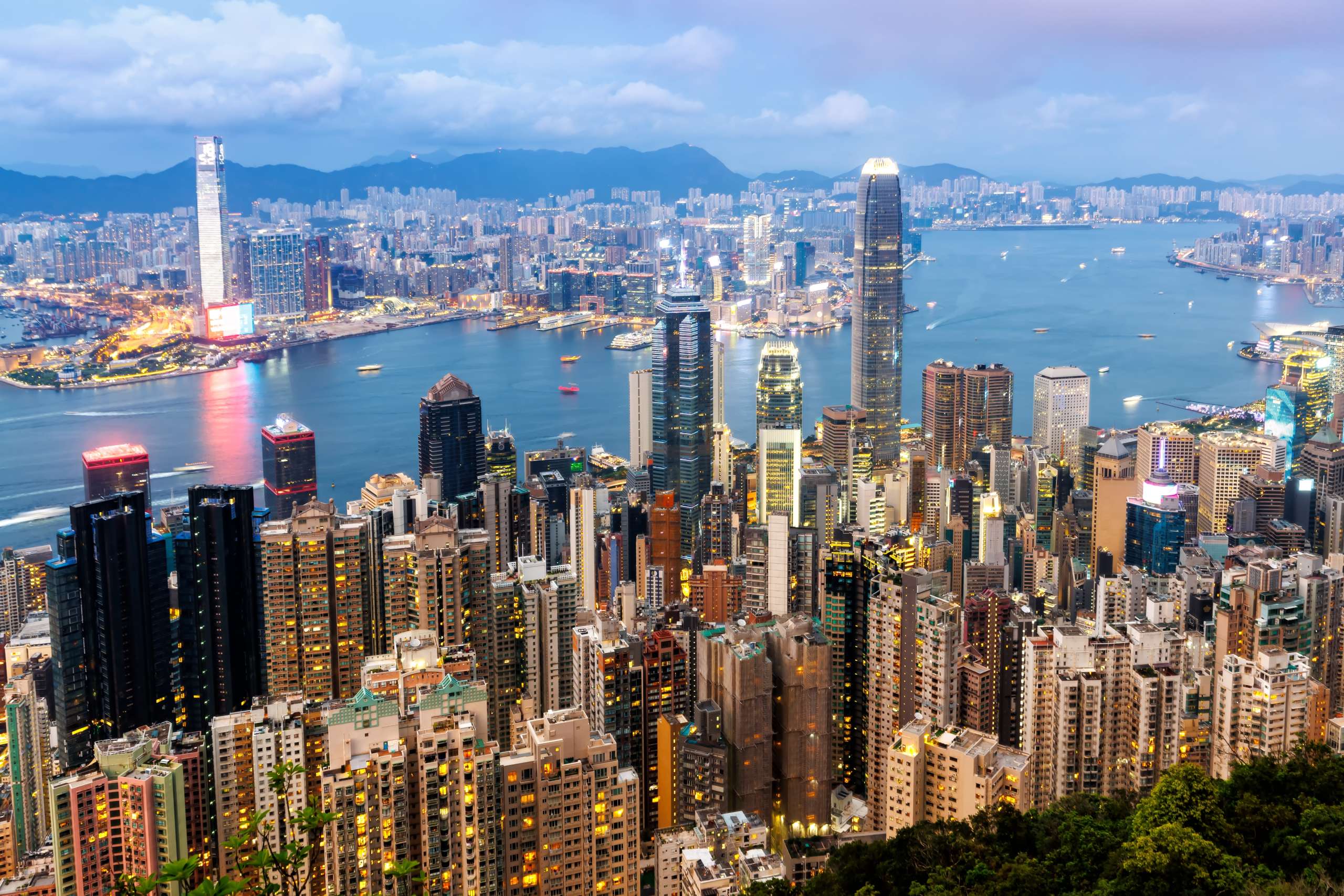
15 Jun, 2026
Hong Kong Property Market June 2026: Residential Demand Stays Firm Despite Office Challenges
Hong Kong's property market continued to show mixed performance in early 2026, with the office sector facing ongoing challenges while residential demand remained relatively resilient. Although leasing activity in some office districts softened, healthy housing transactions and stable home prices suggest buyer confidence remains intact in key residential segments. Office Market Faces Ongoing Pressure The office market recorded negative net absorption during the quarter, reflecting cautious corporate expansion and continued vacancy challenges in certain districts. While leasing activity remained active in selected prime locations, performance varied across submarkets. Central continued to demonstrate resilience, supported by rental growth and improving occupancy, while some fringe office districts remained under pressure. Despite these challenges, major corporate commitments continued to support the market. Large leasing transactions and investment activity indicate that occupiers remain focused on quality buildings in strategic locations. Residential Demand Holds Firm The residential market delivered a stronger performance, supported by healthy transaction activity and stable pricing. First-quarter residential transactions reached their strongest level in several years, reflecting improving buyer sentiment and continued interest in well-located projects. Home prices remained largely stable, while new launches continued attracting attention from both owner-occupiers and investors. Demand for premium and luxury properties also remained active, highlighting confidence in Hong Kong's long-term residential market fundamentals. Selective Market Favouring Quality Assets One of the key themes emerging in 2026 is growing selectivity among buyers and investors. Demand is increasingly concentrated in well-located residential projects, prime office assets, and quality developments with strong long-term fundamentals. Rather than broad-based market growth, performance is becoming more dependent on asset quality and location. This trend is creating opportunities for investors who focus on resilient sectors while remaining cautious toward weaker-performing segments. Outlook Hong Kong's property market is expected to remain selective through the second half of 2026. While the office sector may continue facing pressure from elevated vacancies, residential demand is likely to remain supported by stable pricing, healthy transaction volumes, and continued interest in quality developments. Markets with strong fundamentals and strategic locations are expected to outperform as investors prioritise resilience and long-term value. Download to see insights from other country marketsDownload

Greece's real estate market remains one of Europe's strongest-performing lifestyle and investment destinations in 2026, supported by a robust tourism outlook, steady foreign investment, and growing demand for coastal properties. With more than 38 million international visitors expected and tourism revenue projected to exceed €22 billion, confidence remains strong across both the hospitality and residential sectors. Coastal Properties Continue to Lead Demand The country's positive tourism outlook is translating into stronger demand for coastal homes, holiday residences, hospitality assets, and development land. Popular destinations such as the Athens Riviera, Cyclades, Crete, and mainland coastal regions continue attracting both international buyers and investors seeking long-term lifestyle and rental opportunities. Greece's Golden Visa programme also remains a major driver of foreign investment. While entry thresholds have increased in certain prime locations, opportunities still exist in emerging markets, helping sustain international buyer interest across the country. Investors Focus on Long-Term Value Buyer preferences are increasingly shifting towards quality construction, energy-efficient homes, year-round locations, and sustainable rental yields. Rental returns of approximately 4% to 7% continue attracting investors looking for both income generation and long-term capital appreciation. Despite higher construction costs and limited housing supply in some locations, strong international demand continues to support price growth. Property values in key regions are still increasing by approximately 8% to 10% annually, reflecting the strength of Greece's tourism-driven property market. Outlook Greece is expected to remain one of the Mediterranean's most attractive property investment destinations throughout 2026. Continued growth in international arrivals, tourism spending, and foreign investment should support demand for coastal homes, hospitality assets, and lifestyle properties. As buyers increasingly focus on long-term value and rental income potential, Greece's property market remains well-positioned for sustainable growth. Download to see insights from other country marketsDownload

15 Jun, 2026
Global Economic Outlook June 2026: Why Investors Are Prioritising Resilience Over Growth
As the global economy moves through 2026, investors are adjusting to a new reality where geopolitical risks, higher interest rates, and capital discipline play a larger role in investment decisions. Rather than chasing short-term market momentum, capital is increasingly flowing towards assets that offer resilience, income generation, and long-term value. According to IQI Chief Economist Shan Saeed, global markets are no longer simply reacting to geopolitical events. Instead, geopolitical developments are now being structurally priced into investment strategies across asset classes, making policy credibility and economic stability increasingly important considerations for investors. Capital Is Shifting Towards Quality Assets Global economic growth is expected to remain relatively stable at 2.8% to 3.2%, while inflation gradually moderates. However, the world is likely to remain in a higher-for-longer interest rate environment, creating a more disciplined investment landscape. Investors are becoming increasingly selective, focusing on assets that can generate sustainable returns rather than relying on liquidity-driven growth. This shift is also supporting renewed interest in fixed income investments, as bond yields remain attractive and provide investors with a credible income-generating alternative alongside equities. At the same time, commodities continue to benefit from geopolitical risk premiums, particularly oil, industrial metals, and gold. Real Estate Re-Emerges as a Strategic Allocation One of the clearest themes in 2026 is the return of real estate as a core portfolio allocation. As valuations reset and yields normalise, investors are increasingly allocating capital towards logistics infrastructure, data centres, and prime residential assets. These sectors are being viewed not only as income-producing investments but also as effective inflation hedges and long-term stores of value. Growing demand for digital infrastructure, supply chain resilience, and quality housing continues to support investment activity despite broader market uncertainty. Outlook The second half of 2026 is expected to favour disciplined investors who prioritise fundamentals over speculation. While geopolitical tensions and market volatility remain key risks, opportunities continue to emerge in sectors supported by strong structural demand. Real estate, logistics infrastructure, data centres, and quality income-producing assets are likely to remain well positioned as investors increasingly focus on resilience, diversification, and long-term wealth preservation. In today's environment, success is no longer about chasing momentum. It is about allocating capital with precision and confidence. Discover More HereDownload
Ready to get started?
Get in touch now.