

Negotiator ∙ AG
Nurhana Alyaa
REN66437
Negotiator ∙ AG
Nurhana Alyaa
REN66437
About Nurhana Alyaa
Leveraging market knowledge and negotiation skills to deliver exceptional results. Your real estate success is my priority. Ready to make your real estate dreams a reality? Let's chat. Your dream home awaits.
2 years at IQI
Contact Nurhana Alyaa
My Listings
No listings available at the moment.
Our newly launched projects
Discover the real estate properties in and around Kuala Lumpur, Malaysia. Buy apartment units, landed houses, bungalows, commercial office space, shop lots, and sub-sales with 100% confidence at IQI Global.
 1 - 3 bedrooms
Golden Crown Residence
4PVC+36J Kuala Lumpur, Federal Territory of Kuala Lumpur
Starting from RM 1,280,000
Listed on January 2, 2026
 Convenient highway access
Oaka Residence @ Bukit Jalil
Taman Esplanad, 57000 Kuala Lumpur, Federal Territory of Kuala Lumpur
Starting from RM 836,000
Listed on November 13, 2025
 Prime business location
The Arden @ Bandar Sri Damansara
Persiaran Perdana Damansara Avenue, Bandar Sri Damansara, 52200, Wilayah Persekutuan Kuala Lumpur
Starting from RM 542,000
Listed on November 12, 2025
 Moderate living space
Ekotitiwangsa @ Titiwangsa
https://maps.app.goo.gl/xg6h6LbqbuJXfVZn6
Starting from RM 434,700
Listed on October 24, 2025
 Spacious modern units
One Seputeh @ Seputeh
40, Jln Syed Putra, Taman Persiaran Desa, 50460 Kuala Lumpur, Wilayah Persekutuan Kuala Lumpur
Starting from RM 699,800
Listed on September 10, 2025
 Variety bedroom options
Anya @ Shorea Park
ANYA Shorea Park Residence, 2, Jalan SP 1, Shorea Park, 47120 Puchong, Selangor
Starting from RM 504,000
Listed on May 19, 2025
Mortgage Calculator
Calculate your estimated month repayment and plan your monthly expenses well.
The mortgage calculator is intended for reference only. Actual amount may vary.
Monthly Payment
Send me the mortgage calculator result

Home Loan Eligibility Calculator
Calculate your potential loan amount and assess your home buying affordability.

Rental Yield
Calculate the potential rental yield and evaluate a property's investment performance.

Down Payment Saving Plan
Create a structured savings plan and determine how much to save monthly for your down payment plan.

Malaysian Property Transaction Fees Calculator
Estimate the total transaction fees and budget accurately for your Malaysian property purchase.
IQI blog & news
Articles specifically curated for your daily digest of local and global real estate news.
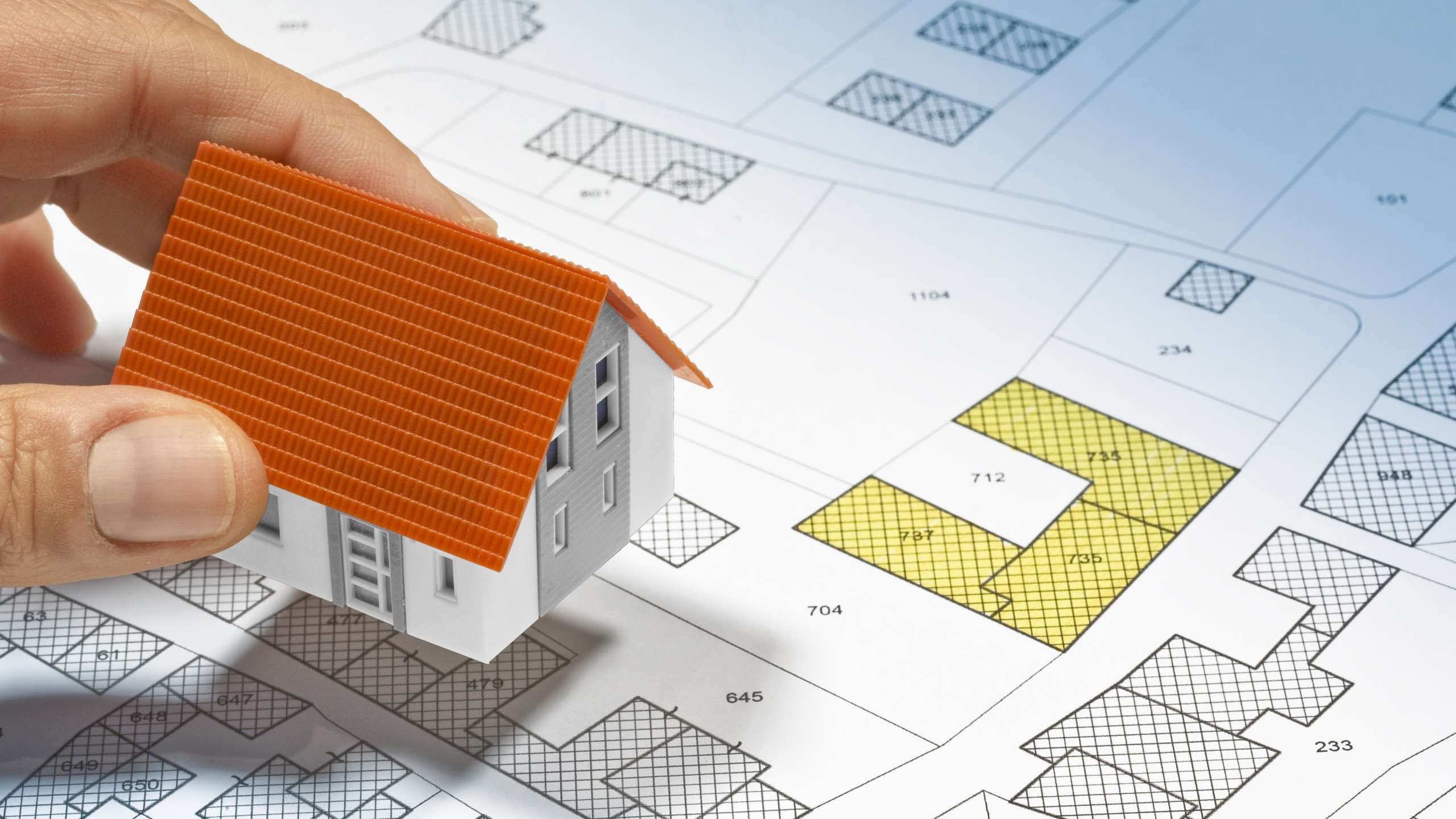
TL;DRProperty overhang and unsold property aren't the same thing in Malaysia. Overhang means completed units with CCC that remain unsold for more than 9 months after launch. All overhang units are unsold, but not all unsold units are overhang. This difference helps buyers judge risk and negotiate smarter. Property showrooms in Malaysia can be tricky to read. Every unit sounds like it is “almost sold out”, yet somehow, there are still available units weeks later. Then come the headlines warning about property “overhang”, while developers call the same units “unsold” or “moving fast”. No wonder buyers get confused. The truth is simple: unsold property and overhang property are not always the same. Knowing the difference helps you look beyond sales banners, understand real market risk, and buy with better confidence. Top Key Takeaways They are not the same. Every overhang unit is unsold, but not every unsold unit is overhang. The 9-month rule matters. Property overhang usually refers to completed units with CCC that remain unsold for more than 9 months after launch. Unsold property is a wider term. It can include units that are not yet built, still under construction, or already completed. Overhang is more serious. It shows that a completed property is ready, but buyers are still not taking it up. Buyers can use this to negotiate. Developers with completed unsold units may be more open to rebates, legal fee waivers, furnishing packages, or better pricing. Table of contentsWhat "Unsold Property" Means in MalaysiaWhat Property Overhang Means and the 9-Month RuleThe Real Difference: A Buyer-Friendly BreakdownWhat the Latest NAPIC Data Tells BuyersHow Smart Buyers Can Use Overhang to Their AdvantageFinal Thoughts for BuyersFrequently Asked Questions (FAQs) What "Unsold Property" Means in Malaysia “Unsold property” is a broad term that refers to any residential unit that has been launched for sale but has not yet been bought, whether the project is not built, still under construction, or already completed. NAPIC separates unsold residential properties based on their construction stage. Some units may have building plan approval but have not started construction. Once a project is completed, a more specific category comes into play: Property overhang. In Malaysia, property overhang generally refers to completed units that have received the Certificate of Completion and Compliance (CCC) but remain unsold for more than 9 months after launch. So, unsold property is the wider category, while property overhang is only one part of it. This is why all overhang properties are unsold, but not all unsold properties are overhang. What Property Overhang Means and the 9-Month Rule Property overhang is a more specific and serious part of unsold property. According to NAPIC’s definition, overhang refers to completed properties that have received the Certificate of Completion and Compliance (CCC) but remain unsold for more than 9 months after launch. This means a unit must meet three conditions before it is counted as overhang. It must be physically completed, it must have received CCC, and it must still be unsold after more than 9 months from its launch date. This is why overhang is different from normal unsold stock. A unit that is still under construction may remain unsold for months, but it is not automatically considered overhang because the project is not completed yet. In contrast, overhang means the building is already finished and ready, but buyers still have not taken up the units. However, there is one important point to remember. In some recent property reports, the terms “overhang” and “unsold completed units” may appear to be used quite closely. That is why buyers should always check what definition is being used before judging the headline number. The Real Difference: A Buyer-Friendly Breakdown Here is the easiest way to remember it: All overhang properties are unsold, but not all unsold properties are overhang. The main difference depends on the stage of the property and how long it has remained unsold SituationIs It Unsold?Is It Overhang?Launched but still under constructionYesNoCompleted, but less than 9 months after launchYesNoCompleted, has CCC, unsold for more than 9 monthsYesYesCompleted luxury unit kept by developer intentionallyYesMay be overhang, but needs context This is why buyers should not treat every unsold unit as a warning sign. A unit that is still under construction may simply need more time to find buyers. But a completed unit with CCC that remains unsold for more than 9 months may point to a deeper issue, such as weak demand, poor location, high pricing, or too many similar units in the area. Most developers do not want to keep completed unsold units for too long because it affects cash flow and adds maintenance costs. For buyers, the key is simple: Do not only ask whether a unit is unsold. Ask why it is unsold. What the Latest NAPIC Data Tells Buyers The latest numbers show that Malaysia’s completed unsold units are rising again after several years of decline. According to the NAPIC Q3 2025 Property Market Report, Malaysia recorded 28,672 unsold completed residential units, worth about RM17.25 billion. The increase was mainly driven by condominiums, apartments, and serviced apartments. Serviced apartments also remain a major concern, with nearly 17,900 overhang units, mostly in the RM500,000 to RM1 million price range. PeriodResidential Overhang (units)Approx. Value202136,863RM22.79 billion202227,746RM18.41 billion202325,816RM17.68 billion1Q 202523,515RM15.00 billionQ3 202528,672RM17.25 billion Sources: NAPIC, The Edge Malaysia, EdgeProp, compiled. First, the oversupply is mainly in high-rise properties, especially condominiums, apartments, and serviced apartments. Second, the issue is no longer only about luxury homes. More unsold units are now found in the mid-range and “affordable” condo segment, especially units priced around RM200,000 to RM600,000. This shows that price alone does not guarantee demand. A property can still remain unsold if the location, layout, connectivity, pricing, or target buyer does not match the market. In Q3 2025, states with higher unsold completed residential units included Perak, Johor, and Sabah. Johor’s situation is partly linked to the earlier Iskandar development boom, where many units were built for demand that did not fully materialise. For buyers, the message is clear: Do not just look at whether a property is cheap. Look at whether people actually want to live, rent, or buy in that location. Expert insight: Dr Hassanudin Mohd Thas Thaker, Associate Professor at the Kulliyyah of Economics and Management Sciences, IIUM, attributes much of the overhang in growth states to aggressive development. He has explained that rapidly developing states see intense competition among local and foreign developers, which can lead them to adopt aggressive strategies that produce more housing units than actual regional demand can absorb. How Smart Buyers Can Use Overhang to Their Advantage Some buyers avoid overhang properties because they assume something must be wrong if the units are still unsold. But that is not always true. A completed unsold unit can also mean the developer is more motivated to sell. This is where buyers may have stronger room to negotiate. Depending on the project, developers may offer rebates, free legal fees, furnishing packages, lower upfront costs, or better pricing to clear remaining units. However, overhang does not mean every unit is a good deal. Buyers still need to separate a real opportunity from a bad purchase. Before signing, check these four things: Location fundamentalsIs the property close to jobs, public transport, schools, universities, shops, or major roads? A discount cannot fix a weak location. Why the unit is unsoldIf the issue is temporary oversupply in a strong area, it may be an opportunity. If the issue is poor location, wrong product, or weak demand, be careful. Rental demandIf you are buying for investment, check whether people actually want to rent in that area. Do not rely only on developer promises. Nearby competitionIf there are many similar unsold units nearby, rental and resale competition may remain high. For buyers, the goal is not to buy just because the unit is cheaper. The goal is to understand why it is unsold, whether the location still has demand, and how much room you have to negotiate. Final Thoughts for Buyers The difference between unsold property and property overhang is not just a technical term. It helps buyers understand what is really happening in the market. Unsold property refers to the wider pool of available units, while property overhang refers to completed units with CCC that have remained unsold for more than 9 months after launch. For buyers, this difference matters. It can show which locations or property types may be oversupplied, while also giving buyers more room to negotiate with developers. Before making a decision, look beyond the sales banner. Read the data, ask which definition a headline is using, and you'll move through Malaysia's property market with clarity instead of FOMO. Frequently Asked Questions (FAQs) What is property overhang in Malaysia? Property overhang refers to completed properties that have received CCC but remain unsold for more than 9 months after launch. Is property overhang the same as unsold property? No. All overhang properties are unsold, but not all unsold properties are overhang. Unsold property is the wider category. What is considered an unsold property? An unsold property is any launched residential unit that has not been bought yet. It can be not built, under construction, or already completed. Should buyers worry about property overhang? Buyers should be cautious, but not panic. Overhang may signal weak demand, poor location, high pricing, or oversupply in the area. Can buyers get better deals from overhang properties? Yes, sometimes. Developers with completed unsold units may offer rebates, free legal fees, furnishing packages, or better prices to clear stock. Not sure whether an unsold unit is a good deal or a red flag? Let IQI’s property experts help you compare the project, location, pricing, rental demand, and negotiation potential before you decide. Explore better property opportunities in Malaysia with IQI today. [custom_blog_form] Continue Reading: What is Debt-To-Service Ratio (DSR) in Malaysia & How It Affects Your Home Loan Why My Housing Loan Got Rejected in Malaysia? (Reasons Explained) 7 High Rental Potential Properties in Kepong Investors Should Watch in 2026 References Au, F. Y. (2023, June 7). The REAL deal: Give timely granular analysis on property overhang. The Edge Malaysia. https://theedgemalaysia.com/node/669968 Bernama / Garasi. Shaza Al Muzayen & Fahmi Abdul Aziz. (2023, October 20). Demystifying the issues behind Malaysia's overhang & unsold residential properties. https://garasi.bernama.com/stories/demystifying-the-issues-behind-malaysias-overhang-unsold-residential-properties EdgeProp.my. (2025, September 29). Malaysia's housing overhang shifts to mid-range and 'affordable' condos. https://www.edgeprop.my/content/1913910/malaysia%E2%80%99s-housing-overhang-shifts-mid-range-and-%E2%80%98affordable%E2%80%99-condos IQI Global. (2026). NAPIC Q3 2025: What does it mean to the Malaysian property market? https://iqiglobal.com/blog/napic-q3-2025/ MyRumahBaru. (2026, April 3). Malaysia property market 2026: What the data is really telling us. https://www.myrumahbaru.com/blog/malaysia-property-market-2026-what-the-data-is-really-telling-us Ng, P. L. (2018, October 19). What do the "unsold" and "overhang" numbers mean in the residential property market? StarProperty. https://www.starproperty.my/news/what-do-the-unsold-and-overhang-numbers-mean-in-the-residential-property-market-/108171 REHDA Institute. (2024). Summary: NAPIC Property Market Report 2023. https://rehdainstitute.com/wp-content/uploads/2024/07/Summary_NAPIC-Property-Market-Report-2023.pdf The Star. (2025, September 20). The sticky stats of overhang properties. https://www.thestar.com.my/business/insight/2025/09/20/the-sticky-stats-of-overhang-properties The Vibes. (2025, September 10). Unsold completed homes rise 16 percent, but experts confident situation under control. https://www.thevibes.com/articles/business/112612/

Global real estate is entering a more selective phase in 2026. As interest rates stabilise and inflation pressures gradually ease, investors are shifting their attention towards markets supported by infrastructure investment, population growth, and genuine end-user demand. Rather than chasing short-term momentum, capital is increasingly flowing into locations with strong long-term fundamentals. The Middle East Remains a Core Allocation The Middle East continues to attract global investor interest, particularly in Dubai and Saudi Arabia. Dubai remains one of the world's most liquid international property markets, supported by business migration, population growth, and a favourable tax environment. While price growth is moderating, the market continues to benefit from strong long-term demand. Saudi Arabia also remains a standout market, driven by Vision 2030 reforms, infrastructure investment, and expanding housing demand. Cities such as Riyadh continue to attract both local and international investors as the kingdom diversifies its economy and accelerates urban development. Southeast Asia Benefits from Infrastructure Growth Across Southeast Asia, infrastructure remains one of the strongest investment themes. In Malaysia, projects such as the RTS Link, Johor-Singapore Special Economic Zone, and transit-oriented developments continue creating opportunities in well-connected locations. Vietnam is entering a more disciplined market cycle, with investors focusing on quality developments, legally secure projects, and long-term urban growth. Meanwhile, Bali continues attracting investors seeking rental income opportunities, although buyers are becoming more selective as supply increases in certain areas. India Continues to Deliver Long-Term Growth India remains one of Asia's most resilient real estate markets, supported by economic expansion, technology sector growth, and strong domestic demand. Cities such as Bengaluru and Hyderabad continue benefiting from corporate expansion, infrastructure investment, and rising demand for quality residential and commercial properties. The combination of population growth, urbanisation, and increasing institutional participation continues to strengthen India's long-term investment outlook. Outlook The second half of 2026 is expected to favour disciplined investors who focus on quality assets and market fundamentals. The Middle East offers stability and liquidity, Southeast Asia benefits from infrastructure-led growth, and India continues to deliver strong long-term demand. Across all markets, the strongest opportunities are likely to emerge in locations supported by real economic activity, connectivity improvements, and sustainable population growth rather than short-term speculation. Discover More HereDownload

Vietnam's property market continues to present a mixed but encouraging picture in 2026. While Hanoi's retail property sector is undergoing a period of adjustment, Ho Chi Minh City's residential market remains resilient, supported by limited supply, strong demand, and improving infrastructure connectivity. The contrasting performance between the two cities highlights the importance of market selection as investors navigate Vietnam's evolving real estate landscape. Hanoi's Retail Market Faces Adjustment Hanoi's prime retail corridors continue experiencing pressure as changing consumer behaviour and the growth of e-commerce reshape demand for traditional street-front retail space. Vacancy levels have become more noticeable in several key commercial areas as landlords and tenants adjust to shifting market conditions. The correction has also impacted retail-linked residential assets, with demand softening compared to previous years. Rental rates for townhouses across several submarkets have declined from their recent peaks, reflecting a more cautious operating environment for retailers and property owners. Despite these short-term challenges, Hanoi remains an important commercial centre, and the current adjustment may create opportunities for well-capitalised investors focused on long-term value. Ho Chi Minh City Continues to Lead Residential Growth In contrast, Ho Chi Minh City's residential market remains one of Vietnam's strongest-performing sectors. Limited new supply, improving infrastructure, and sustained buyer demand continue supporting price growth across the city. Average apartment prices in central Ho Chi Minh City reached new highs during the first quarter of 2026, driven largely by high-end and luxury developments. The shortage of mid-market housing options has also contributed to upward pressure on prices. Growth is not limited to the city centre. Formerly independent areas such as Binh Duong and Ba Ria-Vung Tau continue benefiting from expanding infrastructure and stronger regional connectivity, supporting residential demand and investment activity throughout the wider metropolitan area. Infrastructure Continues to Support Long-Term Demand One of the strongest themes across Vietnam's property market remains infrastructure-led growth. Continued investment in transportation networks and urban expansion projects is improving accessibility between major economic centres and surrounding residential markets. As connectivity improves, suburban and emerging growth areas are becoming increasingly attractive to both homebuyers and investors seeking more affordable entry points and long-term appreciation potential. Outlook Vietnam's property market is expected to remain supported by urbanisation, infrastructure investment, and long-term housing demand. While Hanoi's retail sector may continue adjusting to changing consumer trends, Ho Chi Minh City's residential market is likely to remain resilient due to limited supply and strong buyer interest. For investors, opportunities increasingly lie in understanding the differing dynamics between cities and focusing on markets supported by strong economic and infrastructure fundamentals. Download to see insights from other country marketsDownload
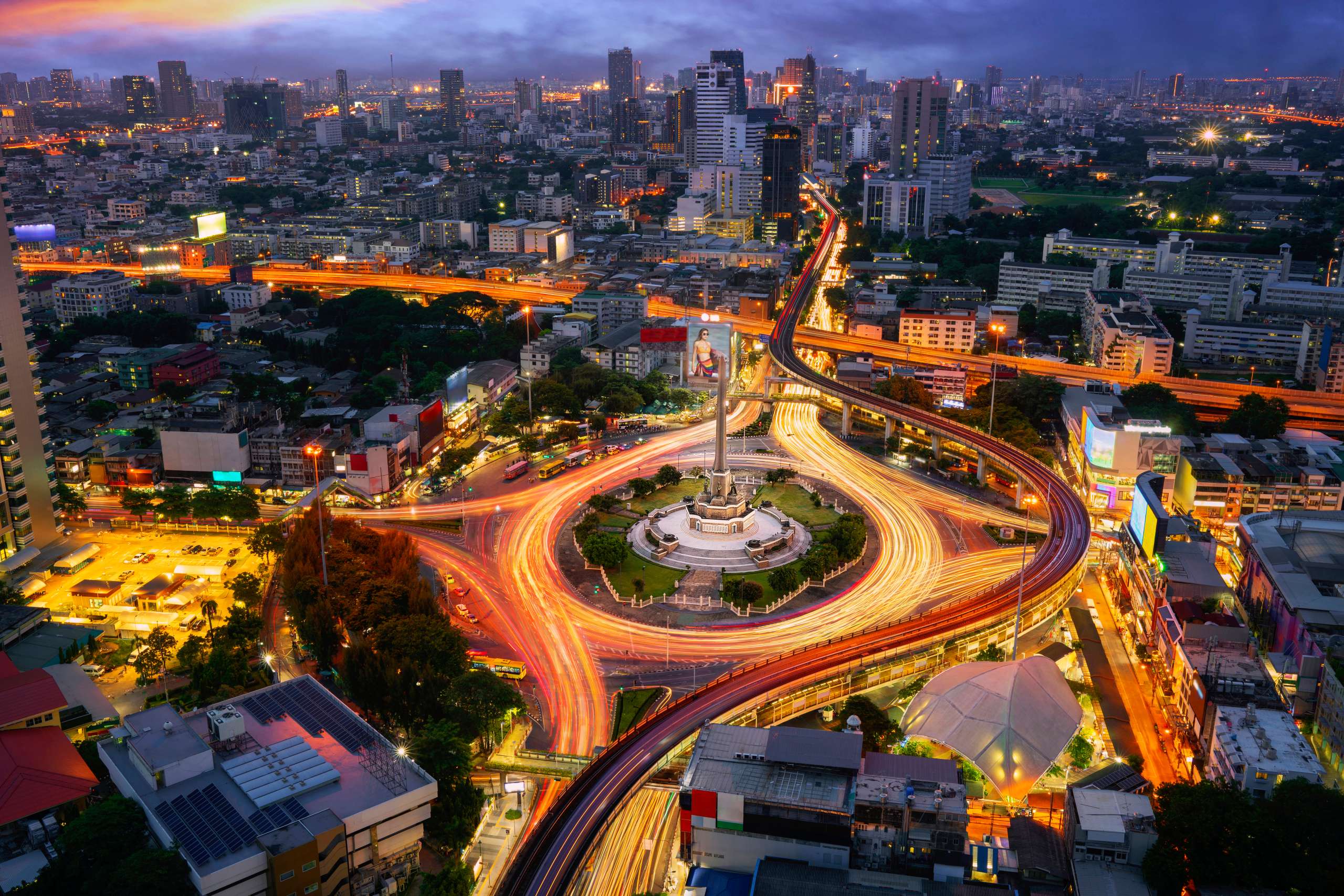
Thailand is increasingly positioning itself as one of Asia's emerging wealth destinations, supported by a growing population of high-net-worth individuals, strong tourism recovery, and rising demand for premium lifestyle properties. As global wealth becomes more mobile, Thailand is attracting investors and affluent buyers seeking both lifestyle benefits and long-term investment opportunities. Rising Wealth Supports Luxury Property Demand A key trend shaping Thailand's property market is the rapid growth of its ultra-wealthy population. According to recent forecasts, the number of ultra-high-net-worth individuals in Thailand is expected to grow significantly over the coming decade, making it one of Asia's fastest-growing wealth markets. This growth is supporting demand for luxury residences, branded developments, wellness-focused properties, and high-end lifestyle assets, particularly among both local and international buyers. Bangkok and Phuket Remain Key Investment Destinations Thailand's strongest luxury property demand continues to be concentrated in Bangkok, Phuket, and Samui. Bangkok remains the country's financial and business hub, while Phuket and Samui continue attracting buyers seeking resort-style living, second homes, and long-term lifestyle investments. Demand is particularly strong for branded residences, waterfront homes, wellness communities, and premium condominiums, reflecting changing buyer preferences towards quality living environments and long-term value. Lifestyle and Mobility Drive Buyer Decisions One of the most important emerging trends is the concept of "Ultra Mobility", where wealthy individuals choose to live, work, and invest across multiple countries. Thailand benefits from this trend due to its lifestyle appeal, healthcare system, wellness offerings, hospitality sector, and relatively attractive cost of living compared to many global cities. The country's strong tourism sector, growing family office presence, and expanding luxury services ecosystem are also helping strengthen its position as a regional wealth and investment destination. Outlook Thailand's luxury property market is expected to remain well-supported throughout 2026. Rising regional wealth, tourism recovery, and growing international demand should continue benefiting premium residential developments in Bangkok, Phuket, and Samui. As more affluent buyers prioritise lifestyle, wellness, and long-term residency options, Thailand is becoming increasingly attractive as both a wealth destination and a luxury real estate investment market. Download to see insights from other country marketsDownload
Ready to get started?
Get in touch now.