

Team Leader (Subsales) ∙ United
Stephanie Yap
REN20525
Team Leader (Subsales) ∙ United
Stephanie Yap
REN20525
About Stephanie Yap
Leveraging market knowledge and negotiation skills to deliver exceptional results. Your real estate success is my priority. Ready to make your real estate dreams a reality? Let's chat. Your dream home awaits.
4 years at IQI
133 transactions
115 properties on sale
59 properties on rent
Contact Stephanie Yap
Stephanie Yap Social Links
No social links available.
Stephanie Yap's Service Locations
Stephanie Yap's Service Locations
My Listings
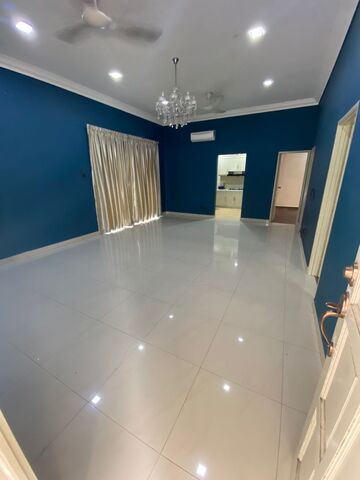
Taman Riveria Perdana
Lorong Riveria 4
RM 1,400 /month
Listed on September 19, 2026
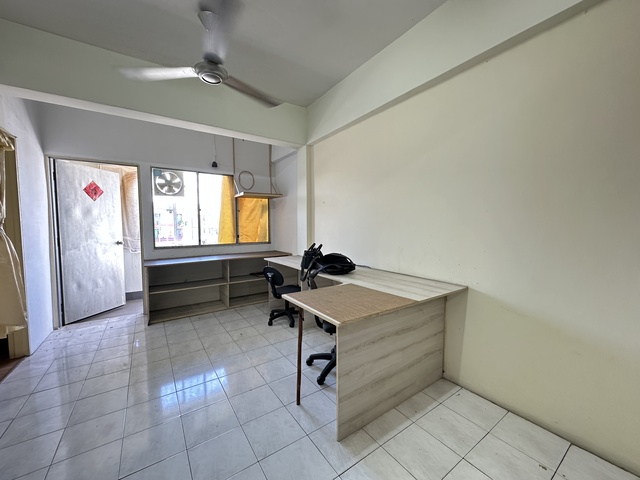
Taman Sentosa
Jalan Dato Yusof Shahbudin 30
RM 950 /month
Listed on August 26, 2026
Bayu Villa Apartment, Bayu Perdana
Jalan Batu Unjur
RM 1,300 /month
Listed on August 21, 2026
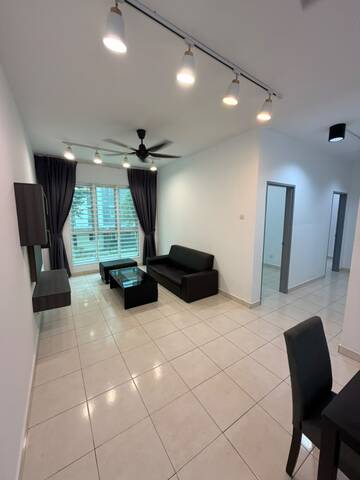
Asteria Apartment @ Bandar ParkLand
Bandar Parklands Klang
RM 1,300 /month
Listed on June 15, 2026
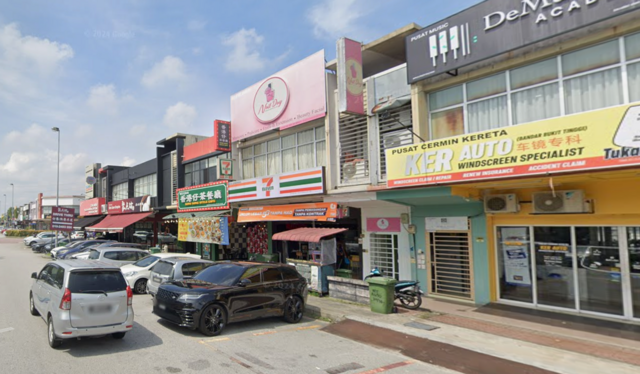
BANDAR BOTANIC, KLANG
Jalan Mahogani 1
RM 6,500 /month
Listed on July 8, 2026
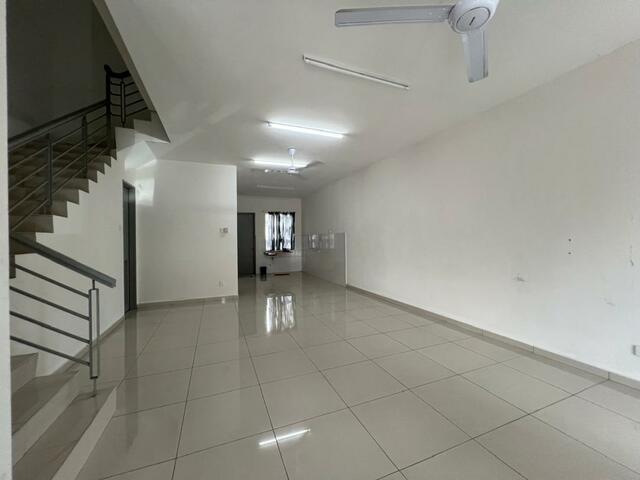
Taman Sri Jaromas
Jalan 3/10
RM 550,000
Listed on October 8, 2025

Jalan Setia Utama U13/37M
Jalan Setia Utama U13/37M
RM 1,200,000
Listed on April 8, 2025
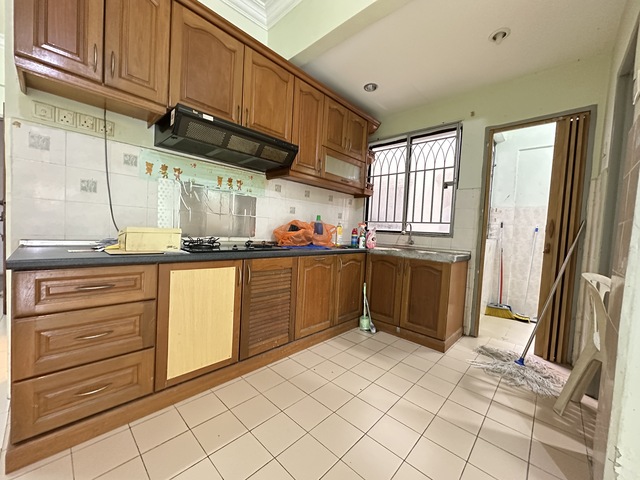
Vista Bayu Apartment, Taman Bayu Perdana
Jalan Batu Unjur 9
RM 1,200 /month
Listed on April 15, 2026
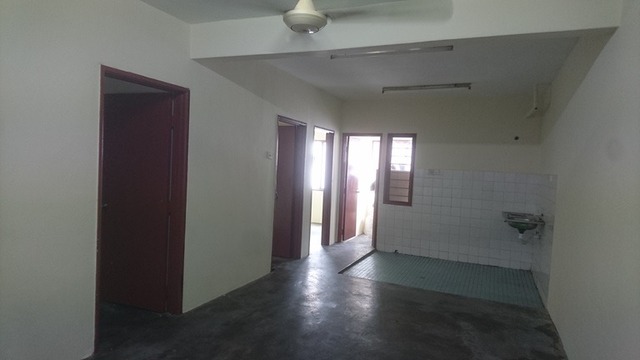
Sri Nervillia Apartment (Pangsapuri Sri Nervillia)
Jalan Anggerik Nervillia 31/166, Kota Kemuning
RM 850 /month
Listed on July 22, 2025
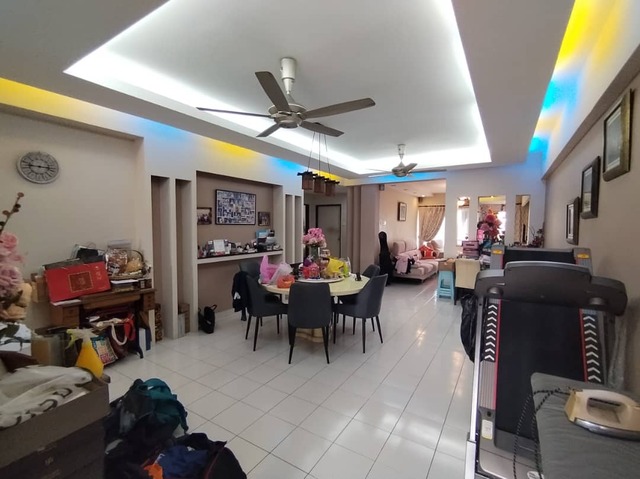
La Vista
Jalan Tempua 2, Bandar Puchong Jaya
RM 449,980
Listed on June 24, 2025
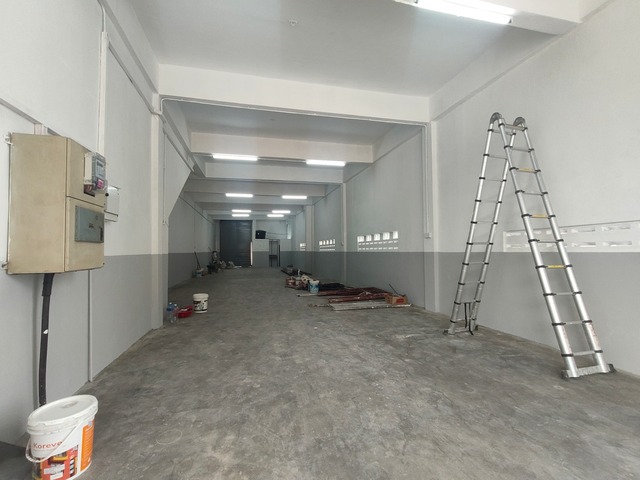
Taman Perindustrian Pandamaran
Pandamaran
RM 5,600 /month
Listed on August 14, 2026
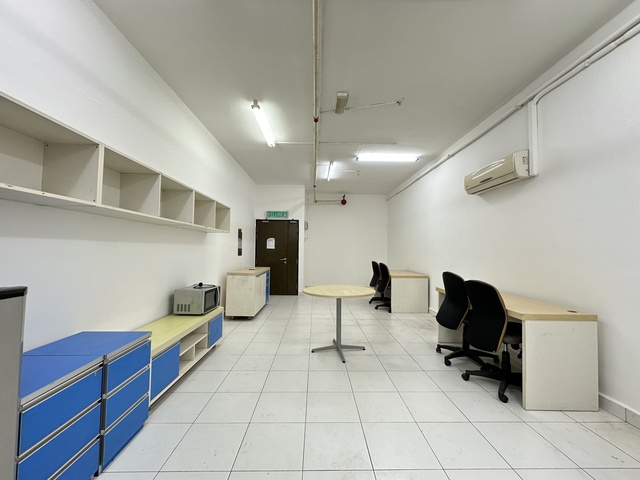
Avenue Crest
Section 22, Batu Tiga, Shah Alam
RM 1,050 /month
Listed on April 16, 2026
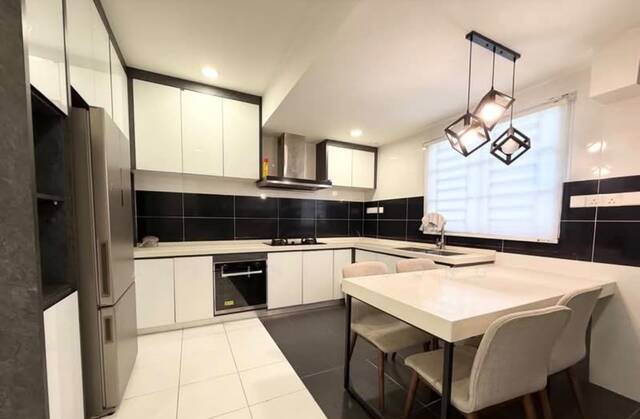
Bandar Botanic
Jalan Akasia
RM 3,000 /month
Listed on August 21, 2026

Taman Sentosa
Jalan Dato Abdul Hamid 16
RM 535,000
Listed on February 15, 2025
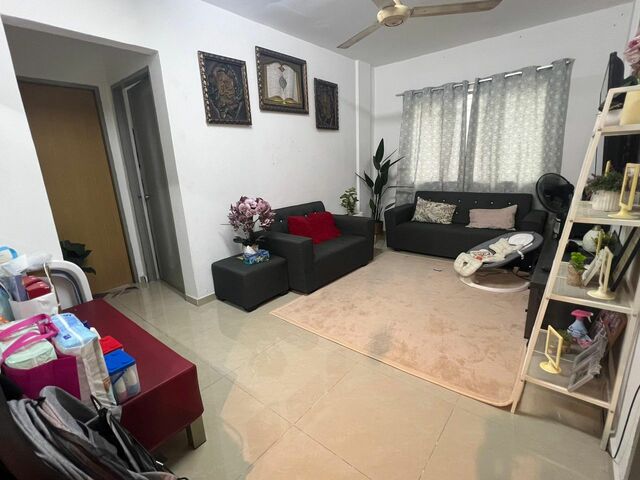
Bandar Bukit Tinggi 1 Apartment
Jalan Batu Nilam 15
RM 199,980
Listed on April 21, 2026
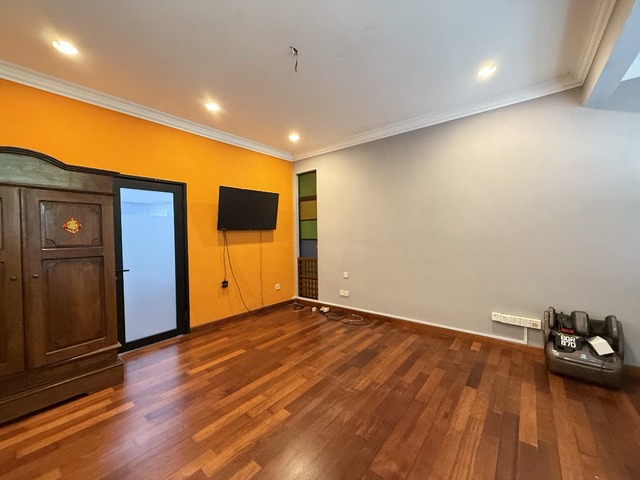
Persiaran Anggerik Aranda
Persiaran Anggerik Aranda
RM 1,200,000
Listed on October 14, 2025
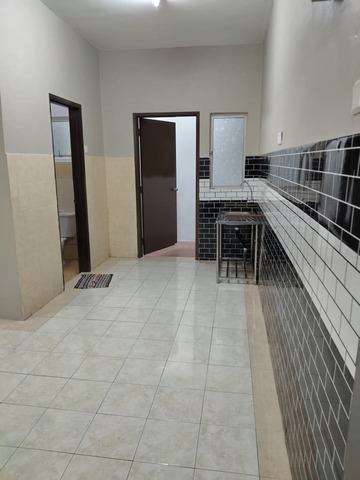
Bayu Villa Apartment, Bayu Perdana
Jalan Batu Unjur
RM 279,980
Listed on March 9, 2026

Golden Villa Apartment
Jln Temenggung 37, Taman Sentosa Perdana
RM 230,000
Listed on April 16, 2024
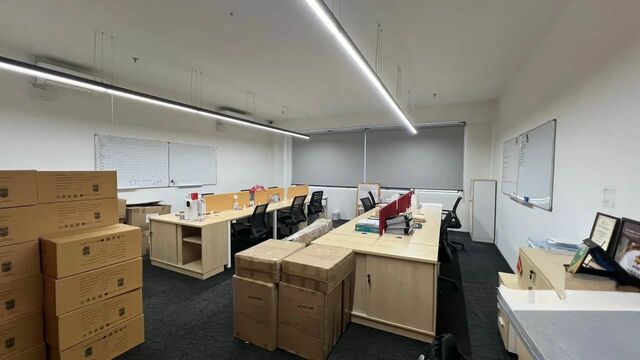
Sunsuria Forum @ 7th Avenue
Jln Setia Dagang AL U13/AL, Seksyen U13, Setia Alam
RM 450,000
Listed on June 28, 2026
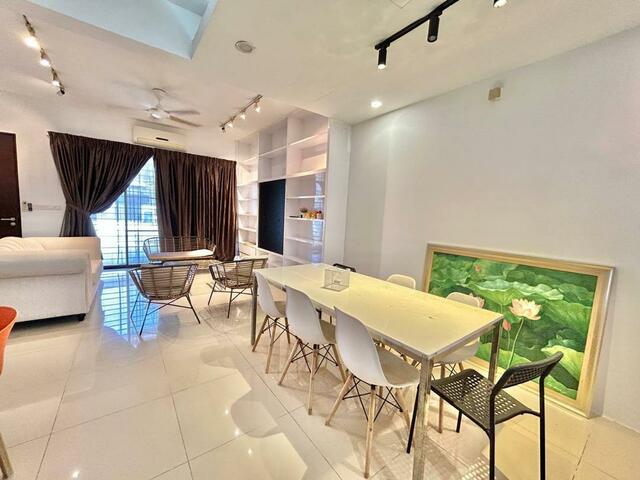
Ken Rimba
Jalan Lengkuas, Rimba Jaya
RM 649,980
Listed on December 14, 2025
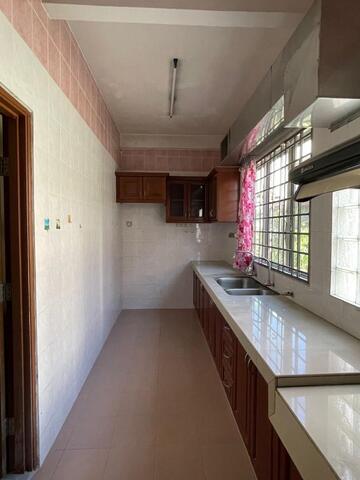
Taman Bayu Perdana
Jalan Sambau
RM 580,000
Listed on August 4, 2026

Taman Sentosa
Jalan Temenggung 37
RM 760,000
Listed on November 20, 2024
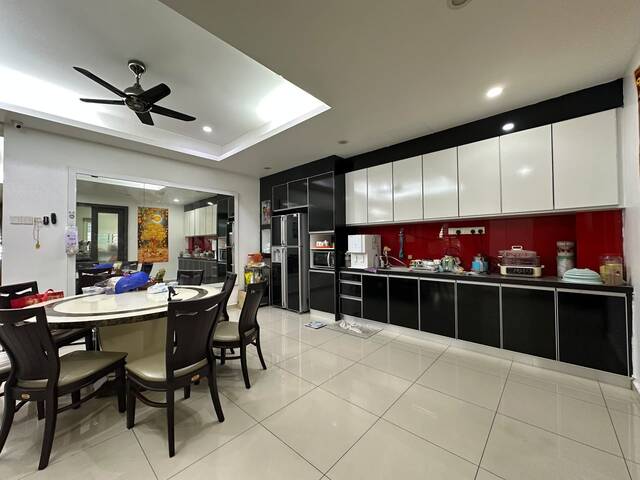
Bandar Parklands
Lorong Delima 16 Bukit Tinggi 3
RM 1,598,000
Listed on September 10, 2026
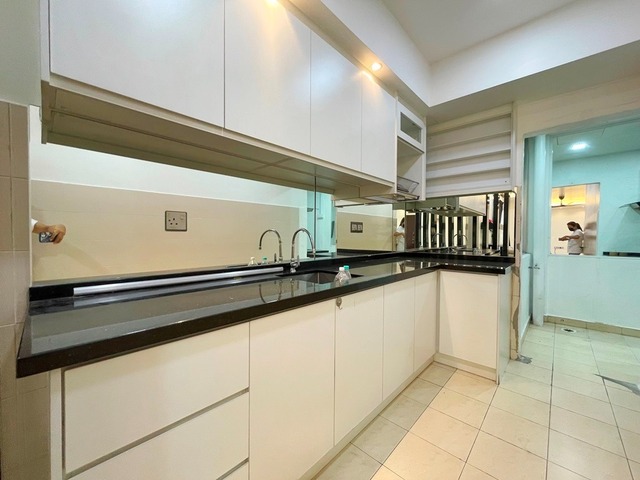
Pangsapuri Kasuarina
Bandar Botanik, Klang
RM 1,400 /month
Listed on April 23, 2026
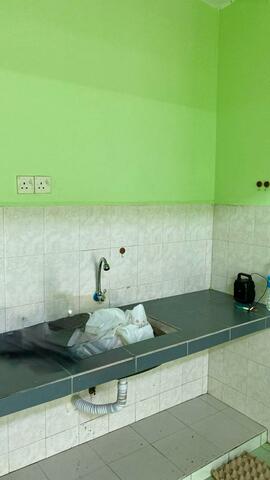
Bandar Bukit Tinggi 1 Shop Apartment
Lorong Batu Nilam 1B
RM 199,998
Listed on March 31, 2026
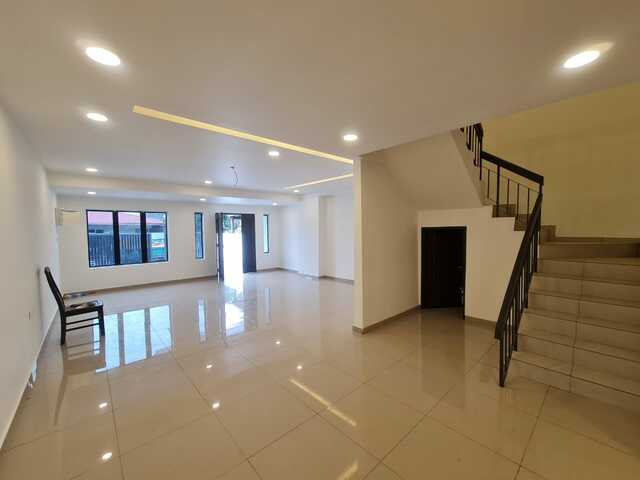
Bandar Puteri Klang
Jalan Pending
RM 635,000
Listed on October 19, 2025
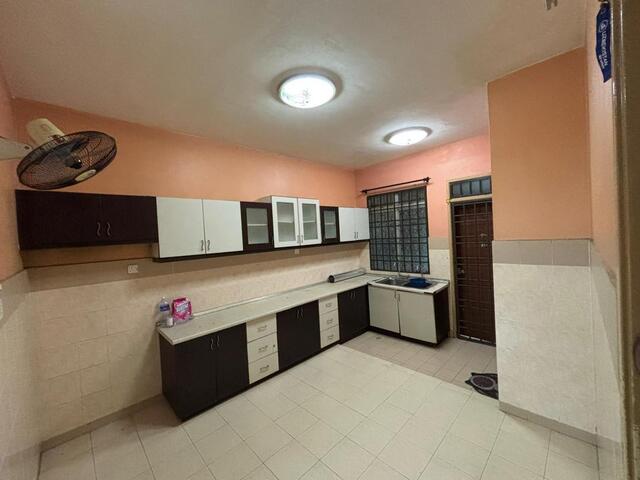
Bandar Parklands
Lorong Delima 4
RM 699,980
Listed on July 30, 2026
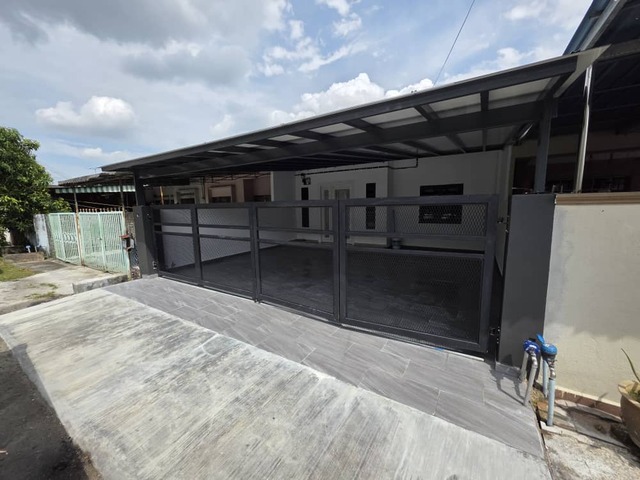
Taman Melawis (Taman Heng Luen)
Jalan Emas; Jalan Besi
RM 550,000
Listed on November 14, 2025
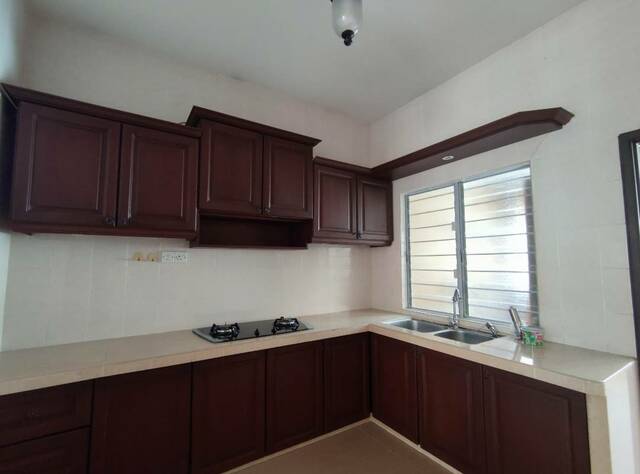
Bandar Botanic
Jalan Kiara
RM 679,000
Listed on January 9, 2026
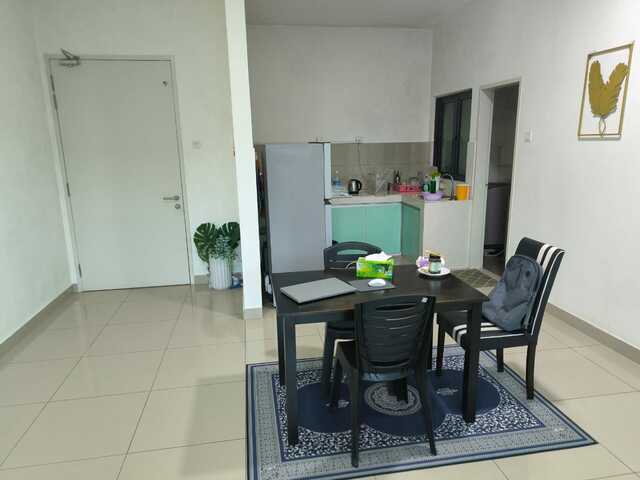
Parkhill Residence
Jalan Teknologi 1
RM 540,000
Listed on March 30, 2026
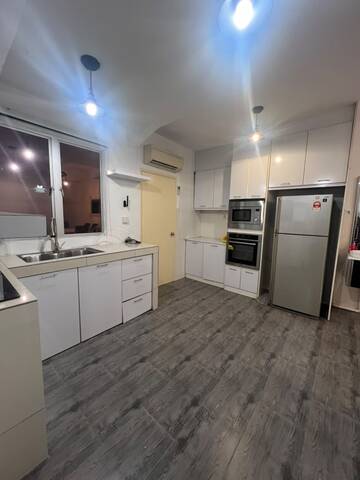
Bandar Botanic
Akasia
RM 2,800 /month
Listed on July 3, 2026
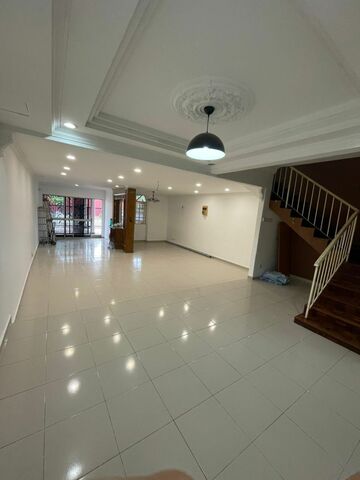
Taman Palm Grove
Leboh Siput
RM 619,980
Listed on October 30, 2025
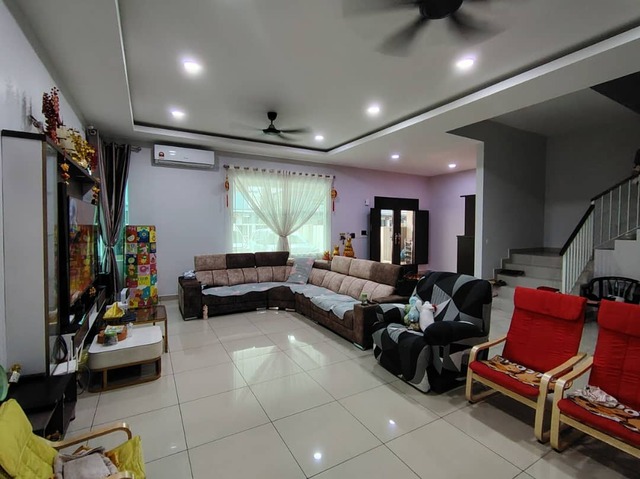
Canary Garden @Bandar Bestari
Bandar Bestari KSL
RM 1,680,000
Listed on August 11, 2026
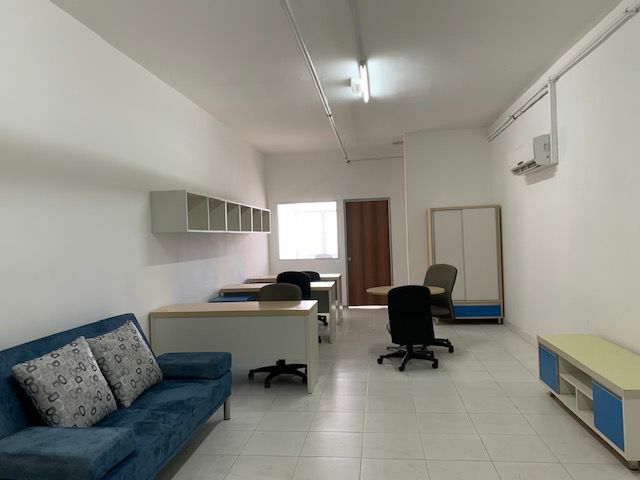
Avenue Crest
Section 22, Batu Tiga, Shah Alam
RM 1,200 /month
Listed on December 2, 2025
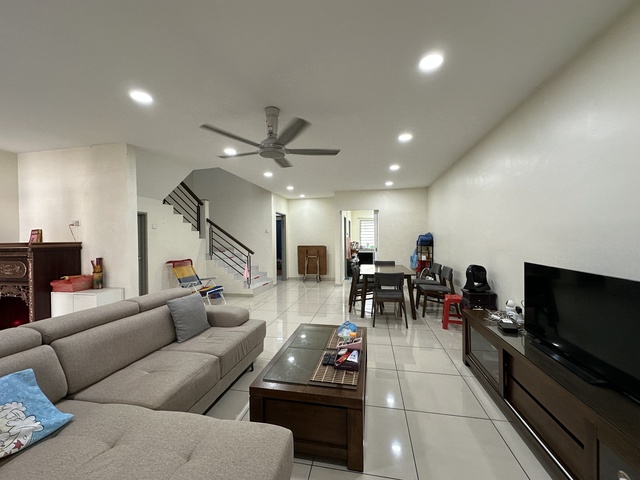
Taman Sri Jaromas
Jalan 3/4 Zinnia
RM 580,000
Listed on May 9, 2026
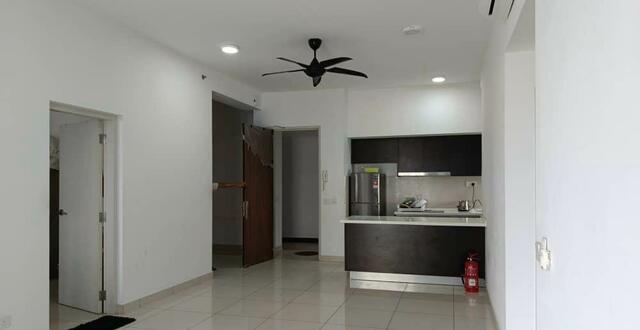
Setia City Residences @ Setia City
Jalan Setia Dagang AH U13/AH
RM 749,998
Listed on December 2, 2025

Riana South
Persiaran Alam Damai, 56000, Kuala Lumpur
RM 680,000
Listed on May 27, 2025
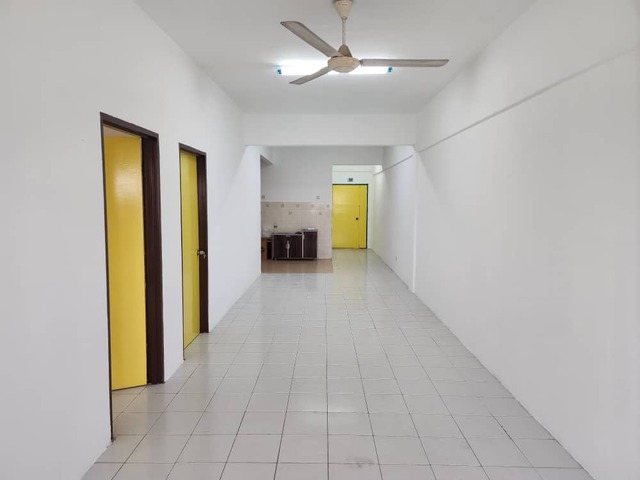
Prima Bayu
Jalan Batu Unjur 9
RM 309,980
Listed on November 9, 2025

SS2 Petaling Jaya
Jalan SS2
RM 17,000 /month
Listed on September 14, 2026
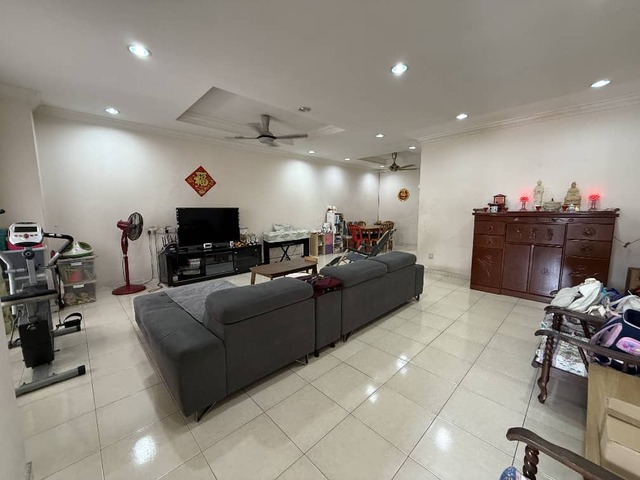
Teluk Pulai
Tepi Sungai
RM 705,000
Listed on September 22, 2025
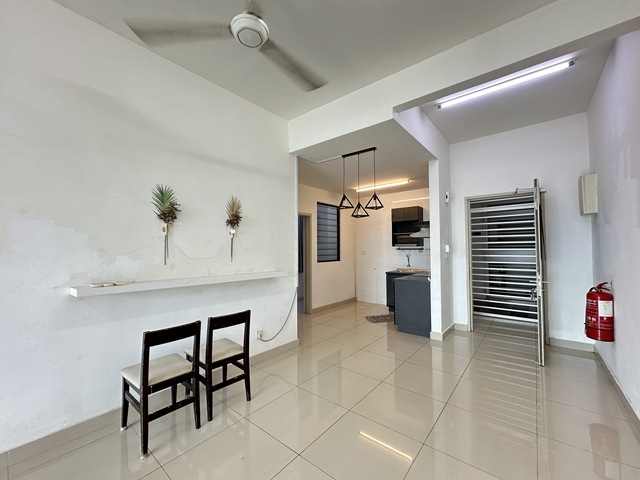
Skyvilla, D Island Residence
Persiaran Utara
RM 1,450 /month
Listed on April 16, 2026
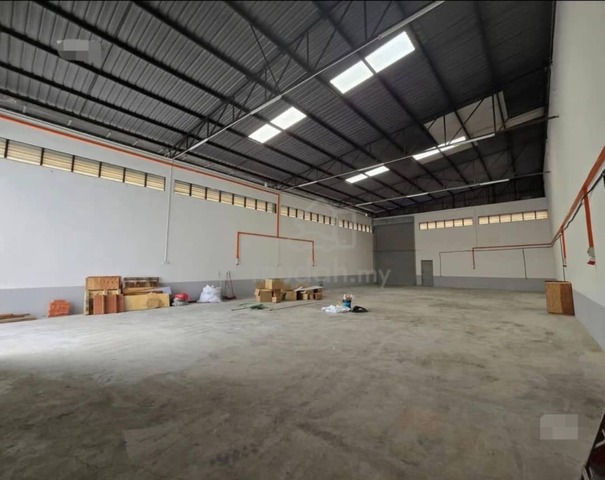
Taman Perindustrian Pandamaran
Sobena Jaya Pandamaran
RM 14,000 /month
Listed on August 14, 2026
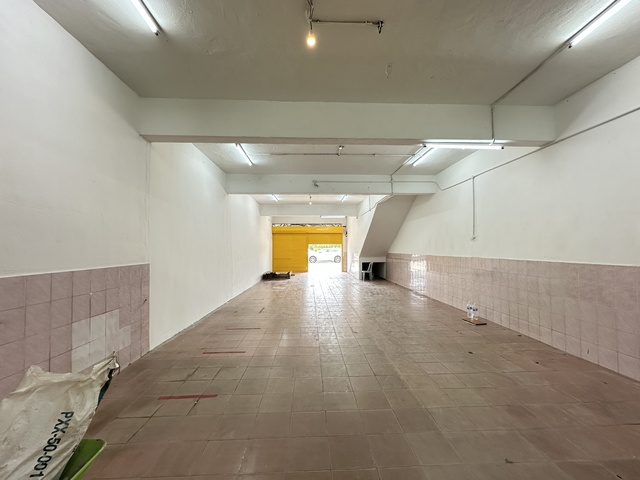
TAMAN PERWIRA, TPG
JALAN WIRA 2,TAMAN PERWIRA, TPG
RM 4,500 /month
Listed on July 27, 2026
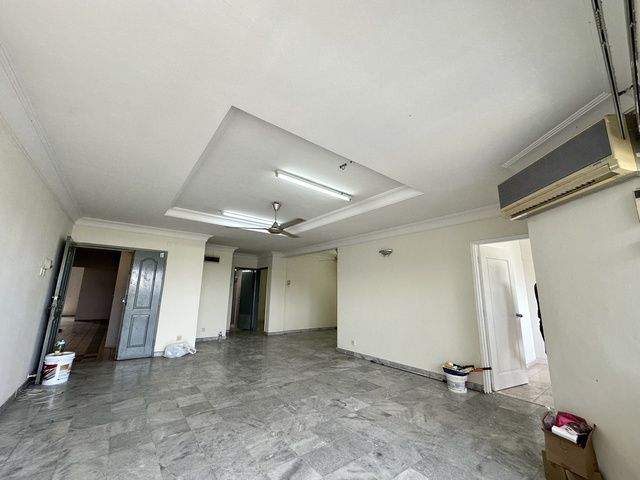
Endah Villa Condominium
Jalan 2/149B, Taman Sri Endah
RM 1,600 /month
Listed on August 24, 2026
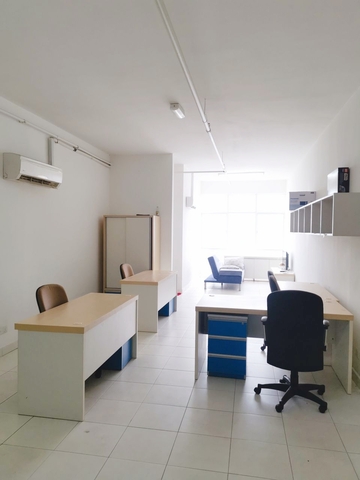
Avenue Crest
Section 22, Batu Tiga, Shah Alam
RM 210,000
Listed on March 30, 2026
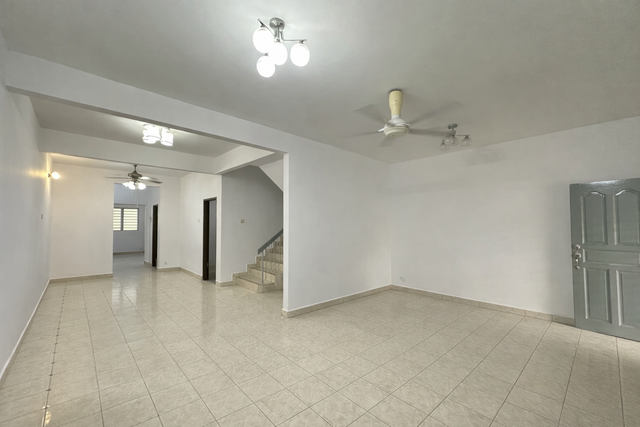
Bandar Parklands
Jalan Delima 4
RM 699,000
Listed on July 20, 2026
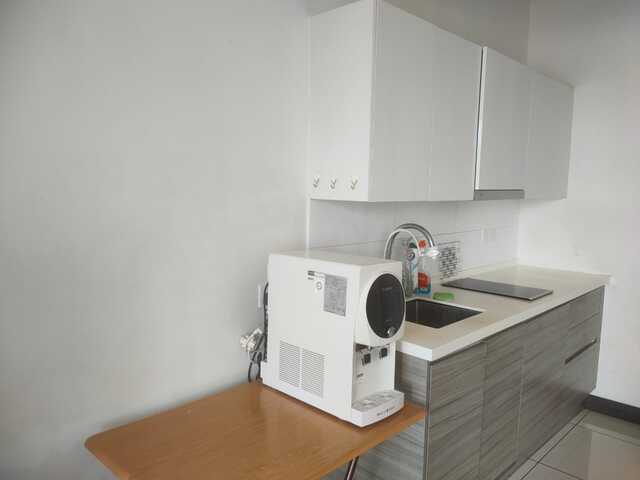
28 Boulevard (28 BLVD)
Jalan Perdana 3/10, Off Jalan Lingkaran Tengah 2 (MRR2)
RM 1,700 /month
Listed on July 31, 2026

Bandar Puteri Klang
Jalan Pending
RM 579,980
Listed on February 20, 2025

Apartment Hijau Ria
Jalan 2/1, Taman Kepong Indah
RM 288,000
Listed on February 25, 2025
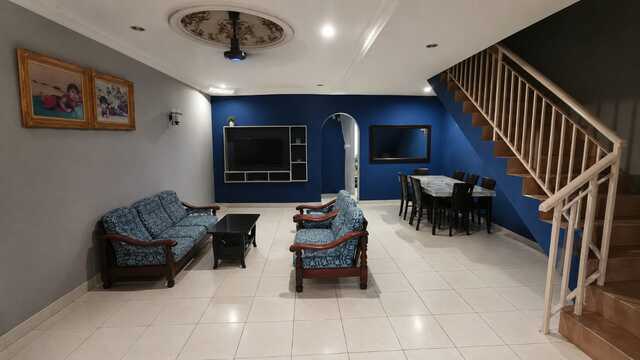
Taman Suria Pendamar
Jalan Selat Selatan 17/KS, Taman Suria Pendamar
RM 399,990
Listed on July 14, 2026
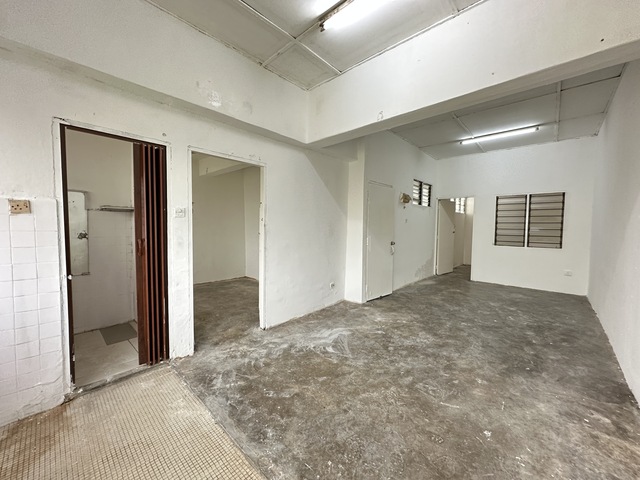
Taman Orkid Desa
Jalan 15a/142, Taman Orkid Desa
RM 700 /month
Listed on September 4, 2026
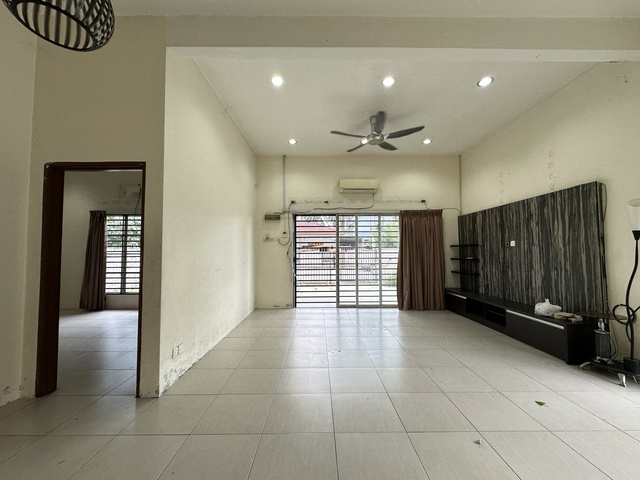
Taman Telok
Jalan Dendang
RM 1,200 /month
Listed on April 4, 2026
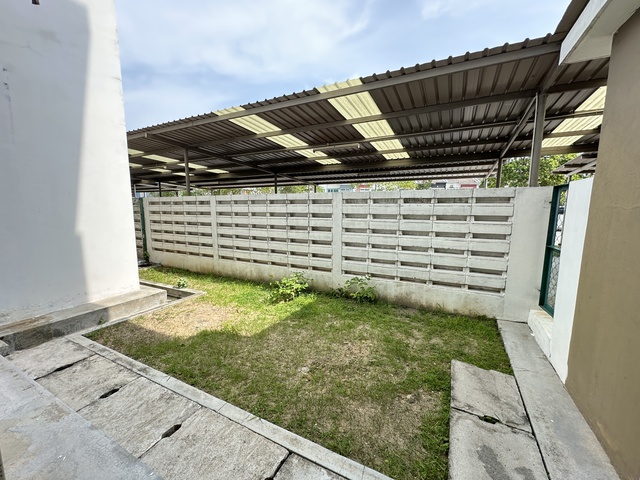
Laman Impian Bandar Botanic
Bandar Botanic Klang
RM 370,000
Listed on September 4, 2026
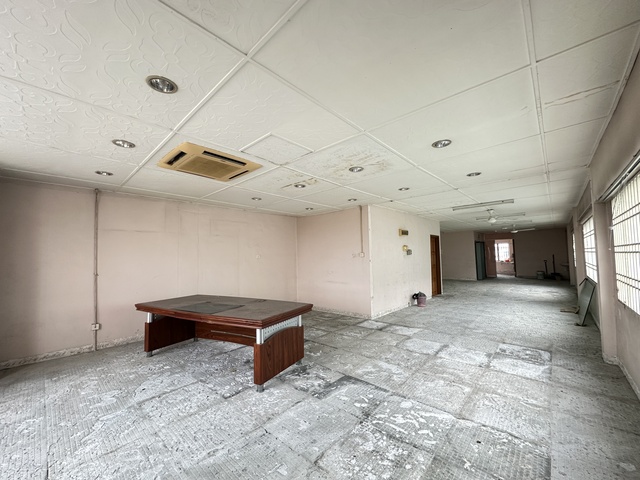
BAYU PERDANA
Jalan Batu Unjur 1
RM 800 /month
Listed on April 5, 2026

Pangsapuri Palma
Jalan Palma Raja 3/KS6, Bandar Botanic, Klang, 41200, Selangor
RM 155,000
Listed on August 29, 2024

Vista Indah Putra
Jalan Batu Unjur 8, 42000, Selangor
RM 270,000
Listed on November 20, 2024

Bayu Tinggi
Jalan Bayu Tinggi Klang, Selangor
RM 1,450,000
Listed on April 22, 2025
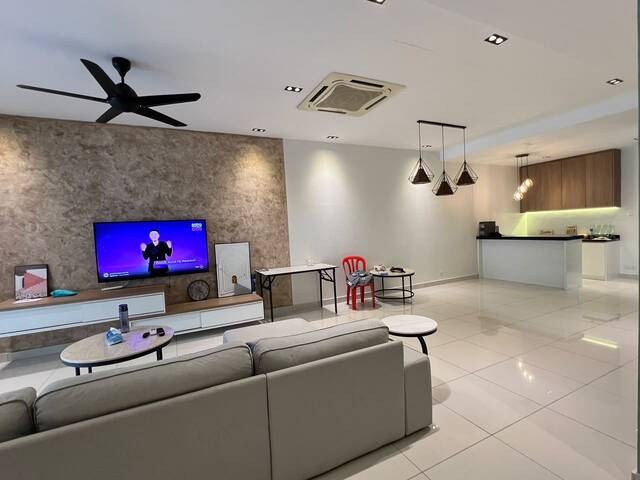
Tropicana Aman Bayan Residences
Jalan Aman Bayan, Bandar Tropicana Aman, 42500 Telok Panglima Garang
RM 880,000
Listed on September 20, 2026
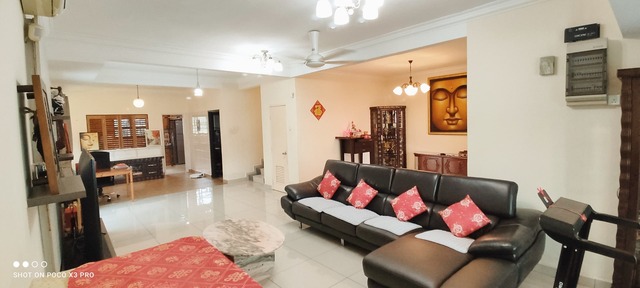
Bandar Botanic
Persiaran Botanic
RM 1,199,980
Listed on September 23, 2025

Taman Sungai Besi Indah
Jalan Sb Indah 1/5
RM 398,000
Listed on June 17, 2025
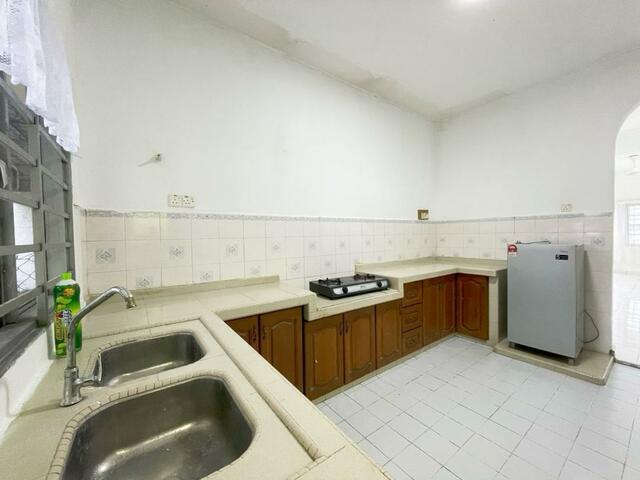
Taman Bayu Perdana
Jalan Batu Unjur
RM 500,000
Listed on July 1, 2025
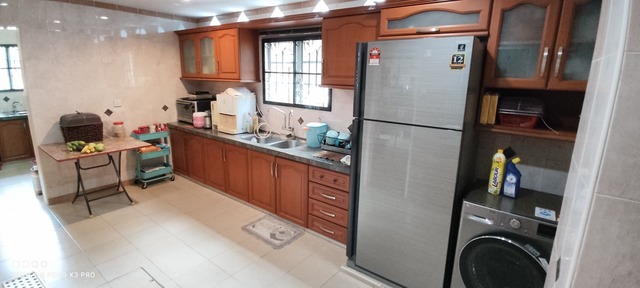
Bandar Botanic
Jalan Jenaris
RM 1,180,000
Listed on March 12, 2026
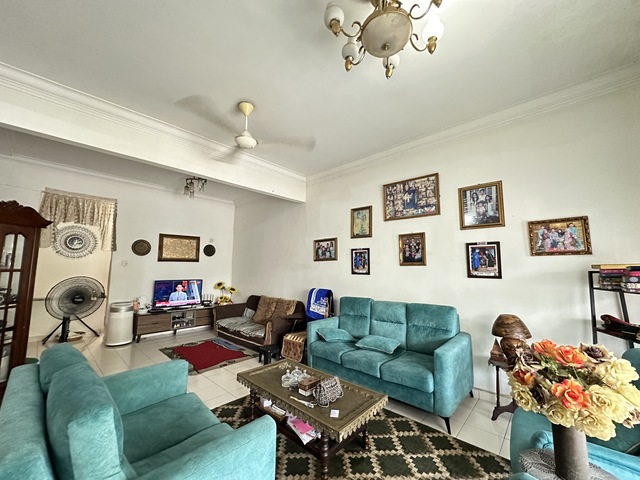
Bandar Puteri Klang
Jalan Sanggul
RM 580,000
Listed on May 23, 2024
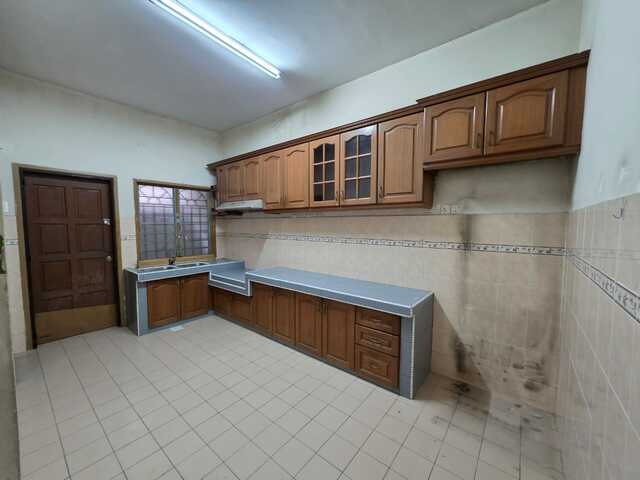
Bandar Puteri Klang
Jalan Pending
RM 499,980
Listed on January 19, 2026
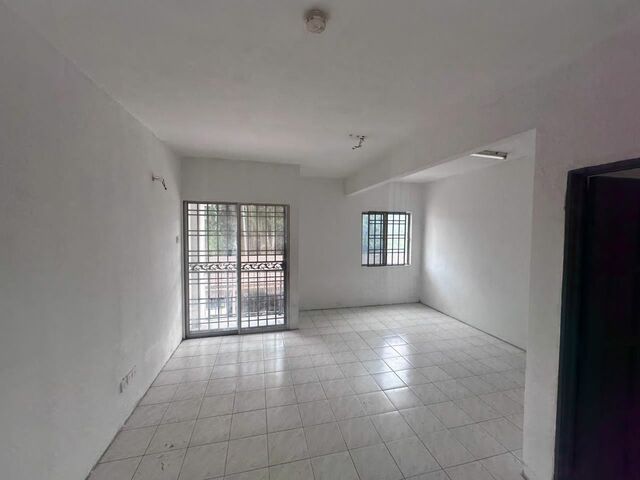
Golden Villa Apartment
Jln Temenggung 37, Taman Sentosa Perdana
RM 185,000
Listed on December 5, 2025
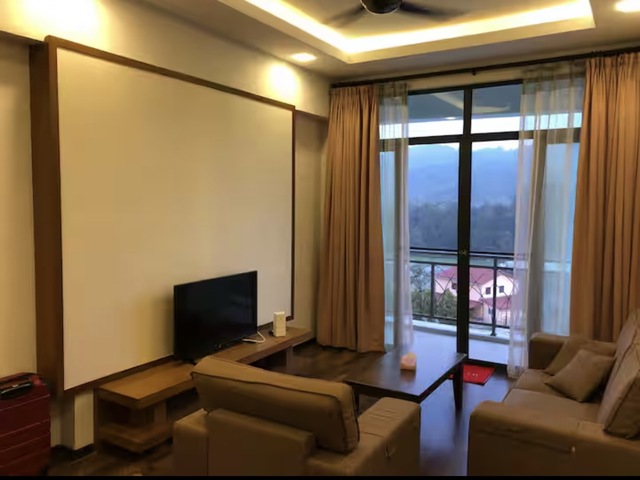
ARANDA NOVA @ CAMERON SQUARE
A-5-5, THE RETREAT, CAMERON SQUARE@ARANDA NOVA
RM 396,000
Listed on August 18, 2026
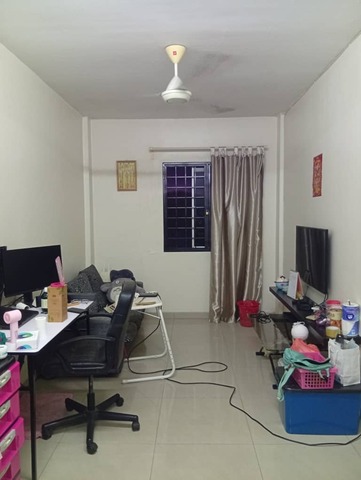
Pangsapuri Intan
Jalan Bukit Permai, Taman Bukit Permai
RM 238,000
Listed on June 24, 2025
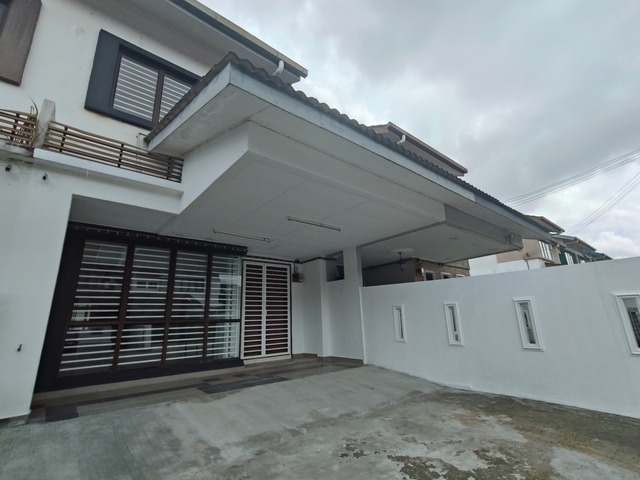
Bandar Puteri Klang
Jalan Gelang
RM 598,000
Listed on January 12, 2026

Taman Sejati 5
Lorong Bendahara
RM 495,000
Listed on June 10, 2025
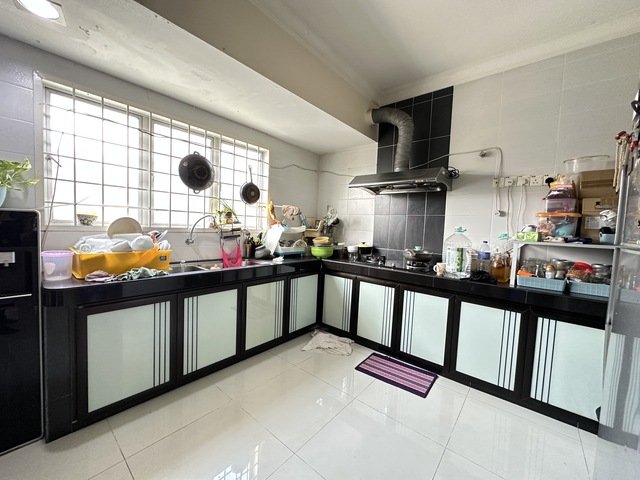
Bandar Bukit Tinggi
Lorong Batu Nilam 15
RM 1,600 /month
Listed on April 20, 2026
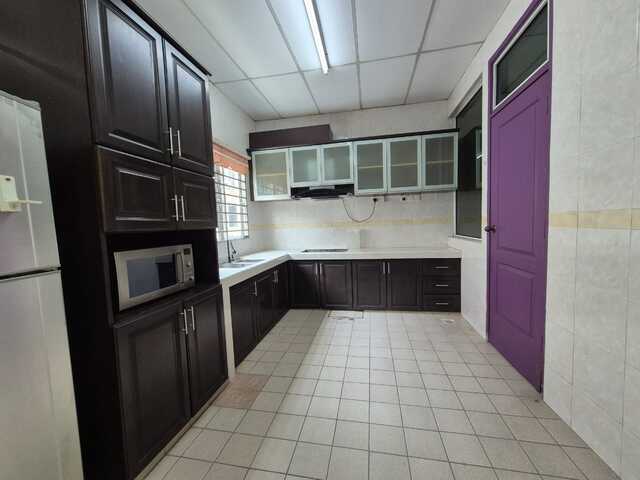
Bandar Parklands
Lorong Delima 4
RM 2,400 /month
Listed on July 31, 2026

Bandar Puteri Klang
Jalan Pending
RM 649,980
Listed on November 22, 2024
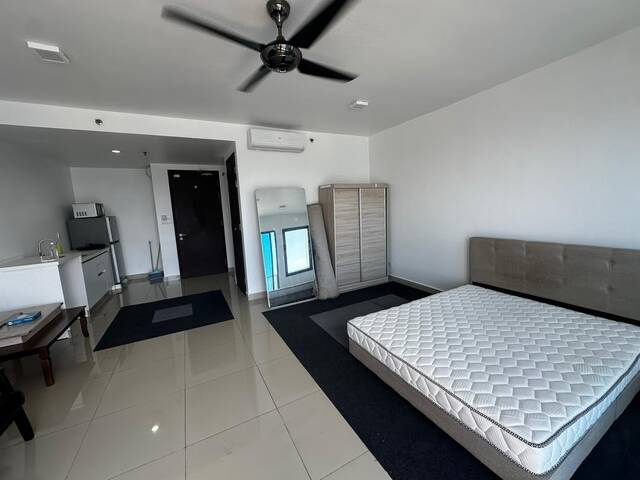
Trefoil Service Residence, Setia City
Jalan Setia Dagang AH U13/AH, Setia City
RM 1,200 /month
Listed on August 13, 2026

Bandar Puteri Klang
Jalan Sanggul
RM 649,800
Listed on June 23, 2023
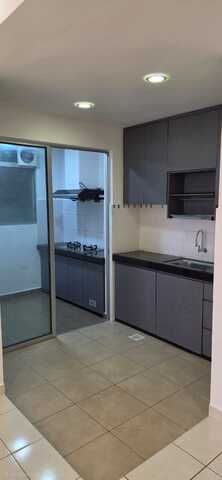
Trifolis Apartment
Jalan Batu Nilam 36/KS6
RM 1,450 /month
Listed on August 2, 2026
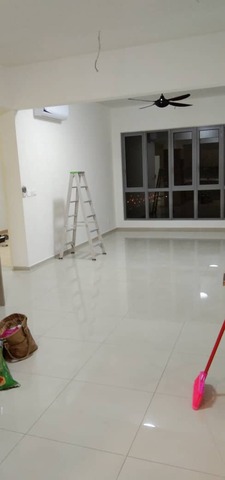
Gravit8 @ Klang South
Kota Bayuemas
RM 1,300 /month
Listed on August 21, 2026
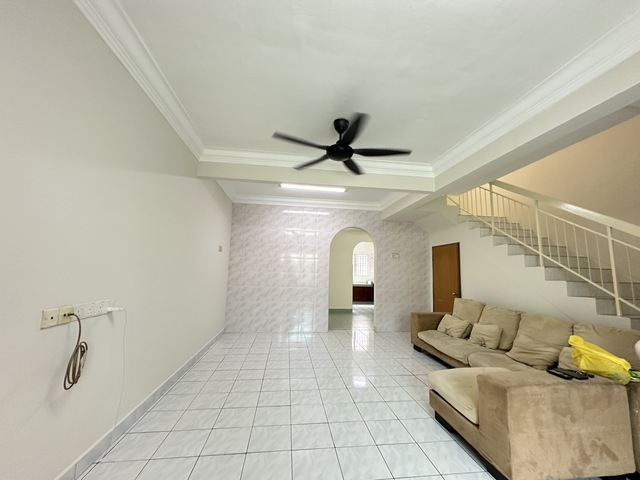
Bandar Bukit Tinggi
Lorong Batu Nilam 14
RM 580,000
Listed on February 5, 2026
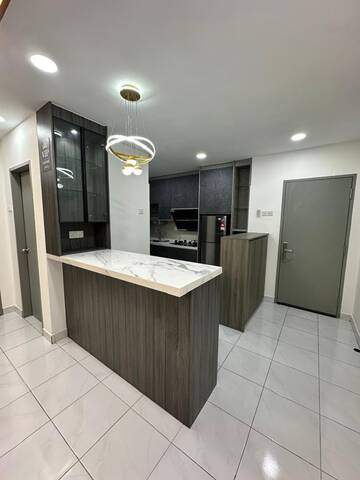
Trifolia Apartment
Jalan Samarinda Taman Saga
RM 1,700 /month
Listed on August 2, 2026

Eco Majestic
Lingkaran Eco Majestic
RM 1,200,000
Listed on June 4, 2025
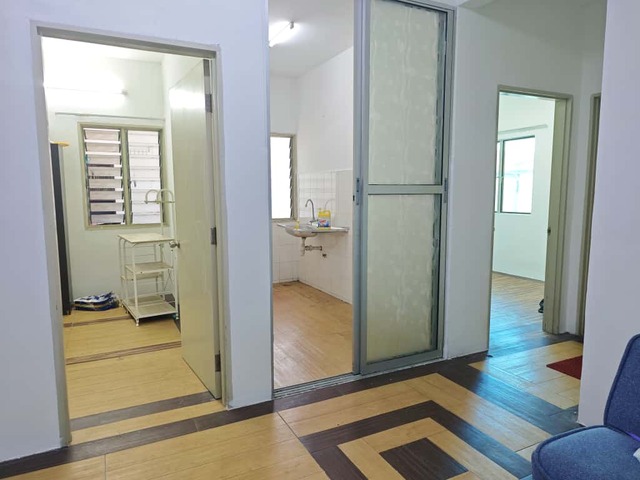
Pangsapuri Akasia, Bandar Botanic
Persiaran Kasuarina
RM 230,000
Listed on March 12, 2026
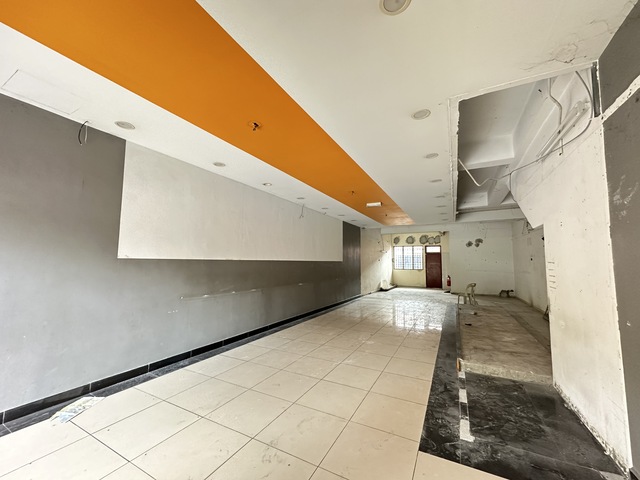
Telok Panglima Garang
Jalan Pahlawan 1
RM 2,300 /month
Listed on December 14, 2025

Desa Idaman, Taman Puchong Prima
Taman Puchong Prima Puchong
RM 449,800
Listed on October 13, 2025
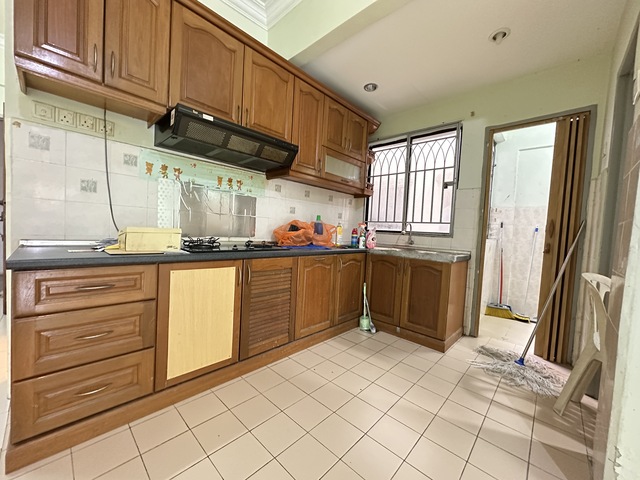
Vista Bayu Apartment, Taman Bayu Perdana
Jalan Batu Unjur 9
RM 280,000
Listed on January 16, 2026

Bandar Parklands
Lorong Kristal 5
RM 1,080,000
Listed on September 11, 2026
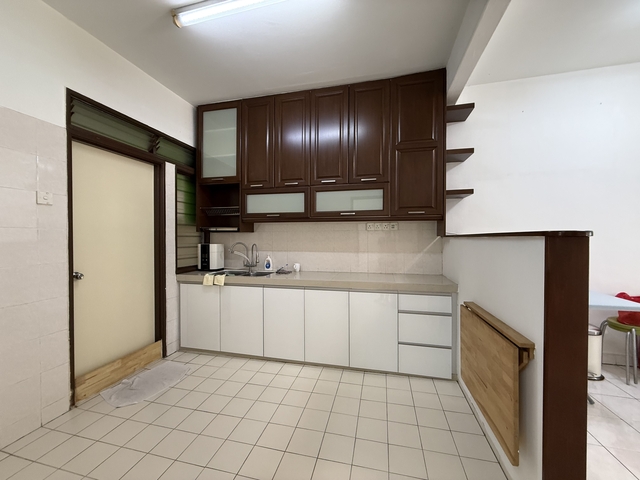
Bandar Botanic
Jalan Cassia
RM 520,000
Listed on March 16, 2026

Residensi Alami
Jalan Tinju 13/50, 40100, Selangor
RM 450,000
Listed on April 28, 2025
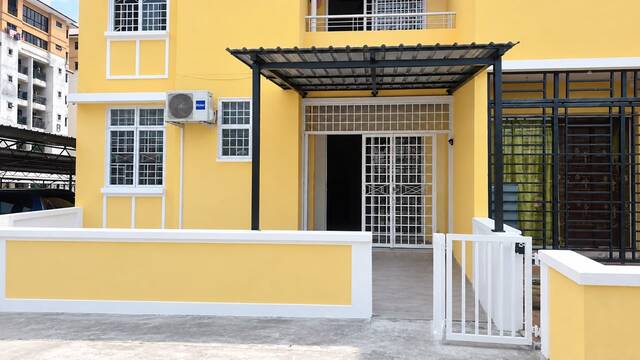
Bayu Villa Apartment, Bayu Perdana
Jalan Batu Unjur
RM 1,500 /month
Listed on September 20, 2026

TRIO by Setia
Bukit Tinggi Klang
RM 2,500 /month
Listed on July 16, 2026
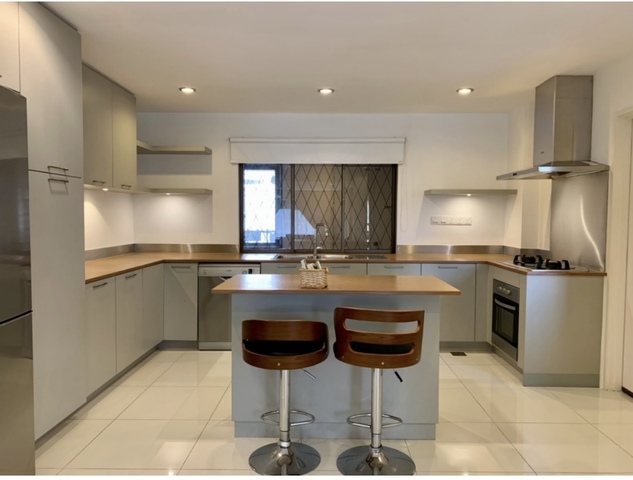
Merak Kayangan Court
Jalan Kapas
RM 7,500 /month
Listed on September 17, 2025
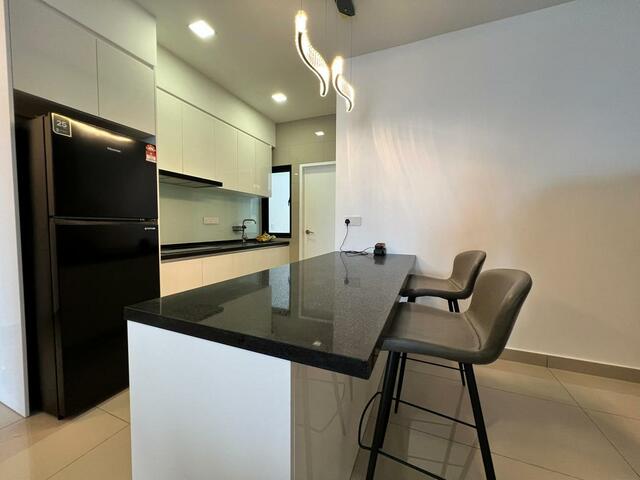
Bangsar Hill Park
13, Lorong Maarof 1, Bangsar, 59000 Kuala Lumpur, Wilayah Persekutuan Kuala Lumpur
RM 6,250 /month
Listed on September 30, 2025
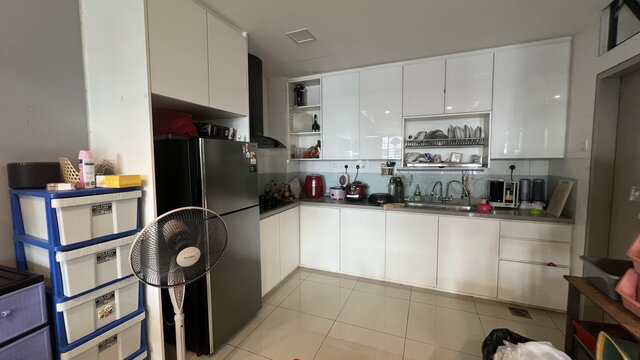
Andira Park
Lebuh Bukit Puchong
RM 800,000
Listed on November 10, 2025
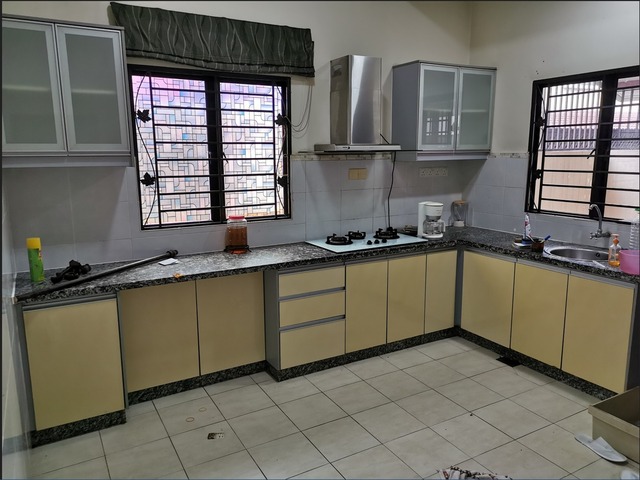
Kota Bayuemas
Jalan Bayu Impian
RM 1,800 /month
Listed on September 4, 2026

Trifolis Apartment
Jalan Batu Nilam 36/KS6, 41200, Selangor
RM 335,000
Listed on April 15, 2025

Taman Sentosa Perdana
Lorong Temenggung 39
RM 575,000
Listed on October 21, 2024

Taman Lembah Maju
Jalan Maju 2/7
RM 289,980
Listed on November 21, 2024
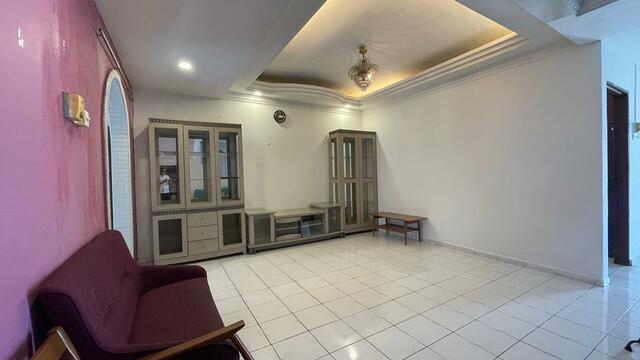
Bandar Bukit Tinggi
Lorong Batu Nilam 6
RM 1,900 /month
Listed on April 29, 2026
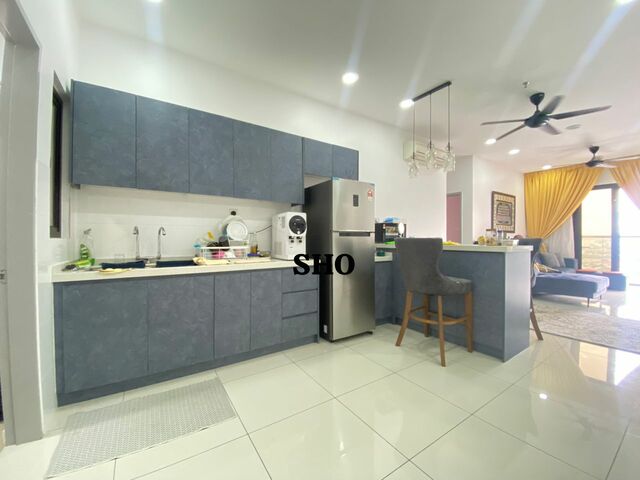
Ten Kinrara
Jalan BK 5a
RM 685,000
Listed on July 4, 2025
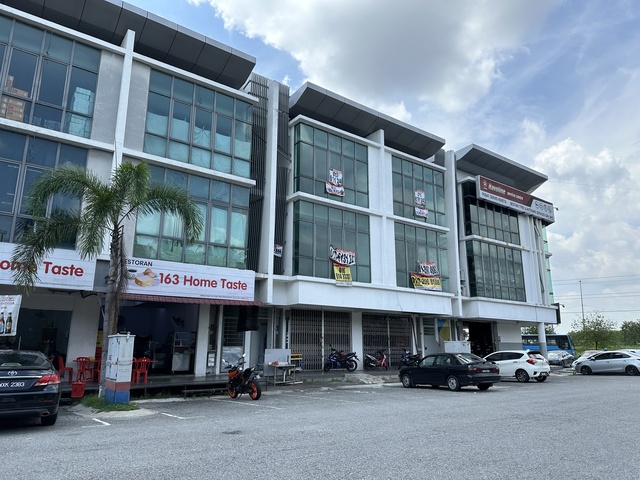
Bandar Bestari
Klang, Selangor
RM 1,800 /month
Listed on May 23, 2024
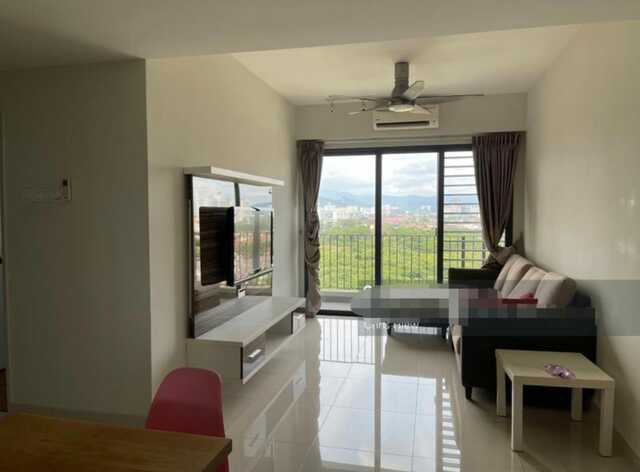
Kiara East
Jalan 3/18A Taman Mastiara
RM 478,000
Listed on February 27, 2026
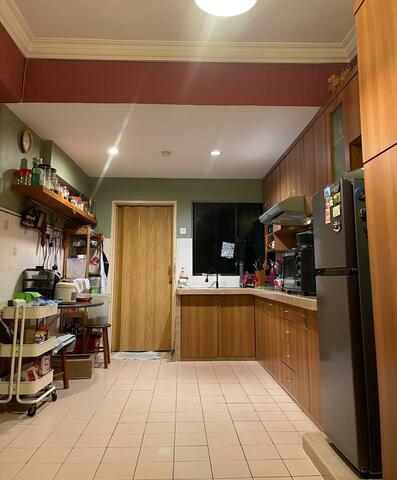
Vista Bayu Apartment, Taman Bayu Perdana
Jalan Batu Unjur 9
RM 1,750 /month
Listed on December 5, 2025
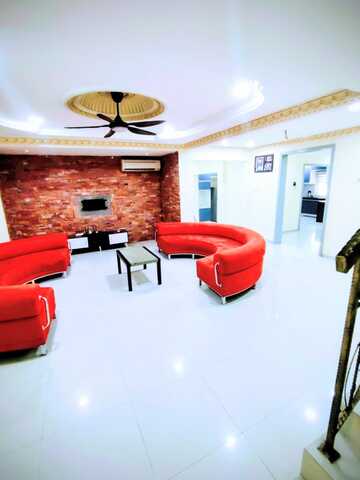
Bandar Putera
Jalan Kebun Nenas 2
RM 2,500 /month
Listed on August 1, 2026
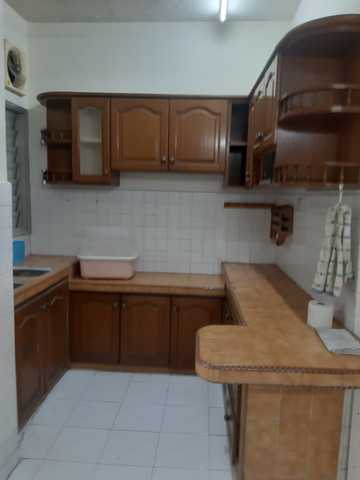
Taman Sri Andalas
Jalan Sri Damak
RM 1,800 /month
Listed on March 25, 2024
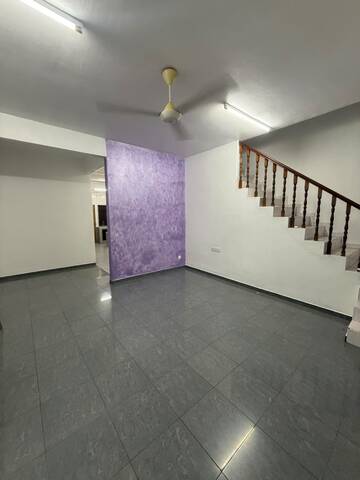
Taman Sentosa
Jalan Hulubalang 27
RM 1,500 /month
Listed on September 18, 2026
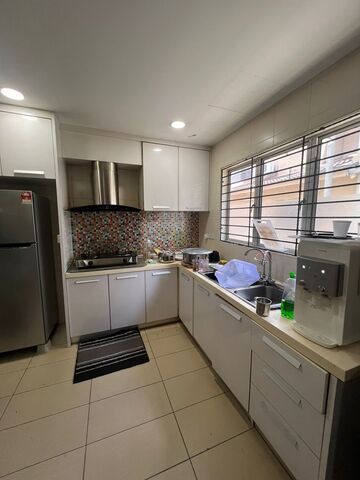
Bandar Bukit Tinggi
Lorong Batu Nilam 11
RM 749,980
Listed on September 2, 2026
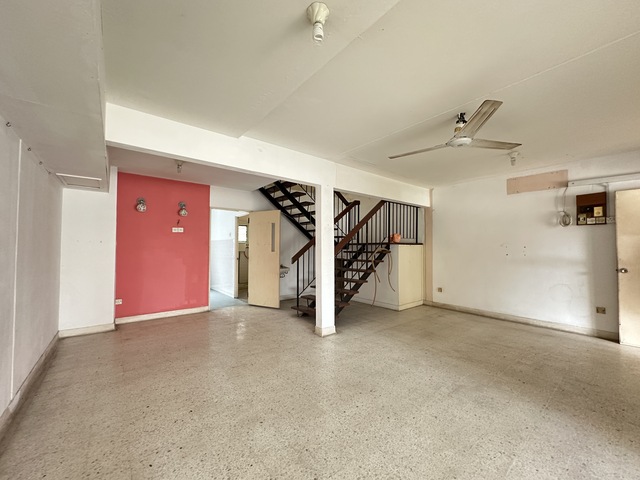
Taman Sri Putra
Jalan Jelawat
RM 359,900
Listed on July 27, 2026
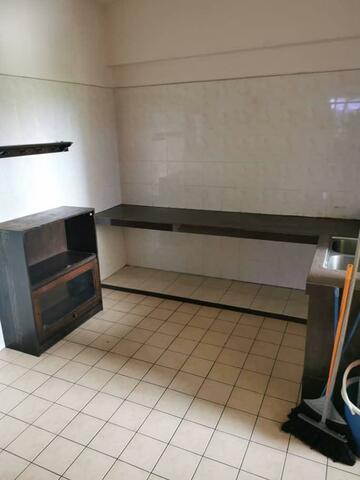
Prima Ria
Jalan Dutamas Raya
RM 419,980
Listed on November 3, 2025
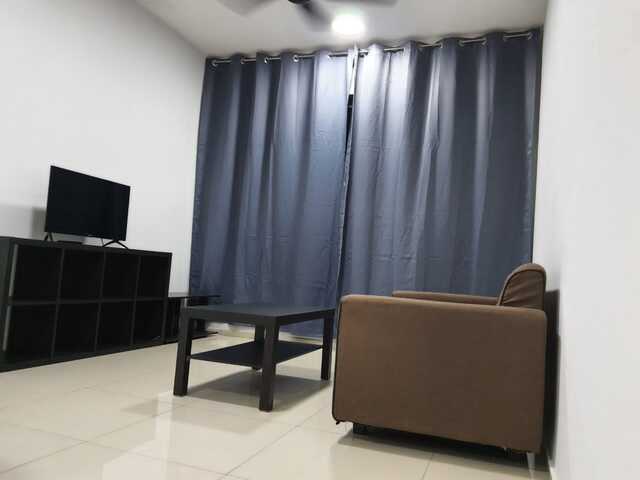
Gravit8 @ Klang South
Jalan Bayu Laut
RM 1,800 /month
Listed on August 14, 2026

Taman Sentosa
Jalan Dato Yusof Shahbudin 1
RM 468,000
Listed on December 6, 2024
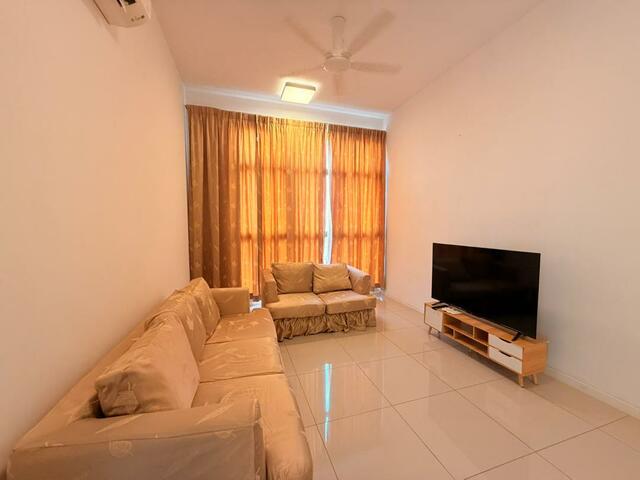
Waltz Residences @ Paradigm Garden City
Jalan Awan Besar
RM 790,000
Listed on November 27, 2025
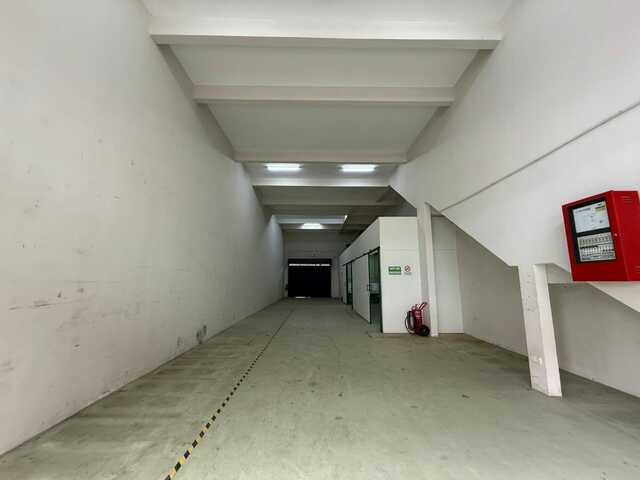
Kesas 32 Industrial Park
Jalan Sungai Jeluh 32/201
RM 7,700 /month
Listed on April 5, 2026
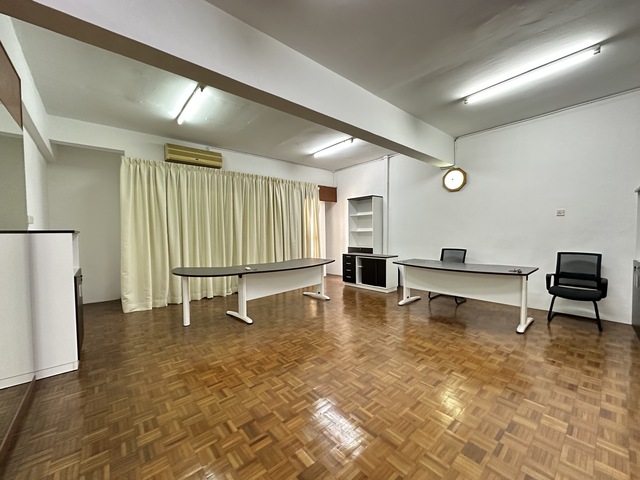
BAYU PERDANA
Jalan Batu Unjur 1
RM 1,800 /month
Listed on April 5, 2026

Taman Raja Nong
JALAN RAJA NONG
RM 900,000
Listed on August 21, 2026
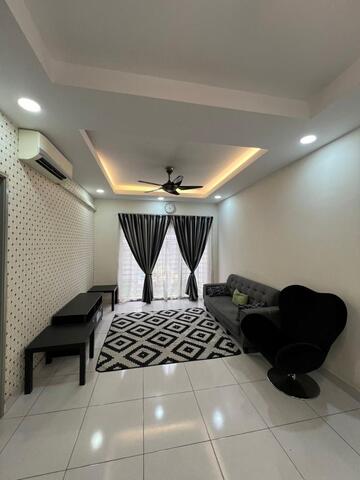
Laman Impian Bandar Botanic Klang
Bandar Botanic Klang
RM 1,600 /month
Listed on August 26, 2026
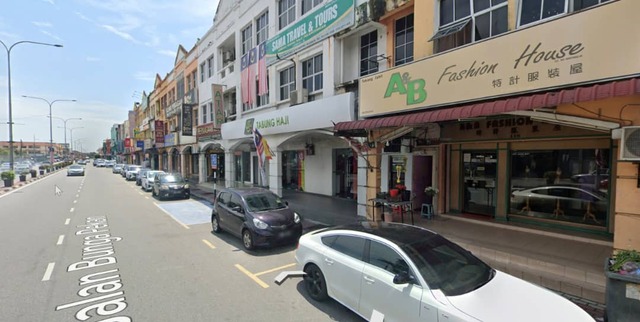
Jalan Bunga Pekan Banting
Jalan Bunga Pekan Banting
RM 3,800 /month
Listed on August 18, 2026
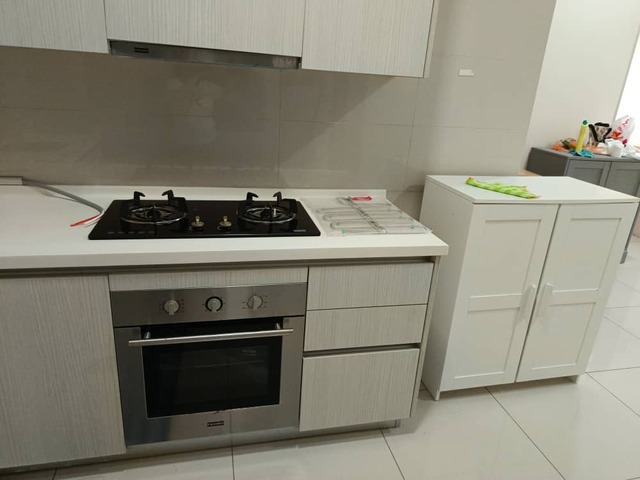
Green Residence
Jalan Sayang 1, Taman Rasa Sayang
RM 2,000 /month
Listed on April 20, 2026
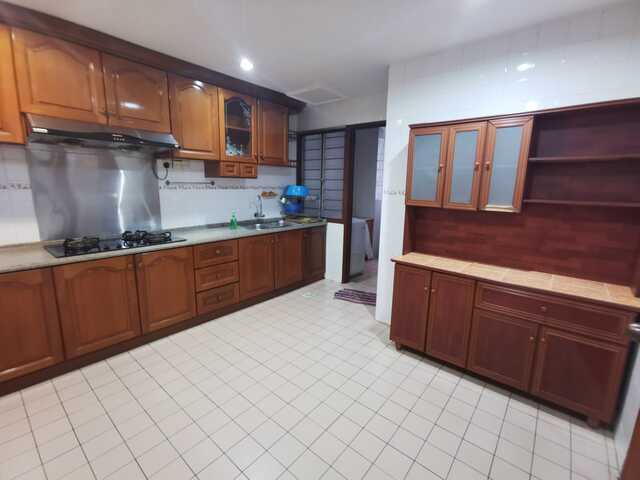
Dynasty Condominium
Jalan Batu Tiga Lama
RM 1,800 /month
Listed on August 19, 2026
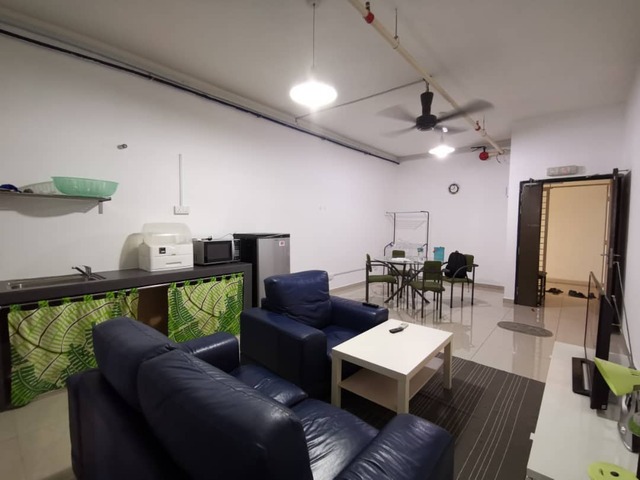
Avenue Crest
Section 22, Batu Tiga
RM 1,300 /month
Listed on April 6, 2026
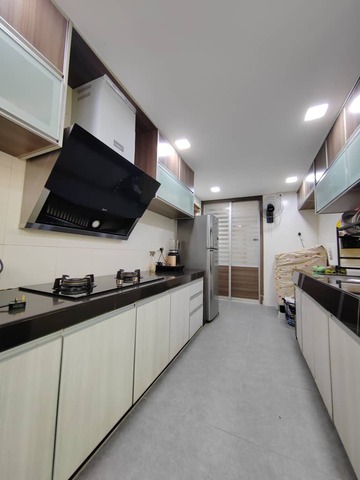
Taman Mesra Klang
Jalan Samarinda
RM 899,000
Listed on July 29, 2026
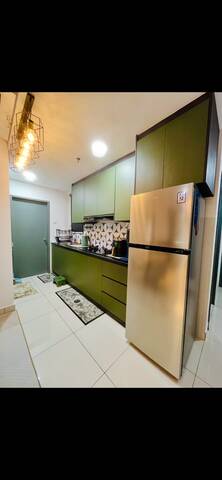
TRIO by Setia
Bukit Tinggi Klang
RM 2,000 /month
Listed on August 2, 2026
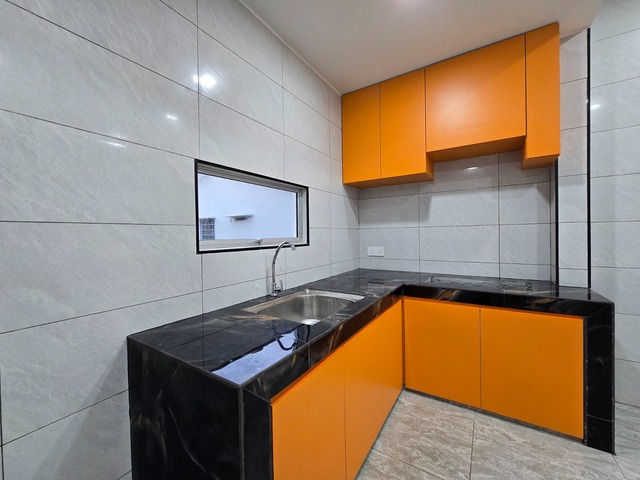
Taman Menara Maju, Klang
LORONG MANICKAVASAGAM
RM 438,000
Listed on August 14, 2026
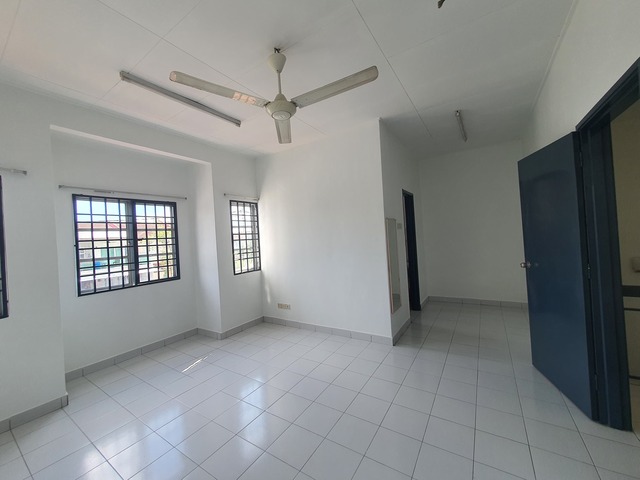
Bandar Puteri Klang
Jalan Kerongsang
RM 580,000
Listed on March 30, 2026
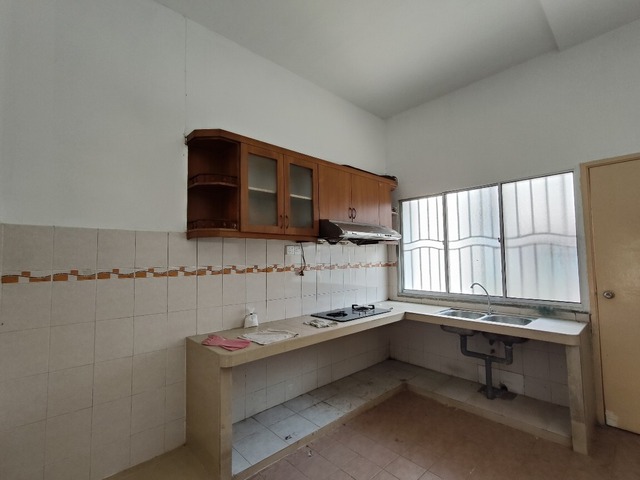
Bandar Puteri Klang
Jalan Kerongsang
RM 485,000
Listed on November 13, 2025
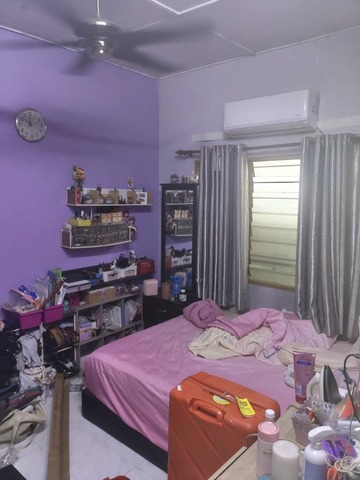
Taman Perwira
Jalan Wira 4
RM 270,000
Listed on September 4, 2026
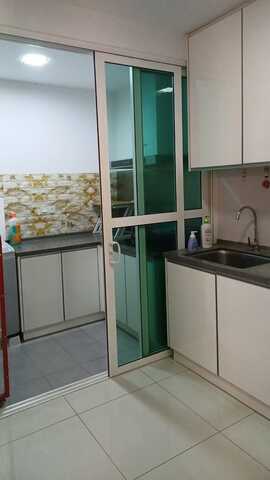
Impiria Residensi, Bandar Bukit Tinggi 2
Lorong Batu Nilam 16A/KS06
RM 3,300 /month
Listed on August 13, 2026

Taman Sentosa
Jalan Dato Abdul Hamid 18
RM 520,000
Listed on November 22, 2024

Livia @ Bandar Rimbayu
Jalan Fauna 3
RM 950,000
Listed on October 28, 2024
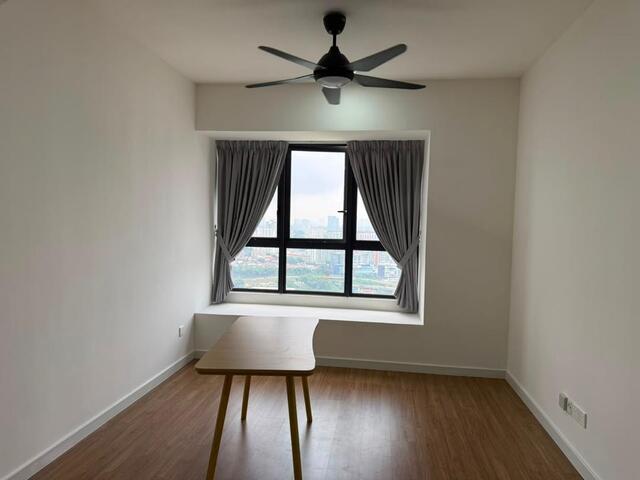
Residensi Heliks (Helix2 @ PJ South)
Jalan PJS 5/30, Taman Medan, Kampung Ghandi
RM 2,450 /month
Listed on September 10, 2026
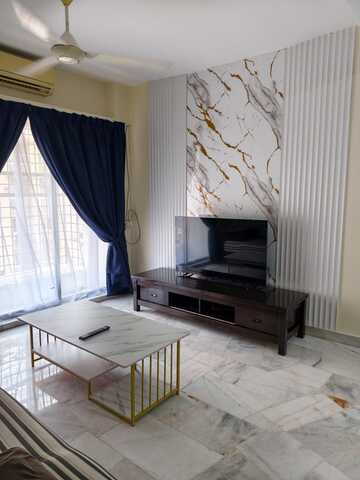
Vista Lavender Apartment
Bandar Kinrara
RM 1,800 /month
Listed on August 26, 2026

Putra Heights
Jalan Putra Bistari
RM 778,000
Listed on April 24, 2025
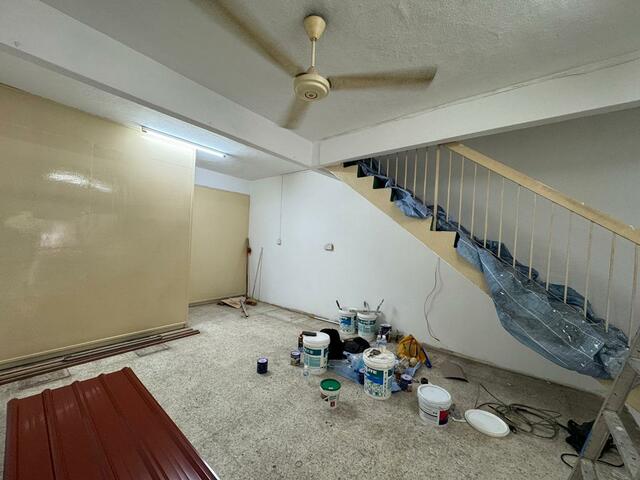
Taman Selat Damai
Off Jalan Jeti Pandamaran
RM 1,399 /month
Listed on April 6, 2026

Taman Sutera
43000 Kajang
RM 5,500 /month
Listed on September 22, 2025
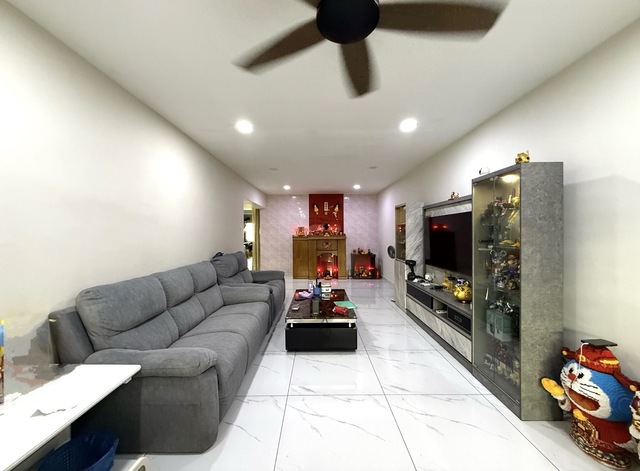
Taman Eng Ann, Klang
Eng Ann Klang
RM 609,980
Listed on July 31, 2026
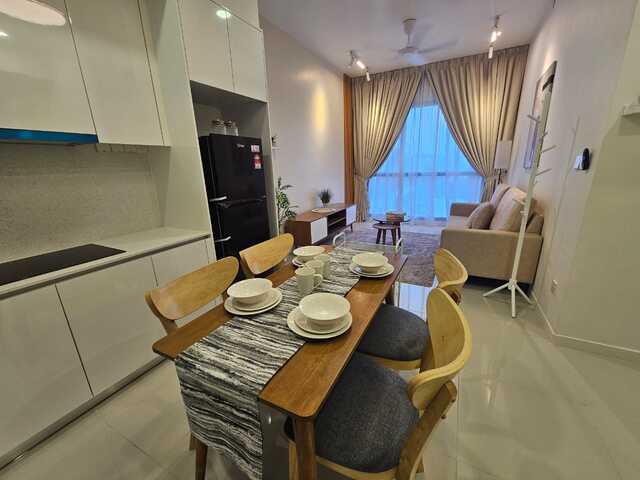
Edelweiss @ Tropicana Gardens
Kota Damansara
RM 779,980
Listed on September 18, 2026
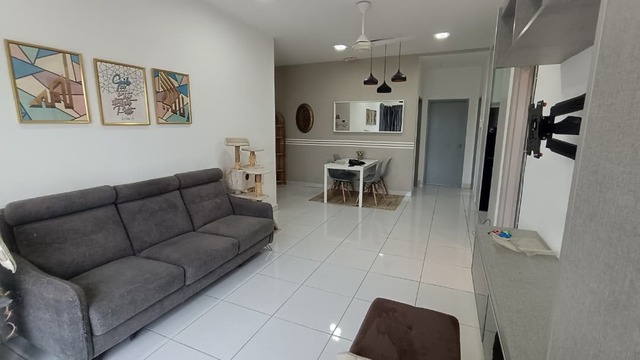
Laman Impian Bandar Botanic Klang
Bandar Botanic
RM 1,500 /month
Listed on August 26, 2026

GEO Bukit Rimau
Jalan Sungai Burung
RM 2,500 /month
Listed on March 19, 2025
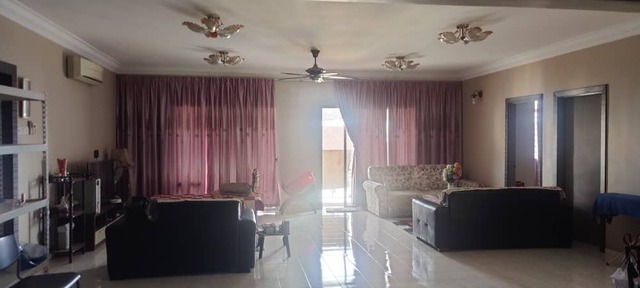
Bayu Villa Apartment, Bayu Perdana
Jalan Batu Unjur
RM 468,000
Listed on November 16, 2025

Impiria Residensi
Lorong Batu Nilam 16A/KS06, Bandar Bukit Tinggi 2
RM 620,000
Listed on June 10, 2025
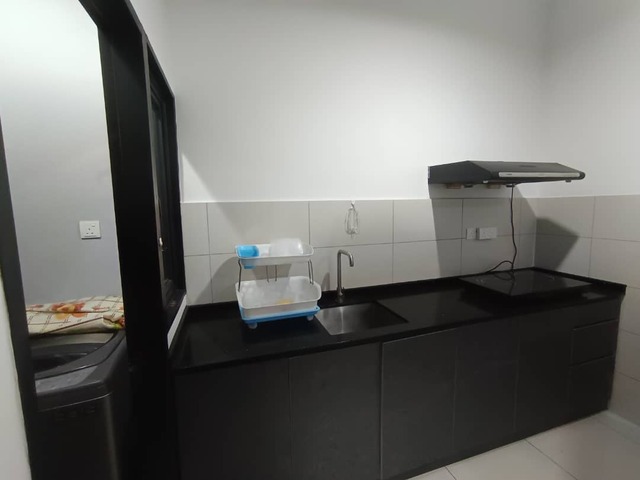
The Havre
Lebuhraya Bukit Jalil
RM 499,980
Listed on August 29, 2025
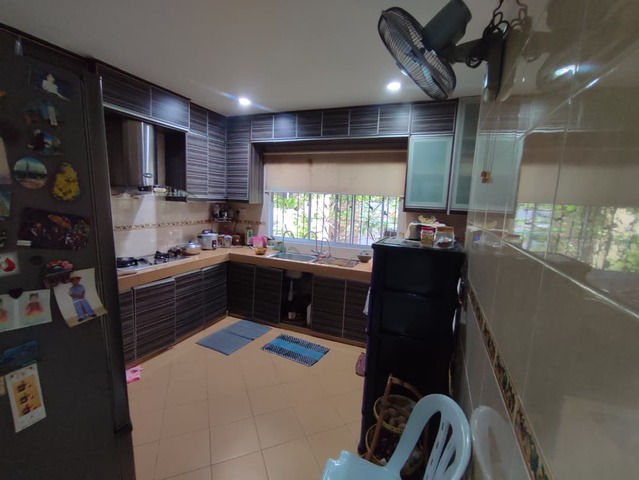
Bandar Puteri Klang
Jalan Kerongsang 7
RM 768,000
Listed on March 31, 2026
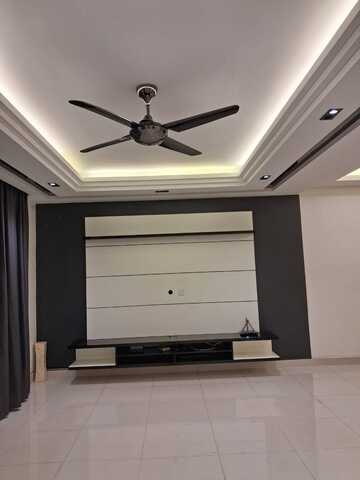
Bandar Parklands
Lorong Delima 4
RM 749,980
Listed on September 4, 2026
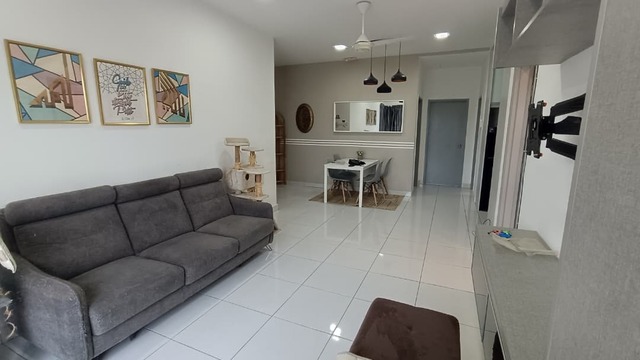
Laman Impian @ Bandar Botanic
Botanic Klang
RM 329,900
Listed on August 18, 2026
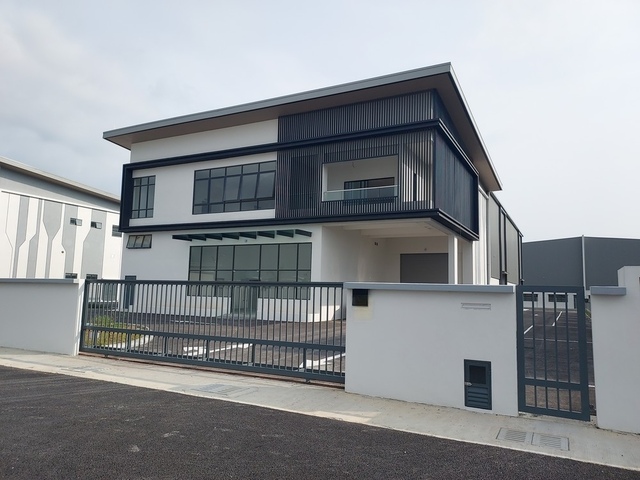
NCT Smart Industrial Park
Kuala Langat
RM 33,500 /month
Listed on August 24, 2026

Kekwa Apartment @ Putra Perdana
Bulatan Putra Perdana, Taman Putra Perdana, 47100, Selangor
RM 160,000
Listed on March 6, 2025
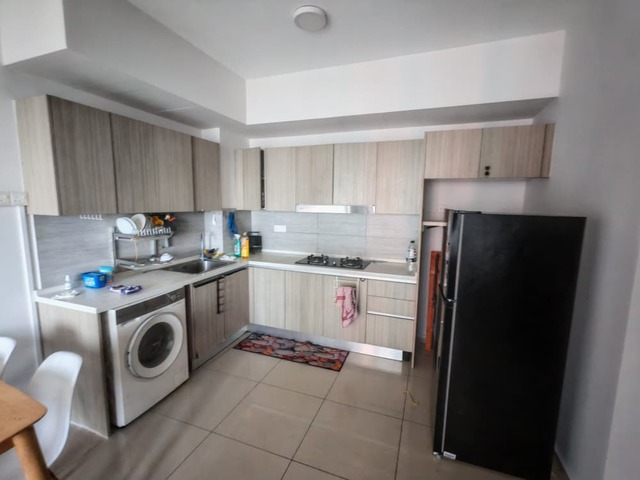
Gravit8 @ Klang South
Jalan Bayu Laut
RM 2,200 /month
Listed on September 2, 2026

Taman Sentosa
Jalan Dato Abdul Hamid 16A
RM 408,000
Listed on September 23, 2024

Saujana Damansara
Desa Riang, 47830, Selangor
RM 150,000
Listed on June 27, 2024
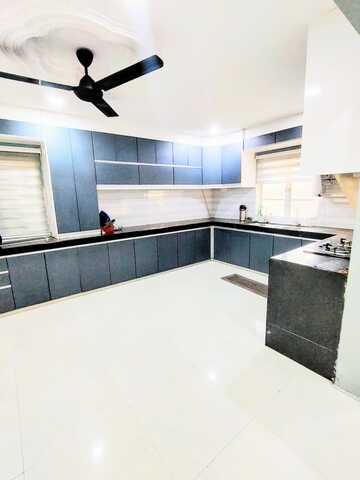
Bandar Putera
Jalan Kebun Nenas
RM 849,900
Listed on April 16, 2026
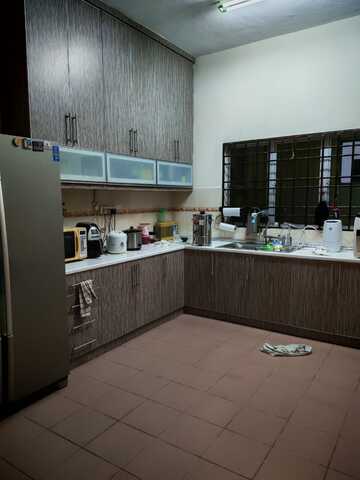
Taman Mesra
Jalan Bentara Samarinda
RM 779,980
Listed on July 31, 2026

Taman Bayu Perdana
Jalan Batu Unjur
RM 499,000
Listed on February 25, 2025
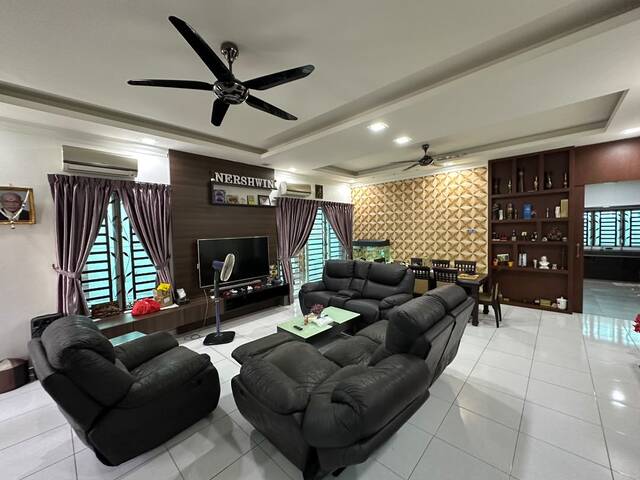
Telok Gadong Besar
Lorong Bawal Tambak
RM 1,050,000
Listed on August 4, 2026
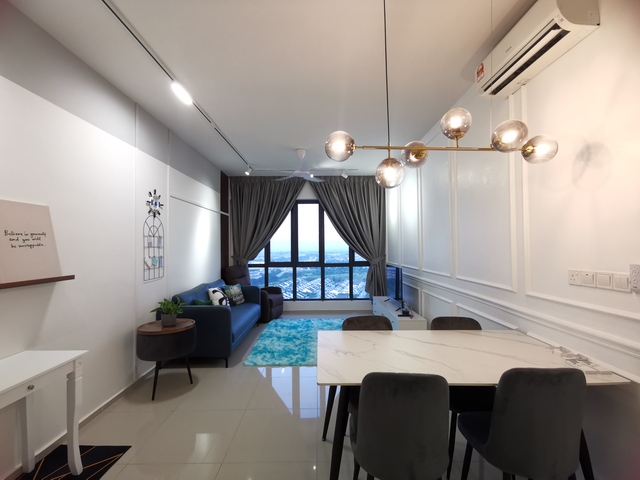
Gravit8 @ Klang South
Jalan Bayu Laut Bayuemas
RM 429,000
Listed on April 30, 2026
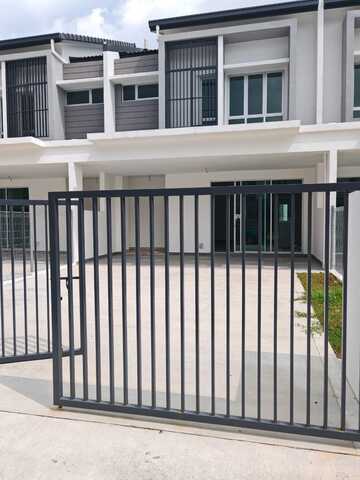
Setia Kota Bayuemas
Bayuemas Klang
RM 838,000
Listed on July 29, 2026
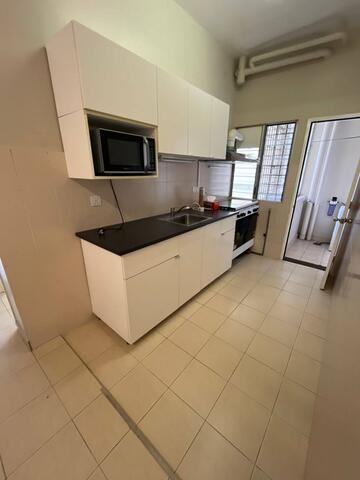
Pangsapuri Kasuarina
Bandar Botanik, Klang
RM 265,000
Listed on August 18, 2026
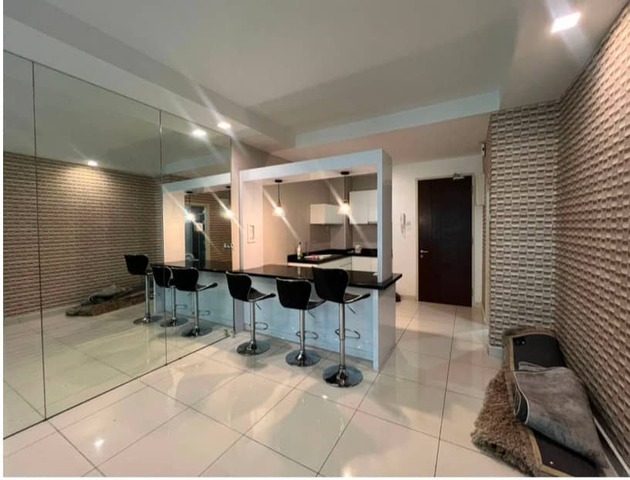
Central Residence, Sungai Besi
Jalan Sungai Besi
RM 390,000
Listed on June 19, 2025

Teluk Pulai
Jalan Teluk Pulai
RM 835,000
Listed on April 8, 2025
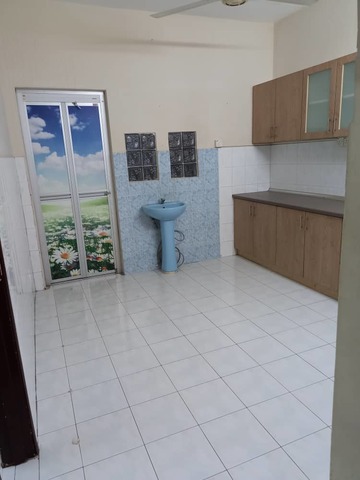
Bandar Bukit Tinggi
Lorong Batu Nilam 11
RM 598,000
Listed on April 22, 2024
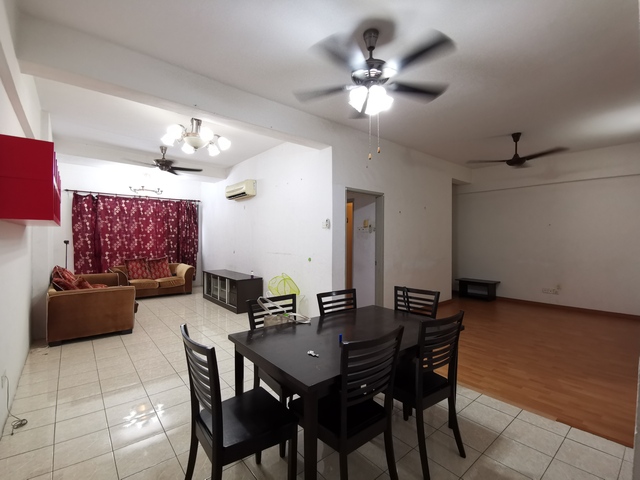
Millenium Place @ Millenium Square
Jalan 14/1, Seksyen 14
RM 499,980
Listed on December 29, 2025
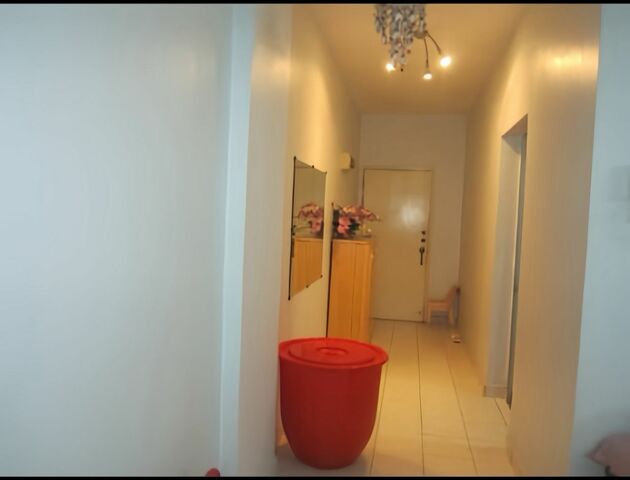
La Vista
Jalan Tempua 2, Bandar Puchong Jaya
RM 450,000
Listed on June 19, 2025
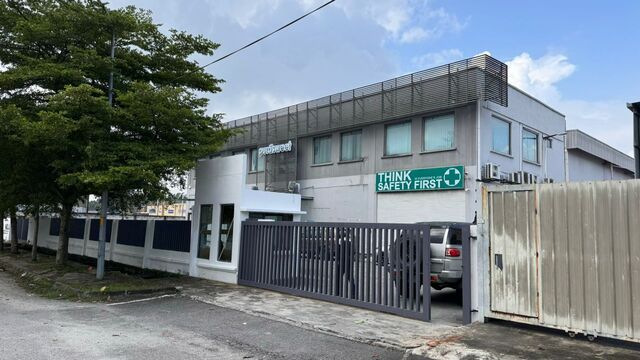
Taman Perindustrian Meru
Jalan Korporat
RM 11,350,000
Listed on August 1, 2026
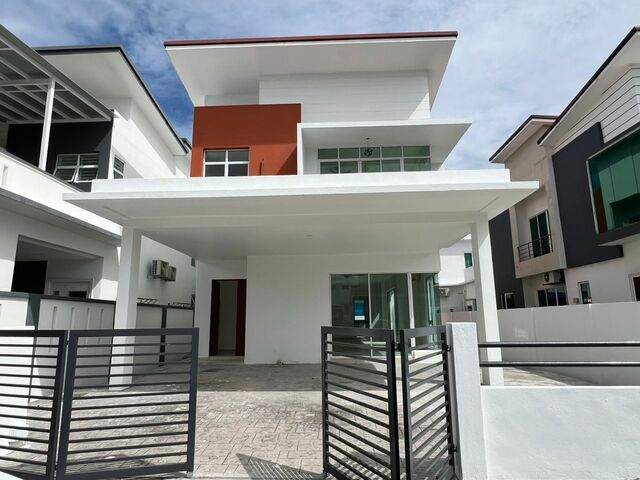
Taman Sri Jaromas
Jalan 3/14
RM 888,000
Listed on October 8, 2025
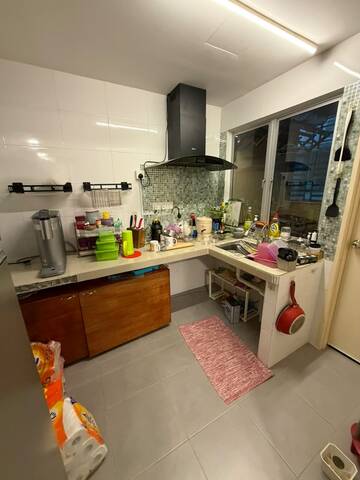
Orchis Apartment, Bandar Parklands
Bandar Parklands
RM 290,000
Listed on August 24, 2026
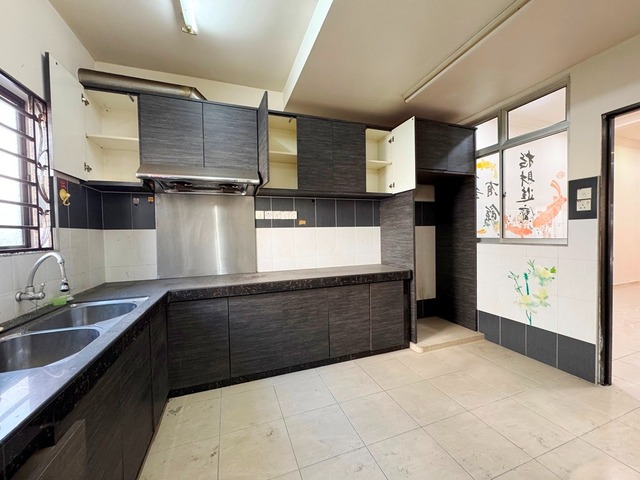
Bandar Puteri Klang
Lorong Gelang
RM 588,000
Listed on January 8, 2026

AraTre' Residences
Jalan PJU 1a/4a, Ara Damansara, 47301, Selangor
RM 775,000
Listed on March 4, 2025
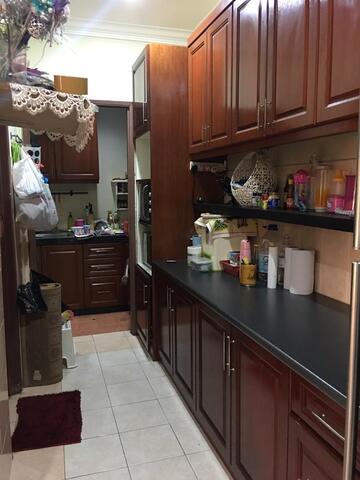
Bayu Villa Apartment, Bayu Perdana
Jalan Batu Unjur
RM 350,000
Listed on August 17, 2026
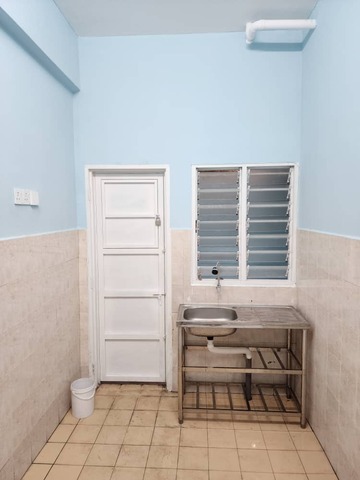
Taman Millenium, Sentosa
Jalan Hulubalang 37a
RM 129,980
Listed on December 5, 2025
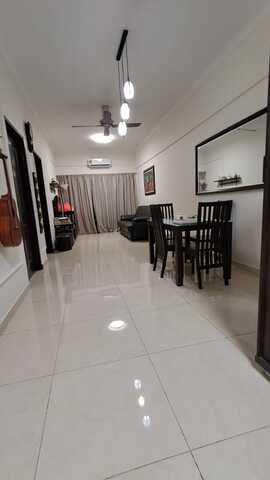
Prima Bayu
Jalan Batu Unjur 9
RM 339,980
Listed on April 22, 2026
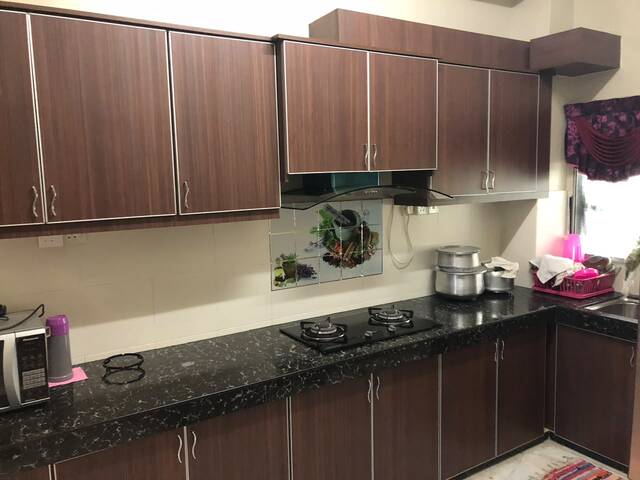
Taman Klang Indah
Jalan Samarinda
RM 1,600 /month
Listed on August 2, 2026
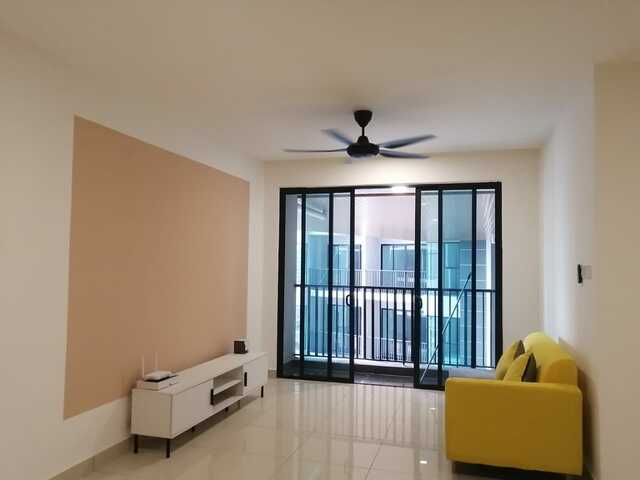
AraTre' Residences
Jalan PJU 1a/4a, Ara Damansara, 47301, Selangor
RM 780,000
Listed on March 24, 2025
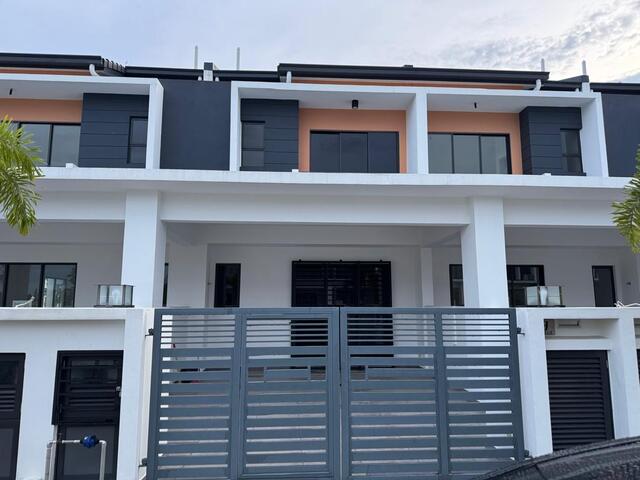
Robin @ Bandar Rimbayu
Jalan Fauna 3
RM 610,000
Listed on August 18, 2026
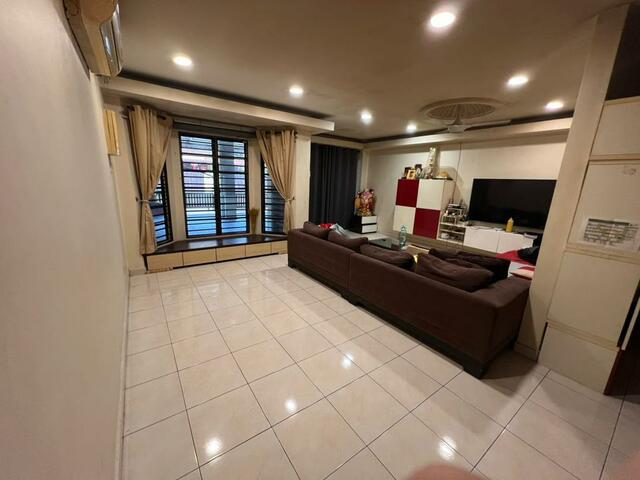
Taman Jaya Utama
Jalan Utama 6
RM 520,000
Listed on November 5, 2025

Bayu Villa Apartment, Bayu Perdana
Jalan Batu Unjur, 41200, Selangor
RM 258,000
Listed on May 20, 2025
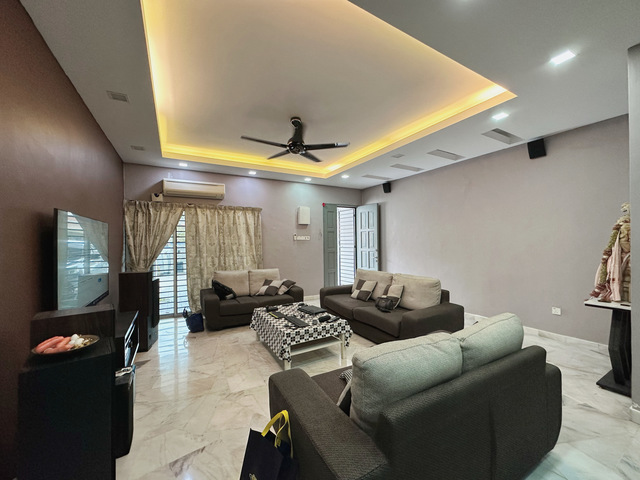
Taman Klang Indah
Lorong Samarinda 11F
RM 649,980
Listed on April 5, 2024
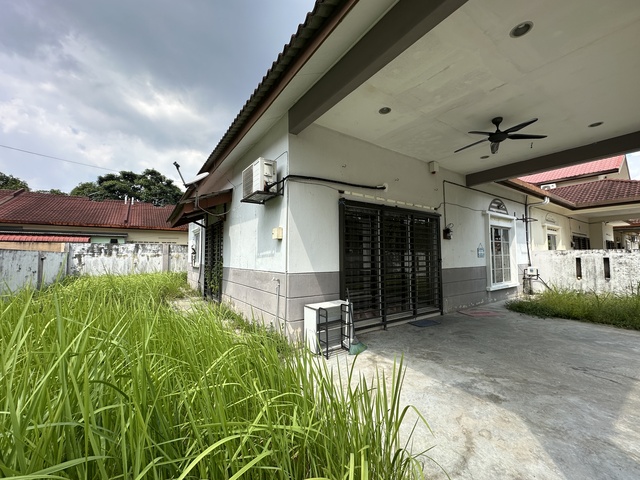
Taman Telok
Jalan Dendang
RM 439,980
Listed on February 3, 2026

Taman Melawis (Taman Heng Luen)
Jalan Loyang; Jalan Emas; Jalan Besi
RM 499,980
Listed on October 29, 2024
Our newly launched projects
Discover the real estate properties in and around Selangor, Malaysia. Buy apartment units, landed houses, bungalows, commercial office space, shop lots, and sub-sales with 100% confidence at IQI Global.
 Multiple bathrooms
The Atas - Taman Desa
66, Jalan Taman Bukit Desa, Taman Bukit Desa, 58100 Kuala Lumpur, Wilayah Persekutuan Kuala Lumpur
Starting from RM 825,000
Listed on August 21, 2026
 Varied bedroom options
Times Square 2 @ Bukit Bintang
Jln Imbi, Imbi, 57000 Kuala Lumpur, Wilayah Persekutuan Kuala Lumpur
Starting from RM 688,000
Listed on August 11, 2026

Divine KLCC
50450 Kuala Lumpur, Federal Territory of Kuala Lumpur
Starting from RM 997,000
Listed on July 16, 2026
 Varied bedroom options
Lunar Seputeh @ Old Klang Road
20, Jalan Telok Batu, Datok, 58000 Kuala Lumpur, Wilayah Persekutuan Kuala Lumpur
Starting from RM 607,800
Listed on July 14, 2026
 Built up 425 - 835 sqft
Sutera Suites @ KL City
Jalan Sungai Baru, Kampung Baru, 50300 Kuala Lumpur, Wilayah Persekutuan Kuala Lumpur
Starting from RM 595,000
Listed on June 22, 2026
 Spacious bedroom range
Bangsar Hill Park @ Bangsar
27, Lrg Maarof, Bangsar, 59000 Kuala Lumpur, Wilayah Persekutuan Kuala Lumpur
Starting from RM 1,123,000
Listed on June 22, 2026
Mortgage Calculator
Calculate your estimated month repayment and plan your monthly expenses well.
The mortgage calculator is intended for reference only. Actual amount may vary.
Monthly Payment
Send me the mortgage calculator result

Home Loan Eligibility Calculator
Calculate your potential loan amount and assess your home buying affordability.

Rental Yield
Calculate the potential rental yield and evaluate a property's investment performance.

Down Payment Saving Plan
Create a structured savings plan and determine how much to save monthly for your down payment plan.

Malaysian Property Transaction Fees Calculator
Estimate the total transaction fees and budget accurately for your Malaysian property purchase.
IQI blog & news
Articles specifically curated for your daily digest of local and global real estate news.

TL;DR 1. Penang apartments average about 5.74% gross rental yield in 2026.2. Penang Island typically returns 3% to 5.5% gross. Seberang Perai can reach 5% to 7%.3. A 5% gross yield often becomes closer to 3% net after maintenance, quit rent, insurance, repairs and vacancy.4. In premium coastal locations, net yield can fall to around 2.5% once costs and tax are included.5. Condominiums: 4% to 6%. Landed homes: 3% to 5%. Commercial and industrial: 5% to 7%.6. Penang's average house price reached RM506,616 in Q1 2026, with prices up 3.7% year on year, more than double the national pace.7. Foreign buyers face a RM1 million minimum for island condos, an 8% flat stamp duty and a state levy, all of which dilute yield. Penang is one of Malaysia's most quoted rental markets, and one of the most misread. The headline yield you see in a listing advertisement and the money that lands in your account are rarely the same number. Penang Rental Yield Guide: What You Need to KnowProperty Prices and Rental ReturnsWhat rental yield can investors expect in Penang?Rental yield estimates by Penang areaWhich property types offer better rental returns in Penang?CondominiumsLanded homesCommercial and industrial propertyWhy do rental yields differ across Penang?Gross yield is not the same as actual profitWorked example: RM500,000 condominium in PenangHow does your loan repayment compare to the rent?Should investors always choose the highest rental yield?What should investors check before buying?Can you actually get the loan for a second property?Penang rental market summaryKey takeaways In 2026, apartment rental yields in Penang average around 5.74%, with many apartments and mid-rise condominiums sitting in the 5% to 6% gross range. What you actually keep after ownership costs is a different figure entirely. Property Prices and Rental Returns Before you can judge a yield, you need to know what you are paying for it. Average property prices According to NAPIC data for Q1 2026, Penang's average house price reached RM506,616, up from RM488,467 a year earlier. The median transacted price is lower, at around RM368,700, because most deals happen well below the headline average. Penang's house price index rose 3.7% year on year, more than double Malaysia's 1.7%. Prices eased slightly, by 0.8%, compared with Q4 2025, which points to a market that is firming, not overheating. Market position Penang is Malaysia's fifth most expensive residential property market, behind Kuala Lumpur, Selangor, Sarawak and Sabah. Its average price now sits almost level with the national average of RM507,533. Property typePrice index (Q1 2026)Year-on-year changeTerrace houses204.0+5.5%High-rise (condos and apartments)229.9+3.4%Semi-detached265.0+2.7%Detached260.9-1.1%Penang overall225.9+3.7% Source: NAPIC, Q1 2026 House Price Index. Index figures track price movement over time, not actual prices in RM. Rental returns Long-term rentals on Penang Island typically return 3% to 5.5% gross, while selected mainland areas can reach 5% to 7%. Industrial hubs such as Bayan Lepas and Batu Kawan see the most consistent tenant demand. After management costs, maintenance and vacancy, net yields usually land closer to 3%, as the worked example further down shows. Short-term rentals in George Town can earn more. Some well-run units report gross yields of 6% to 9%, but they need active management and must comply with local short-term rental rules. Our short-term rental guide covers what is allowed. Keep one thing in mind: rising prices squeeze yield for new buyers. A condo bought at RM500,000 and renting at RM2,083 a month yields 5%. At RM530,000 with the same rent, it yields 4.7%. What rental yield can investors expect in Penang? Rental returns in Penang are not uniform. Properties with lower purchase prices and steady tenant demand may generate stronger yields. Expensive properties in premium neighbourhoods often produce lower rental returns, simply because the initial investment is much higher. This is what makes Penang a two-speed rental market. On Penang Island, gross rental yields are commonly around 3% to 5.5%. Prime locations such as George Town, Gurney Drive, Pulau Tikus and Tanjung Tokong command higher property prices, which places downward pressure on yield. On the mainland, selected areas may produce gross yields of around 5% to 7%, partly because property prices are generally more affordable. Rental demand there is also supported by industrial, manufacturing and employment activity. Rental yield estimates by Penang area LocationEstimated gross yieldMain rental demandBayan Lepas4.5% to 5.5%Technology, manufacturing and multinational company employeesButterworth4.5% to 6.0%Affordable housing and strong transport connectionsGelugor4.0% to 5.5%Students, university staff, healthcare workers and professionalsTanjung Tokong3.0% to 4.5%Lifestyle-oriented tenants and higher-income householdsTanjung Bungah3.0% to 4.5%Families attracted by schools and established residential areasGeorge Town heritage area4.0% to 6.0%Tourism, short-term stays and central-city demandAir Itam4.0% to 5.5%Affordable residential demandPerai4.5% to 6.0%Industrial workers and tenants seeking lower-cost housing Treat these as indicative ranges, not guaranteed returns. Actual performance depends on the individual unit, purchase price, rental rate, occupancy and operating expenses. Want the neighbourhood-level breakdown with price ranges and tenant profiles? Read our full guide to the top rental yield areas in Penang. Which property types offer better rental returns in Penang? Property type changes the yield profile as much as location does. Property typeTypical gross yieldBest suited toCondominium4% to 6%Income-focused investors near workplaces, campuses and transportLanded home3% to 5%Longer tenancies, family tenants, capital growth focusCommercial and industrial5% to 7%Investors comfortable with business-cycle and tenancy risk Condominiums Condominiums generally offer gross yields of around 4% to 6%. They can perform particularly well close to workplaces, universities, hospitals, commercial areas or transport links. Just remember that monthly maintenance charges and sinking fund contributions come straight off your return. Read our explainer on condo management fees before you budget. Landed homes Landed residential properties typically generate lower gross yields of around 3% to 5%. Their appeal comes from family tenants, larger living spaces and potentially longer tenancy periods rather than maximising monthly rental return. Commercial and industrial property Selected commercial properties, shoplots and industrial units may provide gross yields of approximately 5% to 7%. Performance here is tied more closely to business activity, surrounding employment, accessibility and the strength of the local commercial market. Why do rental yields differ across Penang? The strongest rental markets usually have one or more reliable sources of tenant demand. Employment is the biggest driver. Areas such as Bayan Lepas benefit from nearby industrial and technology employment, creating regular housing demand from working professionals. Education also plays an important role. Gelugor attracts students and staff because of its proximity to Universiti Sains Malaysia and other nearby facilities. Tourism creates a different type of rental opportunity. Central George Town can attract short-stay demand thanks to its heritage appeal and visitor activity, although short-term rental investors need to weigh occupancy fluctuations and local rules. Our short-term rental guide covers the state-level restrictions. Connectivity affects tenant choice as well. Locations with convenient access to major roads, public transport and transport hubs are generally easier to rent, particularly among commuters. Factors Driving Property Investment in Penang Tenant demand at street level comes from jobs, campuses and tourism. Behind all of that sits a bigger story: Penang is one of Malaysia's strongest economic engines. Industrial growth The continued expansion of high-tech manufacturing in Bayan Lepas supports steady housing demand from local professionals and expatriates. Penang recorded RM4.9 billion in approved manufacturing investment in Q1 2026, the second highest in the country, with about 70% from foreign investors. The state also generated about 38.1% of Malaysia's exports in 2025. Growth is spreading to the mainland too. Batu Kawan and Perai are drawing new factories, which is why Seberang Perai is increasingly seen as a yield market. Tourism and healthcare George Town's UNESCO World Heritage status, famous food scene and growing medical tourism sector all feed demand for short- and medium-term stays. Visitors coming for treatment often stay weeks, not nights. That gives furnished units near private hospitals a tenant pool that pure holiday rentals do not have. Transport and infrastructure Projects under the Penang Transport Master Plan are drawing buyer interest to areas that will gain better public transport. The biggest is the LRT Mutiara Line. The 29.5km line will link Silicon Island in the south to Komtar and across the strait to Penang Sentral, with 22 planned stations. Construction began in January 2025 and completion is targeted for December 2031. Units near future stations may see stronger demand once it opens, but that is a long-term play, not a 2026 rental boost. DriverAreas that benefit mostTenant profileIndustrial growthBayan Lepas, Batu Kawan, PeraiEngineers, technicians, expatriate staffTourism and healthcareGeorge Town, Gurney, Pulau TikusShort-stay visitors, medical tourists, digital nomadsTransport and infrastructureBayan Lepas, Sungai Nibong, Gelugor, George TownCommuters, students, young professionals Gross yield is not the same as actual profit A high advertised rental yield does not automatically mean a high investment return. Gross rental yield is calculated as: Annual rental income ÷ property purchase price × 100 For example, a RM500,000 property generating RM25,000 in annual rent produces a 5% gross rental yield. Your actual return will be lower after deducting expenses such as: Maintenance and sinking fund charges Quit rent Assessment rates Insurance Repairs Property management fees Vacancy periods Applicable taxes Worked example: RM500,000 condominium in Penang Here is the same property with realistic ownership costs applied. Line itemAnnual amountRental income (RM2,083 per month)RM25,000Maintenance and sinking fund(RM3,000)Quit rent and assessment(RM700)Fire insurance(RM300)Repairs and replacements(RM1,500)Agency fee on tenancy renewal(RM1,000)Vacancy allowance (one month)(RM2,083)Net rental incomeRM16,417Net rental yield3.28% A 5% gross yield became a 3.28% net yield, and that is before any loan interest or income tax on the rental. In more expensive coastal or premium locations, net returns can fall further still. Some properties may see net yields around 2.5% once relevant costs and taxation are included. Figures above are illustrative. Costs vary by building age, management quality, furnishing level and unit size. How does your loan repayment compare to the rent? If the property is financed, the instalment is the number that decides whether the unit is cash-flow positive. Run it before you commit. Should investors always choose the highest rental yield? Not necessarily. A property offering a lower rental yield may still be attractive if it has better long-term appreciation potential, stronger resale demand or a more established location. Yield and growth often pull in opposite directions. Areas such as Tanjung Tokong and Gurney Drive may not produce the highest rental returns because of their higher purchase prices. Buyers still value them for amenities, lifestyle appeal and long-term capital preservation. Conversely, lower-priced areas can offer stronger rental yields because the rent collected is relatively high compared with the purchase price. The better investment depends on your priority: Monthly rental income Long-term capital appreciation Lower entry cost Tenant stability Resale potential What should investors check before buying? Instead of comparing properties on headline yield alone, assess the full investment picture. Consider the realistic monthly rent, purchase price, maintenance fees, likely vacancy period, tenant profile and expected repair costs. It is also worth monitoring upcoming infrastructure, employment growth and new property supply, since these affect both rental demand and future prices. Good property management quietly protects your net yield. Keeping vacancy low, maintaining the unit properly and securing suitable tenants makes a meaningful difference to the final return. Can you actually get the loan for a second property? Investment purchases usually mean a second or third mortgage, and banks assess your debt service ratio before approving anything. Check where you stand. Property Ownership Requirements for Foreign Buyers Foreign nationals buying residential property in Penang must meet minimum purchase prices and obtain approval from the state authorities. Every extra ringgit you pay to qualify lowers your yield. Minimum purchase prices LocationStrata propertiesLanded propertiesPenang IslandRM1 millionRM3 millionSeberang Perai (Mainland)RM500,000RM1 million Thresholds for foreign individuals and companies. Different thresholds may apply to Malaysian permanent residents and MM2H participants. Confirm current rules with your lawyer and PTG Penang before committing. State approval All purchases by foreign nationals need approval from the relevant state authorities and must follow ownership regulations. Certain categories are off-limits, including: Malay Reserve Land and other state-restricted titles Low-cost, low-medium-cost and medium-cost housing Bumiputera quota units Extra costs foreign buyers pay Stamp duty: From 1 January 2026, foreigners (excluding permanent residents) pay a flat 8% stamp duty on residential transfers. State consent costs: Penang charges an application fee plus an approval levy, commonly quoted between 1.5% and 3% of the price. Financing: Banks typically lend foreigners up to around 70% of the property value. RPGT: Foreigners pay 30% Real Property Gains Tax on gains within five years, and 10% from year six onwards. How these costs affect your yield ItemAmountIsland condo purchase priceRM1,000,000Stamp duty (8%)RM80,000State levy (illustrative 3%)RM30,000State consent application feeRM10,000Total cost before legal feesRM1,120,000Annual rent at 4.5% gross on priceRM45,000Gross yield on total cost4.02% A 4.5% headline yield becomes about 4% before a single running cost is deducted. Apply the net-yield costs from earlier and it can fall well below 3%. That does not make Penang a poor choice for foreigners. It means foreign investors usually buy for capital preservation, lifestyle or long-term growth, and should model yield on total cost, not purchase price. Penang rental market summary Penang supports several different rental investment strategies. Penang Island generally suits buyers who prioritise established locations, lifestyle demand and long-term property value. Seberang Perai tends to attract investors looking for lower entry prices and stronger rental yields in industrial and employment-driven locations. Rather than simply chasing the highest percentage, compare rental income, total ownership costs, vacancy risk and future growth potential before deciding whether a property is genuinely worth buying. Key takeaways Penang apartments average around 5.74% gross rental yield in 2026. Penang Island runs 3% to 5.5% gross. Seberang Perai can reach 5% to 7%. Condominiums yield 4% to 6%, landed homes 3% to 5%, commercial and industrial 5% to 7%. A 5% gross yield commonly lands near 3% net once costs are deducted. Premium coastal properties can drop to roughly 2.5% net after expenses and tax. Employment, education, tourism and connectivity are the four demand drivers to check. Always model net yield and vacancy before comparing two properties. Penang's average house price hit RM506,616 in Q1 2026, rising 3.7% year on year.Industrial growth, tourism and healthcare, and the LRT Mutiara Line underpin long-term rental demand.Foreigners need at least RM1 million for an island condo and pay 8% stamp duty plus a state levy, so model yield on total cost. Frequently asked questions about Penang rental yield What is the average property price in Penang in 2026? Penang's average house price was RM506,616 in Q1 2026, according to NAPIC. Prices rose 3.7% year on year, more than double the national growth rate of 1.7%. What is the average rental yield in Penang in 2026? The average gross rental yield for apartments in Penang is around 5.74%. Apartments and mid-rise condominiums generally fall within the 5% to 6% range, though individual results vary widely by area and unit. What is driving property demand in Penang? The main drivers are high-tech manufacturing in Bayan Lepas and the mainland, tourism and medical tourism in George Town, and transport upgrades such as the LRT Mutiara Line, due for completion in 2031. Which Penang areas have the highest rental yields? Butterworth, Perai and the George Town heritage area sit at the upper end, with estimated gross yields of 4.5% to 6%. Bayan Lepas follows at 4.5% to 5.5%, supported by technology and manufacturing employment. What is the minimum price for foreigners to buy property in Penang? Foreigners need RM1 million for strata property and RM3 million for landed property on Penang Island. In Seberang Perai, the thresholds are RM500,000 for strata and RM1 million for landed. State approval is required.

TL;DRMalaysia Budget 2027 will be tabled on 9 October 2026, and housing affordability is already part of the government's stated agenda. The strongest property expectations center on access to financing, stamp duty relief, a possible revival of the Home Ownership Campaign, infrastructure spending, and housing reform, but these remain forecasts or proposals until Budget Day. Buyers and investors should separate confirmed priorities from pre-Budget expectations. Buying a home already means juggling deposits, loan approvals, stamp duty and enough paperwork to make a calculator nervous. Malaysia Budget 2027 matters because even a small change in financing, tax relief or housing support can change the cash a buyer needs upfront. This guide separates confirmed government direction from analyst forecasts and industry proposals, so you can see what may matter for property without mistaking pre-Budget expectations for final policy. Key Takeaways Budget 2027 will be tabled on 9 October 2026, according to the Ministry of Finance. Housing affordability is already an official focus of Budget 2027, including homeownership, rental affordability, public transport, and urban liveability. Stamp duty relief and financing support are prominent requests in the property sector, but they remain proposals ahead of Budget Day. Home Ownership Campaign support is being pushed as a way to reduce upfront costs and support transactions. Development expenditure could support construction and infrastructure, especially water, transport, flood mitigation, grid and East Malaysia projects. Property investors should also watch SST treatment, REIT taxation and foreign-buyer transaction costs. Estimated reading time: 14 minutes What You can Expect from Budget 20271. What Should Property Buyers Expect From Malaysia Budget 2027?2. Will Malaysia Budget 2027 Extend Stamp Duty Relief or Bring Back the HOC?3. What Are the Most Important Malaysia Budget 2027 Property Forecasts?4. How Could Malaysia Budget 2027 Tax Changes Affect Real Estate?5. How Could Cost-of-Living and Subsidy Policies Affect Property Buyers?6. Which Property Segments Could Benefit From Budget 2027?7. What Should Property Buyers and Investors Watch on Budget Day?8. Frequently Asked Questions (FAQs) 1. What Should Property Buyers Expect From Malaysia Budget 2027? The clearest confirmed signal is that housing affordability will stay on the policy agenda. In its 18 August 2026 Pre-Budget Statement, the Ministry of Finance said Budget 2027 would be tabled on 9 October 2026 and that it would include homeownership and rental affordability in its public consultation. a. What Has the Government Already Confirmed About Housing? For property, the official direction is straightforward: improve Malaysia's affordable housing, strengthen public transport, make urban areas more liveable and reduce regional development gaps. That creates a policy backdrop for housing even though the final incentives are not yet known. Source: The Star Housing and Local Government Minister Nga Kor Ming said a fixed RM300,000 affordable-home benchmark could not suit every market, contrasting Bukit Bintang with Kuala Krai and calling affordability a “one-size-fits-all answer” problem. b. Could First-Time Buyers Get More Help? REHDA proposed enhancing the Housing Credit Guarantee Scheme and adopting financing structures with lower early-repayment requirements, especially for young Malaysians, self-employed buyers, and people without conventional fixed incomes. Mah Sing proposed raising the threshold for selected first-home financing support from RM500,000 to RM600,000 in higher-cost urban areas, particularly the Klang Valley. If you are comparing homes while the policy details are still unsettled, IQI Global can help you explore Malaysian property options that fit your current budget rather than a hoped-for incentive. Approach IQI Now! 2. Will Malaysia Budget 2027 Extend Stamp Duty Relief or Bring Back the HOC? Stamp duty relief and a revived Home Ownership Campaign are among the most frequently requested property measures. Until Budget 2027 is tabled, buyers should plan around rules already in force rather than assume a forecast will become policy. a. What Stamp Duty Support Is Being Requested? Juwai IQI Malaysia Co-Founder and Group CEO Kashif Ansari said that the existing first-home stamp duty exemption covers the transfer instrument and loan agreement for Malaysian first homes priced up to RM500,000 and is scheduled to run through 31 December 2027. He continued to say the exemption can save up to RM11,250 on a qualifying RM500,000 purchase. On 23 September 2026, The Star reported that REHDA proposed extending stamp duty relief to homes priced above RM500,000 and up to RM1 million, with a tiered mechanism for purchases from January to December 2027. (The Star, Rehda seeks enhanced housing credit guarantee scheme) b. Could Home Ownership Campaign 3.0 Return? Mah Sing called for HOC 3.0 alongside continued stamp duty exemptions and stronger first-home financing support. REHDA's first-half 2026 survey indicates that 59% of 181 respondents had unsold completed residential units as of 30 June 2026, and REHDA proposed a targeted HOC for completed units with a Certificate of Completion and Compliance. c. What Could Stamp Duty Relief Mean for a Buyer? Juwai IQI Malaysia Co-Founder and Group CEO Kashif Ansari said that a buyer purchasing a RM500,000 first home with 90% financing could otherwise face about RM9,000 in transfer stamp duty and RM2,250 on the loan agreement if the cited exemption did not apply. 3. What Are the Most Important Malaysia Budget 2027 Property Forecasts? The safest way to interpret the Malaysia Budget 2027 forecast is to separate confirmed government direction from analyst forecasts and industry requests. A proposal can be popular and practical without being included in the final Budget. Measure or themePre-Budget statusWhy it matters to propertyComment byHousing affordabilityConfirmed government priorityHomeownership and rental affordabilityMinistry of FinanceSJKP and financing changesIndustry requestMortgage access for non-traditional incomesRehdaWider stamp duty reliefIndustry requestLower upfront acquisition costsRehdaHOC 3.0Industry requestPurchase incentives and completed stockMah SingDevelopment expenditureAnalyst forecastConstruction and infrastructure pipelineMBSB ResearchSST refinementsAnalyst forecastPotential relief from embedded business costsCIMB SecuritiesREIT tax changesIndustry requestListed-property investment treatmentThe Malaysian REIT Managers Association (MRMA)Data-led affordabilityGovernment policy directionBetter matching of housing prices and local incomesHousing and Local Government Minister Nga Kor Ming MBSB Research projected development expenditure for 2027 at RM85 billion to RM90 billion, compared with RM81 billion under Budget 2026. a. Which Expectations Have the Strongest Support? Housing affordability, access to financing, lower transaction friction, infrastructure, and more efficient housing delivery recur throughout the pre-Budget debate. Together, they address purchase prices, upfront costs, access to borrowing, and housing supply. b. Which Expectations Are More Speculative? HOC 3.0, wider stamp duty bands, specific personal tax cuts, a higher REIT gearing limit and exact spending totals remain forecasts or requests. Buyers should not stretch their budgets today on the assumption that any of them will be approved. 4. How Could Malaysia Budget 2027 Tax Changes Affect Real Estate? The main tax changes in Malaysia's Budget 2027 to watch are SST costs, personal income tax relief, stamp duty, and REIT treatment. A GST return is not the current analyst expectation covered here. a. Will GST Return in Budget 2027? Kenanga Investment Bank did not expect a GST return in Budget 2027 and instead anticipated more emphasis on SST, e-Invoicing, the Global Minimum Tax and tax administration. b. Could SST Changes Reduce Business Costs? CIMB Securities expected possible additional SST relief for production-related inputs to reduce government collections by about RM1 billion, while underlying growth could still lift SST revenue by 5.5% to RM72 billion in 2027. SST Malaysia matters to real estate because construction, logistics and business inputs sit inside the delivery chain. If embedded tax costs fall, affected companies may get some margin relief, although the final impact depends on the exemptions adopted. c. Could Income Tax Relief Help Household Finances? CIMB Securities illustrated a possible personal income tax relief scenario involving a one-percentage-point cut for chargeable income bands of RM50,001–RM70,000 and RM70,001–RM100,000, with estimated annual savings of RM200 at RM70,000 chargeable income and RM500 at RM100,000. d. What Could Budget 2027 Mean for Malaysian REIT Investors? The Malaysian REIT Managers Association was seeking the restoration of preferential withholding tax treatment and a statutory gearing limit of 60%, up from 50%. If you are comparing REIT exposure with direct property ownership, IQI Global can help you explore direct Malaysian property options without assuming any Budget proposal will pass. Approach IQI Now! 5. How Could Cost-of-Living and Subsidy Policies Affect Property Buyers? Malaysia Budget 2027 cost-of-living measures matter for housing because food, transport, childcare, healthcare, and other essentials affect how much a household can save, borrow, and comfortably repay. a. What Cost-of-Living Support Is Already in Place? The Ministry of Finance said on 18 August 2026 that the 2026 allocation for STR and SARA totaled RM15 billion, with assistance of up to RM4,600, while 22 million people were set to receive RM100 under SARA for All. b. Could Household Assistance Increase in 2027? CIMB Securities expected combined STR and SARA assistance to rise to RM17 billion in 2027. Kenanga Investment Bank also expected targeted household support to expand for middle-income and lower-income households. c. Why Do Wages Matter to Housing Affordability? Two in three Malaysian wage earners were in semi- or low-skilled occupations, with cited median wages of RM2,223 and RM1,758 respectively. 6. Which Property Segments Could Benefit From Budget 2027? The potential effects of the Malaysia Budget 2027 on the property market are most evident in residential affordability, construction, infrastructure, urban renewal, green development, and strategic growth corridors. These are areas to watch, not guaranteed winners. a. Could Construction and Infrastructure Gain? MBSB Research projected total federal expenditure of RM440.9 billion in 2027, with development expenditure of RM85 billion to RM90 billion. The same forecast highlighted the development of infrastructure, including flood mitigation, waterworks, rural roads and bridges, urban public transport, schools, hospitals, industrial infrastructure, grid connections, housing, ports, airports, and logistics facilities. Delivered infrastructure can change access, utilities and the appeal of a property location. b. What Could Budget 2027 Mean for Johor and the JS-SEZ? Knight Frank Malaysia is calling for JS-SEZ connectivity funding around Bukit Chagar and a consolidated incentive framework for the Johor-Singapore Special Economic Zone. The same commentary said that foreign purchasers face a flat 8% stamp duty nationally, while a separate remission applies within the Forest City Special Financial Zone. c. Could Green Buildings and Property Technology Get More Support? Knight Frank Malaysia commentary proposing a two- to three-year green certification pathway for qualifying new developments, paired with an extended green investment tax allowance. REHDA sought property technology incentives covering Building Information Modeling, Industrialized Building System, artificial intelligence, automation, software and equipment. 7. What Should Property Buyers and Investors Watch on Budget Day? When Budget 2027 is tabled on 9 October 2026, look past the headline allocation. Focus on whether each measure changes the economics of buying, building, owning or investing in property. Stamp duty rules — check the eligibility ceiling, buyer status, and effective period. Housing financing — look for SJKP expansion, guarantees or structures for irregular-income buyers. Home Ownership Campaign — check whether a new HOC appears and which homes qualify. Development expenditure — separate new allocations from ongoing works. Tax treatment — watch SST changes, REIT rules and transaction costs. Housing reform — look for data-led affordability, urban renewal and approval changes. a. What Matters Most to First-Time Homebuyers? For first-time property buyers, ask four questions: How much cash do I need upfront? Can I qualify for financing? Does my home fall within the incentive ceiling? Will the measure reduce only the purchase cost, or also make the monthly commitment easier? A useful property incentive should improve the numbers without encouraging overextension. Saving on stamp duty is nice; eating instant noodles by the third week because the mortgage is too high is less charming. b. What Matters Most to Property Investors? Property investors should focus on infrastructure delivery, development corridors, tax treatment, rental market rules, urban regeneration, and local demand. A large national allocation matters less than transport, utilities, jobs, and services that change a property's operating environment. c. What Should Foreign Property Investors Watch? Foreign property investors should watch transaction costs and policy consistency. Current proposals include a clearer national stamp-duty framework and more predictable treatment across special zones, but those proposals are not confirmed Budget measures. After Budget 2027 is tabled, IQI Global can help you compare Malaysian property opportunities against the final rules, rather than relying on pre-Budget speculation. Approach IQI Now! Malaysia Budget 2027 already has a clear housing-affordability mandate, but the most discussed property measures remain proposals until 9 October. Watch financing access, stamp duty, any HOC revival, development spending, infrastructure and housing reform. The real test is not how many incentives appear in the speech; it is whether the final measures reduce barriers to ownership and improve the long-term economics of housing delivery. 8. Frequently Asked Questions (FAQs) a. When will Malaysia Budget 2027 be announced? The Ministry of Finance said on 18 August 2026 that the Malaysia Budget 2027 will be tabled in Parliament on 9 October 2026. b. What are the main priorities of Malaysia Budget 2027? The Ministry of Finance's 18 August 2026 statement set out 10 Budget 2027 focus areas under the broader themes of raising national growth, improving living standards and governance reform. Housing affordability, cost-of-living support, worker welfare, investment, digitalization and resilience are among the property-relevant themes. c. Will Malaysia Budget 2027 extend the first-home stamp duty exemption? As of 23 September 2026, Budget 2027 has not yet been tabled. Continued or wider stamp duty relief has been requested, but buyers should wait for the final Budget before assuming any extension or expansion. d. Will the Home Ownership Campaign return in Budget 2027? A new Home Ownership Campaign has been proposed, including HOC 3.0 and a targeted campaign for completed residential units. It is not yet a confirmed Budget 2027 measure. e. How could Budget 2027 help first-time property buyers? Potential first-time buyer support includes stronger SJKP financing, alternative repayment structures, stamp duty relief and more locally targeted affordable-housing policies. The final combination will only be clear after Budget Day. f. What tax changes could affect property in Budget 2027? The main property tax issues to watch are SST refinements, possible personal income tax relief, stamp duty treatment and REIT withholding-tax rules. GST is not the analyst base case covered in the pre-Budget discussion. g. How could Malaysia Budget 2027 affect property investors? Property investors should watch infrastructure allocations, development corridors, REIT taxation, urban regeneration, foreign-buyer transaction costs and any housing incentives that alter demand or project economics. Planning your next move after Budget 2027? Contact IQI Global to explore Malaysian property opportunities that fit the final policy landscape and your goals. [custom_blog_form] Continue Reading How to Sell an Inherited Property in Malaysia (2026 Guide) How to Sell a Property Without Strata Title in Malaysia (2026) Tenant Refuses to Move Out in Malaysia? What Landlords Can and Cannot Legally Do 2026 References Business Today. (2026, September 8). Commentary: Knight Frank Malaysia’s Budget 2027 wishlist. Retrieved from https://www.businesstoday.com.my/2026/09/08/commentary-knight-frank-malaysias-budget-2027-wishlist/ Business Today. (2026, September 10). Budget 2027 commentary: Extend stamp duty exemption in Budget 2027. Retrieved from https://www.businesstoday.com.my/2026/09/10/budget-2027-commentary-extend-stamp-duty-exemption-in-budget-2027/ Business Today. (2026, September 11). Budget 2027 could hit record RM440.9 billion as Putrajaya balances growth, fiscal reform. Retrieved from https://www.businesstoday.com.my/2026/09/11/budget-2027-could-hit-record-rm440-9-billion-as-putrajaya-balances-growth-fiscal-reform/ Business Today. (2026, September 22). Budget 2027 preview: GST unlikely to return or any major new tax measures. Retrieved from https://www.businesstoday.com.my/2026/09/22/budget-2027-preview-gst-unlikely-to-return-or-any-major-new-tax-measures/ FMT Reporters. (2026, September 23). Budget 2027 should respond to Malaysia’s low wages, says ex-MP. Free Malaysia Today. Retrieved from https://www.freemalaysiatoday.com/category/nation/2026/09/23/budget-2027-should-respond-to-malaysia-s-low-wages-says-ex-mp Manickam, D. (2026, September 18). Budget 2027 may bring SST exemptions, income tax relief for middle-income earners — CIMB Securities. The Edge Malaysia. Retrieved fromhttps://theedgemalaysia.com/node/818483 Mardhiah, A. (2026, August 13). Budget 2027: Mah Sing seeks higher first-home financing threshold, HOC 3.0. The Malaysian Reserve. Retrieved fromhttps://themalaysianreserve.com/2026/08/13/budget-2027-mah-sing-seeks-higher-first-home-financing-threshold-hoc-3-0/ Ministry of Finance. (2026, August 18). Pre-Budget Statement 2027. Kementerian Kewangan. Retrieved from https://mof.gov.my/portal/en/news/press-release/pre-budget-statement-2027 Ooi, K. (2026, September 8). Commentary: Knight Frank Malaysia’s Budget 2027 wishlist. Business Today. Retrieved from https://www.businesstoday.com.my/2026/09/08/commentary-knight-frank-malaysias-budget-2027-wishlist/ Shahirah, S., & Rosli, Y. (2026, September 16). Budget 2027: Make low-cost housing management a federal responsibility, says property expert. Sinar Daily. Retrieved fromhttps://www.sinardaily.my/article/740812/focus/national/budget-2027-make-low-cost-housing-management-a-federal-responsibility-says-property-expert The Star. (2026, September 1). Nga: Time to rethink what makes a home 'affordable'. Retrieved from https://www.thestar.com.my/news/nation/2026/09/01/nga-time-to-rethink-what-makes-a-home-039affordable039 The Star. (2026, September 23). Rehda seeks enhanced housing credit guarantee scheme, stamp duty relief in Budget 2027. Retrieved from https://www.thestar.com.my/business/business-news/2026/09/23/rehda-seeks-enhanced-housing-credit-guarantee-scheme-stamp-duty-relief-in-budget-2027 Zakri, J. (2026, September 21). Malaysian REIT managers call for return of withholding tax relief in Budget 2027. The Edge Malaysia. Retrieved from https://theedgemalaysia.com/node/818739

Imagine your father's house is worth RM650,000. You have the keys. You have been paying the quit rent for two years. And you still cannot sell it. That is not a paperwork delay. That is the law. The moment an owner dies, the property stops being anyone's to sell and becomes part of an estate. StarProperty reported more than RM90 billion in inheritance assets sitting frozen or unclaimed in Malaysia as of September 2025. A large share of that is bricks, not bank accounts. Houses that families technically own but legally cannot touch. This guide is not another explainer on probate. It is what happens after. Who signs, what you pay, and the one decision most families get wrong. What changed in 2026 RPGT is now self-assessed. From 1 January 2026, sellers calculate their own RPGT. LHDN treats the filed return as the assessment and no longer sends a separate notice first. Smaller retention for many sellers. Since 1 January 2026, the buyer may retain the lower of 3% of the price or the seller's self-assessed RPGT, instead of a flat 3%. Small estates go fully online. Families apply to the Estate Distribution Unit through the MyLAND portal and pay an order fee of 0.2% of estate value up to RM2 million, or 0.3% from RM2 million to RM5 million. Coming in 2027: stamp duty self-assessment extends to property transfer instruments from 1 January 2027. The government tables Budget 2027 on 9 October 2026, so check for RPGT or stamp duty changes before you sign. Key Takeaways A property in a deceased owner's name stays legally frozen until the court or Land Office issues a grant or distribution order. With a will, the executor can generally sell without a separate court order. Without a will, the administrator must obtain an Order for Sale under Section 60 of the Probate and Administration Act 1959. Estates valued at RM5 million or below, where the owner died without a will, go to the Land Office as a small estate, not the High Court. For an executor, RPGT runs from the date of death. For a beneficiary, it restarts on the day the title moves into their name. The courts rarely hold up a sale. Getting every co-beneficiary to agree usually does. What this guide coversCan you sell an inherited property in Malaysia before probate?Which legal route unlocks the sale, and how long does it take?What it costs to get authorityWho can actually sign the Sale and Purchase Agreement? Should you sell from the estate, or transfer the title first?What if the heirs disagree, or the house still has a loan?How do you sell it for a fair price, not a distressed one?Frequently Asked Questions (FAQs) Can you sell an inherited property in Malaysia before probate? No. Not to a third party, and not between family members. When the registered owner dies, the title is still in a dead person's name. Nobody has the legal standing to transfer it, so no valid Sale and Purchase Agreement can be signed until the estate has a legal representative. A buyer's solicitor will spot this in the first title search and the deal stops there. The same freeze applies to refinancing, and to granting a new tenancy in the heirs' own names. Meanwhile the bills do not pause. Quit rent, assessment, maintenance fees, fire insurance, and any outstanding loan instalments keep running.If you are not sure which of these the estate owes, our guide to property taxes in Malaysia breaks down each recurring charge. Estate planning platforms see this pattern constantly. As Sampul.co's chief executive put it to StarProperty, the family home is often the asset that is hardest to reach: Real estate is usually the most valuable asset in a Malaysian household, yet without proper estate planning, it's also the most difficult to access after death. Arham MericanCo-Founder and CEO, Sampul.co, speaking to StarProperty (24 November 2025) What you can do while you wait The waiting period is not dead time. Use it: Get the death certificate and the original title or a land search if the title is missing. Request a redemption statement from the bank if there is an outstanding housing loan, and check whether MRTA or MLTA covers the balance. Get a market valuation. You will need a value for the estate application anyway, and you cannot price the house without one. Get every beneficiary aligned in writing on whether the house is being sold or kept. This is the step families skip, and it is the one that costs them a year. Keep the house insured and maintained. An empty house deteriorates fast, and that shows up directly in the price you get. Not sure which legal route your family falls under? Our full breakdown of probate, Letters of Administration, and small estate distribution walks through each one step by step. Read the probate guide → Which legal route unlocks the sale, and how long does it take? Three doors lead to a sale, and you do not get to pick. Three facts choose for you: whether there is a will, what the estate is worth, and the religion of the deceased. Your situationDocument you needWhere you applyTypical timeThere is a valid willGrant of ProbateHigh Court3 to 6 months if uncontestedNo will, estate above RM5 millionLetters of AdministrationHigh Court6 months to 2 yearsNo will, estate of RM5 million or belowSmall Estate Distribution OrderLand Office (Estate Distribution Section, JKPTG)6 to 12 months There are four doors, and you do not get to choose. Your route is decided by whether there is a will, the size of the estate, and the religion of the deceased. The RM5 million ceiling is current law. Parliament raised it from RM2 million through the Small Estates (Distribution) (Amendment) Act 2022, in force since 15 July 2024, and the same amendment scrapped the old rule that a small estate had to include land. Heirs now file online through MyLAND, the portal run by the Department of the Director General of Lands and Mines (JKPTG). That matters more than it sounds. Most family homes in the Klang Valley sit well under RM5 million, so for a family without a will, the Land Office is now the default route, not the High Court. It costs less, you do not strictly need a lawyer, and the hearing aims to record agreement among the heirs rather than settle a fight. If the deceased was Muslim The venue stays the same. What changes is the split, because faraid fixes each heir's share instead of the Distribution Act 1958. Most families obtain a sijil faraid from the Syariah Court naming every heir and their fraction, although at the Land Office the Estate Distribution Officer can calculate faraid shares directly and save the family that step. What it costs to get authority ItemIndicative costSmall estate order fee (estate up to RM2 million)0.2% of estate value (RM200 on a RM100,000 estate)Small estate order fee (estate RM2,000,001 to RM5 million)0.3% of estate valueHigh Court filing and court feesRM500 to RM2,000Solicitor's fees for probate or LACommonly quoted at 1% to 3% of estate valueValuation reportRM1,000 to RM5,000Memorandum of Transfer to a beneficiaryRM10 nominal stamp duty Regulation 18 of the Small Estates (Distribution) Regulations 1955 sets the small estate order fees, and JKPTG publishes them on its site. Lawyers' fees swing widely by firm and by how tangled the estate is. Get a written quote before you engage anyone. Pause on that RM10 figure. In an ordinary sale, the Memorandum of Transfer (Form 14A) attracts ad valorem stamp duty on a tiered scale that easily runs into five figures. See how the Memorandum of Transfer works in a normal sale for the comparison. The nominal RM10 covers only the move from the estate to the beneficiary, never a later sale to an outside buyer. Who can actually sign the Sale and Purchase Agreement? Almost nobody answers this clearly. Yet it decides whether your sale takes three months or thirteen. Holding the grant is not the same as being able to sign. Your signing power depends on whether you are an executor or an administrator, and that difference comes down to one section of one Act. You areCan you sell to a buyer?Extra step requiredExecutor named in a willYes, generallyUnder Section 60(3) of the Probate and Administration Act 1959 you may dispose of the property as you think proper, subject only to restrictions written into the will. No separate court order is normally needed.Two or more executorsYes, togetherSection 60(2) requires the concurrence of all personal representatives for any sale or transfer of immovable property.Administrator (no will)Not without the courtYou must obtain an Order for Sale from the High Court before selling. In practice the court expects a signed consent from every beneficiary, and the Land Office will reject a transfer without the order.Administrator under a small estate orderNot without the Estate Distribution UnitA subsequent application is made through MyLAND for an order permitting sale (Perintah Kebenaran Menjual) before the property can be sold to an outside buyer.Beneficiary after the title is transferredYesOnce Form 14A is registered and the title is in your name, you sell like any ordinary owner. If the title is in several names, every co-owner signs. One more step catch people out. Under Section 346 of the National Land Code, a personal representative cannot execute a Memorandum of Transfer until they have first registered themselves as the representative on the title. That registration is done at the Land Office using the extracted grant, the same document covered step by step in our probate and inheritance property guide. Skip it and the transfer instrument will not be accepted. Some Land Offices play it safe and ask executors for a court order anyway, even when the will grants a clear power of sale. Before you take a buyer's deposit, have your conveyancing lawyer confirm how the Land Office in that state actually handles it. Should you sell from the estate, or transfer the title first? This one question decides your tax bill. Most families ask it too late. Start with the good news: inheriting property triggers no tax. LHDN treats the passing of a deceased person's asset to the executor or legatee as a no gain, no loss event, deeming the disposal price equal to the acquisition price. Malaysia scrapped estate duty back in 1991. Today the transfer to a beneficiary carries a nominal RM10 stamp duty, not the usual ad valorem stamp duty rates. The tax appears only when the property is sold. And who sells it changes the maths completely. Estate sells before transferBeneficiary sells after transferRPGT acquisition dateDate of death of the deceasedDate the asset is transferred to the beneficiaryRPGT acquisition priceMarket value at the date of deathMarket value at the date of transferHolding period startsDate of deathDate the beneficiary's name is registered on the title Read that last row again. Transferring the property into your own name restarts the RPGT clock at zero. The RPGT rates that apply Disposal happensMalaysian citizen or PRNon-citizen, non-PRWithin 3 years30%30%In the 4th year20%30%In the 5th year15%30%In the 6th year and afterNil10% Schedule 5 of the Real Property Gains Tax Act 1976 sets these rates, which have applied since 1 January 2022. For the full framework, including the once-in-a-lifetime private residence exemption and e-CKHT filing on MyTax, see our complete guide to RPGT in Malaysia. Worked example: the RM650,000 house Your father passed away in March 2020. The house was worth RM520,000 then. It is worth RM650,000 today. Path A, the estate sells now. The acquisition date is March 2020, so the holding period is past five years. The disposal falls in the sixth year and the RPGT rate for a citizen disposer is nil. Tax payable: zero. Path B, the title is transferred to you in January 2026, then you sell in August 2026. Your acquisition date is January 2026 and your acquisition price resets to the market value at transfer. You have held it for seven months, so any gain falls in the 30% band. The property stays the same, but the route changes everything. One pays nothing. Be honest about the other direction Path A is not automatically better. If the property has risen sharply since the date of death, the estate carries that entire gain from the date of death, while a beneficiary's cost base resets to today's market value and wipes most of the gain out. Values also move while families wait. In August 2026, Juwai IQI's latest subsale data showed the national median price climbing 2.7% year on year to RM380,000 in Q2 2026, a third straight quarter of growth. The direction, though, depends heavily on where the house sits. Prices moved upwards in all but three of the states. They fell in Melaka and dropped marginally in Selangor, while Perak remained steady. Kashif AnsariCo-Founder and Group CEO, Juwai IQI, as reported by Bernama (18 August 2026) So, the answer is local. Two years of probate on a Penang or Kuala Lumpur home can open a five-figure gap between the date-of-death value and today's price, while a Melaka or Selangor home may have barely moved. That gap is exactly what the two paths tax differently. Run the choice on your own property's numbers, not on a national headline. This is a choice. Most families make it by accident. Run both numbers with your lawyer or tax agent before you decide the order of events, not after the title has already moved. The paperwork either way Since 1 January 2026, RPGT runs on self-assessment. In an estate sale the executor or administrator is the seller, so they calculate the tax and file electronically through e-CKHT on the MyTax portal. LHDN treats that return as the assessment itself. You wait for no separate notice, and any mistake becomes the seller's liability. Seller and buyer each have 60 days from the disposal date, usually the day both sign the Sale and Purchase Agreement. The seller files CKHT 1A, the buyer files CKHT 2A, and any exemption claim goes on CKHT 3. The buyer also remits a retention sum to LHDN. For a Malaysian citizen seller that means 3% of the price, or, since 1 January 2026, the seller's self-assessed RPGT if that figure is lower. If the disposer is a non-citizen, non-PR, the retention rises to 7%. On a Path A estate sale where the RPGT is nil, that option can release money to the family much sooner. You can deduct the agent's commission, legal fees on acquisition and disposal, stamp duty paid, valuation fees, and renovation that genuinely enhanced the value, with receipts. Individuals also receive an exemption of RM10,000 or 10% of the chargeable gain, whichever is higher. Quit rent, assessment, maintenance fees, and loan interest do not count. Our breakdown of the fees every seller pays in Malaysia shows how these costs stack up on a typical sale. Sold at a loss? You still have to file. Planning the full cost of the transaction? Our property transaction fees breakdown sets out the legal fees, stamp duty, and disbursements on both sides of a Malaysian sale. What if the heirs disagree, or the house still has a loan? In practice, the courts are rarely the thing that stalls a sale. The family is. Five blockers show up again and again. Here is what clears each one. a. One sibling refuses to sell Three siblings inherit a house. Two want the cash, one wants to keep it. Nothing moves, because an administrator needs consent to obtain an Order for Sale, and co-owners on a transferred title all have to sign the SPA. If there are multiple inheritors, any decision to sell, refinance or transfer ownership requires unanimous consent from all of them. Arham MericanCo-Founder and CEO, Sampul.co, speaking to StarProperty (24 November 2025) A single holdout, whether over price, sentiment or a family dispute, can leave a property stuck for years while everyone keeps paying the bills. There are three practical exits: Buyout: One sibling buys the others’ shares, often using a bank loan secured against the property. Estate arrangement: The family agrees during the small estate hearing that one heir gets the house while others receive different assets. Court-ordered sale: If the estate needs the property sold to clear debts, the administrator can apply for an Order for Sale. It is not automatic and can take time, so it is usually the last resort. Timing also matters. If one beneficiary transfers their share to another beneficiary within the same estate, the transfer attracts a fixed RM10 stamp duty. Once the title has been transferred into co-owners’ names, the same buyout may face full ad valorem duty. If possible, settle the transfer within the estate. b. There is still an outstanding housing loan Ask the bank for a redemption statement early. If the deceased had MRTA or MLTA coverage, the insurer may settle the balance and release the charge, which is the cleanest outcome. If not, the lawyers redeem the loan from the sale proceeds at completion, just as in any subsale, and the balance flows to the estate. c. Somebody has lodged a caveat When a disgruntled beneficiary or a creditor lodges a private caveat, registration stops dead. Clear it before you market the property, not after a buyer is already waiting. d. The property is leasehold Leasehold titles need state authority consent to transfer. That can add weeks, sometimes months. Build it into the completion period in the SPA rather than discovering it late. If you are unsure what you hold, our guide on leasehold versus freehold explains the practical differences. e. Missing title, or beneficiaries overseas Lost the issue document of title? Apply for a replacement first, because the Land Office will not register any dealing without it. Beneficiaries living abroad can still sign, although notarisation and consular attestation of their documents can add a month on its own. If a beneficiary is not a Malaysian citizen, a transfer into their name may require state consent, and several states apply minimum purchase price thresholds commonly set between RM1 million and RM2 million. Our explainer on foreign property ownership rules in Malaysia covers how state consent works. How do you sell it for a fair price, not a distressed one? By the time the legal process ends, many inherited homes have sat empty for a year or more. It shows. Buyers price what they see, not what the family remembers. Once the estate is settled, the sale follows the usual subsale process, as outlined in our complete guide to selling property in Malaysia. The difference is usually the property's condition and the buyer's confidence. Price It on Evidence, Not Sentiment The estate application may include a valuation, but that is not the same as an asking price. A valuer establishes market value. An agent can tell you what buyers in that specific block or taman are actually paying and how quickly they are moving. Use both. For broader price trends, see our Malaysian subsale price update. Be careful with headline averages. Kashif Ansari told the New Straits Times that a handful of expensive transactions can push an average sharply higher. That is why IQI's research team also looks at the median: This is why we also rely on the median price to obtain a more complete picture of the market. Kashif AnsariCo-Founder and Group CEO, Juwai IQI, as reported by the New Straits Times (18 August 2026) The lesson applies directly to an inherited terrace in an older taman. Price it against comparable homes on your own street, not against a city-wide average that luxury condos have pushed up. Our guide on how to sell your house fast in Malaysia explains why pricing close to true market value shortens the time on market. Spend a little to stop losing a lot Cleaning, repainting, fixing leaks, servicing the wiring, and clearing the garden usually cost a few thousand ringgit and protect far more than that in negotiation. Keep every receipt, since you can deduct genuine enhancement works from your RPGT gain. Expect questions about the title, and answer them upfront Estate sales make buyers and their bankers nervous. Lay out the position plainly: you hold the extracted grant, you have registered as representative on the title, and you will redeem the loan at completion. A prepared seller closes faster than an apologetic one. Help your buyer get financed Most buyers of a family home need a loan, and the smoother their approval, the faster you complete. Here 2026 works in your favour. Financing has held steady, with the OPR unchanged at 2.75%. These stable financing conditions are one of the pillars that support the property market. Kashif AnsariCo-Founder and Group CEO, Juwai IQI, as reported by the New Straits Times (18 August 2026) For the bigger picture on where prices and demand are heading, read Juwai IQI's 2026 Malaysia property forecast. Our monthly housing loan rates roundup tracks current rates and what banks are approving, and the calculator below gives your buyer a quick instalment estimate. Estimates for guidance only. Actual figures depend on the bank's assessment, current rates, and the borrower's full financial profile. A realistic end-to-end timeline StageWith a willWithout a willObtain grant or distribution order3 to 6 months6 months to 2 yearsRegister representative, Order for Sale if needed1 to 2 months3 to 6 monthsMarket the property and secure a buyer1 to 4 months1 to 4 monthsSPA to completion3 to 6 months3 to 6 monthsTotalAbout 9 to 18 monthsAbout 13 to 30 months Look at the gap between those two columns. That is the real price of dying without a will. Frequently Asked Questions (FAQs) Can I sell an inherited property in Malaysia before the court grants probate? No. Until the court or Land Office issues a Grant of Probate, Letters of Administration, or a Small Estate Distribution Order, nobody has authority to transfer the title. That means no one can sign a valid Sale and Purchase Agreement with an outside buyer Is there inheritance tax in Malaysia? No. Malaysia abolished estate duty in 1991 and charges no inheritance tax today. Moving the property from the estate to a beneficiary costs a nominal RM10 in stamp duty, and Real Property Gains Tax only applies when someone later sells. Do I have to transfer the title into my name before I sell? Not necessarily. An executor or administrator can sell straight from the estate once they register as representative on the title, although an administrator also needs a court Order for Sale. Transferring the title to yourself first is optional. Do it, and your RPGT holding period resets to the transfer date. How much RPGT do I pay on an inherited property? It depends on the holding period and who sells. For an executor, the holding period runs from the date of death. For a beneficiary, it runs from the day the title moved into their name. Citizens and permanent residents pay 30% within three years, 20% in the fourth year, 15% in the fifth year, and nil from the sixth year onwards. What if one of my siblings refuses to sell? Without that sibling's signature or consent, the sale cannot go ahead. Families usually resolve it through a buyout at a valued price, a recorded family arrangement that gives the house to one heir and other assets to the rest, or an application to court for an Order for Sale where the estate needs the property sold to settle debts. Can the sale go ahead if the house still has a bank loan? Yes. Start by requesting a redemption statement from the bank. If MRTA or MLTA covers the balance, the insurer may settle it, and if not, the lawyers redeem the loan from the sale proceeds at completion and pass the balance to the estate. How long does it take to sell an inherited house in Malaysia? Roughly 9 to 18 months from death to completion where there is a valid will, and 13 to 30 months where there is not, assuming no dispute among the beneficiaries. What changed for RPGT on inherited property in 2026? From 1 January 2026, RPGT moved to self-assessment. The executor, administrator, or beneficiary who sells calculates the tax, files through e-CKHT on MyTax within 60 days, and LHDN treats that return as the assessment. The buyer may now retain the lower of 3% of the price or the seller's self-assessed RPGT. The rules on acquisition date and price for inherited property did not change. Do Muslim and non-Muslim estates follow the same process? They use the same venues but split the shares differently. The Distribution Act 1958 governs non-Muslim estates without a will, while Muslim estates follow faraid, usually confirmed by a sijil faraid from the Syariah Court. This article is general information on Malaysian property practice and is not legal or tax advice. Estate matters turn on individual facts. Please consult a qualified conveyancing lawyer or licensed tax agent before acting. An inherited property can come with more decisions than you expected. Do not let uncertainty cost you when it is time to sell. An IQI agent can help you price it based on actual market transactions, manage viewings, work with your conveyancing lawyer and connect you with financed buyers. Speak to an IQI agent today for a free, no-obligation consultation. [custom_blog_form] Continue Reading: Probate and Inheritance Property in Malaysia: Step-by-Step Legal Guide Malaysia Subsale Prices: KL Breaks RM1 Million Leasehold vs Freehold: Which Is the Better Offer of a Lifetime? References Lembaga Hasil Dalam Negeri Malaysia. Transfer of Asset Inherited from Deceased Estate. https://www.hasil.gov.my/en/rpgt/transfer-of-asset-inherited-from-deceased-estate/ Lembaga Hasil Dalam Negeri Malaysia. Real Property Gains Tax (RPGT) Rates. https://www.hasil.gov.my/en/rpgt/real-property-gains-tax-rpgt-rates/ Jabatan Ketua Pengarah Tanah dan Galian (JKPTG). Estate Distribution Section (BPP). https://www.jkptg.gov.my/en/korporat/profil-bahagian/bahagian-pembahagian-pusaka-bpp Small Estates (Distribution) Act 1955 and the Small Estates (Distribution) (Amendment) Act 2022 [Act A1643]. Probate and Administration Act 1959, Section 60. National Land Code 1965, Section 346. StarProperty. (24 November 2025). Preventing real estate inheritance from freezing. https://www.starproperty.my/news/preventing-real-estate-inheritance-from-freezing/133949 The Star, via Asia News Network. (25 May 2026). Never too late to write a will: Frozen inheritance assets in Malaysia reaches RM90bil. https://asianews.network/?p=276279 JKPTG. Soalan Lazim Pusaka Kecil (order fees and MyLAND applications). https://www.jkptg.gov.my/en/soalan-lazim-3/47-faq/pusaka-kecil PwC Malaysia. 2025/2026 Malaysian Tax Booklet: Stamp duty. https://www.pwc.com/my/en/publications/mtb/stamp-duty.html Bernama. (18 August 2026). Subsale House Market To Continue Growing In 2H 2026, Juwai IQI. https://www.bernama.com/tv/news.php?id=2595753 Business Today. (18 August 2026). Malaysia Subsale Home Prices Rise 2.7% As Market Gains Momentum. https://www.businesstoday.com.my/2026/08/18/malaysia-subsale-home-prices-rise-2-7-as-market-gains-momentum/ New Straits Times. (18 August 2026). Kuala Lumpur luxury home deals send average prices up 52pct: Juwai IQI. https://www.nst.com.my/property/2026/08/1513792/kuala-lumpur-luxury-home-deals-send-average-prices-52pct-juwai-iqi

TL;DR 1. Prices: KL's average subsale price crossed RM1,024,793 in Q1 2026, up about 15% year on year. Selangor sat at roughly RM559,935 and was broadly flat.2. Cash needed: budget 10% deposit plus another 4% to 6% in transaction costs. On a RM600,000 home that is around RM92,000 all in.3. First-time buyers: 100% stamp duty exemption on both the transfer and the loan agreement for homes up to RM500,000, now extended to 31 December 2027.4. Foreign buyers: the transfer stamp duty on residential property jumped from a flat 4% to a flat 8% on 1 January 2026. Permanent residents are not affected.5. Minimum price for foreigners: RM1 million in Kuala Lumpur and Putrajaya. Selangor is RM2 million across Zones 1 and 2, strata title only.6. Rates: the OPR has been 2.75% since July 2025 and most economists expect it to hold through 2026.7. New this year: LRT3 opened on 29 June 2026, putting Klang, Shah Alam and Subang on the rail map for the first time. Kuala Lumpur just became Malaysia's first million-ringgit housing market. Drive 25 minutes west into Selangor and the average subsale home costs a little over half that. That is the Klang Valley in one sentence. Same region, same commute, wildly different maths. Ultimate Guide For Klang Valley PropertyWhat does the Klang Valley property market actually look like in 2026?How much cash do you actually need to buy in Klang Valley?Where should you buy in Klang Valley?New launch or subsale: which is better in Klang Valley?What is the step-by-step process for buying property in Klang Valley?What changed for property buyers in 2026?What does stamp duty cost in Klang Valley?Which schemes help first-time buyers in Klang Valley?Can foreigners buy property in Klang Valley?Which SPA clauses should you read twice?What happens after you get the keys?Common mistakes Klang Valley buyers makeKey takeawaysFAQs So a national buying guide will only get you so far here. The rules that decide what you can buy, what you pay in duty, and whether your purchase even gets approved change the moment you cross from Federal Territory into Selangor. This guide covers the Klang Valley specifically. Real prices by area, the full cost stack, what changed in 2026, and the state-level rules that catch buyers out. What does the Klang Valley property market actually look like in 2026? The Klang Valley covers Kuala Lumpur, Putrajaya and most of Selangor. Around eight million people live here, and it absorbs a bigger share of Malaysia's property transactions than any other region. But treating it as one market is the first mistake buyers make. Kuala Lumpur, Selangor and Putrajaya are three different markets IndicatorKuala LumpurSelangorPutrajayaAverage subsale price (Q1 2026)About RM1,024,793About RM559,935Median around RM630,000Year-on-year movementUp roughly 15%Broadly stableThin volume, stableDominant stockHigh-rise, roughly two thirds of supplyMixed, strong landed supplyGovernment-linked, mostly leaseholdLand authorityFederal Territory (EPU consent for foreigners)Selangor state land officeFederal TerritoryForeign buyer minimumRM1 millionRM2 million in Zones 1 and 2, strata onlyRM1 million Two numbers matter more than the averages. First, roughly seven in ten subsale purchases nationally are still under RM500,000, which tells you the volume market has not followed KL's headline price up. Second, the residential overhang reached 32,801 units in Q1 2026, with Selangor at 3,745 unsold units and Kuala Lumpur at 3,733. An overhang that size is not a crisis. It is leverage. Unsold completed stock means room to negotiate, especially on developer inventory that has been sitting. Want the full price picture before you shortlist? Read our breakdown of Malaysia's Q1 2026 subsale prices. What about interest rates? Bank Negara has held the Overnight Policy Rate at 2.75% since July 2025, and kept it there again in July 2026. Most economists expect no change for the rest of the year, with any normalisation more likely in 2027. For a buyer, that means your repayment estimate today is unlikely to move much before you collect keys. It also means there is no rate-cut reason to wait. How much cash do you actually need to buy in Klang Valley? This is where most guides get vague. Here is the real stack. Banks in Malaysia typically finance 70% to 90% of a property's value, so you are usually funding a 10% deposit yourself. On top of that sit legal fees, stamp duty, valuation and disbursements. Those transaction costs come to roughly 4% to 6% of the purchase price for a buyer who does not qualify for an exemption. Add the deposit and you are looking at around 15% of the price in cash. Worked example: a RM600,000 subsale home, 90% loan ItemHow it is calculatedAmountDown payment10% of RM600,000RM60,000MOT stamp duty1% on first RM100,000, 2% on next RM400,000, 3% on next RM100,000RM12,000Loan agreement stamp duty0.5% of RM540,000RM2,700Legal fees, SPA1.25% on first RM500,000, 1% thereafterAbout RM7,250Legal fees, loan agreementSame scale, on RM540,000About RM6,650Disbursements and searchesLand search, registration, printing, courierRM2,000 to RM3,000Valuation feeScale-based, subsale purchasesRM1,200 to RM1,500Total cash neededAbout RM92,000 Now run the same property as a first-time buyer at RM500,000 instead. The transfer duty of RM9,000 and the loan agreement duty of RM2,250 both drop to zero. That is RM11,250 saved by staying under the threshold. Which is why a RM520,000 home can genuinely cost you more than a RM500,000 one. How much can you actually borrow? Before you fall in love with a listing, find your ceiling. Banks assess your income, commitments and repayment capacity, and the answer is often lower than buyers expect. Check your CCRIS and CTOS before you apply A bank sees your credit file before it sees your dream home. CCRIS is Bank Negara's record of your credit and last 12 months of repayments. CTOS is a private bureau report that also picks up legal action. Pull both yourself first. A missed card payment or an unsettled PTPTN arrear can cut your margin of financing or kill the application. Clearing it takes months, so check early. As a personal test, keep the monthly repayment to around one third of gross household income. DSR is the bank's stricter version, counting every commitment against your net income. Where should you buy in Klang Valley? Location in the Klang Valley is really a question about three things: your budget, your commute, and whether the area has rail. Klang Valley areas by budget Budget bandAreas worth shortlistingTypical stockUnder RM400,000Semenyih, Rawang, Puncak Alam, Bandar Baru Salak Tinggi, Kajang outskirtsNew landed on the fringe, older high-riseRM400,000 to RM700,000Setapak, Salak Selatan, Cheras, Kajang, Bandar Sri Damansara, Puchong, Shah Alam, KlangMid-range condos, older terracesRM700,000 to RM1.2 millionPetaling Jaya, Subang Jaya, Kepong, Wangsa Maju, Sri Petaling, Setia AlamEstablished terraces, newer condosRM1.2 million and aboveMont Kiara, Bangsar, TTDI, Desa ParkCity, Damansara Heights, KL City Center, Bandar UtamaPremium high-rise, landed in mature suburbs Treat these as orientation, not valuation. Within a single postcode the spread can be enormous, and a compact unit in Wangsa Maju and a branded residence in KL City Center technically sit in the same city. Does rail access still matter? In the Klang Valley, more than almost anywhere else in Malaysia. And 2026 changed the map. The LRT3 Shah Alam Line opened on 29 June 2026, running 37.8km from Bandar Utama in Petaling Jaya to Johan Setia in Klang. Twenty stations are operating, with five more due by 2028. That matters because Klang, Shah Alam and parts of Subang were previously car-dependent. Stations like Bandar Baru Klang, Pasar Klang, UiTM Shah Alam and Glenmarie 2 now connect into the Kelana Jaya Line and the MRT Kajang Line at Bandar Utama. Prasarana projects around 67,000 daily riders in year one, rising towards 117,000 within five years. Roughly two million people live along the corridor. What that means for a buyer: the western corridor now has a connectivity story it did not have 18 months ago, and pricing in some of those pockets has not fully caught up. Be more careful with the MRT3 Circle Line. It is still at the land acquisition stage, with construction expected to begin around 2027 and completion projected for the early 2030s. Do not pay a premium today for a station that is still a line on a map. New launch or subsale: which is better in Klang Valley? With over 7,400 unsold completed units across KL and Selangor, both paths are live. They suit different buyers. FactorNew launchSubsaleWho you buy fromDeveloperExisting ownerSPA typeStandard form under the Housing Development Act 1966Drafted by a lawyer, terms negotiableUpfront cashOften lower. Booking fee is commonly RM500 to RM1,000, and developers may absorb legal fees and dutyHigher, deposit plus full transaction costsWait for keys24 months landed, 36 months stratified from SPA signingTypically 3 to 4 months to completionWhat you seeA show unit and a floor planThe actual unit, actual neighbours, actual trafficProtectionDefect Liability Period of 24 months, LAD for late deliveryBought as-is, so inspect properlyPrice negotiationRebates and packages rather than price cutsDirect negotiation on price The honest rule of thumb: buy subsale if you need certainty, buy new launch if you need lower entry cash. Completed stock in an overhang market gives you the strongest negotiating position of all. What is the step-by-step process for buying property in Klang Valley? The mechanics are national. Here is the sequence, tightened. Check affordability and DSR. Get a pre-approval in principle before viewing. Shortlist and view. Work with a registered agent and see the area at different times of day. Letter of Offer. You pay an earnest deposit, usually 2% to 3% of the price. On a new launch you pay a booking fee instead, commonly RM500 to RM1,000. Appoint a conveyancing lawyer. Do this before you sign anything binding. Sign the SPA. Normally within 14 days of the Letter of Offer, topping the deposit up to 10%. If you paid 3% as earnest deposit, the remaining 7% is due on signing. Sign the loan agreement. Your lawyer coordinates with the bank. Stamp the documents. Now done digitally through LHDN's MyTax portal. State consent, where required. Leasehold, Bumiputera-reserved title, or foreign purchase. Execute the MOT or Deed of Assignment. MOT if individual or strata title has been issued, DOA if the property is still under master title. Register at the Land Office and collect keys. Balance settlement is typically within 90 days, with a 30-day extension available subject to interest. Want the long-form version of each stage? See our complete guide to buying a house in Malaysia. What changed for property buyers in 2026? Three things, and all of them affect your cash position. 1. Stamp duty is now self-assessed On 1 January 2026, LHDN began rolling out the Stamp Duty Self-Assessment System, known as STSDS or SDSAS. Stamping moved onto the MyTax portal through the e-Duti Setem module, and the old e-Stamps system was retired. The important shift is who carries the risk. LHDN no longer adjudicates the duty before you pay it, so the taxpayer is responsible for getting the calculation right. The rollout is phased. Phase 1 in 2026 covers rental, lease and security documents. Property transfer instruments come in from Phase 2 on 1 January 2027, with full coverage by 2028. LHDN has indicated a penalty concession during the first year of transition. Practical takeaway for a buyer: your lawyer handles this, but an error is now yours to answer for. Ask for the computation in writing. 2. First-time buyer exemption extended to end-2027 Budget 2026 extended the full stamp duty exemption for first-time Malaysian buyers by two years, to 31 December 2027. It covers both the instrument of transfer and the loan agreement for residential property priced up to RM500,000. To qualify you must be a Malaysian citizen who has never owned residential property, including anything received by gift or inheritance. Permanent residents and foreigners do not qualify, and a statutory declaration is usually required. Check what else you may be entitled to in our guide to first home schemes in Malaysia. 3. Foreign buyers now pay 8%, not 4% This is the biggest single change, and a lot of content online has not caught up. From 1 January 2026, non-citizen individuals and foreign-owned companies pay a flat 8% transfer stamp duty on residential property, double the previous flat 4%. It was enacted through the Finance Act 2025 as a new item in the First Schedule of the Stamp Act 1949. Malaysian permanent residents are excluded and continue on the standard tiered rates. Commercial and industrial property is not affected by the residential rate. The trigger date is when the instrument of transfer is executed, not when the SPA was signed. Some buyers who booked in late 2025 were caught by exactly that. What does stamp duty cost in Klang Valley? Rates for Malaysian citizens and permanent residents Property value bandTransfer (MOT) stamp duty rateFirst RM100,0001%RM100,001 to RM500,0002%RM500,001 to RM1,000,0003%Above RM1,000,0004% The SPA itself attracts a nominal RM10 per copy. The loan agreement is charged at 0.5% of the financing amount, for everyone, with no foreigner surcharge. Worked comparison on a RM1 million KL condominium Buyer typeCalculationTransfer dutyMalaysian citizen or PRRM1,000 + RM8,000 + RM15,000RM24,000Foreign individual or company8% flat on RM1,000,000RM80,000 On a RM2 million property the gap widens further, to roughly RM64,000 against RM160,000. For a foreign buyer in the Klang Valley, stamp duty is no longer a rounding error in the budget. Are there other exemptions? Transfers between spouses receive a full exemption. Transfers between parents and children receive 50%. Both are worth raising with your lawyer if a family transfer is part of your plan. Which schemes help first-time buyers in Klang Valley? Stamp duty exemption: 100% on transfer and loan agreement up to RM500,000, until 31 December 2027. PR1MA: for households earning RM2,500 to RM15,000 a month, with units typically priced RM100,000 to RM400,000 and allocated by ballot when oversubscribed. RUMAWIP: Federal Territory affordable housing, so specifically relevant if you are buying inside Kuala Lumpur or Putrajaya. Skim Rumah Pertamaku: a guarantee scheme that can unlock financing above the usual margin for eligible younger buyers on lower incomes. Rumah Selangorku: the Selangor state affordable housing programme, with its own income ceilings and eligibility registration. Most of these carry moratorium periods restricting resale, often five to ten years. Read that clause before you treat the unit as an investment. Also worth reading: the hidden fees first home buyers should know about. Can foreigners buy property in Klang Valley? Yes, but the rules split at the state line, and this is where Klang Valley purchases most often fall apart. Minimum purchase prices LocationMinimum price for foreign buyersNotesKuala LumpurRM1 millionFederal Territory, consent via the relevant federal authorityPutrajayaRM1 millionFederal Territory, limited residential stock availableSelangor Zone 1 (Petaling, Gombak, Hulu Langat, Sepang, Klang)RM2 millionStrata and landed strata title onlySelangor Zone 2 (Kuala Selangor, Kuala Langat)RM2 millionSame title restrictionSelangor Zone 3 (Hulu Selangor, Sabak Bernam)RM1 millionOutside the core Klang Valley Read that Selangor row again. Petaling Jaya, Subang, Shah Alam and Klang all sit in Zone 1, which prices most foreign buyers out entirely. A foreign buyer with RM1.2 million can transact in Kuala Lumpur but not in Petaling Jaya. Selangor also restricts foreigners to strata and landed strata title, caps foreign purchase at a share of non-Bumiputera units in a development, and does not permit purchases at auction. Thresholds have been revised before, so confirm the current position with the state land office or your solicitor before making an offer. What foreigners cannot buy anywhere Malay-reserved land Agricultural land, in most circumstances Properties allocated under Bumiputera quotas Low and medium-cost units designated as affordable housing Consent, financing and MM2H Every foreign purchase needs written state authority consent, commonly called Foreigner Consent or Consent to Purchase and Charge. Expect roughly one to three months and a processing fee that varies by state. Financing is tighter too. Foreign buyers are typically offered 60% to 70% of appraised value, and less without a long-stay visa. Participants in the Malaysia My Second Home programme may access better margins. MM2H runs on Silver, Gold and Platinum tiers, each with its own fixed deposit and property purchase requirement, and a holding period on the property purchased. The programme has been revised repeatedly, so verify the current tier conditions directly rather than relying on any article, including this one. Which SPA clauses should you read twice? The Sale and Purchase Agreement is the document that decides what happens when something goes wrong. These are the clauses that cost people money. Payment schedule. For subsale, 10% on signing and the balance within 90 days, with a 30-day extension usually charged at interest. Vacant possession. 24 months for landed, 36 months for stratified, measured from SPA signing. Liquidated Ascertained Damages. Late delivery compensation is commonly 10% per annum of the purchase price, calculated daily. Defect Liability Period. Usually 24 months from vacant possession for new properties. Loan rejection clause. Decides whether your deposit is refunded if financing falls through. Non-negotiable reading. Encumbrances and title status. Existing charges, caveats, restrictions in interest. Fixtures and fittings. Air-conditioners and kitchen cabinets vanish more often than you would expect. Conditions precedent and state consent. For leasehold and foreign purchases, the clock may only start once consent is granted. Never sign an SPA the same day you are handed it. A subsale SPA is drafted by someone, and that someone was probably not acting for you. What happens after you get the keys? Defect inspection. Submit defects in writing within the DLP and keep dated photographs. Utilities. Transfer or open accounts for TNB, Air Selangor or Syabas, and internet. Assessment tax. Cukai pintu, billed twice yearly by DBKL, MBPJ, MBSA or your local council. Quit rent. Cukai tanah, paid annually to the land office. Maintenance and sinking fund. For stratified property, charged per square foot and legally enforceable. Insurance. Confirm what the master policy covers and what it does not. Buying a condo? Read how condo management fees actually work before you commit. Common mistakes Klang Valley buyers make Budgeting for the deposit only. The other 4% to 6% arrives fast. Crossing the RM500,000 line by a little. It can cost RM11,250 in lost exemption. Applying for a loan with a fresh car loan on the books. DSR does not care that you needed the car. Paying today for infrastructure arriving in 2032. Rail premiums should follow construction, not announcements. Assuming Selangor and KL follow the same rules. They do not, especially for foreign buyers. Viewing once, on a Sunday morning. Go back at 6pm on a weekday, and after heavy rain. Using the developer's panel lawyer without asking questions. Convenient is not the same as independent. Key takeaways Kuala Lumpur and Selangor are separate markets with separate rules, separate price levels and separate land authorities. Budget 10% deposit plus 4% to 6% transaction costs, so roughly RM92,000 on a RM600,000 home. First-time Malaysian buyers pay zero stamp duty up to RM500,000 until 31 December 2027. Foreign buyers now pay 8% transfer duty on residential property, up from 4% on 1 January 2026. Stamp duty is self-assessed from 2026, with transfer instruments phasing in from January 2027. LRT3 opened in June 2026 and reshaped the western corridor. MRT3 has not broken ground. The overhang of unsold stock gives buyers real negotiating room in 2026. FAQs How much do I need to earn to buy a house in Klang Valley? It depends on the price and your existing commitments rather than salary alone. As a rough guide, banks look for total debt repayments to stay within a comfortable share of net income, so a RM600,000 purchase generally suits a household income in the region of RM9,000 to RM11,000 a month with minimal other debt. Is it cheaper to buy in Selangor than Kuala Lumpur? On average, considerably. Kuala Lumpur's average subsale price crossed RM1,024,793 in Q1 2026, while Selangor sat at around RM559,935. You are usually trading price for commute time, so factor in transport costs and travel hours before deciding. What is the difference between a booking fee and an earnest deposit? A booking fee applies to a new development bought from a developer and is commonly RM500 to RM1,000 to hold the unit. An earnest deposit applies to a subsale purchase and is usually 2% to 3% of the agreed price, paid with the Letter of Offer. It forms part of your 10% deposit, so if you paid 3% upfront, the balance 7% is due when you sign the SPA. Do foreigners really pay 8% stamp duty now? Yes, on residential property. From 1 January 2026, non-citizen individuals and foreign-owned companies pay a flat 8% transfer duty under the Finance Act 2025, replacing the previous flat 4%. Malaysian permanent residents are excluded and pay the standard tiered rates. Is 2026 a good time to buy in Klang Valley? Conditions are stable rather than dramatic. The OPR has held at 2.75% since July 2025, price growth nationally is close to flat, and unsold stock gives buyers negotiating room. That combination generally favours buyers who are financially ready, though the right answer depends on your own position rather than the market's. Ready to invest in property with more confidence? Submit your enquiry today and our IQI property specialist will help you explore suitable investment options based on your goals, budget and market preference. [custom_blog_form] Continue reading: 5 Reasons Why You Should Invest in Klang Valley in 2026 RM 140 Billion Bandar Malaysia: Is This KL’s Next Growth Corridor? Johor and Klang Valley: A Growing Partnership or Rivalry? | Juwai IQI Nobody Told Me My RM500k House Would Actually Cost RM700k Top 10 Cheapest Neighbourhoods in Klang Valley (2026)
Ready to get started?
Get in touch now.