

Leader ∙ IRealty
Abu Bakar Bin Mansor
REN56671
Leader ∙ IRealty
Abu Bakar Bin Mansor
REN56671
About Abu Bakar Bin Mansor
Leveraging market knowledge and negotiation skills to deliver exceptional results. Your real estate success is my priority. Ready to make your real estate dreams a reality? Let's chat. Your dream home awaits.
4 years at IQI
Contact Abu Bakar Bin Mansor
Abu Bakar Bin Mansor Social Links
No social links available.
My Listings
No listings available at the moment.
Our newly launched projects
Discover the real estate properties in and around Putrajaya, Malaysia. Buy apartment units, landed houses, bungalows, commercial office space, shop lots, and sub-sales with 100% confidence at IQI Global.
 Large land area
Northern TechValley @BKE
Mukim 14, Kubang Semang, 14400 Seberang Perai, Penang, Malaysia
Starting from € 3,067,252
Listed on January 23, 2026
 Varied built-up sizes
Taman IKS Bukit Minyak
Jalan IKS Bukit Minyak Utama, Taman IKS Bukit Minyak, 14100 Simpang Ampat, Penang, Malaysia.
Starting from € 254,724
Listed on January 23, 2026
 Industrial project type
Regalway Industrial Hub (Industrial)
Regalway Industrial Hub, Off Jalan Bukit Panchor, Bukit Panchor, 14100 Simpang Ampat, Penang, Malaysia.
Starting from € 1,061,174
Listed on January 23, 2026
 Located in Bukit Mertajam
Taman Jasa Ria (Garden Villa)
Jalan Permatang Pasir, Taman Jasa Ria, 14000 Bukit Mertajam, Penang, Malaysia
Starting from € 236,738
Listed on January 23, 2026
 Larger built-up area
Taman Jasa Intan (Garden Superlink)
Jalan Jasa Intan, Taman Jasa Intan, 14000 Bukit Mertajam, Penang, Malaysia
Starting from € 173,089
Listed on January 23, 2026
 Large land area
Taman Fajar Permai (Sunrise Terrace)
Jalan Fajar, Taman Fajar Permai, 14300 Nibong Tebal, Penang, Malaysia.
Starting from € 116,380
Listed on January 23, 2026
Mortgage Calculator
Calculate your estimated month repayment and plan your monthly expenses well.
The mortgage calculator is intended for reference only. Actual amount may vary.
Monthly Payment
Send me the mortgage calculator result

Home Loan Eligibility Calculator
Calculate your potential loan amount and assess your home buying affordability.

Rental Yield
Calculate the potential rental yield and evaluate a property's investment performance.

Down Payment Saving Plan
Create a structured savings plan and determine how much to save monthly for your down payment plan.

Malaysian Property Transaction Fees Calculator
Estimate the total transaction fees and budget accurately for your Malaysian property purchase.
IQI blog & news
Articles specifically curated for your daily digest of local and global real estate news.
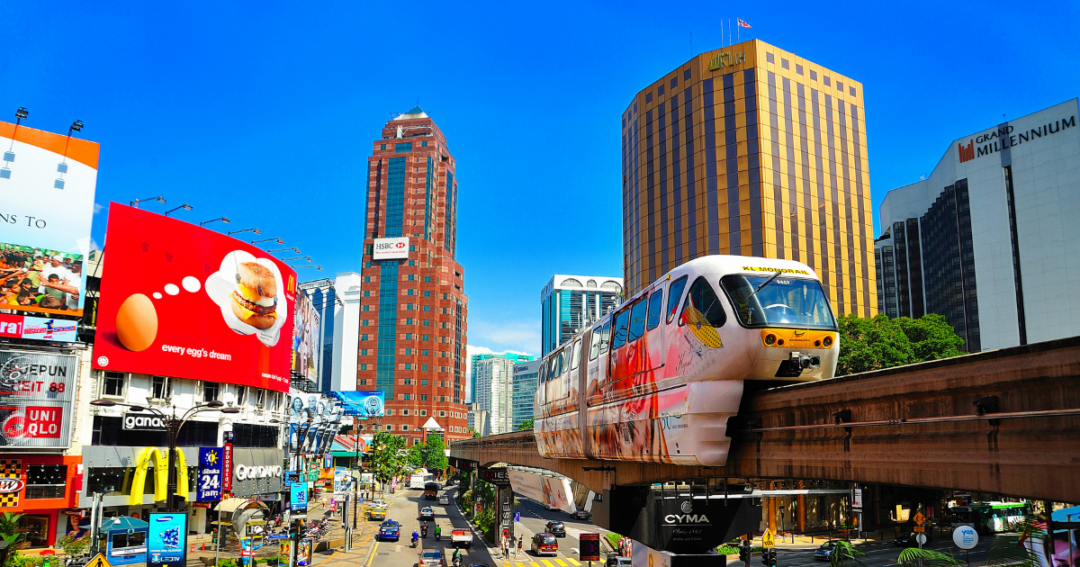
TL;DR1. Klang Valley high-rise homes generally produce 3.0% to 5.5% gross rental yield a year.2. Rail-linked, mid-market areas typically reach 4.8% to 7.5%, and in some cases up to 8.0%.3. Premium city-centre addresses sit lower at 3.5% to 5.0%, because entry prices are high.4. Net yield lands roughly 0.8 to 1.5 percentage points below the gross figure after maintenance, quit rent, vacancy and management costs.5. Shop-offices show 5.0% to 7.0% gross, but carry longer vacancy risk and heavier tenant management.6. The five structural reasons to invest: rental demand, price diversity, connectivity, economic growth and lifestyle amenities. Klang Valley is known as the most desirable place to invest in Malaysia. The area is known for its dynamic urban living, accessibility, and robust rental market. In 2026, investing in Klang Valley continues to be a wise choice, offering potential capital gains and diverse property options. This guide will present five compelling reasons to invest in your next property in the Klang Valley. 5 Reasons Why You Should Invest in Klang Valley1. Strong Property Demand and Growing Rental Market2. Abundance of Property Choices at Various Price Points3. Exceptional Accessibility and Connectivity4. Promising Economic Growth and Investment Potential5. A Lifestyle Hub with World-Class AmenitiesAdditional Insights 1. Strong Property Demand and Growing Rental Market The high demand for housing is a primary factor contributing to the Klang Valley's investment appeal. As one of Malaysia's most sought-after locations, the rental market is robust and appealing to locals and expatriates. The strategic location of Klang Valley, when combined with its expanding population and ongoing infrastructure development, guarantees a steady demand for rental properties. Rental yields here have been consistently strong, but "strong demand" and "strong yield" are not the same thing. Whether you're investing in luxury condominiums in Kuala Lumpur or more affordable apartments in areas like Shah Alam and Subang Jaya, the rental market in Klang Valley offers excellent returns. How Much Rental Yield Can You Actually Expect in Klang Valley? Residential high-rise investments in the Klang Valley can produce varying levels of rental income depending on their location, positioning, purchase price, and tenant profile. In general, gross rental returns are estimated at around 3.0% to 5.5% annually. Properties in premium city-centre locations tend to sit toward the lower end of this range. Developments in more affordable, densely populated, or rail-connected areas may achieve substantially stronger returns, in some cases reaching 5.0% to 8.0%. The headline rental yield does not represent the actual cash return received by an owner. Once expenses such as maintenance charges, quit rent, periods without tenants, and property management costs are taken into consideration, the net yield may be approximately 0.8 to 1.5 percentage points below the gross figure Rental Yield Patterns Across Different Property Segments SegmentTypical areasGross yieldEstimated net yieldPremium and high-end residentialKLCC, Mont Kiara, Bukit Damansara, Bangsar3.5% to 5.0%2.0% to 4.2%Urban mid-market and rail-linkedCheras, Old Klang Road, Sentul, Sri Petaling4.8% to 7.5%3.3% to 6.7%Commercial shop-officeSuburban commercial hubs across KL and Selangor5.0% to 7.0%3.3% to 6.7% 1. Premium and High-End Residential Properties located in established upscale districts and central business areas generally produce gross rental yields of approximately 3.5% to 5.0%. These locations benefit from demand among expatriates, corporate employees, and affluent professionals. The catch is the entry price. The relatively high acquisition prices in these neighbourhoods can limit the percentage return generated from rental income. 2. Urban Mid-Market and Rail-Linked Locations More affordable condominiums and high-rise residences situated near employment centres and public transportation networks can offer stronger income potential. Areas such as Cheras, Old Klang Road, Sentul, and Sri Petaling typically fall within a gross yield range of 4.8% to 7.5%. Accessibility to major employment areas and LRT or MRT stations helps attract young professionals and other tenants who prioritise convenient commuting. 3. Commercial Shop-Office Properties Shop-office investments generally offer higher potential rental returns, with gross yields commonly estimated at 5.0% to 7.0%. After operating expenses, net returns may fall to approximately 3.0% to 5.0%. The trade-off is a greater exposure to vacancy periods and the need for more active tenant management compared with residential properties. Worked Example: Gross Yield vs Net Yield The formulas are straightforward: Gross yield = (monthly rent x 12) ÷ purchase price x 100Net yield = (annual rent minus annual costs) ÷ purchase price x 100 Take a RM500,000 condominium in Old Klang Road rented out at RM2,300 a month. Annual rent: RM27,600, giving a gross yield of 5.5% Maintenance and sinking fund at RM230 a month: RM2,760 Quit rent and assessment: about RM800 Vacancy allowance of one month: RM2,300 Property management at 5% of rent: RM1,380 Total annual costs: RM7,240 Net rental income: RM20,360, giving a net yield of 4.1% Overall Investment Considerations There is no single rental-yield figure that applies uniformly across the Klang Valley. Returns can differ significantly based on property pricing, location, accessibility, development type, tenant demand, competition, and ownership expenses. For this reason, investors should look beyond the advertised gross yield. Comparing the expected rental income against the purchase price, vacancy allowance, maintenance charges, management expenses, and other recurring costs provides a more realistic indication of the property's potential cash return. 2. Abundance of Property Choices at Various Price Points Klang Valley offers an array of property options to suit different budgets. From the luxurious condominiums in Mont Kiara and Bukit Damansara to the more affordable landed properties in areas like Bandar Bukit Tinggi and Angkupuri, prospective buyers can find something that fits their needs. The median price of properties in Klang Valley varies widely depending on location and type. For example, luxury condominiums in Kuala Lumpur and Bukit Tunku command higher median transacted prices due to their prime locations and high-end amenities. In contrast, areas like Klang and Port Klang offer more affordable options with good potential for capital appreciation. Price diversity is what makes Klang Valley workable for both first-timers and seasoned investors 3. Exceptional Accessibility and Connectivity Klang Valley's accessibility is one of its most significant advantages. The area is well connected by a network of major highways, including the Federal Highway, New Pantai Express, and the East-West Link. These roads provide easy access to various parts of Kuala Lumpur and Selangor, making it convenient for residents and workers. Public transportation options in Klang Valley are also abundant, with several MRT and LRT lines serving the area. Connectivity is not a lifestyle perk here, it is a yield driver This ease of public access and private transportation makes it an ideal location to invest in a property with high rental potential. 4. Promising Economic Growth and Investment Potential Klang Valley's economy is experiencing rapid growth, attracting domestic and international investors. Main developments like the Tun Razak Exchange (TRX) and the MRT 2 Line have significantly boosted investor interest and driven property values. Property transactions in Klang Valley have experienced a steady rise, with investor transactions outperforming other regions in Malaysia. The median transacted price for properties in Klang Valley has shown a steady upward trend, reflecting the area's strong investment potential. Capital appreciation and rental yield tend to pull in opposite directions. Areas with the fastest price growth often show compressed yields, simply because prices climb faster than rents. 5. A Lifestyle Hub with World-Class Amenities Klang Valley is a business hub and a lifestyle destination. The area offers recreational facilities, educational institutions, and communal spaces, making it a desirable location for families and young professionals. From shopping malls like Mid Valley to reputable schools and universities, Klang Valley provides a balanced urban living experience. The presence of reputable developers in Klang Valley ensures that new property developments meet high standards of quality and design. This attention to detail, combined with the area's strategic location, makes Klang Valley an ideal choice for those looking to invest in a property that offers lifestyle benefits and financial returns. Additional Insights Comparing Investor Transactions and Market Trends When looking at investor transactions carried out in Klang Valley, it's clear that the area remains a hotspot for property investment. The actual transaction data reveals a healthy market, with median pricing trends based on recent property transactions indicating steady growth. Investors looking for property investment opportunities in Klang Valley can benefit from analyzing these median pricing trends. Comparing prices across different neighborhoods, such as Bukit Tunku and Damansara, can offer insights into areas with the potential for robust capital appreciation. The Role of Strategic Location and Accessibility Klang Valley's strategic location is a focus factor in its appeal to investors. Its proximity to key commercial and industrial zones, such as the principal port and the international industrial area, enhances its attractiveness for investment. This location advantage, combined with major highways and public transportation options, ensures that properties in Klang Valley remain highly accessible and desirable. The Impact of Market Trends on Property Investment Various factors, including the overall economic climate and specific trends within the real estate sector, influence the property market in Klang Valley. For instance, the median price of properties has increased over the years, reflecting the area's growing appeal as an investment destination. Compared to other regions, investor activity shows that Klang Valley offers more bargaining power for buyers, especially when considering the long-term potential for capital appreciation and rental yield. The current property value estimates suggest that investing in Klang Valley can be highly profitable, particularly for those looking to leverage refinancing options or take advantage of existing mortgage opportunities. Key Takeaways Klang Valley remains Malaysia's most active property investment market in 2026, backed by population growth, rail expansion and steady price appreciation. Expect 3.0% to 5.5% gross rental yield on residential high-rise, with rail-linked mid-market pockets reaching 4.8% to 7.5%. Deduct 0.8 to 1.5 percentage points from any gross figure to estimate your real net return. Prime addresses buy you stability and capital growth, not yield. Mid-market rail-linked units buy you cash flow. Always assess the immediate neighbourhood and incoming supply, not just area-level averages In conclusion, investing in Klang Valley in 2026 offers numerous benefits, from strong property demand and diverse investment property options to excellent accessibility and promising economic growth. Whether you're a first-time homebuyer or a seasoned investor, Klang Valley provides a unique opportunity to secure a property in one of Malaysia's most dynamic regions. Invest in Klang Valley today and take advantage of all the benefits this thriving region has to offer. Are you looking for a property in Klang Valley? We want to hear from you, so drop a name, and let’s talk business! [hubspot portal="5699703" id="85ebae59-f425-419b-a59d-3531ad1df948" version="undefined" type="form"] Continue Reading: Muhazrol: By 2035, Solar Could Top Every New Home in Malaysia Fixed Deposit: Which Bank Has the Best FD Rates for AUG 2024? + Quick Guide to Fixed Deposits (FD & FD-i) Best House Loan Interest Rates to Get in July 2024

14 Aug, 2026
Not Just 10% Downpayment? 7 Hidden Fees You May Not Think Of When Buying Your First Home!
As you take your first steps toward homeownership, it's essential to be prepared for the journey ahead. While you've probably heard about the 10% down payment, typically around 10% of the property price, although this can vary depending on the financing arrangement. There's actually a whole lot more to consider. Buying a home comes with several upfront and ongoing expenses beyond the purchase price. In Malaysia, these additional costs can often amount to around 7%–12% of the property price, depending on the property, financing arrangement, and applicable fees. Let's discover some fees you may not have thought about when buying a home! 7 Hidden Fees When Buying a Home1. Stamp duty feesLatest stamp duty fees on the MOT or DOA2. Legal feesHow are legal fees calculated in Malaysia?3. Property Valuation Fee4. Home insurance5. Loan Processing / Administrative Fees6. Monthly maintenance & sinking fund7. Utility fees8. Furnishings and maintenance9. Malaysian property tax Upfront and Legal Costs Down payment: Typically around 10% of the property price, although this can vary depending on the financing arrangement. Stamp duty: Government taxes charged on the transfer of property ownership and on loan documents. Legal and disbursement fees: Payments to lawyers for preparing and processing the Sale and Purchase Agreement (SPA), loan documents, and related paperwork. Property valuation fee: A fee for assessing the property's market value, particularly when required by the lender for financing purposes. 1. Stamp duty fees You can never run away from stamp duty fees. This is the tax placed on your property documents during the sale or transfer of the property which must be stamped within 30 days from the date of transaction. What are some examples? Stamp duty on the Sale and Purchase Agreements (SPA) of your property Stamp duty on Deed of Assignment (DOA) / Memorandum of Transfer (MOT) paid by new property owner Stamp duty on your loan agreement (0.5% of the total loan) Latest stamp duty fees on the MOT or DOA Price Tier Stamp Duty Malaysia (% of property price) First RM100,000 1% RM101,000 – RM500,000 2% RM500,001 – RM 1 million 3% > RM 1 million 4% Payment of stamp duty can be now done online on the LHDN official website through the Stamp Assessment And Payment System or STAMPS. But good news... But good news… First-time homebuyers who purchase a residential property priced at RM500,000 or below can still enjoy 100% stamp duty exemption on the instrument of transfer and loan agreement. Under Budget 2026, this exemption has been extended for another two years, from 1 January 2026 to 31 December 2027. For properties priced RM500,001 to RM1 million, the previous 75% stamp duty exemption under i-Miliki applied to sale and purchase agreements executed from 1 June 2022 to 31 December 2023, so buyers should check the latest stamp duty treatment with LHDN or their lawyer before signing. For the transfer of property between family, stamp duty on the instruments of transfer of property will be fully exempted for the first RM1 million of the property’s value. 2. Legal fees If you're unfamiliar with the proceedings of creating a Sales and Purchase Agreement, you might have to appoint a lawyer to help you with it. They will prepare all the necessary documents and contracts to facilitate the transfer of the property. The fees are then calculated as a percentage of the purchase price. How are legal fees calculated in Malaysia? The legal fee rates in Malaysia are as below: PRICE TIER LEGAL FEE (% of property price) First RM500,000 1% RM500,001 – RM 1 million 0.8% RM1,000,001 – RM 3 million 0.7% RM3,000,001 – RM 5 million 0.6% > RM 5 million 0.5% Note that some developers may absorb the legal fees but you will always need to pay the stamp duty yourself as a buyer. Read: ENGLISH MARKET INSIGHTS [Latest Update] The Solicitors’ Remuneration Order 2023 (SRO 2023) 3. Property Valuation Fee A property valuation fee is the amount paid to a professional property valuer to estimate the current market value of a property. For a home purchase, it is commonly relevant when you apply for a bank mortgage. The bank wants to confirm that the property is worth enough to support the amount it is lending. Simple example Suppose you want to buy a house for RM500,000 and apply for a loan of RM450,000. The bank may appoint or require a registered valuer to assess the property. If the valuation comes back at: RM500,000 → the bank may be comfortable with the purchase price. RM450,000 → the bank may base its financing on RM450,000 rather than RM500,000, potentially requiring you to provide more cash. RM550,000 → this doesn't necessarily mean you'll get a larger loan; the bank will still apply its own financing rules. The valuation typically considers things such as location, property size, condition, comparable recent sales, and current market conditions. Who pays it? Usually, the buyer/borrower pays the valuation fee when a valuation is required for the mortgage. It is separate from your legal fees, stamp duty, and down payment. Also, not every property purchase necessarily involves a separate valuation fee. For example, the bank's requirements can differ depending on the type of property and financing arrangement. Financing and Insurance Costs Mortgage or fire insurance: Insurance or takaful coverage that may be required as part of the home financing arrangement to protect the property or outstanding loan. Loan processing or administrative fees: Charges imposed by the lender for processing and setting up the home loan 4. Home insurance Most banks will require buyers to purchase insurance on their homes as part of the housing loan package to protect the value of the property. The common options include: Mortgage Reducing Term Assurance (MRTA) Most popular and economical option Mortgage Level Term Assurance (MLTA) Sum assured remains constant or level throughout the policy period Term Life insurance Oldest and most common life insurance 5. Loan Processing / Administrative Fees Loan processing / administrative fees are charges that a bank or lender may charge for setting up and processing your home loan. Think of them as bank-related fees, separate from the lawyer's fees and government stamp duty. What might they cover? Depending on the lender, they may include costs for: Processing your loan application Credit checks and verification Preparing loan documentation Opening or setting up the loan account Administrative or documentation work Other charges related to approving and disbursing the loan Example If you're buying a RM500,000 house and taking a RM450,000 mortgage, the bank may have certain administrative or processing charges associated with setting up the RM450,000 loan. However, don't assume every home loan has a separate processing fee. Some lenders may waive these charges or include certain costs elsewhere in the loan package. In simple terms Loan processing / administrative fees = fees charged by the lender for handling and setting up your home loan. It's also worth checking the bank's Letter of Offer and loan documents to see exactly which fees apply, because the amount and terminology can vary between lenders. Moving-In and Ongoing Costs Maintenance and sinking fund: For strata properties such as condominiums and apartments, owners typically pay monthly maintenance charges and contributions toward future major repairs. Utility and connection fees: Deposits and setup charges for electricity, water, internet, and other essential services. Renovation and moving expenses: These may include renovation work, moving services, building management deposits, access cards, and other move-in-related charges 6. Monthly maintenance & sinking fund When you purchase a property in a strata/gated community, you become a part of a private community that's managed by a Joint Management Body (JMB). You'll typically be making regular contributions to cover these familiar expenses: Maintenance fees: Fees to keep common facilities, like elevators, swimming pools, and gyms, in good working condition, plus other common services such as cleaning and security. Sinking fund: A larger sum of money set aside for unexpected, significant community expenses such as an elevator break down. It's a good idea to talk to your JMB to find out how much you're expected to contribute. 7. Utility fees Without a doubt, you'll need basic utilities for your new home - which come at a cost as well. You'll need to prepare some allocations for: Electricity from Tenaga Nasional Berhad (TNB) Water supply Sewerage services provided by Indah Water Internet or broadband connection To sign up for these services, you'll fill out forms, pay a deposit, and cover fees for installation and paperwork. 8. Furnishings and maintenance One more thing to take into account is of course, the furnishings and the overall look of your home - including its maintenance. It can be an additional cost to keep your home looking timeless, especially the things you don't normally see such as the lawn, the decorations for your balcony, etc. If your home comes with furniture, remember that there will be an additional penny to pay to take away your unwanted items. With thoughtful financial planning and a bit of savvy, you'll be well on your way to making that dream of owning your own space a reality. 9. Malaysian property tax As a homeowner, you are legally required to pay tax on your property every year. Here are some of the types of tax to take note of: Quit rent (cukai tanah) Collected by the state government’s Land Office or Pejabat Tanah Dan Galian (PTG). For highrises in some states, quit rent is charged to the Joint Management Body (JMB) and they include it as part of your maintenance charges. Parcel tax (cukai petak) A relatively new tax introduced in Penang and Kuala Lumpur so far. It is also collected by the state government’s Land Office or Pejabat Tanah Dan Galian (PTG). Parcel tax is equivalent to quit rent for property divided into parcels such as apartments. Property assessment rates (cukai pintu) Property assessment rates are collected by local councils to be used in developing and maintaining local area infrastructure and services such as public parks and garbage collection services. In short, the cost of buying a home goes well beyond the property's advertised price. From the down payment and legal fees to stamp duty, loan-related costs, insurance, valuation fees, renovation, moving expenses, and ongoing maintenance, these additional costs can add up quickly. Planning for them in advance helps ensure you have enough cash available not only to complete the purchase, but also to settle in comfortably and manage the first few months of homeownership. Thinking about buying your first home? Share the approximate price of the property you’re considering and whether it’s a landed property or a high-rise condo. If you're unsure about your budget, financing, or the overall buying process, our IQI real estate negotiator is ready to help guide you through your first-home journey. Drop your details below and let our team help you take the first step towards owning your home. [hubspot type=form portal=5699703 id=85ebae59-f425-419b-a59d-3531ad1df948]

You have been working as a Real Estate Negotiator (REN) for a few years. You know how to find clients, conduct viewings, follow up with buyers and close deals. But eventually, another question may come to mind: What comes after being a Real Estate Negotiator? Many people enter real estate because of its income potential. But a career in property does not have to be only about closing more deals and earning more commission. There is also room to move into leadership, build a team, mentor other negotiators and even work towards becoming a Registered Estate Agent (REA). At IQI Global, for example, an REN can progress from being an individual property salesperson into leadership positions such as Head of Team and Team Manager. At the same time, Malaysia also has a separate professional pathway regulated by the Board of Valuers, Appraisers, Estate Agents and Property Managers (LPPEH) for those who want to eventually qualify as Registered Estate Agents. So if you are already an REN and wondering where this career could take you next, there is more than one direction you can choose. Key Takeaway A Real Estate Negotiator career can grow beyond individual sales and commission. At IQI Global, RENs can progress into leadership roles such as Head of Team and Team Manager. The LPPEH professional pathway is separate: REN, PEA and eventually REA. Career progression may involve stronger leadership, team building, mentoring and professional qualifications. Real Estate Is Not Just a Career With Unlimited Income One of the biggest attractions of becoming an REN is that your income is closely connected to your performance. Close more transactions and your earning potential can increase. But after several years in the industry, success may start to mean something different. Instead of asking: "How many properties can I personally sell?" You may start asking: "How many people can I help succeed?" That is where career progression starts to look different. An experienced REN may choose to: become a specialist in a particular property market develop and mentor newer negotiators build and lead a property team move into larger leadership positions pursue professional registration as an estate agent eventually develop a much bigger real estate business In other words, your next level does not necessarily have to mean simply working harder to close more deals. It can mean taking on more responsibility, greater leadership and a bigger role within the industry. Career Path 1: Grow From REN to Real Estate Leader For negotiators who enjoy sales, mentoring and building teams, leadership can become the natural next stage of their careers. At IQI Global, a simplified career progression can look like: Real Estate Negotiator → Leadership Roles → Head of Team → Team Manager → Higher Leadership The exact journey is not necessarily identical for every negotiator. Performance, leadership ability, team development and other requirements can influence how an individual progresses. What changes as you move upwards is your role. Stage 1: Real Estate Negotiator This is where many property professionals begin. As an REN, your focus is largely on developing your own business. That means learning how to: generate leads understand properties and projects communicate with buyers and sellers conduct property viewings negotiate follow up consistently manage transactions build referrals This stage is important because strong leaders normally need to understand the work their team members are doing. Before you can teach someone how to build a property career, you first need experience doing it yourself. But becoming good at sales does not mean you have reached the end of the career path. It may only be the beginning. Stage 2: Moving Into Leadership As you gain experience, you may eventually start helping newer negotiators. Perhaps someone asks you how to handle a difficult client. Another REN asks for advice on presenting a project. You start sharing your prospecting method, helping with negotiations or bringing new people into the industry. This is where the job begins changing. You are no longer thinking only about your own transactions. You are also helping other people improve theirs. And that requires a different set of skills. A good salesperson knows how to sell. A good leader also needs to know how to teach, motivate, communicate and develop people. Stage 3: Head of Team For negotiators who successfully develop their leadership capabilities, becoming a Head of Team can be another major milestone. At this level, the responsibility becomes much bigger. Instead of managing only your personal pipeline, you may also be involved in: developing team members recruiting and onboarding negotiators conducting training helping agents overcome challenges setting team goals building team culture improving overall team performance IQI has real examples of negotiators progressing into this type of leadership position. For instance, Ven Tee progressed to Head of Team in 2020 before becoming a Team Manager in 2023. His team later grew to more than 1,000 agents. Other IQI leaders have followed similar paths. Hugo Chan's journey, for example, progressed through team leadership and Head of Team before he became a Team Manager. These examples show an important point: Career growth in real estate can eventually become less about how many properties you personally sell and more about how many people you are capable of leading. Stage 4: Team Manager Team Manager takes that responsibility even further. By this stage, you are not simply developing individual negotiators. You may be developing leaders who are building their own teams. Your thinking therefore changes again. You need to consider: How do we grow the organisation? How do we develop future leaders? How do we create systems that help hundreds of agents perform better? How do we build a team that can continue growing without depending on one person? This is a very different career from being an individual REN. The property industry may be the same, but your role has evolved from selling property to developing people and building an organisation. And for ambitious leaders, Team Manager does not necessarily have to be the final destination. IQI has previously documented agents setting their sights on higher leadership positions beyond Team Manager as their teams and responsibilities grow. Career Path 2: REN to PEA to Registered Estate Agent There is another pathway that experienced RENs should understand. It is: REN → PEA → REA However, there is an important difference. This is not the same as being promoted from REN to Team Leader or Team Manager. It is a professional registration pathway regulated by LPPEH. What Is the Difference Between REN, PEA and REA? Real Estate Negotiator (REN) An REN works under a registered estate agency and performs real estate negotiation activities under the supervision of the agency. For many Malaysians entering property sales, this is the most common starting point. Probationary Estate Agent (PEA) A PEA is someone registered with the Board as a Probationary Estate Agent while completing the professional requirements towards becoming a Registered Estate Agent. Becoming a PEA is therefore not an automatic promotion after working as an REN for a certain number of years. Candidates need to fulfil the relevant academic, examination and registration requirements prescribed by LPPEH. The probationary period also involves practical training and documentation of professional experience. LPPEH guidance refers to the completion of two years of practical training and requirements connected with the Test of Professional Competence. Registered Estate Agent (REA) The REA represents another professional level. A person seeking registration needs to satisfy the Board's prescribed qualifications, practical training and professional competency requirements. LPPEH's registration documentation specifically refers to recognized qualifications, practical training and the Test of Professional Competence (TPC). An REA can carry responsibilities that an REN cannot independently undertake, including operating estate agency practice subject to the relevant regulatory requirements. This is why the REN and REA titles should not be treated as interchangeable. So Which Career Path Should an REN Choose? Here is the good news: You do not necessarily have to look at them as competing career paths. Think of them as two different types of progression. Leadership ProgressionProfessional ProgressionReal Estate NegotiatorReal Estate Negotiator↓↓Team leadershipMeet professional qualification requirements↓↓Head of TeamProbationary Estate Agent↓↓Team ManagerPractical training + TPC requirements↓↓Higher LeadershipRegistered Estate Agent The leadership pathway is about building people and organizations. The professional pathway is about obtaining higher professional registration within Malaysia's regulated estate agency profession. Depending on your ambitions, you may pursue one or eventually work towards both. What Skills Do You Need to Move Beyond REN? Closing a lot of deals is useful. But it does not automatically make someone a good leader. Once you want to move beyond being an individual REN, different abilities become increasingly important. 1. Leadership Your results are no longer measured only by what you can accomplish yourself. You need to help others perform as well. That means knowing when to teach, when to listen and when to lead. 2. Coaching New negotiators will make mistakes. They may struggle with prospecting, presentations, rejection, negotiations or even confidence. An experienced leader needs to turn personal experience into something another person can actually learn from. 3. Communication Managing one client is different from communicating with an entire team. As your responsibilities grow, clear communication becomes increasingly important. 4. Recruitment and Team Building A strong property team does not appear overnight. Leaders need to identify potential talent, bring the right people together and create an environment where they can develop. 5. Systems and Technology When you handle ten clients, you may be able to keep many things in your head. When you are helping to manage dozens or hundreds of agents, that becomes impossible. Systems become important. At IQI, agents have access to technology such as the Atlas SuperApp, alongside training and mentorship designed to support their development and day-to-day property business. citeturn496292search7 6. A Long-Term Mindset Perhaps the biggest change is how you think about your career. At the beginning: "How do I close my next deal?" Later: "How do I build a consistent business?" Then: "How do I help my team succeed?" And eventually: "How do I develop the next generation of leaders?" That is career progression. You Do Not Have to Stay at the Same Level Forever It is easy to look at real estate as a profession where everyone simply keeps selling property year after year. That does not have to be the case. Your first REN tag can be the starting point of a much longer career. You can become a stronger salesperson. You can specialise in a particular market. You can become a mentor. You can build a team. You can become a Head of Team. You can work towards becoming a Team Manager and potentially move into even larger leadership roles. And if professional registration is part of your long-term ambition, you can explore the requirements towards becoming a PEA and eventually a Registered Estate Agent. The real question is no longer: "How much can I earn as an REN?" It becomes: "How far do I want to take my real estate career?" FAQs What is the career path for a Real Estate Negotiator in Malaysia? A REN can grow into team leadership and management roles within a real estate agency. Those interested in professional registration can also pursue the separate pathway towards PEA and REA status. What comes after REN in Malaysia? There is no single automatic next position. Within an agency, experienced RENs may progress into leadership roles. Professionally, those who meet LPPEH requirements may pursue registration as a Probationary Estate Agent. Can a REN become a Real Estate Agent in Malaysia? Yes, but becoming a Registered Estate Agent is not an automatic promotion from REN. The individual must meet LPPEH's qualification, practical training and professional competency requirements. How long does it take to become an REA in Malaysia? The professional pathway includes a probationary period with practical training before completing the relevant competency requirements. I would verify the latest LPPEH requirements before publishing this answer because regulatory details can change. Can a Real Estate Negotiator become a team leader or manager? Yes. In agencies such as IQI Global, experienced negotiators may progress into leadership roles such as Head of Team and Team Manager based on their performance, leadership capabilities and team development. Is being a Team Manager the same as being an REA? No. A Team Manager is an organisational leadership position, while an REA is a professional registration recognized under Malaysia's regulated estate agency framework. Build Your Next Stage With IQI Global If you already have experience as a Real Estate Negotiator but feel that you have reached a point where you want more than your next commission cheque, your next move may be about finding the right environment to grow. IQI Global provides negotiators with an ecosystem that includes training, mentorship, technology and opportunities to learn from experienced real estate leaders. citeturn496292search7turn496292search16 Whether your ambition is to strengthen your sales career, build your own team or eventually become one of the leaders developing the next generation of property professionals, there is still another level to work towards. Your REN tag got you into the industry. Now decide where you want it to take you next. [custom_blog_recruit_form] Related article: 5 Simple Steps to Verify a Real Estate Agent’s License Before Appointing them in Malaysia! Top 5 Career Paths of 2022 with Positive Outlooks Types of Property Agencies in Malaysia: A Comprehensive Guide

Thinking of giving your home a fresh new look in 2027? Before choosing between beige, green or that beautiful red you saved on Pinterest, you might want to see what Feng Shui says about colors for the year. In Chinese Feng Shui, colors are more than decoration. Different colors represent different elements and are traditionally believed to influence the energy and feeling of a space. And no, this does not mean you need to repaint your whole house red just because red is considered lucky. For 2027, the better approach is surprisingly simple: keep your main wall colors comfortable and timeless, then use Feng Shui colors in the right areas of your home through feature walls, furniture and smaller decorations. Here is an easy guide to decorating your home with Feng Shui in mind for 2027What Are the Lucky Colors for 2027?What Do Colors Mean in Feng Shui?Which Wall Colors Should You Choose in 2027?2027 Feng Shui Colors for Different Parts of Your HomeWhich Areas Should You Be More Careful With in 2027?Should You Paint Your Walls Based on Feng Shui Every Year?What Are the Lucky House Numbers for 2027?Does Feng Shui Matter When Decorating a Property for Sale?Do You Need to Follow Every Feng Shui Color in 2027?Frequently Asked QuestionsMake 2027 a Fresh Start for Your HomeLooking for the Right Property? What Are the Lucky Colors for 2027? 2027 is the Year of the Fire Goat (丁未年), which brings together the elements of Fire and Earth. Because of this, you may see colors such as red, purple, pink, orange, yellow, beige and brown appearing in 2027 Feng Shui recommendations. But there is an important point homeowners should know. There is no single lucky color that you need to use throughout your entire house. In Feng Shui, different parts of a home are associated with different energies. A color that works well in your living room may not necessarily be the best choice for your bedroom or home office. Instead of asking: "What is the luckiest color for 2027?" A more useful question is: "Which colors should I use in different parts of my home?" What Do Colors Mean in Feng Shui? Feng Shui traditionally groups colors according to the Five Elements (五行): Wood, Fire, Earth, Metal and Water. You do not need to understand the whole theory to decorate your home. Here is the simple version: ElementCommon ColorsEasy Ways to Use Them at HomeWood 木Green, tealPlants, wooden furniture, green wallsFire 火Red, pink, purple, orangeCushions, artwork, lamps, feature wallsEarth 土Beige, cream, yellow, brownMain walls, ceramics, rugs, stoneMetal 金White, grey, silver, goldWalls, metal furniture, frames, decorationsWater 水Blue, navy, blackFurniture, artwork, smaller decorative pieces You probably already have several of these elements in your home without realising it. A wooden dining table represents Wood, for example, while warm lighting can bring in the feeling of Fire. That is why decorating with Feng Shui does not necessarily mean filling your home with Chinese ornaments or lucky charms. It can be incorporated into a modern home quite naturally. Which Wall Colors Should You Choose in 2027? If you are repainting your home in 2027, you do not have to follow one Feng Shui color for every wall. For most Malaysian homes, condominiums and apartments, I would recommend keeping the larger walls relatively neutral. Good options include: Warm white for a clean and brighter home Cream for a softer and warmer appearance Beige for an Earth-inspired interior Greige for a modern neutral look Soft sage green for a calmer, natural feeling Light grey for a simple contemporary interior These colors are much easier to live with and also easier to match with furniture. You can then introduce stronger 2027 Feng Shui colors through a feature wall, curtains, cushions, rugs, artwork, plants or furniture. This also means you do not need to repaint your entire home when Feng Shui recommendations change the following year. Choosing the right colours can make a home feel more comfortable, but finding the right home comes first. At IQI Global, we help buyers explore properties that match their lifestyle, preferred location and budget, so they can find a place that truly feels like home. Looking for your dream home? Explore your options with IQI Global and let our property consultants help you find the right fit. Explore Properties > 2027 Feng Shui Colors for Different Parts of Your Home In annual Feng Shui, different directions of the home are traditionally associated with different energies each year. For 2027, here is a simplified decorating guide. Direction2027 FocusColors & Décor to ConsiderSoutheastWealth & propertyBeige, cream, warm neutralsSouthStudy, creativity & relationshipsGreen, sage, natural woodSouthwestCareer & supportWhite, grey, metallic detailsCentreProsperity & recognitionRed, pink, purple, warm lightingNorthwestOpportunities & careerWhite, blue, metallic detailsNorthMore sensitive areaKeep colors calm and avoid too much redWestHealthWhite, grey, metallic detailsNortheastArguments & disagreementsSmall red, pink or purple accentsEastLoss & conflictKeep the area simple and balanced You do not have to follow every recommendation. If your home already has a design you love, think of this table as inspiration for small adjustments rather than strict decorating rules. 1. Living Room: Keep It Warm and Welcoming The living room is where families spend time together and where guests usually get their first impression of the home. For 2027, warm neutral colors are probably the easiest choice. Consider: Warm white + beige + natural wood + small red or green accents For example, you could have cream walls, a beige sofa, a wooden coffee table and introduce the year's stronger colors through cushions, artwork or plants. Image source: BloomLens Decor on Pinterest If the centre of your home falls within the living room, you can also consider small red, purple or pink accents, which represent the Fire element associated with the 2027 annual Star 9. You do not need a bright red wall. A burgundy cushion, warm lamp or piece of artwork can already introduce the color without overwhelming the room. 2. Bedroom: Choose Calm Before "Lucky" Your bedroom should still feel like somewhere you can rest. That is more important than forcing every lucky color of 2027 into the room. Image source: Jane Swayze from Pinterest For bedroom walls, consider softer colors such as: Cream | Warm white | Beige | Soft green | Muted pink If you want to introduce stronger colors such as red or purple, use them in smaller amounts through: cushions bedding artwork lamps decorative pieces A full bright-red bedroom may look festive, but it can also make the room visually intense. In this case, less is more. 3. Home Office: Bring in Green and Natural Wood Working from home? The South is associated with study, creativity and learning in the 2027 annual Feng Shui arrangement. Green and natural wood are therefore easy colors and materials to consider if your study or home office is located here. Try: Sage green wall + wooden desk + indoor plant + warm lighting Even if your office is not in the South, these colors can still create a comfortable workspace. Desk placement matters too. Image source: Home Decorations from Pinterest A common Feng Shui principle is to place your desk where you can see the entrance while working, rather than sitting with your back directly facing the door. A solid wall behind your chair is also traditionally associated with greater support and stability. 4. Kitchen: You Don't Need More Fire Everywhere The kitchen already contains a strong Fire element through cooking. Because of this, you do not necessarily need to make your entire kitchen red just because 2027 is a Fire Goat year. Instead, balance the space with: Warm white | Cream | Light beige | Natural wood | Soft green Image source: Marion HV ? from Pinterest For example: White cabinets + beige backsplash + wooden dining table + green plants This gives the kitchen a warm feeling without making the space visually heavy. 5. Entrance: Make Your Home Feel Bright and Open The entrance is particularly important in traditional Feng Shui because it is considered one of the main points through which energy enters a home. From an interior-design perspective, it is also the first thing you and your guests see. So keep it: Bright, clean and uncluttered. You can use: warm white or cream walls good lighting a neat shoe cabinet healthy plants where appropriate simple artwork a clean and clearly visible entrance Image source: Home Glow Studio from Pinterest Avoid letting shoes, boxes or unused items pile up directly around the doorway. Sometimes good Feng Shui and good housekeeping lead to exactly the same advice. Which Areas Should You Be More Careful With in 2027? If you follow annual Feng Shui, there are several areas homeowners may want to treat more carefully in 2027. North The North receives the traditional Five Yellow (五黄) energy in 2027, which Feng Shui practitioners generally regard as an unfavourable annual influence. If possible, keep this area relatively calm. For decoration, consider white, grey or metallic accents rather than adding large amounts of strong red, orange or yellow. Major renovation or unnecessary drilling in this area is also traditionally avoided during the year. West The West is another area traditionally treated more carefully in 2027. White, grey and metallic decorations are commonly recommended here. If you already have beige or cream walls, however, this does not mean you immediately need to repaint them. Adding smaller decorative elements may be enough. Northeast The Northeast is traditionally associated with more argumentative energy in 2027. Small touches of red, pink, purple or warm lighting may be used here. Again, think accents rather than an entire red room. Should You Paint Your Walls Based on Feng Shui Every Year? Probably not. This is one of the biggest mistakes people can make when reading annual Feng Shui guides. Annual Feng Shui changes from year to year. Your wall paint does not need to. If you repaint your home every time the annual Feng Shui chart changes, decorating will become expensive very quickly. A more practical approach is: Permanent colors = neutral and timeless Think warm white, cream, beige, greige, soft grey and muted green. Annual Feng Shui colors = easy to change Think cushions, curtains, rugs, bedding, plants, artwork and decorations. This gives you the flexibility to refresh your home every year without turning Feng Shui into a renovation project. Image source: Pinterest What Are the Lucky House Numbers for 2027? Colors are not the only Feng Shui-related consideration that appears in property searches. Numbers matter to many Chinese property buyers too. In Chinese culture: 8 is commonly associated with wealth and prosperity.9 can represent longevity and something lasting.6 is often associated with things going smoothly. Meanwhile, 4 is sometimes avoided because its pronunciation resembles the word for "death" in several Chinese languages. This is why some buildings replace floor numbers such as 4 or 14 with alternatives such as 3A or 13A. However, a unit number alone does not determine whether a property has "good Feng Shui". The property's layout, entrance, orientation, surroundings and the needs of the people living there are also traditionally considered. So don't reject your dream home simply because there is a number 4 on the door. Does Feng Shui Matter When Decorating a Property for Sale? There is another practical side to all of this. Even if a potential buyer does not follow Feng Shui closely, many Feng Shui-friendly decorating ideas are also simply good interior-design principles. A home that feels: bright, clean, spacious, balanced and uncluttered is generally more attractive during a property viewing than one that feels dark, crowded or poorly maintained. If you are preparing a property for sale or rent, neutral walls such as warm white, cream, beige and greige can also make it easier for potential buyers or tenants to imagine themselves living there. Strong Feng Shui colors can then be introduced through smaller decorations rather than permanent design choices. Want to go a step further with your home layout? If you are unsure where to place your sofa, bed, desk or other furniture, or which decorations work best for your space, check out Mr. Cliff Tan from Dear Modern on Instagram. He shares simple, visual Feng Shui tips that make room planning much easier to understand, especially for modern homes and apartments. You can explore his ideas here: @dearmodern on Instagram Do You Need to Follow Every Feng Shui Color in 2027? No. Feng Shui should not stop you from decorating a home you genuinely enjoy living in. If you love blue but a Feng Shui article tells you that another color is luckier, you do not necessarily need to remove every blue item from your house. Use Feng Shui as one source of inspiration, alongside interior design, comfort, practicality and your personal taste. For 2027, the simplest approach is: Keep your walls timeless. Add stronger Feng Shui colors through decoration. Pay attention to where those colors are used. Your home should still feel like your home, not a Feng Shui color chart. Frequently Asked Questions What is the lucky color for a house in 2027? There is no single lucky color for every part of a home. Red, purple, pink and other warm colors are associated with the Fire element of 2027, while beige and earthy colors are also commonly linked with the year's Fire and Earth influences. However, Feng Shui color recommendations can change depending on the direction and room. What color should I paint my living room in 2027? Warm white, cream, beige and other soft neutrals are practical choices. You can add stronger Feng Shui-inspired colors such as red, purple, green or pink through cushions, artwork and other decorations. Is red a lucky color in 2027? Red represents the Fire element and can be incorporated into 2027 home decoration. However, you do not need to paint your entire home red. Small accents are often a more practical way to introduce it. Which direction is associated with wealth in 2027? In the 2027 annual Flying Star arrangement, the Southeast receives Star 8, traditionally associated with wealth and property. The centre receives Star 9, which is particularly important during the current Period 9 of Feng Shui. Which part of the house should I avoid renovating in 2027? Traditional annual Feng Shui advises particular caution with major disturbance in the North, while the West, Southwest and Northeast also have annual considerations in 2027. If you are planning a major renovation and follow Feng Shui closely, it may be worth consulting a qualified practitioner because the home's orientation and permanent Feng Shui chart also matter. Does a lucky house number improve property value? Not necessarily. Numbers such as 8, 9 and 6 have positive cultural associations among many Chinese buyers, but property value is primarily influenced by factors such as location, condition, size, accessibility, facilities, tenure and market demand. Make 2027 a Fresh Start for Your Home You don't need a major renovation to give your home a fresh feeling for 2027. Sometimes a new wall color, warmer lighting, a few plants or simply clearing an overcrowded entrance can completely change how a home feels. If you enjoy Feng Shui, use its colors and ideas as inspiration while keeping your home comfortable, practical and true to your personal style. After all, a beautiful home is not just about following the right colors. It is about creating a space where you genuinely enjoy living. Disclaimer: Feng Shui is a traditional Chinese practice and belief system. The information in this article is provided for lifestyle and general informational purposes and should not be treated as a guarantee of health, wealth, investment returns or other outcomes. Looking for the Right Property? Whether you are buying a home for your own stay or looking for your next property investment, finding the right property starts with understanding your needs, budget and preferred location. Interested in exploring your options? Fill in your details below and an IQI property consultant will get in touch with you soon to help you find a property that suits you. [custom_blog_form] Continue reading: Chinese New Year 2025: A Feng Shui Guide for A Transformative Year of the Snake When Numbers Add Up to an Auspicious Feng Shui Buy The Do's and Don'ts of Chinese New Year Traditions!
Ready to get started?
Get in touch now.