

Negotiator ∙ Juwai Cambodia
Seoung Kosal

About Seoung Kosal
Leveraging market knowledge and negotiation skills to deliver exceptional results. Your real estate success is my priority. Ready to make your real estate dreams a reality? Let's chat. Your dream home awaits.
Seoung Kosal Social Links
No social links available.
My Listings
No listings available at the moment.
Our newly launched projects
Discover the real estate properties in and around Cambodia, Cambodia. Buy apartment units, landed houses, bungalows, commercial office space, shop lots, and sub-sales with 100% confidence at IQI Global.
 Located in Phnom Penh
Diamond Bay Garden
DBG Tower A, Koh Pich St, Phnom Penh, Cambodia
Starting from $ 126,000
Listed on April 6, 2026
 Located in Phnom Penh
Orkidē The Royal Condominium
Street 2004, Sangkat Ou Baek K'am, Khan Sen Sok, Phnom Penh, Cambodia
Starting from $ 80,000
Listed on February 9, 2026
Mortgage Calculator
Calculate your estimated month repayment and plan your monthly expenses well.
The mortgage calculator is intended for reference only. Actual amount may vary.
Monthly Payment
Send me the mortgage calculator result

Home Loan Eligibility Calculator
Calculate your potential loan amount and assess your home buying affordability.

Rental Yield
Calculate the potential rental yield and evaluate a property's investment performance.

Down Payment Saving Plan
Create a structured savings plan and determine how much to save monthly for your down payment plan.

Malaysian Property Transaction Fees Calculator
Estimate the total transaction fees and budget accurately for your Malaysian property purchase.
IQI blog & news
Articles specifically curated for your daily digest of local and global real estate news.

5 Oct, 2026
Cambodia Property Market October 2026: Selective Stabilisation and Infrastructure-Led Growth
Recovery Remains Selective Cambodia’s real estate market continued to show gradual but uneven stabilisation in August 2026. Residential demand is becoming more selective, with the Borey segment remaining one of the more active residential categories, while condominium recovery is increasingly dependent on location. The National Bank of Cambodia’s residential property price index declined 3.67% year-on-year in January 2026, while Phnom Penh fell 4.52%, indicating that the market has yet to enter a broad-based recovery. Prime condominium locations are showing stronger resilience. Indicative 2026 pricing in BKK1 stands at around US$2,800–3,500 per sqm, compared with approximately US$1,400–1,800 per sqm in Chroy Changvar. The July groundbreaking of the 67-storey G.A.T.O. Tower in BKK1 also signals continued developer confidence in selected prime areas. Infrastructure Shapes Long-Term Opportunity Infrastructure remains one of the strongest drivers of Cambodia’s property outlook. Ring Road 3, the new Techo International Airport, and the southern and western expansion of Phnom Penh are strengthening the investment case for well-connected residential projects and land. For buyers and investors, current conditions favour realistic pricing, quality development, title security and infrastructure connectivity over broad speculative purchases. Outlook Cambodia’s recovery is likely to remain selective rather than broad-based. The strongest long-term opportunities are expected in affordable landed housing and well-connected growth corridors, particularly where infrastructure development and real economic activity can support sustainable demand. The contents of this article were contributed by Sorn Seap, Head of Juwai Cambodia. Download to see insights from other country marketsDownload
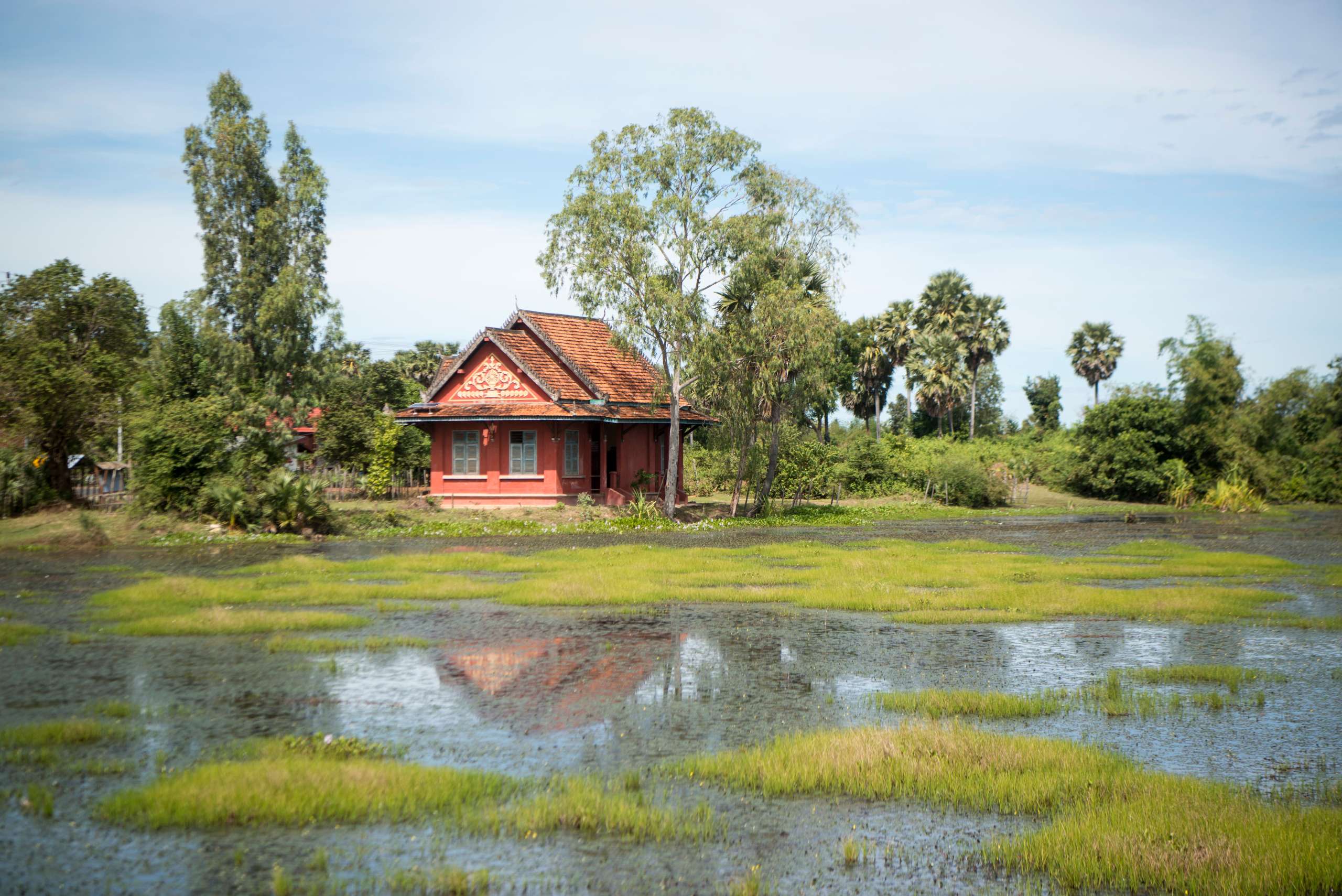
Recovery Led by Value and Infrastructure Cambodia’s real estate market is moving through a gradual and selective recovery, with buyer confidence improving but purchasing decisions remaining cautious. Demand is increasingly concentrated on properties offering strong value, good locations and reliable quality. Buyers are also placing greater importance on legal documentation, completed or reputable developments and long-term investment potential. Infrastructure remains one of the strongest drivers. Ring Road 3, the New Techo International Airport, and the continued expansion of southern and western Phnom Penh are reshaping development patterns and supporting demand for land and residential projects along key growth corridors. Landed Homes and Growth Corridors Lead The residential market is gradually stabilising, with the strongest demand seen in affordable and mid-market properties. The borey segment remains relatively active, although affordability, financing conditions and household purchasing power continue to influence sales. Condominiums are recovering more slowly. Performance remains highly location-dependent, while existing supply and absorption continue to weigh on some projects. By comparison, growth-corridor land continues to show some of the strongest long-term potential, particularly in areas benefiting from infrastructure development and urban expansion. Outlook Cambodia’s property recovery is expected to remain gradual rather than broad-based. Affordable landed housing and growth-corridor land are likely to remain the strongest-performing segments, while condominium recovery will favour projects with competitive pricing, strong locations, good quality and clear rental demand. As investors become more disciplined, opportunities are likely to favour buyers who focus on fundamentals, infrastructure and long-term value rather than short-term speculation. The contents of this article were contributed by Sorn Seap, Head of Juwai Cambodia. Download to see insights from other country marketsDownload

Cambodia’s Property Recovery Remains Selective Cambodia’s property market remains in a gradual recovery phase, with buyer confidence improving but transaction activity still selective. Demand is strongest in strategic locations supported by major infrastructure projects. Ring Road 3, Techo International Airport and development across southern Phnom Penh continue to strengthen interest in nearby land. Buyers are also becoming more cautious. Rather than purchasing based on broad market optimism, they are prioritising completed developments, realistic pricing and well-connected locations. This shift means recovery is not happening evenly across all property segments. Properties with clear infrastructure advantages and stronger long-term demand are performing better than projects relying mainly on speculative interest. Infrastructure-Led Land Outperforms The residential market remains generally stable, although demand is concentrated in selected projects and locations. The borey market continues to face pressure from weaker purchasing power and high existing supply. Cambodia’s condominium segment is also experiencing slow absorption, with limited investor demand affecting sales momentum. In comparison, land within major growth corridors is currently the strongest-performing segment. Infrastructure improvements are making these areas more accessible and commercially relevant, which supports both buyer interest and longer-term appreciation potential. The market increasingly rewards projects that offer clear value, practical locations and completed or visible development progress. Sellers and developers may therefore need to adjust pricing expectations and focus more closely on buyers’ concerns around quality, delivery and usability. Outlook Cambodia’s property recovery is expected to continue at a measured pace. Growth corridor land should remain the most promising segment, especially near major transport and infrastructure developments. Borey and condominium markets may improve gradually as economic confidence and purchasing power strengthen. For investors, the strongest opportunities are likely to remain in well-located, realistically priced and infrastructure-supported assets, rather than across the broader market. Download to see insights from other country marketsDownload

Cambodia Property Market Moves Into a More Disciplined Phase Cambodia’s property market in mid-2026 is showing signs of stabilisation, but recovery remains uneven across different segments. Headline prices are still correcting. The National Bank of Cambodia’s residential price index fell 3.67% year-on-year in January 2026, after a 3.8% decline in 2025. Phnom Penh recorded a sharper fall of 4.52%. However, the market is not moving in one direction. The borey landed housing segment remains one of the most active areas, supported by a growing middle class and better financing access. At the same time, the high-end Phnom Penh condo market showed some recovery in late 2025, with average prices rising around 5% to above US$2,800 per square metre in Q4. Cambodia also remains relatively affordable compared with other Southeast Asian capital-city markets, while rental yields are holding at a realistic 6% to 8% range. Infrastructure and Logistics Support Long-Term Demand The strongest growth drivers are now linked to infrastructure and real economic activity. The launch of Techo International Airport in September 2025 has redirected Phnom Penh’s expansion southward, while areas connected to Ring Road 3 and the new airport have seen land values rise sharply over the past decade. The industrial and logistics sector is also performing strongly, supported by regional supply-chain diversification. Meanwhile, the deferred 20% capital gains tax on immovable property until 1 January 2027 gives sellers a clear window to transact under the current tax regime. Outlook Cambodia’s property market is unlikely to see a broad-based surge in the near term. Instead, growth is expected to be gradual, disciplined and highly segmented. Affordable and mid-range properties in infrastructure-linked areas should outperform, while oversupplied luxury condos may remain challenging. For patient investors, 2026 presents a value-oriented entry window, especially in landed housing and growth-corridor land. Download to see insights from other country marketsDownload
Ready to get started?
Get in touch now.
