Negotiator ∙ IQI Sardinia
Immobiliare Sarda
Negotiator ∙ IQI Sardinia
Immobiliare Sarda

About Immobiliare Sarda
Professional Real Estate Agent committed to providing exceptional service and expertise in the property market.
11 properties on sale
3 properties on rent
Contact Immobiliare Sarda
Immobiliare Sarda Social Links
No social links available.
Immobiliare Sarda's Service Locations
My Listings
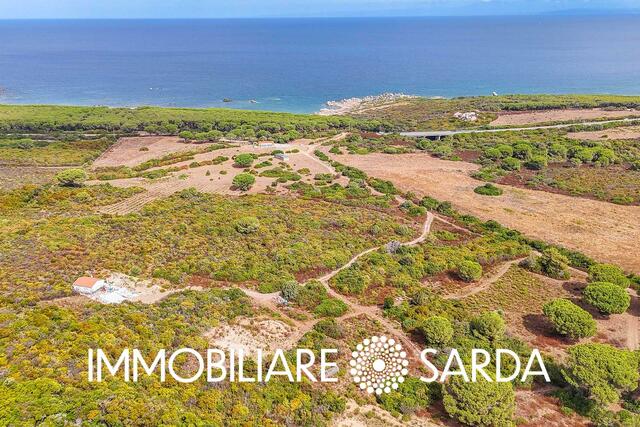
OLI-14-25 | Panoramic Villa with Sea View over the Gulf of Olbia, Private Pool and 5-Hectare Park | Osseddu, Olbia
Osseddu, Olbia
€ 2,200,000 /month
Listed on January 29, 2026
MAI-01-26 | Charming Apartment in Historic Building, La Maddalena
La Maddalena, Sardinia
€ 690,000 /month
Listed on February 12, 2026
ARI-01-25 - Villa with pool set in a large park – Arzachena
Surrau, Arzachena
€ 1,300,000
Listed on September 24, 2025
ARI-03-25 - Luxury Villa with Garden and Direct Sea Access - Baja Sardinia
Baja Sardinia, Arzachena - Sardinia
€ 1,650,000
Listed on September 25, 2025
ARI-06-25 | Villa with Pool and Panoramic Sea View in Liscia di Vacca | Porto Cervo
Liscia di Vacca, Porto Cervo
€ 2,600,000
Listed on November 19, 2025
ARI-07-25 | Villa with Private Pool and View of Pevero Golf Club | Costa Smeralda
Porto Cervo, Pevero - Sardinia
€ 3,900,000
Listed on December 2, 2025
Mortgage Calculator
Calculate your estimated month repayment and plan your monthly expenses well.
The mortgage calculator is intended for reference only. Actual amount may vary.
Monthly Payment
Send me the mortgage calculator result

Home Loan Eligibility Calculator
Calculate your potential loan amount and assess your home buying affordability.

Rental Yield
Calculate the potential rental yield and evaluate a property's investment performance.

Down Payment Saving Plan
Create a structured savings plan and determine how much to save monthly for your down payment plan.

Malaysian Property Transaction Fees Calculator
Estimate the total transaction fees and budget accurately for your Malaysian property purchase.
IQI blog & news
Articles specifically curated for your daily digest of local and global real estate news.
TL;DRBank Negara Malaysia has kept the OPR steady at 2.75% as of January 2026. This is great news for borrowers because home loan interest rates remain stable, keeping monthly installments predictable. Inflation is manageable at around 1.4%, and the economy is growing. For buyers, it is a sweet spot to enter the market before demand drives prices up. If you are on a floating rate, your payments won’t spike. We know that finance jargon can be as dry as toast. But when Bank Negara Malaysia decides on the Overnight Policy Rate (OPR), it is basically deciding the "price tag" of the money in your pocket. FYI, as of 22 Jan 2026, the OPR remains at 2.75%. You might be wondering, "Okay, but will this actually make buying a house cheaper for me, or is it just simple talk?" Whether you are a first-time or existing homebuyer or an investor, let's sit down, grab a coffee, and break down exactly what this means for your wallet without the headache. Key Takeaways Stability is King: BNM's decision to keep the Malaysia OPR 2026 rate at 2.75% provides a predictable environment for financial planning. Lower Repayments: Borrowers with floating-rate loans continue to enjoy lower monthly installments compared to the historical high rates of the past. Buyer's Market: With manageable financing costs, 2026 is shaping up to be an opportune time for property investment and first-time purchases. Focus on the Spread: Since the base rate is standard, your goal is to find the bank offering the lowest "spread" or profit margin. How OPR Affects Homebuyers and Investors?1. Why did Bank Negara Malaysia maintain OPR at 2.75%?2. What Does OPR 2.75% Mean for Home Buyers in Malaysia?3. How Does Bank Negara’s Interest Rate Decision Affect Housing Demand?4. Is 2026 a Good Time to Buy Property in Malaysia?5. Fixed vs Floating: What is the Best Strategy for Property Buyers in 2026?6. FAQs Regarding Malaysia OPR in Early 2026 1. Why did Bank Negara Malaysia maintain OPR at 2.75%? It often feels like a guessing game with the economy, but BNM’s move to hold the line at 2.75% is quite calculated. According to the Monetary Policy Statement by Bank Negara Malaysia on 22 Jan 2026, the global economy is actually doing a bit better than expected, thanks to lower tariffs and a tech boom driven by AI. Here is the situation: BNM isn't trying to slam the brakes (raise rates) or step hard on the gas (lower rates). They are "cruising." Inflation in Malaysia in 2026 is hovering at a very modest 1.4%. If prices of goods aren't skyrocketing, the central bank doesn't need to make loans expensive to cool us down. Let us give you an example: imagine the economy is a car. If it goes too fast (high inflation), you pull the handbrake (raise OPR). If it stalls, you push the gas (cut OPR). Right now, the car is driving smoothly at the speed limit. This stability is meant to keep the Ringgit steady and support domestic spending. 2. What Does OPR 2.75% Mean for Home Buyers in Malaysia? This is the part where the rubber meets the road. A stable, relatively low OPR directly translates into greater mortgage repayment affordability in Malaysia. When the OPR is low, the banks' cost of funds is low, and they pass (some of) that savings to you. According to Kenneth Soh from PropertyGuru & iProperty, clear insights are critical right now. He notes that this rate is a timely boost. Let's look at the numbers because they don't lie. a. Potential Monthly Savings Scenario (30-Year Loan) Let's say 2 different properties with 30-year mortgages with 3.8% with 90% financing: Property ValueRM 500,000RM 865,000Loan Amount (90%)RM 450,000RM 778,500Interest Rate3.8%3.8%Monthly Repayment~RM 2,097~RM 3,627Monthly Repayment After OPR Cut~RM1,903 (↓ ~RM194/month)~RM3,295 (↓ RM332/month)30-year savingsRM194 × 360 ≈ RM69,840RM332 × 360 ≈ RM119,520Data inspired by: Ringgit Plus & NST As you can see, a small percentage difference saves you thousands over a 30-year period. It essentially increases your "disposable income," allowing you to spend that extra cash on renovations or savings. For navigating these options, IQI Global offers a blend of data analytics and personalized service. Whether you are looking for Malaysia house loan advice or the perfect property, our network across 35+ countries means we have seen it all. Our technology helps you quickly match with the best options. Contact us now! 3. How Does Bank Negara’s Interest Rate Decision Affect Housing Demand? When money is "cheap" (or at least, not expensive), people feel braver. It is basic behavioral science that when we feel financially secure, we are more likely to make big life decisions, like buying a home. The Ministry of Finance has explicitly stated that lower borrowing costs support homeownership affordability. Currently, there is a vibe of "cautious optimism." Malaysia's standardized base rate remaining flat means developers are confident enough to launch new projects. We are seeing a shift where fence-sitters, people who were waiting for rates to drop, are realizing rates likely won't drop further, so they are entering the market now before Malaysian property prices tick upward. Consider the "wealth effect." When your monthly installment is lower, you feel wealthier. You might buy better furniture or invest in a smart home system. This boosts the broader economy, not just real estate. Looking to capitalize on this demand? IQI Global is a PropTech leader. Our 65,000 "Warriors" (agents) use the IQI Atlas SuperApp to provide real-time data, ensuring you never miss a hot listing, whether it's a new launch or a secondary market gem. Contact us for more information! 4. Is 2026 a Good Time to Buy Property in Malaysia? This is the million-ringgit question. With the Malaysian OPR steady, we are seeing what experts call a "Goldilocks" period: not too hot, not too cold. The Malaysian property cycle appears to be entering a recovery and growth phase. Hartamas Real Estate notes that the economic footing is solid, supported by domestic demand. However, there is still an "overhang" of unsold units in some areas. This is actually good for you. Why? Because developers are still offering goodies (rebates, free legal fees) to clear stock, even as the interest rate environment improves. a. Why 2026 might be your year! Cost of Entry: Financing is accessible. Inventory: There is plenty of choice in the market (Condos, landed, etc.). Stability: You don't have to fear a sudden 1.0% rate hike next month. However, don't just buy because of F.O.M.O (Fear of Missing Out). Buy because the numbers work for you. 5. Fixed vs Floating: What is the Best Strategy for Property Buyers in 2026? If you take a loan today, should you go with a fixed or a Floating rate? Most Malaysian loans are floating, meaning they move with the OPR. Since the Bank Negara Malaysia OPR decision in early 2026 is to hold steady, floating rates are currently very attractive. Here is a pro-tip regarding the "Spread". All banks now use the same SBR (Standardized Base Rate), which equals the OPR (2.75%). So, the only way banks compete is on the Spread. Let’s give you an example: Think of a loan like a pizza. The Dough is the OPR (2.75%). Every bank has the same Dough. The Toppings are the Spread (Bank’s profit). One bank charges you 1.0% for toppings (Total 3.75%). Another charges 0.6% (Total 3.35%). Your Strategy: Shop for the cheapest toppings! Since experts predict stability for the rest of 2026, a floating rate with a low spread is likely your best bet to minimize costs. Confused by the paperwork? IQI Global is your one-stop solution! From valuation to finding the right banker, our comprehensive service model simplifies the journey. We transact tens of thousands of properties globally, so we know how to spot a good deal. Contact us for any real estate related question! In summary, the decision to keep the Malaysian OPR at 2.75% acts as a steady hand on the economic tiller. For you, it removes the fear of volatility, making early 2026 a strategic year to secure fair home loan rates. Remember, the market waits for no one, but with stable rates, at least you can plan your next move with clarity. Be smart, compare the "spread," and look at the long term. 6. FAQs Regarding Malaysia OPR in Early 2026 a. Why did Bank Negara maintain OPR at 2.75%? Bank Negara Malaysia maintained the OPR to support economic growth while keeping inflation in check (currently approx 1.4%). They aim to keep the Ringgit stable and ensure borrowing remains affordable for the Rakyat. b. What Happens When OPR is Unchanged? For existing borrowers with floating-rate loans, your monthly installments stay the same, no nasty surprises. For new buyers, it means housing affordability remains stable, allowing for better budget planning without fear of sudden rate hikes. c. How OPR Affects Inflation and Property? Generally, a lower/stable OPR encourages spending, which supports property demand. It keeps borrowing costs low, preventing the housing market from stalling, while keeping inflation moderate by not overheating the economy. d. If OPR Stays at 2.75%, Should I Buy a House Now?Yes, it is a favorable time. With interest rates stabilized and developers eager to sell, you can lock in a good financing rate. Waiting too long could lead to property prices rising as demand increases later in 2026. e. Will My Mortgage Installment Increase in 2026? It is unlikely to increase significantly. Most experts forecast the Malaysian OPR will remain at 2.75% for the year unless there is a major global economic shock. f. Is Refinancing Smart When OPR is Stable? Absolutely. If your current loan has a high "spread," you can refinance to a new package that takes advantage of the competitive rates banks are offering right now. g. Is Fixed Rate or Floating Rate Better in 2026? A floating rate is generally preferred in this stable environment, provided you secure a low spread. Fixed rates offer peace of mind but usually start at a higher percentage than current floating rates. Ready to take advantage of the stable OPR rates and find your dream home or investment? Contact us today to leverage our technology and global network for your real estate success! [custom_blog_form] Continue Reading: Philippines Property Market 2026: Where Global Investors Should Look Best Housing Loan Rates to Secure in February 2026 Property Buying and Rental Price in Malaysia (2026 Global Guide) Reference Abdul Jabbar, R. (2026, February 19). How OPR Affect Housing Loans in Malaysia? iProperty. Retrieved fromhttps://www.iproperty.com.my/guides/how-will-the-opr-increase-affect-your-home-loan-9395 Azami, S. (2026, January 22). BNM kekalkan OPR pada 2.75 peratus. Astro Awani. Retrieved fromhttps://www.astroawani.com/berita-bisnes/bnm-kekalkan-opr-pada-275-peratus-556551 Bank Negara Malaysia. (2026, January 22). Monetary Policy Statement. Retrieved fromhttps://www.bnm.gov.my/-/monetary-policy-statement-22012026 Bank Negara Malaysia. (n.d.). OPR Decisions. Retrieved fromhttps://www.bnm.gov.my/monetary-stability/opr-decisions Chua, S. (2025, July 9). BNM Cuts OPR to 2.75%: What It Means for Your Money. Ringgit Plus. Retrieved fromhttps://ringgitplus.com/en/blog/personal-finance-news/bnm-cuts-opr-to-2-75-what-it-means-for-your-money.html Kaur, S. (2025, July 15). OPR cut to 2.75pct a timely boost for homebuyers, homeowners, developers. New Straits Times. Retrieved fromhttps://www.nst.com.my/property/2025/07/1244937/opr-cut-275pct-timely-boost-homebuyers-homeowners-developers#google_vignette Ministry of Finance. (2025, September 10). Low OPR Reduces Borrowing Costs, Helps People Own Homes. Retrieved fromhttps://www.mof.gov.my/portal/en/news/press-citations/low-opr-reduces-borrowing-costs-helps-people-own-homes-mof Tan, R. (2025, July 14). The 2025 OPR Cut: What It Means for Your Home Loan. Hartamas Real Estate. Retrieved fromhttps://hartamas.com/how-the-opr-affects-your-home-loan-interest-rates/
For many Malaysians, Sabah means one thing: Vacation. Golden sunsets at Tanjung Aru. Island hopping in clear blue waters. Fresh seafood by the waterfront. Mount Kinabalu rising in the background. But Kota Kinabalu is no longer just a travel destination. Behind its relaxed image, structural economic changes are happening. Tourism growth, airport connectivity, infrastructure upgrades and housing development are aligning. And when tourism, infrastructure and property demand move together, markets evolve. This is where Kota Kinabalu property investment starts entering serious conversations. Key Takeaways: Kota Kinabalu tourism growth is strengthening rental demand. RM 6.9 billion allocated to Sabah supports infrastructure upgrades. City-centre condo prices averaging RM400–RM700 psf remain competitive. Peak occupancy of 70–80% and 5–7% yields indicate measurable performance. The city appears to be in an earlier property market cycle compared to Penang How Kota Kinabalu Is TransitioningIs Kota Kinabalu More Than Just a Travel Destination?Tourism Growth Is Supporting Property Demand In Kota KinabaluTourism Foundation SnapshotThe Airport Effect: Connectivity as a Growth DriverRental Performance and Yield Reality In Kota KinabaluKota Kinabalu vs Penang vs Langkawi: A Practical ComparisonProperty Prices, Urban Growth and Market CycleWhat Smart Investors Should EvaluateFinal Thoughts: Is This the Right Time to Look EastFAQ Is Kota Kinabalu More Than Just a Travel Destination? Kota Kinabalu, or KK, is the capital of Sabah in East Malaysia. It is the gateway to island tourism, marine parks and Mount Kinabalu. What makes Kota Kinabalu different from other Malaysian cities? An urban city centre Island access within 15–20 minutes Mountain and eco-tourism Diving and marine parks Cruise arrivals Strong food and lifestyle culture Very few Malaysian cities combine city living and island proximity this closely. Cities built on experience tend to attract repeat visitors. Repeat visitors create steady demand for accommodation. Steady demand supports property performance. Unlike Kuala Lumpur or Penang, Kota Kinabalu property prices have not fully priced in its tourism positioning. Tourism Growth Is Supporting Property Demand In Kota Kinabalu Tourism in Sabah has long been important, but what is different today is alignment. The federal government has allocated RM 6.9 billion to Sabah, focusing on: • Transport upgrades• Public facilities• Tourism infrastructure• Urban improvements When infrastructure improves, property demand often follows with a delay. This timing gap is important for investors. Tourism Foundation Snapshot FactorWhy It Matters for Property InvestorsTransport upgradesEasier visitor movementUrban redevelopmentBetter city centre appealTourism infrastructureSupports rental occupancyGovernment focusLong-term growth direction Markets grow when policy, infrastructure and demand align. Kota Kinabalu is beginning to show that alignment. The Airport Effect: Connectivity as a Growth Driver Kota Kinabalu International Airport is Sabah’s main entry point. Nearly every tourist and business traveler passes through it. It connects KK directly to: Kuala Lumpur Singapore Key regional Asian cities Major East Malaysian towns Historically, airports act as economic signals. When passenger movement increases, accommodation demand usually follows. Infrastructure often improves before property prices adjust. For investors, understanding this sequence is critical Rental Performance and Yield Reality In Kota Kinabalu Let’s talk numbers. In the Kota Kinabalu property market, well-located units have shown: 70–80% peak occupancy rates 5–7% estimated net annual yields RM40,000–RM70,000 annual rental income for strong-performing units However, returns depend heavily on: Location within the city Building approval for short-term rental Layout efficiency Management quality Investors targeting the city centre, Jesselton and waterfront zones typically see stronger demand due to tourist foot traffic. In tourism-driven markets, convenience and accessibility matter more than unit size. The key principle: Selection drives performance, not speculation Kota Kinabalu vs Penang vs Langkawi: A Practical Comparison Investors comparing Kota Kinabalu property investment often look at Penang and Langkawi. Penang is a mature tourism and heritage market. Property prices are higher, and much of its growth is already reflected in values. Langkawi is strongly leisure-driven, focused on resort and seasonal tourism. Kota Kinabalu offers a different balance: Urban city centre with daily activity Direct access to islands and marine tourism Competitive entry prices Moderate short-term rental competition FactorKota KinabaluPenangLangkawiMarket StageEmergingMatureTourism-FocusedAvg Condo PriceRM400–RM700 psfRM500–RM900 psfRM450–RM800 psfGrowth PotentialHigherModerateModerate For investors, the difference is simple. Penang offers stability.Langkawi offers resort appeal.Kota Kinabalu offers earlier-cycle positioning with tourism-driven property demand. Markets that are not yet fully priced often present stronger medium-term upside. Property Prices, Urban Growth and Market Cycle The Kota Kinabalu property market remains competitively priced, with many city-centre units averaging RM400 to RM700 per square foot. Compared to Kuala Lumpur and Penang, this suggests Kota Kinabalu is still in an earlier growth phase. Lower entry prices offer: Smaller capital commitment Better downside protection More room for gradual appreciation At the same time, waterfront upgrades, mixed-use projects and serviced apartments are reshaping the city core. Property markets usually move in stages: Infrastructure upgrades → Developer activity → Price recognition. Kota Kinabalu appears to be in the middle stage — where fundamentals are strengthening but prices remain moderate. That positioning often attracts early-cycle investors. What Smart Investors Should Evaluate Emerging markets require discipline. Before investing in Kota Kinabalu, investors should review: Strata regulations and short-term rental approval Building management standards Long-term maintenance quality Proximity to transport and tourist hubs Upcoming development plans Location remains critical. Areas near the city centre and waterfront, particularly Jesselton, continue to attract attention due to accessibility and tourist flow. A strong investment is built on consistent demand, not short-term excitement. Balanced growth is healthier than rapid price spikes. Final Thoughts: Is This the Right Time to Look East Kota Kinabalu is slowly moving beyond its image as just a tourist destination. With RM6.9 billion allocated to Sabah, stronger infrastructure and steady tourism demand, the fundamentals are becoming clearer. The Kota Kinabalu property market is still reasonably priced compared to more mature cities. At the same time, urban upgrades and new developments show growing long-term confidence. The key question is simple. Is this the moment before broader market recognition? For investors willing to look beyond Kuala Lumpur and Penang, Sabah may offer an earlier-stage opportunity backed by tourism growth and improving connectivity. Sometimes, the quieter markets tell the stronger long-term story. FAQ Is Kota Kinabalu a good place for property investment? Kota Kinabalu is gaining attention due to tourism growth, infrastructure spending and competitive property pricing. The city appears to be in an earlier growth phase compared to mature markets. What is the average condo price in Kota Kinabalu? City-centre condos typically range between RM400 and RM700 per square foot, depending on location and project quality. How does Kota Kinabalu compare to Penang? Penang is more mature with higher pricing. Kota Kinabalu offers earlier-cycle positioning with tourism-driven demand. Is short-term rental allowed in Kota Kinabalu? Short-term rental performance depends on building-level approval and strata regulations. Investors must verify management rules and local compliance requirements before purchasing. What rental returns can investors expect? Well-selected properties have demonstrated 70–80% peak occupancy and estimated 5–7% net yields. Considering Kota Kinabalu property investment? Leave your details and an IQI advisor will help you evaluate the market and next steps. [custom_blog_form] Continue Reading: Sabah’s Housing Boom: How It Became More Than Just ‘Tourism Spot Kota Kinabalu: IQI Global's New Step Juwai IQI: Sabah's property mart to rebound next year References: Airbtics. (2025). Annual Airbnb revenue in Kota Kinabalu, Malaysia. https://airbtics.com/annual-airbnb-revenue-in-kota-kinabalu-malaysia/ Christopher Elliott. (2025, September 20). In Kota Kinabalu, a fragile balance between sustainability and tourism. Forbes. https://www.forbes.com/sites/christopherelliott/2025/09/20/in-kota-kinabalu-a-fragile-balance-between-sustainability-and-tourism/ Daily Express. (2026, February). Kota Kinabalu to soon have longest waterfront. https://www.dailyexpress.com.my/news/271868/kota-kinabalu-to-soon-have-longest-waterfront STAah Blog. (n.d.). 10 reasons why I love Kota Kinabalu. https://blog.staah.com/featured/10-reasons-why-i-love-kota-kinabalu The Borneo Post. (2026, February 16). Stronger ringgit and its impact on Malaysia and Sabah. https://www.theborneopost.com/2026/02/16/stronger-ringgit-and-its-impact-on-malaysia-and-sabah/ The Star. (2025, April 7). Bangkuai calls for more tourism investments in rural Sabah. https://www.thestar.com.my/news/nation/2025/04/07/bangkuai-calls-for-more-tourism-investments-in-rural-sabah The Star. (2025, July 4). Sabah attracts growing interest from Kazakhstan in tourism and business. https://www.thestar.com.my/news/nation/2025/07/04/sabah-attracts-growing-interest-from-kazakhstan-in-tourism-and-business The Vibes. (n.d.). KK airport drives Sabah’s tourism, business and trade growth. https://www.thevibes.com/articles/news/115457/kk-airport-drives-sabahs-tourism-business-and-trade-growth Tourism Malaysia. (2025, June 25). Tourism Malaysia unveils “Explore Sabah” campaign to boost visitor arrivals to the state. https://www.tourism.gov.my/media/view/tourism-malaysia-unveils-explore-sabah-campaign-to-boost-visitor-arrivals-to-the-state-1
In recent years, the Philippines has quietly emerged as one of Asia’s most dynamic real estate markets. While markets such as Singapore, Vietnam and Indonesia have captured global headlines, the Philippines presents an opportunity based on strong demographic trends, robust economic fundamentals, favourable policy shifts and a diversified property ecosystem. For international investors seeking higher yields and growth potential in Southeast Asia, Philippine real estate combines stability, long-term demand drivers and evolving regulatory frameworks that make it worth serious consideration. Key Takeaways: The Philippines offers competitive rental returns, with residential yields typically at 4 to 6 percent and prime office assets reaching around 6 to 7 percent, supported by steady urban demand. Policy improvements, including 99-year land lease provisions, have strengthened long-term investment confidence for foreign investors. Growth is no longer limited to Metro Manila. Cities such as Cebu, Davao and Clark, along with suburban corridors like Cavite and Laguna, are emerging as high-potential investment zones. Success in the Philippine market depends on strategic location selection, proper legal structuring and working with experienced on-ground professionals to manage risk and maximize returns. Here's why investor choosing Philippines?Solid Economic Growth Is Fueling Property DemandPolicy Reform Creates New Investment PathwaysResidential Property Remains a Core Investment OpportunityCommercial Real Estate Is StrengtheningIndustrial and Logistics Real Estate Is Emerging as a High Growth SegmentMixed-Use and Tourism-Linked Investments Capture Diverse IncomesWhere Investors Should Look Today5 Key locations investors should focus on include:Practical Investment ConsiderationsA Market With Both Income and Growth PotentialWhat’s Next for Investors in the PhilippinesFrequently Asked Questions Solid Economic Growth Is Fueling Property Demand The foundation of any real estate market is the strength of the underlying economy. The Philippines has one of the youngest and fastest-growing populations in Asia, with a median age of around 25.8 years. This demographic trend underpins healthy household formation, ongoing urbanization and sustained demand for housing, commercial spaces and infrastructure-related assets. In 2025, residential property prices in the Philippines rose approximately 1.9% compared to the previous year. This might seem moderate, but it reflects stabilisation after the pandemic and a resilient recovery amid global economic challenges. Long-term forecasts are more compelling. Market research from IMARC Group estimates that the Philippine real estate market is poised to grow from roughly USD 94.4 billion in 2025 to over USD 135.9 billion by 2034 at a compound annual growth rate of around 4.1 percent. This consistent growth trajectory is supported by continuing demand across major property segments. Policy Reform Creates New Investment Pathways One of the biggest developments shaping foreign investment sentiment is the extension of long-term land leases for foreign entities. Previously, foreign investors could only secure land leases for a maximum of 50 years. In 2025, the Philippines introduced legislation permitting 99-year land leases for certain types of investment projects. This reform directly addresses one of the longstanding barriers for non-nationals by allowing long-term capital planning, enhanced financing options and greater confidence for developers and institutional investors. This policy is especially relevant for industrial, logistics, master-planned communities and large mixed-use developments. With a longer lease horizon, asset managers and institutional investors can better model cash flows, financing costs and exit strategies. Residential Property Remains a Core Investment Opportunity Residential real estate continues to attract both local and foreign capital due to strong rental demand and ongoing urban expansion. Metro Manila and other major urban centres such as Cebu and Davao have experienced meaningful, if measured, price appreciation. Condominiums in central business districts remain popular with young professionals, expatriates and rental tenants seeking proximity to employment, lifestyle amenities and international schools. Rental yields for residential property in Metro Manila commonly range between 4.0% and 6.0%. While these yields may be lower than some industrial assets, they represent stable income streams in a market where rental demand remains robust. In smaller or emerging urban areas outside the capital region, rental yields can sometimes be higher, reflecting pent-up demand and more affordable acquisition costs. Mid-sized residential units, particularly those targeting workforce populations and first time renters, have also shown strong occupancy levels. Smaller units tend to enjoy stronger effective yields because they appeal to a broader tenant base and often command higher rent per square metre relative to larger units. Commercial Real Estate Is Strengthening The commercial real estate sector, particularly office space in prime locations, has seen renewed confidence as business process outsourcing (BPO) and information technology sectors expand their footprint. Key business districts such as Makati, Bonifacio Global City (BGC) and Ortigas continue to sustain demand for quality office space from both multinational corporations and shared workspace operators. Prime office assets have delivered competitive rental returns, with some institutional reports indicating yields near 6.9% for high-quality stock in core business districts. Retail spaces also benefit from rising consumer spending, though occupancy levels and lease-rate growth vary by location and tenant mix. Combined, commercial property offers diversification beyond residential investments and is particularly appealing for long-term institutional money. Industrial and Logistics Real Estate Is Emerging as a High Growth Segment One of the most notable shifts in the Philippine property landscape is the rapid growth of industrial and logistics real estate. The rise of e-commerce, improvements in infrastructure and the Philippines’s strategic location in Southeast Asia have elevated demand for warehousing, distribution centres and logistics hubs. Industrial properties often deliver attractive risk-adjusted returns because they capitalise on structural demand drivers rather than cyclical trends. With global supply chains looking for alternative nodes in Asia, the Philippines is benefiting from increased foreign direct investment in manufacturing and cross-border trade logistics. Key industrial corridors near ports and airports, particularly around Clark and Subic, are gaining attention from institutional investors and developers seeking to build modern logistics ecosystems. Mixed-Use and Tourism-Linked Investments Capture Diverse Incomes The Philippines is not just about homes and offices. Large master-planned developments that combine residential, retail, office and leisure amenities present interesting opportunities for investors who are targeting recurring income streams and capital appreciation. Tourism-linked hospitality assets have also strengthened as international travel rebounds. Destinations such as Boracay, Clark, Cebu and Panglao have seen improvements in hotel occupancy rates and profitability. While tourism demand can be seasonal, these markets show promise for investors looking to diversify portfolios through hospitality and resort investments. Investment Returns in Context Investment decisions are ultimately driven by returns. In the Philippines, gross rental yields across different property segments provide a useful snapshot of income potential: Property SegmentTypical Rental Yield RangeMarket InsightsMetro Manila Residential4.0% to 6.0%Stable demand from urban tenantsNational Average ResidentialAround 5.23%Reflects broader urban and provincial trendsPrime Office PropertyAround 6.9%Strong demand in core business districtsIndustrial/LogisticsVariable but often above averageDriven by e-commerce and supply chain demand These yields are gross figures and should be considered alongside costs such as financing expenses, property management, taxes and currency considerations. Net yields will vary depending on how assets are structured and financed. Where Investors Should Look Today Location remains one of the most decisive factors in Philippine real estate investment. While the market offers opportunities across multiple regions, performance varies significantly depending on economic activity, infrastructure connectivity and demand drivers. Investors who align their strategy with these fundamentals are more likely to achieve stable income and long-term capital appreciation. The Philippine market is no longer concentrated in a single city. While Metro Manila continues to anchor the economy, growth is increasingly distributed across regional centres, suburban corridors and strategic industrial zones. This diversification allows investors to tailor their exposure based on risk appetite, yield expectations and investment horizon. 5 Key locations investors should focus on include: Metro Manila (Makati, Bonifacio Global City, Ortigas)The country’s financial and commercial core, offering strong rental demand, established infrastructure and high liquidity. These districts remain suitable for investors prioritising income stability and exit flexibility. Cebu City and Davao CityLeading regional urban centres supported by population growth, expanding service industries and ongoing infrastructure development. These cities present opportunities in both residential and commercial segments. Suburban Growth Corridors (Cavite, Laguna, Rizal, Bulacan)High-growth residential markets benefiting from urban spillover, improved transport connectivity and more affordable land prices. These areas are well positioned for long-term appreciation as housing demand shifts outward. Clark and SubicStrategic industrial and logistics hubs driven by airport access, economic zones and supply chain expansion. Particularly attractive for investors focused on industrial, warehousing and logistics assets. Tourism-Oriented Regions (Cebu, Boracay, Panglao, Clark)Markets linked to domestic and international travel recovery, offering diversification through hospitality, mixed-use and lifestyle-related developments. Practical Investment Considerations Foreign ownership rules still apply, including restrictions on land ownership. Investors typically participate through long-term leases, corporate structures or REIT (real estate investment trust) vehicles that hold eligible assets. The evolving legal framework has created more secure avenues for capital deployment in recent years. Financing costs and macroeconomic conditions should also be weighed carefully. Interest rates, currency volatility and tax regimes can impact investment returns, especially when financing is mixed across jurisdictions. Investors considering Philippine property should conduct rigorous due diligence, consult local legal and tax experts and build models that account for local market nuances. A Market With Both Income and Growth Potential For international investors, the Philippine property market balances income-producing opportunities with long-term capital growth potential. Demographic momentum, policy improvements like the 99-year lease provision, an expanding commercial ecosystem and the rise of logistics and mixed-use developments make the Philippines a market worth active consideration in 2026. Whether you are considering core office assets, residential portfolios, logistics facilities or integrated developments that blend lifestyle and income streams, the Philippines offers a multi-layered investment landscape that is increasingly connected to global capital flows. What’s Next for Investors in the Philippines For global investors, the Philippine property market is moving into a more mature and opportunity-driven phase. The coming years will not be defined by speculation or rapid price spikes, but by strategic positioning. Investors who understand where demand is forming, how policy reforms are reshaping foreign participation, and which asset classes align with long-term economic growth will be best placed to benefit. What matters next is selectivity. Prime locations with strong employment bases, infrastructure connectivity and rental demand will continue to outperform. Residential assets in core cities will remain relevant for income stability, while industrial, logistics and mixed-use developments are increasingly where long-term capital growth will be created. As decentralisation accelerates, secondary cities and suburban corridors are likely to play a bigger role in investment portfolios. Timing alone is no longer the key advantage. Structure, location and local execution are. With extended lease frameworks, improving transparency and rising institutional participation, the Philippines is becoming more accessible to international capital than ever before. However, success will depend on informed decision-making, realistic yield expectations and working with experienced on-ground professionals. For investors looking beyond saturated global markets, the Philippines offers a compelling mix of income, growth and diversification. The next phase belongs to those who move early, invest wisely and position themselves for the country’s long-term urban and economic transformation. Frequently Asked Questions Can foreigners buy property in the Philippines? Yes. Foreigners can legally buy condominium units, provided foreign ownership in the building does not exceed 40 percent. Land ownership is restricted, but foreign investors commonly invest through long-term leases (up to 99 years), corporations, or REITs. What types of property do foreign investors prefer in the Philippines? Foreign investors mainly invest in condominiums in major cities, office properties in business districts, and industrial or logistics assets. Residential units are popular for rental income, while industrial properties attract investors seeking long-term structural growth. What rental yields can investors expect in the Philippines? Residential properties typically generate 4 percent to 6 percent gross rental yields, while prime office and commercial assets can reach around 6 percent to 7 percent, depending on location, asset quality and tenant demand. Which locations are best for property investment in the Philippines? Metro Manila remains the core investment market. Other high-potential locations include Cebu, Davao and Clark, supported by infrastructure development, economic expansion and growing population demand. Suburban provinces like Cavite and Laguna are also popular for long-term growth. What should foreign investors be cautious about when investing in the Philippines? Foreign investors should consider currency risk, local tax rules, and regulatory compliance, including ownership limits. Market performance varies by location, making due diligence and local professional advice essential before investing. Thinking about investing in the Philippines?Leave your details and an IQI agent will guide you through the market with clarity and confidence. [custom_blog_form] Continue reading: Make Malaysia Your 2nd Home: 8 Property Trends to Watch in 2026 for Better Opportunities and Affordability Klang Valley Property Market Insight: Opportunities and Challenges India’s Retail Revolution: Transforming Real Estate and Shaping the Future of Urban Development Reference and Source Links Philippine residential property price trends (TradingEconomics)https://tradingeconomics.com/philippines/residential-property-prices Philippines real estate market size and growth forecast (IMARC Group)https://www.imarcgroup.com/philippines-real-estate-market 99-year land lease policy news for foreign investors (Reuters)https://www.reuters.com/markets/asia/philippines-extends-land-leases-99-years-attract-foreign-investors-2025-09-05 Philippine commercial real estate market insights (Cushman & Wakefield)https://www.cushmanwakefield.com/en/philippines/news/2025/08/philippine-real-estate-market-shows-resilience-and-growth-in-q2-2025 Metro Manila rental yields and market discussion (BusinessWorld)https://www.bworldonline.com/property/2025/12/30/721458/metro-manila-rental-yields-may-stay-flat-in-2026-analysts National rental yield averages (Global Property Guide)https://www.globalpropertyguide.com/asia/philippines/rental-yields Local property demand shifts and regional performance (Philippine Star)https://www.philstar.com/the-freeman/cebu-business/2025/12/31/2497851/navigating-downcycle-property-market-shifts-rebuilding-2026
Version: BM TLDR: Bandar Malaysia is a proposed RM140 billion redevelopment that could become one of the largest urban transformation projects in Kuala Lumpur. With its transport-led masterplan and phased development approach, it is positioned as more than a typical project. The key question is whether it can function as a new KL growth corridor that supports long-term expansion and connectivity Large urban projects often begin as plans on paper before they gradually reshape the city around them. At first, many people are unsure what they will become. Over time, some of these developments change how areas function, how people move, and where businesses grow. Now, attention is turning to Bandar Malaysia. With an estimated value of RM140 billion, it is positioned as one of the largest redevelopment plans in the capital. For many Malaysians, the name is familiar but still unclear. Is it simply another mega project, or could it influence where and how Kuala Lumpur grows next? Key Take Aways Bandar Malaysia is a RM140 billion redevelopment on the former Sungai Besi site The masterplan focuses on transit-oriented design and phased development It is structurally larger than TRX and different from KL Sentral and Mid Valley Surrounding areas may benefit gradually if connectivity improves Execution and transport delivery will determine whether it becomes a true growth corridor Understanding Bandar Malaysia: Key Areas We Explore What Is Bandar Malaysia and Why Does It Matter? The Strategic Location and Connectivity Edge How Bandar Malaysia Compares to Other KL Mega Projects 1. Compared to Tun Razak Exchange 2. Compared to Kl Sentral 3. Where Bandar Malaysia Stands Today What Could Drive Long-Term Growth? Potential Impact on Surrounding Property Markets Key Risks and Considerations So, Is This Kuala Lumpur’s Next Growth Corridor? FAQ What Is Bandar Malaysia and Why Does It Matter? Bandar Malaysia is a large-scale redevelopment of the former Sungai Besi airbase site, covering one of the last major land parcels within central Kuala Lumpur. It is positioned as one of the most ambitious urban transformation plans in Malaysia. According to recent official updates, redevelopment is expected to begin in phases from end 2026, guided by smart city planning and transit-oriented design. The Bandar Malaysia masterplan is planned as a mixed-use district that combines residential, commercial, and transport components within the wider Klang Valley. This scale is significant. In a city like Kuala Lumpur, where most prime land has already been developed, large, connected sites are hard to find. Projects of this size allow planners to think beyond single buildings and plan how a whole district links with the rest of the city. To understand Bandar Malaysia, we must look at its bigger role. It is not just a new development, but a long-term plan that may influence how Kuala Lumpur expands in the years ahead. The Strategic Location and Connectivity Edge Source: News Straight Times One of the main strengths of Bandar Malaysia is its location. The site is on the former Sungai Besi area, located between existing city centres and major roads. This means it is close to key business areas while still having enough space for large-scale planning. From a connectivity perspective, the area is linked to major highways such as the Sungai Besi Expressway, Maju Expressway, and the Kuala Lumpur–Seremban Expressway. Its proximity to KL Sentral and Tun Razak Exchange also places it within the wider network of the Klang Valley. This matters because location alone does not create growth. Good connectivity does. When roads, rail lines, and buildings are planned together, it becomes easier for people to move around, and business activity can grow more smoothly. Instead of depending on one crowded city centre, a well-connected area can help spread growth across different parts of the city. This is how a wider growth corridor can form over time. In simple terms, the right location gives a project visibility. The right connectivity gives it a function. For Bandar Malaysia, the advantage lies in having both. How Bandar Malaysia Compares to Other KL Mega Projects To see what Bandar Malaysia could turn into, we can look at other big projects in Kuala Lumpur. Each one played a different role. Comparing them is not about saying they are the same, but about understanding how cities grow step by step. Think of it this way: some projects build a new room in the house. Others extend the entire house. 1. Compared to Tun Razak Exchange TRX was built as a financial centre. Its goal was clear — to create a focused business district. Over time, offices, retail, and public spaces came together, and that part of Kuala Lumpur became more active. Bandar Malaysia is planned on a much larger piece of land. If TRX is like building a strong new room in the city, Bandar Malaysia is more like planning a whole new wing. It includes homes, offices, and transport links together under one masterplan. The aim is not just to create a business district, but to support wider city growth. 2. Compared to Kl Sentral KL Sentral grew because of transport. When trains, offices, hotels, and retail were built together, it became one of the busiest areas in the city. Good connectivity brought people, and people brought activity. Bandar Malaysia also focuses on connectivity. The difference is that KL Sentral improved an existing transport hub, while Bandar Malaysia has the chance to design a new district from the beginning. It is like starting with an empty field instead of renovating an old building. 3. Where Bandar Malaysia Stands Today Unlike TRX and KL Sentral, which are already active and established, Bandar Malaysia is still in the early redevelopment stage. Its impact will not happen overnight. In simple terms, it is still at the blueprint stage. The true test will be how well the plans are carried out and how smoothly transport and development come together over time. This comparison shows one thing clearly: Bandar Malaysia is not trying to replace TRX or KL Sentral. Instead, it could become the next layer of growth in Kuala Lumpur’s expansion. What Could Drive Long-Term Growth? For a project this large, growth will not happen because of one big announcement. It will depend on how different parts are delivered over time. First, transport connectivity will be important. Official updates highlight that Bandar Malaysia is planned around transit-oriented design. In simple terms, when trains, roads, homes, and offices are planned together, areas become easier to access. In many parts of Kuala Lumpur, locations near major transport hubs such as KL Sentral and Tun Razak Exchange saw activity increase gradually as connectivity improved. Second, phased development matters. Large projects like TRX did not grow overnight. They developed in stages. Each completed phase built more confidence. Bandar Malaysia is expected to follow a similar phased approach, with redevelopment targeted from end 2026, based on recent national media reports. Source: DBKL Third, integration with the wider Klang Valley will influence demand. According to the Kuala Lumpur Structure Plan 2040 by DBKL, future urban growth is guided by better transport links and balanced development across the city. A district grows stronger when it connects naturally with surrounding centres rather than standing alone. In simple terms, long-term growth depends on delivery. If infrastructure, planning, and development move together step by step, Bandar Malaysia has the structure to evolve into a meaningful KL growth corridor over time. Potential Impact on Surrounding Property Markets Large projects usually affect nearby areas first. If Bandar Malaysia moves forward as planned, areas such as Sungai Besi, Bandar Tasik Selatan, Salak South, and Kuchai Lama could slowly gain more attention. When transport improves, people find it easier to travel. When travel becomes easier, more people are willing to live or work nearby. This does not mean property prices will rise quickly. Growth linked to infrastructure usually happens step by step. We saw similar patterns around KL Sentral and Tun Razak Exchange. As those areas became more connected and active, nearby locations also became more attractive over time. However, this depends on delivery and execution. If transport links and development phases are completed smoothly, nearby areas may benefit. If progress slows down, the impact may take longer. In simple terms, better connectivity can support steady demand. But real change happens gradually, not overnight. Key Risks and Considerations Large projects like Bandar Malaysia take many years to complete. While the plan is ambitious, the outcome depends on how well each phase is delivered. First, execution matters. Redevelopment is expected to move forward in phases, which means progress will happen step by step. If transport works or approvals face delays, momentum may slow. Large projects rarely move all at once. Second, market conditions can change. Property markets go through cycles. If new supply enters during a slower period, demand may take longer to adjust. This is common in major redevelopment zones and does not remove long-term potential, but it affects short-term pace. Third, connectivity must be delivered as planned. Since the masterplan focuses on transit-oriented design, strong rail and road links are central. Without proper transport integration, the idea of a growth corridor becomes harder to realise. In simple terms, the vision is large, but delivery determines impact. Big plans bring opportunity, but they also require steady coordination, funding, and time. So, Is This Kuala Lumpur’s Next Growth Corridor? Bandar Malaysia has the scale, location, and planning direction to support long-term urban growth. With its RM140 billion masterplan and focus on transport integration, it is structured differently from typical standalone developments. But becoming a true growth corridor is not about size alone. It depends on how well infrastructure is delivered, how phases are executed, and how naturally the district connects with the rest of Kuala Lumpur. In simple terms, Bandar Malaysia is not competing with existing centres. It is positioned to support the city’s next stage of expansion. Whether it fully becomes Kuala Lumpur’s next growth corridor will depend less on headlines and more on consistent execution over the coming years. For now, it remains a long-term story worth understanding and watching as the city continues to evolve. FAQ Is Bandar Malaysia confirmed to start in 2026? Recent official updates indicate that redevelopment is expected to begin in phases from end 2026. However, large projects of this scale are usually delivered step by step over several years. The timeline marks the beginning of phased development, not full completion. Why is Bandar Malaysia important for Kuala Lumpur? Bandar Malaysia sits on one of the last large land parcels within central Kuala Lumpur. Its size allows planners to design transport, residential, and commercial components together under one masterplan. If executed properly, it could support the city’s next stage of expansion rather than simply adding more buildings into already crowded areas. Will Bandar Malaysia affect Sungai Besi property prices? Improved connectivity and new development often bring more attention to nearby areas such as Sungai Besi and Bandar Tasik Selatan. However, property growth linked to infrastructure usually happens gradually. The actual impact will depend on how smoothly transport integration and phased development are delivered. What makes Bandar Malaysia different from TRX? Tun Razak Exchange (TRX) was developed mainly as a financial district. Bandar Malaysia is broader in scope. It combines residential, commercial, and transport planning across a much larger site. While TRX created a focused business hub, Bandar Malaysia is positioned to support wider urban expansion. Is Bandar Malaysia a good long-term investment area? It has structural strengths such as scale, location, and transport-focused planning. However, long-term investment potential depends on execution, market timing, and connectivity delivery. As with all large redevelopment zones, outcomes will unfold gradually rather than immediately. Planning your next property move? Reach out to IQI to assess how long-term growth corridors like Bandar Malaysia may fit into your strategy. [custom_blog_form] References: Bernama (2025). Bandar Malaysia redevelopment to begin end 2026.https://bernama.com/en/news.php?id=2394800 The Star (2025). Bandar Malaysia project to begin end 2026, says ministry.https://www.thestar.com.my/news/nation/2025/11/13/bandar-malaysia-project-to-begin-end-2026-says-ministry Malay Mail (2025). Bandar Malaysia redevelopment to begin end 2026 with smart city, transit-oriented design. https://www.malaymail.com/news/malaysia/2025/11/13/bandar-malaysia-redevelopment-to-begin-end-2026-with-smart-city-transit-oriented-design/198225 Dewan Bandaraya Kuala Lumpur (DBKL). Pelan Struktur Kuala Lumpur 2040 (PSKL 2040).https://ppkl.dbkl.gov.my/en/pskl2040/ New Straits Times (2020). Bandar Malaysia to start over with 12 world-class towers worth RM10 billion in 2021.https://www.nst.com.my/property/2020/09/626299/bandar-malaysia-start-over-12-world-class-towers-worth-rm10-billion-2021
Ready to get started?
Get in touch now.