

Negotiator ∙ Vietnam
Dang Thi Ngoc Quyen

Negotiator ∙ Vietnam
Dang Thi Ngoc Quyen

About Dang Thi Ngoc Quyen
Leveraging market knowledge and negotiation skills to deliver exceptional results. Your real estate success is my priority. Ready to make your real estate dreams a reality? Let's chat. Your dream home awaits.
1 year at IQI
Contact Dang Thi Ngoc Quyen
Dang Thi Ngoc Quyen Social Links
No social links available.
My Listings
No listings available at the moment.
Our newly launched projects
Discover the real estate properties in and around Vietnam, Vietnam. Buy apartment units, landed houses, bungalows, commercial office space, shop lots, and sub-sales with 100% confidence at IQI Global.
 Prestigious community
Sanctuary Ho Tram
Ho Tram, Phuoc Thuan Ward, Xuyen Moc, Ba Ria, Vung Tau, Bà Rịa, BV, Vietnam
Starting from ₹ 60,769,500
Listed on May 12, 2023
 Modern Singapore style
One Verandah
Bát Nàn, Phường Thạnh Mỹ Lợi, Quận 2, Thành phố Hồ Chí Minh, Vietnam
Starting from ₹ 14,732,000
Listed on May 12, 2023
 Garden landscape
Thủ Thiêm Zeit River
TP, Trần Bạch Đằng, Phường An Khánh, Quận 2, Thủ Đức, Thành phố Hồ Chí Minh, Vietnam
Starting from ₹ 46,037,500
Listed on February 27, 2023
 Luxury positioning
Lancaster Legacy
230 Đ. Nguyễn Trãi, Phường Nguyễn Cư Trinh, Quận 1, Thành phố Hồ Chí Minh, Vietnam
Starting from ₹ 33,147,000
Listed on February 24, 2023
 Managed by Ascott
King Crown Infinity
218 Đ. Võ Văn Ngân, Bình Thọ, Thủ Đức, Thành phố Hồ Chí Minh, Vietnam
Starting from ₹ 18,415,000
Listed on February 24, 2023
 Hotel apartment towers
Ho Tram IXORA by Fusion
Đường Ven Biển, Phước Thuận, Xuyên Mộc, Bà Rịa - Vũng Tàu, Vietnam
Starting from ₹ 9,575,800
Listed on February 20, 2023
Mortgage Calculator
Calculate your estimated month repayment and plan your monthly expenses well.
The mortgage calculator is intended for reference only. Actual amount may vary.
Monthly Payment
Send me the mortgage calculator result

Home Loan Eligibility Calculator
Calculate your potential loan amount and assess your home buying affordability.

Rental Yield
Calculate the potential rental yield and evaluate a property's investment performance.

Down Payment Saving Plan
Create a structured savings plan and determine how much to save monthly for your down payment plan.

Malaysian Property Transaction Fees Calculator
Estimate the total transaction fees and budget accurately for your Malaysian property purchase.
IQI blog & news
Articles specifically curated for your daily digest of local and global real estate news.
27 Jul, 2026
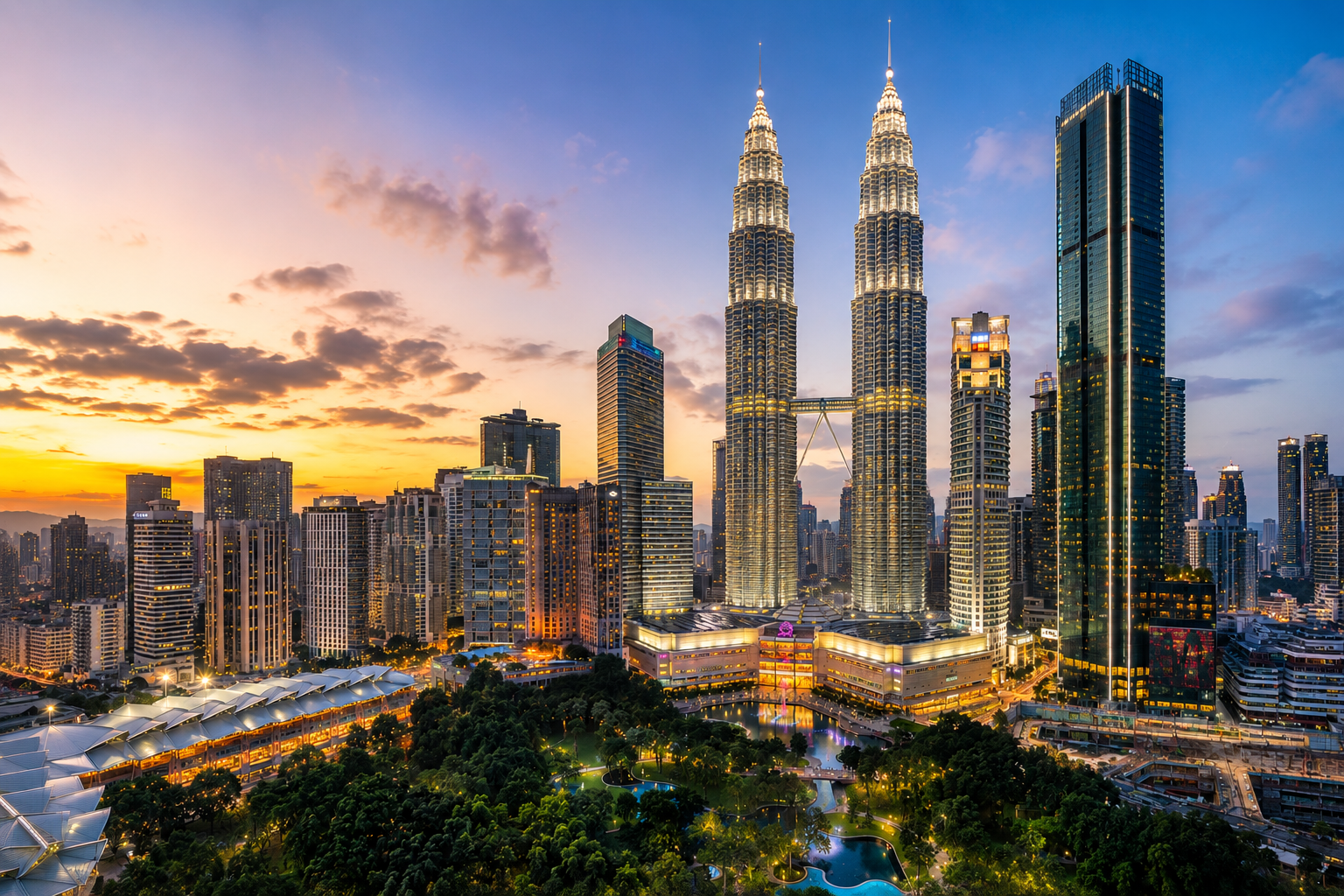
Malaysia Property Market H1 2026 Review: Opportunities for Agents, Investors and Homebuyers
Key Takeaways: Malaysia recorded 89,966 property transactions worth RM51.9 billion in Q1 2026. The Malaysian House Price Index increased by 1.7% year-on-year. Homes priced at RM300,000 and below remained the most active residential price segment. Market opportunities are becoming more location-specific, with strong interest in mature townships, transit-connected developments and key economic corridors. What Happened in Malaysia Property in H1 2026Key Takeaways:Malaysia Property Market H1 2026 at a GlanceA Stable Interest Rate Environment Supported BuyersA More Selective Market Does Not Mean a Weak MarketWhat Does Malaysia’s Property Overhang Mean?Where Are the Main Property Opportunities in 2026?What Selected IQI Buyer Data ShowsFor Real Estate Agents: What to Focus on in H2 2026For Local Property Investors: Focus on Sustainable DemandFor Foreign Property Investors: Where Strategic Value LiesFor Malaysian Homebuyers: Choose Liveability FirstWhat Is Next for Malaysia’s Property Market in H2 2026?Final Outlook Malaysia’s property market entered 2026 on a stable foundation. Buyers remained active, house prices continued to record moderate growth and major property developers maintained confidence in their sales and development plans. At the same time, the market became more selective. Buyers are now placing greater importance on price, location, financing, accessibility and long-term liveability before making a purchase. This does not mean that Malaysia’s property market is weakening. Instead, it reflects a more mature market where different property segments and locations perform at different speeds. According to the Valuation and Property Services Department, Malaysia recorded 89,966 property transactions worth RM51.9 billion in Q1 2026. Although transaction volume declined by 8% year-on-year, total transaction value decreased by only 0.6%. This suggests that market activity remained stable despite buyers becoming more careful with their decisions. This review combines official Q1 2026 property data with market developments, industry commentary and selected IQI project data available during the first half of 2026. Malaysia Property Market H1 2026 at a Glance Market indicatorQ1 2026 resultWhat it suggestsTotal property transactions89,966Buyers remained active across the marketTotal transaction valueRM51.9 billionOverall market value remained relatively stableTransaction volumeDown 8% year-on-yearBuyers became more selectiveTransaction valueDown 0.6% year-on-yearHigher-value transactions continued to support the marketMalaysian House Price IndexUp 1.7% year-on-yearNational house prices remained resilientAverage house priceRM507,533Property values continued to record moderate growthResidential market share58.8% of transactionsResidential property remained the largest market segmentOPR2.75%Mortgage planning remained relatively predictable The residential sector accounted for 58.8% of all property transactions, with nearly 53,000 residential transactions worth more than RM22 billion. Homes priced at RM300,000 and below recorded 27,209 transactions, representing more than half of all residential transactions during the quarter. These figures show that affordability continues to play an important role in the Malaysian property market. However, affordable does not simply mean choosing the cheapest available property. Buyers are also looking for homes that offer practical layouts, good accessibility, quality surroundings and manageable long-term ownership costs. Malaysia’s House Prices Continued to Grow Moderately Malaysia’s national house prices remained resilient during the first quarter of 2026. The Malaysian House Price Index increased by 1.7% year-on-year, while the national average house price reached RM507,533. Most states recorded moderate price growth, although performance varied according to property type and location. Terraced and semi-detached houses recorded price growth of 2.2% each, while high-rise residential properties increased by 1.3%. Detached homes recorded a slight decline of 0.7%. This variation is important. It shows that buyers and investors should not judge the entire Malaysian property market based on one national figure. A landed home in a mature Selangor township may perform differently from a high-rise unit in central Kuala Lumpur. Similarly, an apartment near a university, hospital or transport station may experience different rental demand from another property within the same state. The strongest property decisions in 2026 will therefore depend on understanding the specific neighbourhood, development and buyer audience. A Stable Interest Rate Environment Supported Buyers Bank Negara Malaysia maintained the Overnight Policy Rate at 2.75% on 7 May 2026. A stable OPR does not guarantee that every buyer will receive the same mortgage rate, as banks will still consider income, credit history, debt commitments and the type of property being purchased. However, a steady policy rate provides homebuyers and existing homeowners with greater predictability when calculating monthly repayments and planning their finances. For homebuyers, this creates an opportunity to compare financing packages carefully rather than focusing only on the advertised interest rate. Important factors include: Effective lending rate Loan tenure Monthly repayment Lock-in period Flexi-loan features Early settlement conditions Mortgage insurance Total interest payable A property should remain financially manageable even when household expenses or interest rates change in the future. A More Selective Market Does Not Mean a Weak Market One of the clearest trends in H1 2026 was the growth of a more informed and selective buyer. Buyers are researching recent transaction prices, price per square foot, mortgage commitments, rental demand and nearby developments before attending property viewings. This is a positive development for the industry. It encourages developers, agents and property owners to focus on genuine market value rather than depending only on promotional messages. Industry analysts expect Malaysian property developers to maintain healthy sales momentum in H2 2026. Most developers have indicated that cost pressures remain manageable, while product launches have continued largely according to schedule. Demand has also remained resilient for high-end residential properties, industrial developments, transit-oriented projects and homes within mature townships with established amenities. The market is not moving in one direction. Instead, demand is increasingly concentrated in developments that successfully match the buyer’s budget, lifestyle and long-term needs. What Does Malaysia’s Property Overhang Mean? Completed unsold residential units increased to 32,801 units worth RM16.37 billion in Q1 2026. This figure should not automatically be interpreted as a problem affecting every developer, development or location in Malaysia. Property overhang is usually concentrated within specific property types, price ranges and locations. A completed unit may remain unsold because its pricing, layout, location or target audience does not fully match current buyer demand. At the same time, many well-located developments continue to attract interest. For buyers, a wider selection of completed properties can provide more opportunities to: Inspect the actual unit before buying Evaluate the surrounding neighbourhood Compare layouts and views Review the building’s management quality Understand actual occupancy levels Compare new and subsale properties Make a more informed purchase decision For developers, the current environment provides valuable information about what buyers prioritise. Practical layouts, reasonable pricing, accessibility, sustainability, wellness features and useful amenities are likely to remain important when planning future developments. The overhang figure should therefore be viewed as a reminder to examine market fit, rather than a reason to make a negative judgement about Malaysia’s entire development sector. Where Are the Main Property Opportunities in 2026? 1. Mature Townships Properties within mature townships continue to attract interest because buyers can immediately access existing facilities. These may include: Schools and universities Hospitals and clinics Shopping centres Public transport Employment centres Major highways Restaurants and daily conveniences A mature township may also provide clearer information about occupancy, rental demand, traffic conditions and previous property transactions. 2. Transit-Connected Developments Properties near existing MRT, LRT and rail networks remain attractive to buyers who want to reduce their dependence on private vehicles. However, buyers should assess the actual level of connectivity. A development described as transit-oriented may still require a long walk, shuttle bus or private vehicle to reach the nearest station. The most attractive transit-connected properties usually combine convenient station access with nearby employment, retail and residential demand. Industry commentary indicates that transit-oriented developments, mature townships and established neighbourhoods with strong amenities should continue to experience resilient demand. 3. Johor’s Cross-Border Growth Corridors Johor remains one of Malaysia’s most closely watched property markets. The Johor-Singapore Special Economic Zone, industrial investment and the Johor Bahru-Singapore RTS Link are creating long-term interest in selected residential, commercial and industrial locations. However, investors should not treat the whole of Johor as one property market. Demand can differ significantly between: Johor Bahru City Centre Bukit Chagar Iskandar Puteri Kulai Senai Pasir Gudang Pengerang Established residential townships The best opportunities are likely to be found in locations where infrastructure development is supported by genuine employment, business and housing demand. 4. Industrial and Technology-Related Property Industrial property remains an important long-term growth theme for Malaysia. Logistics, manufacturing, electrical and electronics, semiconductors and data centres are supporting demand for industrial land, factories and warehousing in selected locations. Johor and Selangor have been two of the most active industrial markets. The EdgeProp and PropNex market report noted that Johor’s industrial transaction value increased by 44% in 2025, while Selangor recorded RM15.01 billion in industrial property transactions. These figures provide useful background on the momentum entering 2026. Large-scale data-centre investment also continued in 2026, particularly in Johor, strengthening the state’s position as a regional technology and infrastructure hub. For residential investors, the opportunity is not simply to purchase the nearest property to an industrial development. They should examine whether new investment is creating: Sustainable employment Long-term tenant demand Supporting commercial activity Transport improvements Schools and healthcare facilities New residential communities What Selected IQI Buyer Data Shows Selected IQI project data highlights how buyer profiles can vary significantly between developments. These figures represent specific projects and should not be treated as a complete representation of every buyer within each state. Selected projectBuyer profile insightMain price observationAmbience Residence, Kuala LumpurInvestors formed a significant share of recorded buyers81% of buyers were within the RM400,000 to RM600,000 rangePenduline, Bandar RimbayuBuyers were mainly local and within a higher-budget segmentRecorded buyers purchased above RM800,000Crown PenangThe project recorded a strong investor presenceMost purchases were above RM800,000Glenmarie Johor Phase 1DInvestor and owner-occupier demand was evenly balancedRecorded purchases were above RM800,000 The selected data suggests that buyers do not behave the same way across every development. Kuala Lumpur may attract investment-focused buyers at a more accessible price point, while selected developments in Selangor, Penang and Johor may appeal to higher-budget buyers, families, upgraders or long-term investors. The main lesson is that agents and developers should identify the actual audience for each property rather than applying one marketing strategy to every location. For Real Estate Agents: What to Focus on in H2 2026 The role of a real estate agent is becoming more important as buyers face a larger amount of information and more property choices. Agents who simply repeat information from a brochure may find it harder to gain buyer trust. The most effective agents will become reliable property advisers who can explain the market clearly and help clients compare suitable options. Build Micro-Market Expertise Agents should develop deep knowledge of specific areas instead of trying to cover every property market. This includes understanding: Recent transaction prices Competing developments Rental demand Local buyer demographics New infrastructure Schools and employment centres Maintenance costs Development quality Potential resale audience Local expertise allows an agent to give more practical recommendations. Balance New Projects and Subsale Opportunities New projects and subsale properties serve different buyer needs. New projects may offer: Modern designs New facilities Developer packages Lower initial maintenance concerns Flexible payment structures Subsale properties may offer: Immediate occupancy Established neighbourhoods Clearer transaction history Existing rental information The ability to inspect the actual unit Agents who understand both segments can provide clients with a more complete comparison. Use Data and Technology to Improve Client Service Modern buyers expect fast and accurate answers. Agents can use property technology and AI-powered tools to prepare: Property comparisons Mortgage estimates Rental calculations Digital presentations Virtual property tours Client follow-ups Personalised listing recommendations Technology should support the agent’s market knowledge and personal service. At IQI, agents can use the Atlas SuperApp to manage listings, leads, client communication and property opportunities through one connected platform. For Local Property Investors: Focus on Sustainable Demand Property investors should focus on long-term demand instead of relying only on short-term price appreciation. A property with a realistic tenant audience may perform more consistently than one purchased mainly because of future promises. Identify the Tenant Before Buying Investors should determine who is likely to rent the property. Potential tenant groups may include: Working professionals Students Families Expatriates Medical professionals Singapore-based workers Corporate tenants Domestic and international travellers The property type, furnishing and rental strategy should match the target tenant. Calculate Net Yield, Not Only Gross Yield Gross rental yield does not include many ownership and operating expenses. Investors should also calculate: Maintenance fees Sinking fund Assessment tax Quit rent Insurance Repairs Furnishing Vacancy periods Property management fees Cleaning and utility costs A property that appears attractive based on gross rental income may produce a much lower net return after expenses. Check Short-Term Rental Suitability Investors considering Airbnb or other short-term rental models should verify the building’s management rules and local requirements before purchasing. They should also examine: Existing competition Average room rates Seasonal demand Cleaning costs Guest management Building security Parking Nearby attractions Access to public transport Short-term rental performance depends heavily on location and day-to-day operations. For Foreign Property Investors: Where Strategic Value Lies Malaysia remains attractive to international buyers due to its established property market, modern infrastructure, multicultural environment and comparatively accessible property options. However, foreign buyers should check the minimum purchase price and ownership rules that apply within the relevant state. Kuala Lumpur KLCC, Mont Kiara, Bangsar and other established expatriate areas continue to attract international attention. Foreign investors should compare: Existing rental demand Supply within the building Unit size and layout Management quality Accessibility Maintenance fees Resale audience A well-managed property with a practical layout may provide better long-term value than a larger or more luxurious unit with limited tenant demand. Johor Johor’s proximity to Singapore remains one of its strongest advantages. The RTS Link, JS-SEZ and continued industrial development may support residential and commercial demand in selected locations. Foreign investors should focus on areas where cross-border connectivity is supported by existing amenities and economic activity. Penang Penang offers a combination of manufacturing, technology, healthcare, education and lifestyle demand. Properties near employment centres, established residential areas and key commercial locations may appeal to both local and international buyers. For Malaysian Homebuyers: Choose Liveability First Buying a home for your own stay is different from purchasing a property purely for investment. The home must support your daily routine, family needs and financial position. Set a Complete Housing Budget Buyers should calculate more than the monthly loan instalment. A complete budget should include: Down payment Legal fees Stamp duty Loan-related costs Renovation Furniture Maintenance fees Insurance Moving costs Monthly household expenses The most suitable home is one that remains comfortable to own after all expenses are included. Compare More Than the Selling Price A lower-priced property may not always offer better value. Homebuyers should compare: Distance to work Public transport access Schools Healthcare Safety Traffic Unit layout Natural lighting Parking Maintenance quality Future family requirements A home that saves time and supports daily life may provide greater long-term value than one with a lower purchase price but a difficult location. Inspect Completed Properties Carefully The wider choice of completed homes gives buyers an opportunity to inspect the actual product. Check the condition of: Common areas Lifts Security Parking Facilities Building exterior Unit defects Water pressure Surrounding development Management notices Buyers should also review the building’s maintenance history and financial position where information is available. What Is Next for Malaysia’s Property Market in H2 2026? Malaysia’s property market is likely to remain stable but increasingly location-specific during the remainder of 2026. The strongest opportunities are expected to be concentrated in properties that meet genuine buyer and tenant demand. Buyers Will Continue to Prioritise Value Buyers are likely to remain active, but they will compare more options before making a decision. Pricing, financing, liveability and accessibility will continue to influence demand. Developers Will Continue Refining Their Products Developers are expected to align new products more closely with market demand. Practical layouts, sustainable features, appropriate pricing and integrated amenities may become increasingly important. Industry reports indicate that most developers remain confident in their sales targets and development pipelines despite a more selective market. Infrastructure Will Create Location-Specific Opportunities Major transport and economic developments may improve selected property markets. However, buyers and investors should avoid assuming that every property near a future infrastructure project will automatically increase in value. The actual impact will depend on: Distance from the infrastructure Completion and operational timelines Employment creation Existing supply Local affordability Tenant demand Township planning Property Professionals Will Become More Data-Led Agents who understand transaction data, financing, buyer behaviour and local demand will be better positioned to serve their clients. The strongest agents will combine technology with local market knowledge and personal service. Final Outlook Malaysia’s property market did not move in one direction during H1 2026. Transaction activity moderated, but market value remained stable. House prices continued to record measured growth, developers maintained their development plans and buyers remained active within suitable price ranges and locations. The defining feature of the market is not weakness. It is selectivity. For buyers, this means comparing properties carefully. For investors, it means focusing on sustainable rental and resale demand. For agents, it means becoming more knowledgeable, data-led and specialised. Malaysia continues to offer meaningful property opportunities, particularly for those who understand the specific market rather than relying only on broad headlines. Build Your Real Estate Career with IQI The property market is becoming more data-led, digital and international. Build your career with IQI and gain access to professional training, technology, AI-powered tools, local and international property opportunities and a global network of real estate professionals. Join the IQI Global network and take the next step in your real estate journey. [custom_blog_recruit_form] Continue reading: NAPIC Q1 2026: What Malaysia’s Property Data Means for Buyers Malaysia’s Data Centre Boom: Will It Affect Housing Supply and Property Prices? West Asia Conflict May Add RM1.1 Billion to Malaysia’s Construction Costs in 2026 MM2H Explained: Why Malaysia Is a Safe Haven for Property Investors in 2026 Sources: Valuation and Property Services Department Q1 2026 property market figures, reported by EdgeProp Malaysia. Malaysia Property Market Overview 1Q2026, EdgeProp Malaysia and PropNex Malaysia. Real Estate Market Becoming More Selective, The Star, 13 July 2026. Monetary Policy Statement, Bank Negara Malaysia, 7 May 2026. Malaysia Property Market July 2026: Prices Firm as Transaction Volume Slows, IQI Global. House Prices Edge Higher in Q1, reported by New Straits Times and KLSE Screener. 5 Reasons Malaysia’s Property Market Is Stronger Than the Headlines Suggest in 2026, Hartamas Research. IQI Global Data for Malaysia Real Estate Market for H1 2026, selected internal project and buyer data. Disclaimer: This article is provided for general information only and does not constitute financial, investment, legal or property advice. Property performance may vary according to location, development, market conditions and individual financial circumstances. Buyers and investors should conduct their own research and seek professional advice before making a property decision.

Diesel is not usually the first thing homebuyers worry about. But perhaps it should be. The ongoing West Asia conflict involving the United States, Israel and Iran could add around RM1.1 billion to Malaysia’s construction diesel costs in 2026. The analysis, released by Juwai IQI Co-Founder and Group CEO Kashif Ansari on 21 July 2026, was reported by several Malaysian media outlets, including The Star, theSun and The Malaysian Reserve. Here is what the figures reveal, and what rising diesel and construction costs could mean for anyone planning to buy a home in Malaysia. How Much Extra Could This Cost? According to weekly fuel price data from the Department of Statistics Malaysia (DOSM), diesel was priced at RM3.04 per litre in the week of 26 February 2026, before the conflict began. Over the following 20 weeks, the average diesel price increased to RM4.80 per litre, representing a 57.7% rise. Diesel prices reached their highest level at RM6.72 per litre during the week of 9 April 2026. Malaysia’s construction sector is estimated to consume about 1.4 billion litres of diesel annually. However, approximately 740 million litres, or more than half of that amount, are purchased at the full unsubsidised market price because most off-road construction machinery is not eligible for subsidised diesel. The conflict has dragged on and occasionally flared up with no permanent settlement yet reached. We have to consider the possibility that it could continue on and off throughout the rest of the year. That could add RM1.1 billion to the construction industry's diesel bill in calendar 2026 Kashif Ansari, Co-Founder and Group CEO, Juwai IQI MetricFigurePre-conflict diesel price (DOSM, 26 Feb 2026)RM3.04/litreAverage diesel price since conflict (20 weeks)RM4.80/litrePrice increase57.7%Peak diesel price (week of 9 April 2026)RM6.72/litreAnnual construction diesel usage~1.4 billion litresEstimated unsubsidised portion~740 million litresProjected extra cost for 2026~RM1.1 billionExtra cost per week~RM25 millionResidential sector's share~RM200 millionExtra cost per new home~RM2,000 (<0.5% of price) Source: Juwai IQI analysis based on DOSM weekly fuel price data. Why Homes Are Hit Less Than Roads According to DOSM, residential construction accounts for about 23% of Malaysia’s total construction activity, contributing approximately RM41 billion to the economy. However, its share of the diesel cost increase is smaller than this figure may suggest. As Kashif explained, home construction typically relies less on heavy earthmoving machinery than infrastructure projects such as roads and utilities. Of the estimated RM1.1 billion increase in construction diesel costs, the residential sector is expected to account for around RM200 million. With approximately 100,000 new homes beginning construction each year, this works out to an average additional diesel cost of about RM2,000 per home. For a property priced at around RM507,000, that represents less than 0.5% of the purchase price. Wondering what a home in Malaysia really costs beyond the sticker price? See the full breakdown of the real cost of buying a house. What Can Be Done About It? The government's diesel subsidy reform has worked well overall. Under the SKDS fleet-card system, eligible commercial vehicles still buy diesel at RM2.15 per litre, well below market price. But off-road machinery, the backbone of every construction site, pays full price. The government could build on that success by adding ready-mixed concrete trucks, concrete mixer trucks, and cranes to the subsidised fleet-card scheme. These vehicles are all vital to construction and big users of diesel. The government could also increase the quotas for contractors in rural and interior areas, given that by definition, they need to drive longer distances and use more fuel. Kashif Ansari, Co-Founder and Group CEO, Juwai IQI From an industry perspective, Kashif noted that some companies fail to register all eligible trucks under the diesel subsidy programme, causing them to pay more for fuel than necessary. Builders are also increasingly including fuel price escalation clauses in their contracts. These clauses allow higher fuel costs to be shared rather than absorbed entirely by the contractor. In the longer term, construction companies can reduce fuel consumption by limiting unnecessary engine idling, planning more efficient transport routes and gradually adopting electric trucks where practical. What This Means for Homebuyers and Investors An estimated RM2,000 increase in diesel-related construction costs per new home is noticeable, but it is unlikely to have a major impact on affordability by itself. For comparison, the additional costs of buying a first home, including legal fees, stamp duty and loan-related expenses, can reach tens of thousands of ringgit. For buyers considering new property launches, the main thing to watch is pricing in future phases. Homes that have already been sold at prices stated in signed Sale and Purchase Agreements are generally protected from later price changes. However, developers may factor higher construction and fuel costs into upcoming launches. Our complete 2026 homebuying guide explains the other costs buyers should prepare for, including financing, stamp duty and legal fees. For subsale buyers, the impact is less direct. However, if new launch prices continue to rise, more buyers may turn to the resale market for better value. This could strengthen demand for well-located subsale homes, particularly in markets where average prices are already increasing. Investors should also monitor the supply pipeline. Prolonged increases in construction costs could delay project launches or reduce the number of new homes entering the market. Tighter supply may support rental demand and property values in selected locations, although performance will still depend on factors such as connectivity, affordability and local demand. First-time buyers should not assume that homeownership is out of reach. Malaysia’s affordable housing initiatives and government-supported housing schemes for B40 and M40 households remain available to eligible applicants. Juwai IQI Co-Founder and Group CEO Kashif Ansari’s analysis on how the West Asia conflict could add RM1.1 billion to Malaysia’s construction diesel bill in 2026 was featured in The Star, TheSun and The Malaysian Reserve. Juwai IQI provides expert insights into the property, economic and investment trends shaping markets locally and globally. Click below to get more expert property insights from our blog! MORE INSIGHTS

TL;DRA PropTech real estate company uses technology, data and automation to improve how properties are planned, built, marketed, bought, sold, rented and managed. PropTech companies can operate as online marketplaces, software providers, smart-building specialists or technology-enabled agencies. Juwai IQI is a hybrid example that combines digital platforms, AI-supported tools and a global agent network. Buying property once meant newspaper listings, endless phone calls and enough paperwork to qualify as light weightlifting. Today, PropTech brings property search, data, virtual tours, communication and transactions into connected digital systems. However, having a website or mobile app does not automatically make a company technology-driven. This guide explains what a PropTech company does, how it makes money, and what makes the Juwai IQI model different. Key Takeaways PropTech means property technology: It covers digital solutions used throughout the property lifecycle, from construction and marketing to transactions and management. Technology must be part of the core service: A genuine PropTech company uses software, data or automation to improve a real property process. PropTech takes many forms: Common categories include property marketplaces, management software, smart buildings, analytics, ConTech and real estate fintech. AI supports rather than replaces people: It can automate search, marketing, lead follow-up and analysis, while professionals remain responsible for advice and negotiation. Juwai IQI uses a hybrid model: It combines property platforms, proprietary technology, cross-border marketing and local real estate professionals. Protech Real Estate Company is Not What You Think!1. What is a PropTech real estate company?2. What does a PropTech company do across the property lifecycle?3. Which technologies do PropTech companies use?4. What are the main types of PropTech companies?5. How do PropTech companies make money?6. How is a PropTech company different from a traditional real estate agency?7. Is IQI Global a PropTech Company, and What Makes Juwai IQI Different?8. Frequently Asked Questions (FAQs) Estimated reading time: 17 minutes 1. What is a PropTech real estate company? A PropTech real estate company applies digital technology to one or more parts of the property lifecycle. This can include planning, construction, buying, selling, leasing, property management, maintenance, reporting, and reinvestment. MIT Sloan Executive Education describes property technology as digital tools and platforms that make property design, management and transactions more efficient, data-driven and responsive to current needs. These tools may include smart-building systems, analytics platforms, online marketplaces, virtual property tours and digital contracts. The important difference is how deeply the technology is connected to the business. A traditional agency may advertise listings online, but a technology-driven real estate company uses digital systems to improve the service itself. For example, its technology may: Match buyers with suitable properties Automate lead responses and follow-ups Analyze property values and market conditions Provide virtual property tours Manage rent, leases and maintenance requests Monitor energy use and building equipment Support digital documents and payments A website is simply a channel. PropTech solutions change how property work is completed, measured, or delivered. a. How Is PropTech Different From ConTech and Real Estate FinTech? ConTech, or construction technology, focuses mainly on the design and building stages. It includes building information modeling, project management software, modular construction, 3D printing, and robotics. Real estate fintech focuses on the financial side of property. It may support digital payments, property financing, investment management, secure records, or fractional ownership. Both ConTech and real estate fintech can form part of the wider property technology ecosystem, but PropTech covers a broader range of property activities. 2. What does a PropTech company do across the property lifecycle? A property technology company solves problems at one or more stages of real estate. Some platforms help consumers find homes, while others support developers, landlords, agents, investors or building operators. Property stageHow PropTech is usedMain usersPlanningDemand analysis, location data and scenario modelingDevelopers, planners, investorsConstructionBIM, procurement, project tracking and resource controlDevelopers, contractors, consultantsProperty marketingListings, digital campaigns, virtual tours and customer matchingDevelopers, sellers, agentsTransactionsDigital documents, payments, inquiries and workflow managementBuyers, sellers, landlords, agentsProperty operationsRent collection, maintenance, energy control and tenant servicesLandlords, managers, tenantsInvestmentMarket analytics, valuation, portfolio reporting and risk assessmentInvestors, asset managers, lenders The Malaysia PropTech Association identifies six key areas shaping the industry: real estate platforms, smart buildings, analytics and data, construction technology, AI and automation, and sustainability technology. Consider someone searching for a condominium in another country. A digital real estate platform could help the buyer search by location and budget, view the unit remotely, compare nearby amenities, and contact a local agent. The platform handles discovery and information, while the agent supports the buyer with local knowledge, negotiation, and transaction requirements. This combination shows how PropTech can connect digital convenience with human expertise. 3. Which technologies do PropTech companies use? The most visible part of a PropTech company may be its app, but its real value often comes from data, automation, and integration behind the interface. a. Artificial Intelligence and Machine Learning Artificial intelligence in real estate can help analyze inquiries, recommend properties, automate responses, organize documents, and support market analysis. Machine learning allows systems to identify patterns within large datasets. In real estate, these patterns may relate to buyer behavior, market demand, property values, building performance or maintenance requirements. Common applications include: Automated property recommendations Lead scoring and prioritization Customer service chatbots Property valuation support Document analysis Marketing automation Predictive maintenance Portfolio and market analysis An automated property valuation can process information faster than a manual review, but the result still depends on the quality and relevance of the available data. It should support professional judgment rather than replace it completely. b. Real Estate Data Analytics Real estate data analytics helps companies convert large amounts of property information into clearer insights. For example, analytics may help an investor compare neighborhood demand, identify underused space, or review portfolio performance. Property managers can also use occupancy and maintenance data to make better operational decisions. Predictive analytics goes one step further by using historical and current data to estimate possible future outcomes. These models may highlight changes in demand, operating costs, or maintenance risks. c. Internet of Things and Smart Buildings The Internet of Things in real estate connects physical equipment and sensors to digital systems. These systems can monitor: Lighting Air conditioning Water use Security Occupancy Equipment performance Energy consumption This allows building managers to respond more quickly, improve efficiency, and identify maintenance needs before they become more expensive problems. d. Digital Twins A digital twin is a virtual representation of a building or physical asset. It allows property teams to test scenarios, model energy performance, and study how a building may respond to different conditions. Digital twins can also support predictive maintenance by using building data to identify possible issues before physical equipment fails. The Malaysia PropTech Association identifies digital twins as an emerging PropTech trend. e. Virtual Reality and Digital Property Tours Virtual reality property tours allow users to explore a property remotely before deciding whether to visit it in person. This is particularly useful for international buyers, tenants relocating to another city, and projects that are still under construction. It can reduce unnecessary appointments and help users shortlist suitable properties more efficiently. f. Blockchain, Smart Contracts and E-Signatures Blockchain real estate transactions may improve the security and transparency of digital records. Smart contracts and e-signatures can also reduce delays linked to property agreements, leasing, tenders and compliance processes. However, adoption depends on local regulations, system compatibility and whether users trust the technology. 4. What are the main types of PropTech companies? The PropTech industry includes many types of businesses. Some focus on one specialized service, while others combine several services within one platform. PropTech categoryWhat it doesCommon featuresOnline property marketplaceConnects buyers, tenants, sellers and landlordsListings, maps, filters, inquiries and virtual toursProperty management softwareManages property operationsDigital rent collection, maintenance, tenant communication and lease recordsSmart-building providerControls and monitors buildingsSensors, energy systems, security and predictive maintenanceData and analytics companySupports property decisionsValuation, market insights, portfolio analysis and forecastingConTech companyImproves construction processesBIM, procurement, project controls and roboticsReal estate fintechSupports financial property activitiesPayments, financing, investment and digital recordsAI automation providerAutomates repetitive workChatbots, lead management, recommendations and document analysisSustainability technology providerImproves environmental performanceCarbon tracking, renewable energy and green certification A company may belong to several categories. For example, a hybrid PropTech company may operate a property marketplace while also providing brokerage, analytics, agent tools and transaction support. 5. How do PropTech companies make money? A PropTech business model depends on what the platform provides and who benefits from the service. Revenue modelWho normally paysWhat they pay forBrokerage commissionSeller, landlord, buyer or developerAgency and transaction servicesAdvertising feeAgent, agency or developerProperty exposure and access to an audiencePremium campaignDeveloper or advertiserFeatured placement, marketing and lead generationSoftware subscriptionProperty professional or businessCRM, analytics, management or automation toolsTransaction feeUser or participating companyPayment, processing or documentation supportProperty management feeProperty ownerRental, maintenance and tenant managementRelated service feeOwner, investor or developerValuation, renovation, design or hospitality servicesPartner or referral incomeParticipating companyNetwork access, distribution or referrals A software-focused business may depend mainly on subscriptions, while a technology-enabled agency may earn through property commissions. Hybrid groups can combine commissions, advertising, campaign fees, property services and partner arrangements. This reduces reliance on a single revenue source, although privately held companies may not publicly disclose how much revenue each division contributes. 6. How is a PropTech company different from a traditional real estate agency? A traditional real estate agency mainly depends on agents, local relationships, and manual processes. A PropTech company makes technology and data part of the core service. A hybrid company combines both models. AreaTraditional agencyProperty portalSoftware-only PropTechHybrid PropTech agencyProperty searchAgent recommendations and manual searchesOnline marketplaceDepends on the softwareDigital search plus agent supportLead managementCalls, messages and spreadsheetsEnquiry formsCRM and automationAutomated follow-up with human handlingProperty viewingsMainly physicalPhotos and digital toursMay supply virtual-tour softwareRemote screening followed by local viewingsValuationComparables and professional judgmentBasic estimates may be offeredAutomated valuation toolsData-supported professional assessmentTransactionsManual documents and separate paymentsUsually limitedWorkflow or payment toolsDigital systems with agent supportMarket reachUsually local or regionalDepends on portal audienceDepends on clients and integrationsLocal agents connected to international platformsHuman adviceCore strengthLimitedUsually not includedCore service supported by technology PropTech will not automatically replace real estate agents. It can automate search, data processing, marketing and follow-up, but property decisions often require local knowledge, negotiation, accountability and personal trust. The stronger model is not human versus machine. It is technology-supported human service. 7. Is IQI Global a PropTech Company, and What Makes Juwai IQI Different? Yes. IQI Global is a hybrid PropTech real estate company operating under Juwai IQI Holdings. Juwai IQI owns and operates IQI Global and Juwai.com. IQI Global provides brokerage, advisory, and transaction support, while Juwai.com and Juwai.asia support international property advertising and cross-border buyer reach. Unlike a software-only startup or a standalone property portal, the group connects: Real estate agents Property listings International buyers AI-supported tools Marketing systems Transaction support Property-related services This creates an online-to-offline property ecosystem in which digital platforms generate and organize demand, while local professionals support real property transactions. a. Juwai IQI at a Glance AreaPositionGroup structureHolding company operating IQI Global and Juwai.comMain activitiesBrokerage, property advertising, cross-border platforms and related servicesLatest network65,000+ agents across 35+ countries2025 operating activityUSD 4.3 billion in transaction value and 51,226 transactionsCross-border platformsJuwai.com and Juwai.asiaMain technologyAINI, Atlas SuperApp, IQPilot, JIQI smart search and Smart ScoreRelated servicesValuation, property management, design, renovation and hospitality b. How Does the Juwai IQI Ecosystem Work? The Juwai IQI ecosystem supports several connected stages of the property journey. Property discovery and marketing: Properties can be marketed through IQI Global, Juwai.com, Juwai.asia and connected third-party channels. Cross-border distribution: Juwai.com focuses on Chinese-speaking international property buyers, while Juwai.asia serves wider Asian demand. Agent technology: Atlas supports listings, projects, marketing, collaboration, reporting, training and analytics. AI-supported workflows: IQPilot supports lead follow-up, JIQI supports natural-language property searches and Smart Score helps users compare projects based on lifestyle priorities. Human transaction support: IQI agents remain involved in property advice, viewings, negotiation and transaction handling. Property-related services: The wider ecosystem includes valuation, property management, design, renovation and hospitality services. Instead of serving only one part of the process, Juwai IQI connects technology, property distribution and human support within one wider group. c. How Do Juwai IQI’s AI and PropTech Tools Work? Juwai IQI does not depend on one chatbot or one software feature. Its technology stack supports different parts of the agent and customer journey. ToolMain functionWhy it mattersAtlas SuperAppCentral platform for listings, projects, marketing, reporting, learning and collaborationReduces the need to manage work across disconnected systemsIQPilotLead responses, follow-up and appointment supportHelps agents manage inquiries more consistentlyJIQI smart searchNatural-language property searchAllows users to describe their property needs in normal sentencesSmart ScoreLifestyle-based property rankingHelps users compare projects based on transport, amenities, education and lifestyleAININewer AI assistant within the Juwai IQI technology ecosystemTurns information into immediate action, reduces repetitive administrative work and improves speed and consistency i. Atlas SuperApp: The Central Operating Platform Atlas SuperApp supports property listings, project information, marketing tools, reports, cloud functions, collaboration, networking, learning and analytics. The platform also integrates listing publication with Juwai.com, IQI Global, and EdgeProp. An agent can manage listing information through one system and extend its visibility across connected channels. ii. IQPilot: Supporting Lead Management and Follow-Up IQPilot supports instant replies, automated follow-up and appointment handling. Property inquiries may arrive from portals, advertising campaigns, social media or direct messages. IQPilot helps organize these interactions and reduce repetitive administrative work, while agents remain responsible for advising customers and managing relationships. JIQI: Searching for Property Using Normal Language ii. JIQI smart search allows users to describe their requirements conversationally instead of selecting many filters. For example: “Find a three-bedroom condominium in Penang near an international school below RM1.2 million.” JIQI is designed to interpret the request and present relevant property options. This makes digital property discovery feel closer to speaking with a real estate professional. iii. Smart Score: Comparing Projects Based on Lifestyle Needs Smart Score re-ranks property projects according to factors such as transport, nearby amenities, education and lifestyle. Two properties may have similar prices and unit sizes, but one may be closer to public transport while another is nearer to schools. Smart Score helps users organize the comparison around their personal priorities. It does not guarantee that the highest-ranked property will provide the best investment return. It is a decision-support tool, not a replacement for financial research or professional advice. iv. AINI: A Newer Addition to the AI Ecosystem AINI is Juwai IQI’s AI-powered assistant built directly into the IQI Atlas SuperApp for real estate agents. Unlike a general AI chatbot, AINI is connected to Juwai IQI’s internal data, tools, and application programming interfaces, allowing it to provide guidance that is more relevant to an agent’s actual work. Main Functions of AINI FunctionWhat AINI Can DoBenefit to AgentsInstant information supportAnswers agents’ questions and provides immediate guidance within IQI Atlas.Reduces the time spent searching for information or waiting for assistance.Project informationHelps agents retrieve and understand property project details.Enables agents to respond to buyers more quickly and confidently.Agent onboarding guidanceProvides guidance on onboarding procedures and internal processes.Helps new agents learn how IQI operates without depending entirely on manual support.AI advertisement creationGenerates property advertisement copy, titles and language based on the selected project, target audience and advertising budget.Makes campaign creation faster, especially for agents without professional marketing experience.Ads Manager integrationPlaces the completed campaign directly into Ads Manager for the agent to review and publish.Removes several manual steps between creating an advertisement and launching it.Buyer demographic insightsProvides information about buyer profiles and purchasing behaviour.Helps agents understand whom they should target and how to position a property more effectively. d. How Does Juwai IQI Compare With Other Real Estate Models? CapabilityTraditional agencyProperty portalSoftware-only PropTechJuwai IQILocal agentsCore capabilityUsually limitedUsually not includedProvided through IQI GlobalProperty marketplaceOften uses external portalsCore functionDepends on productIQI and Juwai platformsCross-border Asian reachUsually limitedDepends on portalUsually not includedJuwai.com and Juwai.asiaProprietary agent toolsOften uses third-party softwareMainly advertiser toolsCore productAtlas, IQPilot, JIQI and Smart ScoreHuman adviceStrongLimitedUsually absentLocal agent supportListing distributionUsually portal-dependentStrong within its own platformDepends on integrationOwned and connected channelsRelated property servicesVariesUsually limitedSoftware-focusedValuation, management, design and hospitalityRevenue modelMainly commissionsAdvertisingSubscriptionsCommissions, advertising, campaigns and services The main difference is vertical integration. A conventional agency controls the agent relationship but may depend on third-party software and property portals. A portal controls property discovery but does not usually manage the complete transaction. A software provider may offer strong technology but have no agents or buyer network. Juwai IQI combines these layers within one group. e. What Are Juwai IQI’s Main Unique Selling Points? i. Cross-Border Access to Asian Buyers Juwai.com and Juwai.asia provide a cross-border property distribution channel aimed at Chinese-speaking and wider Asian audiences. The group’s developer and commercial solutions include bilingual property presentation, translation, premium placement and lead-generation support. ii. Technology Combined With Human Agents Some PropTech businesses offer software without property advice. Some agencies provide personal service but depend heavily on external systems. Juwai IQI combines technology with an agent network, allowing digital tools to support local property professionals instead of attempting to remove them from the journey. iii. Proprietary Tools Across Several Workflows Atlas, IQPilot, JIQI and Smart Score support different stages of property discovery, marketing, lead handling and agent operations. This gives the group greater control over property and agent workflows than a business relying entirely on spreadsheets, messaging applications, and third-party portals. iv. Global Scale With Local Support 65,000+ agents across 35+ countries. The operating model combines a global brand and technology platform with local offices, partners, leadership and market knowledge. This can support buyers exploring property outside their home country. v. Multiple Services Under One Ecosystem The group extends beyond property buying, selling and renting. Its wider activities include: Property valuation Property management Interior design Renovation Hospitality and short-term stays International business advisory Property marketing This positions Juwai IQI as a full-stack property group rather than a single-purpose marketplace. vi. A Mixed Business Model The IQI side mainly generates transaction and brokerage income, while Juwai offers flat-fee advertising, premium placements and developer campaigns. Related services and partner arrangements add further income streams. However, the source set does not disclose audited group revenue or the exact contribution from each business division. vii. Attention to Transaction Trust Juwai IQI launched an FPX-backed checkout system for booking fees and rental deposits. The system was introduced to reduce risks related to fake listings, unauthorized deposits, and fraudulent agents. This shows that useful PropTech is not only about speed and convenience. It must also strengthen trust and payment security. A PropTech real estate company does more than publish property listings online. It uses technology, data and automation to improve real property processes. Juwai IQI represents a hybrid model by combining AI-supported tools, cross-border platforms and human agents. The strongest PropTech companies do not use technology simply to look modern. We use it to make property services more useful, secure and connected. 8. Frequently Asked Questions (FAQs) What Does PropTech Stand For? PropTech stands for property technology. It refers to digital tools and platforms used in property planning, construction, transactions, leasing, management, maintenance and investment. What Does a PropTech Company Do? A PropTech company uses software, data and automation to solve property-related problems. It may operate a listing platform, property management system, smart building, analytics service or technology-enabled agency. Is Every Online Property Portal a PropTech Company? An online property marketplace is a type of PropTech when technology supports property discovery, search, and inquiries. PropTech also includes management software, smart buildings, ConTech, fintech and AI automation. Is Zillow a PropTech Company? Zillow is presented as a PropTech example in the ingested sources because it combines property listings, agent connections, property value estimates, and digital tour tools. Is Airbnb Part of PropTech? Airbnb is commonly included within the PropTech ecosystem because its platform created a digital marketplace connecting property owners with short-stay users. Will PropTech Replace Real Estate Agents? PropTech will automate tasks rather than every relationship. Search, marketing and follow-up can become faster, but buyers and sellers still need local knowledge, negotiation, professional judgment and accountability. Is Juwai IQI a PropTech Company? Juwai IQI is a hybrid PropTech group combining IQI Global’s agency network with Juwai’s cross-border property platforms and technology such as AINI, Atlas, IQPilot, JIQI and Smart Score. Explore global property opportunities and technology-supported services with IQI Global. Speak with the team to find the right next step for your property goals. [custom_blog_recruit_form] Continue Reading Moving Out Checklist: 15 Steps to Get Your Full Deposit Back (Rental & Airbnb) How to Sell Your House Fast in Malaysia (2026): 10 Proven Tips NAPIC Q1 2026: What Malaysia’s Property Data Means for Buyers Reference Build.inc. (n.d.). Proptech. Retrieved fromhttps://build.inc/learn/proptech Density. (2025, June 20). Proptech: What is it and how does it impact CRE. Retrieved fromhttps://density.io/resources/proptech EQT Group. (2025, February 17). What is PropTech? Retrieved fromhttps://eqtgroup.com/thinq/Education/what-is-proptech impactmybiz.com. (2020, February 18). What is PropTech and how is it being used in real estate? Retrieved fromhttps://www.impactmybiz.com/blog/what-is-proptech-real-estate-digital/ Malaysia PropTech Association. (n.d.). PropTech. Retrieved fromhttps://proptech.org.my/en/proptech MIT Management Executive Education. (2026, March 20). Proptech in real estate. Retrieved fromhttps://executive.mit.edu/blog/proptech-innovations-how-technology-is-shaping-the-future-of-real-estate.html Tan, R. (2025, April 21). The rise of PropTech: How technology is changing Malaysian property. Hartamas Real Estate. Retrieved fromhttps://hartamas.com/the-rise-of-proptech-how-technology-is-changing-malaysian-property/
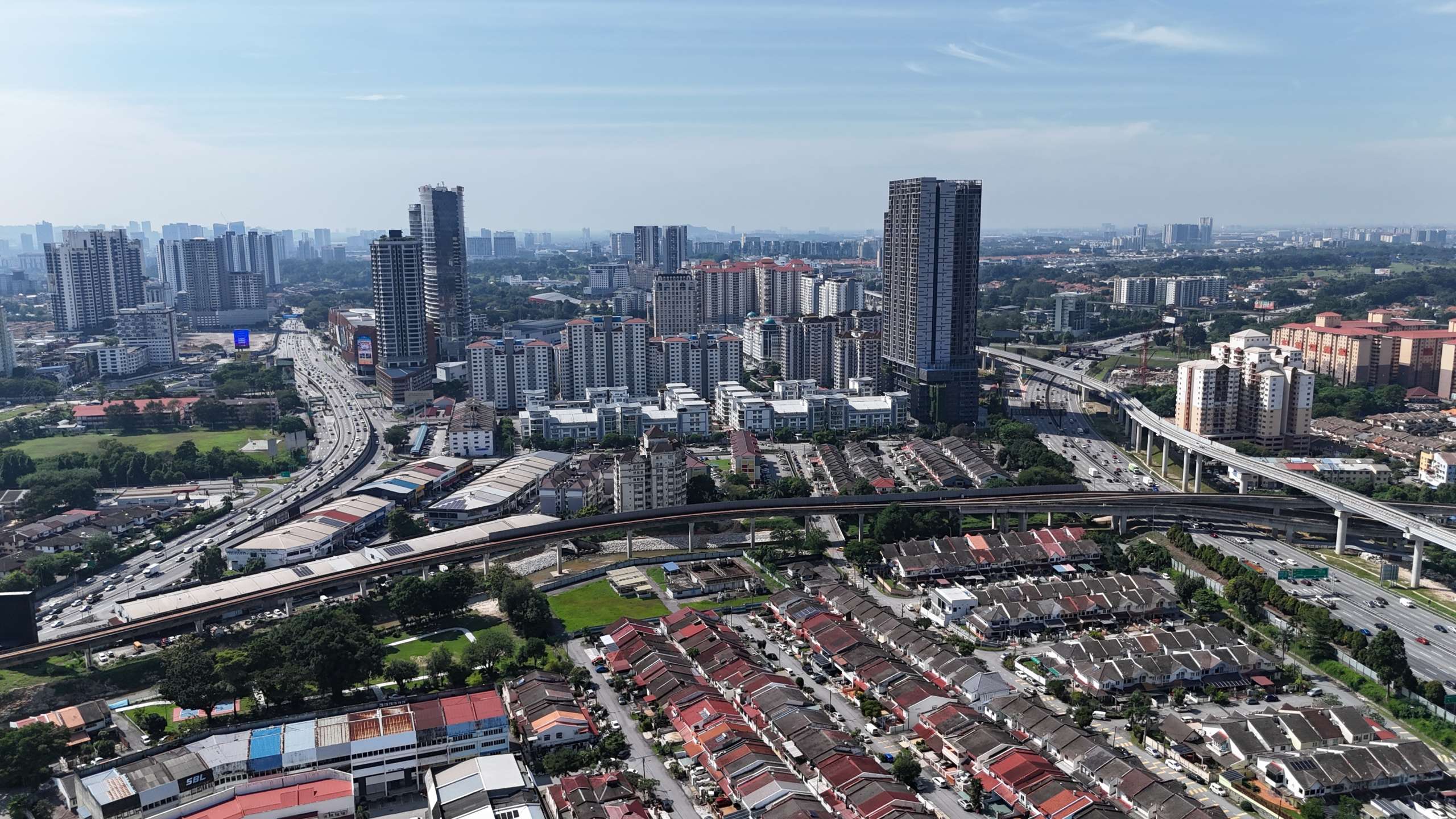
Malaysia’s rapid data centre expansion has raised concerns over whether large-scale developments could reduce land available for housing. With billions of ringgit in investment flowing into Johor, Selangor and other key markets, the question is becoming increasingly relevant for homebuyers, developers and property investors. However, Juwai IQI Co-Founder and Group CEO Kashif Ansari said the impact on housing land remains minimal. He noted that the bigger issue is not land competition itself, but how data centre growth may influence infrastructure, development costs and surrounding property demand. How Much Land Do Data Centres Actually Use? Less than many may expect. Between 2021 and mid-2025, Malaysia approved 143 data centre projects covering an estimated 14,300 acres. While the figure appears substantial, it represents only about 0.02% of the country’s total land area, suggesting that the direct impact on land available for housing remains limited. Malaysia is not facing a land shortage. There are still more than 32,000 completed homes unsold. Future planning should focus on ensuring electricity and water supply capacity is reserved for housing and public infrastructure before being allocated to other sectors, including data centres. Kashif Ansari, Co-Founder and Group CEO, Juwai IQI Crucially, Malaysian planning law already separates data centres from housing. Data centres can only be built on land zoned as commercial or industrial. They cannot be built on land zoned for residential development. So in a regulatory sense, data centres and housing projects are not competing for the same plots. Where the Real Competition Happens The actual tussle is over agricultural land that has not yet been converted. Data centre operators offer up to RM140 per sq ft, far above what typical industrial buyers pay. MetricPrice (per sq ft)Average industrial land price in Johor (previous)RM79Average industrial land price in Johor (latest)RM86Data centre transaction rangeRM114 to RM160Maximum data centre buyer willingnessUp to RM140 Source: Kashif Ansari / Juwai IQI, as reported by Utusan Malaysia, 17 July 2026. However, this does not mean housing developers lose out. In one notable case, Paragon Globe sold 113 acres in Tanjung Kupang and Plentong to data centre operators for RM636 million, then used that capital to fund housing projects, infrastructure, and debt reduction. The data centre sale gave the developer more resources to build homes, not fewer. Interested in Johor's market right now? See the latest Johor property price data. No Housing Shortage, but Construction Costs Need Watching Malaysia is not facing a shortage of homes. As of Q1 2026, more than 32,000 completed residential units remained unsold, along with over 19,000 serviced apartments. The bigger concern is rising construction costs. The rapid growth of data centres is increasing demand for skilled workers, particularly mechanical, electrical and plumbing specialists. As data centres and housing projects compete for the same talent, labour costs may rise and place additional pressure on future residential development costs. Although each data centre looks large, the actual land footprint is very small compared to the country's total area. This is not a national land shortage issue. It only affects a few strategic locations that are investment hotspots, particularly in Johor. Kashif Ansari, Co-Founder and Group CEO, Juwai IQI What This Means for Buyers and Investors House prices in Johor rose by 5.7% last year, but the increase was mainly driven by the RTS Link, the Johor-Singapore Special Economic Zone and broader state economic growth, rather than data centre development. So far, there is no study proving that data centres have directly pushed up house prices in Johor. For homebuyers, residential zoning protections remain in place, and housing supply is not currently at risk. Our complete 2026 homebuying guide covers the key information you need, from financing to purchasing costs. For investors, Malaysia’s data centre capacity is expected to more than double to 2,055MW by the end of 2026, with a further 3,500MW planned. This could support more jobs, stronger economic activity and continued housing demand in key data centre corridors such as Johor. Explore the JS-SEZ investment opportunity and the latest new housing developments in Johor to see where the market momentum is heading. Juwai IQI Co-Founder and Group CEO Kashif Ansari’s insights on Malaysia’s data centre expansion and its impact on the housing sector were featured in Utusan Malaysia. Juwai IQI provides expert insights into the property, economic and investment trends shaping markets locally and globally. Click below to get more expert property insights from our blog! MORE INSIGHTS
Ready to get started?
Get in touch now.