

Negotiator ∙ Ace
Amri Zahari

Negotiator ∙ Ace
Amri Zahari

About Amri Zahari
Leveraging market knowledge and negotiation skills to deliver exceptional results. Your real estate success is my priority. Ready to make your real estate dreams a reality? Let's chat. Your dream home awaits.
Contact Amri Zahari
Amri Zahari Social Links
No social links available.
My Listings
No listings available at the moment.
Our newly launched projects
Discover the real estate properties in and around Melaka, Malaysia. Buy apartment units, landed houses, bungalows, commercial office space, shop lots, and sub-sales with 100% confidence at IQI Global.
 Located in Kubang Semang
Northern TechValley @BKE
Mukim 14, Kubang Semang, 14400 Seberang Perai, Penang, Malaysia
Starting from € 3,071,601
Listed on January 23, 2026
 Varied built-up sizes
Taman IKS Bukit Minyak
Jalan IKS Bukit Minyak Utama, Taman IKS Bukit Minyak, 14100 Simpang Ampat, Penang, Malaysia.
Starting from € 255,085
Listed on January 23, 2026
 Located in Simpang Ampat
Regalway Industrial Hub (Industrial)
Regalway Industrial Hub, Off Jalan Bukit Panchor, Bukit Panchor, 14100 Simpang Ampat, Penang, Malaysia.
Starting from € 1,062,679
Listed on January 23, 2026
 Spacious land area
Taman Jasa Ria (Garden Villa)
Jalan Permatang Pasir, Taman Jasa Ria, 14000 Bukit Mertajam, Penang, Malaysia
Starting from € 237,074
Listed on January 23, 2026
 Larger built-up area
Taman Jasa Intan (Garden Superlink)
Jalan Jasa Intan, Taman Jasa Intan, 14000 Bukit Mertajam, Penang, Malaysia
Starting from € 173,334
Listed on January 23, 2026
 Located in Nibong Tebal
Taman Fajar Permai (Sunrise Terrace)
Jalan Fajar, Taman Fajar Permai, 14300 Nibong Tebal, Penang, Malaysia.
Starting from € 116,545
Listed on January 23, 2026
Mortgage Calculator
Calculate your estimated month repayment and plan your monthly expenses well.
The mortgage calculator is intended for reference only. Actual amount may vary.
Monthly Payment
Send me the mortgage calculator result

Home Loan Eligibility Calculator
Calculate your potential loan amount and assess your home buying affordability.

Rental Yield
Calculate the potential rental yield and evaluate a property's investment performance.

Down Payment Saving Plan
Create a structured savings plan and determine how much to save monthly for your down payment plan.

Malaysian Property Transaction Fees Calculator
Estimate the total transaction fees and budget accurately for your Malaysian property purchase.
IQI blog & news
Articles specifically curated for your daily digest of local and global real estate news.
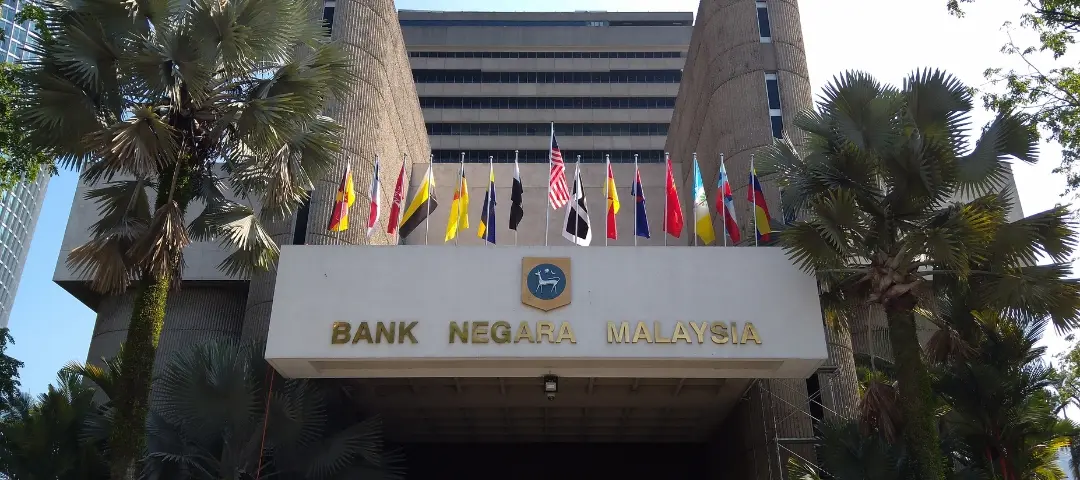
Version: CN, MY As of 3 September 2026, Bank Negara Malaysia (BNM) has maintained the Overnight Policy Rate (OPR) at 2.75%. The OPR has remained unchanged at this level since 9 July 2025, when BNM reduced the rate by 25 basis points from 3.00% to 2.75%. This means the OPR has now stayed at 2.75% for around 14 months. At its September meeting, BNM said the current monetary policy stance remains consistent with the goals of continued price stability and sustainable economic growth. Malaysia's economy also remains relatively resilient. GDP expanded by 5.7% in the first half of 2026, with BNM expecting full-year growth to reach around 5%. At the same time, inflation remains contained. During the first seven months of 2026: Headline inflation averaged 1.8% Core inflation averaged 2.0% These conditions give BNM room to keep the OPR unchanged while continuing to monitor inflation, domestic demand, and external risks. The next and final Monetary Policy Committee (MPC) meeting for 2026 is scheduled for 5 November 2026. What You Should Know About OPR in 20261. What is the Overnight Policy Rate (OPR)?2. What Does OPR Mean to Home Buyers and Businesses?3. How Does OPR Affect Your Housing Loan?4. Will the OPR Stay at 2.75%?5. Is This a Good Time To Buy a Home?Frequently Asked Questions (FAQs) 1. What is the Overnight Policy Rate (OPR)? Before we dive deeper, let's first understand what the OPR actually means. The Overnight Policy Rate (OPR) is an interest rate set by Bank Negara Malaysia (BNM) that influences the rates at which financial institutions lend funds to one another overnight. Banks experience varying levels of deposits, withdrawals, and lending activities every day, so their available cash reserves can fluctuate. A bank facing a cash shortage may borrow from another bank with excess funds to meet its short-term liquidity needs. The OPR provides a benchmark for these transactions and also plays an important role in influencing borrowing costs across Malaysia's financial system. a. Why Is the OPR System in Place? The OPR is one of BNM's main tools for managing the economy. By adjusting or maintaining the OPR, BNM can influence borrowing costs, spending, investment and inflation. For example, a lower OPR can make borrowing more affordable and encourage spending and investment. A higher OPR can help reduce excessive demand and inflation by making financing more expensive. However, strong economic growth does not automatically mean BNM needs to increase the OPR. What matters is whether stronger demand begins to create problems such as persistent inflation, excessive household borrowing, rapidly rising asset prices, or financial instability. For now, Malaysia's inflation remains relatively contained despite GDP growth of 5.7% in the first half of 2026. This is one reason BNM has been able to maintain the OPR at 2.75%. 2. What Does OPR Mean to Home Buyers and Businesses? For homebuyers and businesses, the September OPR decision mainly means financing conditions remain relatively stable. There is no new rate cut, but there is also no increase in borrowing costs caused by an OPR hike. a. When the OPR increases: Borrowing costs generally become higher. Floating-rate housing loan repayments may increase. Businesses may face higher financing costs. Loan affordability can become tighter for some borrowers. b. When the OPR decreases: Borrowing costs generally become lower. Monthly repayments on affected floating-rate loans may decline. Financing becomes more affordable. Lower borrowing costs can support household spending, property purchases and business investment. c. When the OPR remains unchanged, like the current 2.75%: Borrowers generally face more stable financing conditions. Existing floating-rate borrowers are less likely to see an OPR-driven change in repayments. Homebuyers have greater certainty when planning their monthly commitments. The current environment is also supported by Malaysia's resilient economy, stable labour market and ongoing investment activity. However, BNM continues to monitor risks such as higher global commodity prices, geopolitical tensions, and inflationary pressures. 3. How Does OPR Affect Your Housing Loan? For homeowners and property buyers, changes in the OPR can eventually affect the cost of servicing a floating-rate housing loan. a. Your monthly installment may change When borrowing rates rise, homeowners with floating-rate loans may need to pay higher monthly installments. When borrowing rates decrease, the opposite may happen, reducing monthly repayment commitments. With the OPR currently maintained at 2.75%, borrowers are not facing a fresh OPR-driven increase following the September 2026 meeting. b. Your repayment period may be affected Depending on the bank and the terms of your housing loan, a change in interest rates may affect either your monthly repayment amount, effective repayment period, or both. This is particularly relevant for floating-rate housing loans, where borrowing costs can move when benchmark rates change. To illustrate how a 0.25 percentage-point difference in loan interest rates can affect monthly repayments: Loan AmountAt 3.00% p.a.At 2.75% p.a.Estimated Monthly SavingsRM500,000RM1,924RM1,855RM69RM600,000RM2,309RM2,226RM83RM700,000RM2,694RM2,597RM97 The illustration assumes a 35-year loan term and is provided for comparison purposes only. The OPR is not the same as your actual housing loan interest rate. Actual rates, repayments and loan terms vary between banks and borrowers. For context, Malaysia's lowest-ever OPR was 1.75%, introduced in July 2020 during the COVID-19 pandemic. It remained at that level until May 2022. 4. Will the OPR Stay at 2.75%? For now, there appears to be limited pressure for BNM to change the OPR immediately. Malaysia recorded stronger economic growth of 5.7% in the first half of 2026, while headline and core inflation remained relatively contained at 1.8% and 2.0%, respectively, during the first seven months. Several economists and research houses therefore expect BNM to keep the OPR at 2.75% for the remainder of 2026, including at the final MPC meeting in November. Some economists believe the current rate could even remain in place into 2027 if inflation stays manageable and domestic demand grows at a sustainable pace. However, this is not guaranteed. Pressure for an OPR increase could become stronger if: inflation rises persistently; wage and household spending pressures accelerate; household borrowing increases rapidly; property prices rise excessively; or the ringgit comes under sustained pressure. On the other hand, a major slowdown in global trade or economic growth could change the outlook in the opposite direction. BNM has made it clear that future decisions will continue to depend on the balance between economic growth and inflation. 5. Is This a Good Time To Buy a Home? The current 2.75% OPR provides a relatively stable financing environment for homebuyers, but that does not automatically mean everyone should rush to purchase a property. Unlike July 2025, buyers are not receiving a fresh rate cut today. The advantage now is greater certainty because the OPR has remained unchanged for around 14 months. Malaysia's economy is also growing at a healthy pace, while inflation remains contained. This gives homebuyers a more stable environment when planning long-term financial commitments. For buyers purchasing a property for their own stay or as a long-term investment, the current environment can be favorable if your income is stable and the monthly repayment remains comfortably within your budget. However, the OPR should never be the only reason to buy. You should also consider your: monthly income and existing commitments; emergency savings; property location and future demand; down payment and upfront costs; and ability to continue servicing the loan if interest rates eventually increase. Overall, an OPR of 2.75% provides Malaysian homebuyers with greater financing stability, but the best time to buy is still when the property fits both your needs and your long-term financial capacity. Frequently Asked Questions (FAQs) a. What is Malaysia’s latest OPR in 2026? As of 3 September 2026, Bank Negara Malaysia has maintained the Overnight Policy Rate (OPR) at 2.75%. The rate has remained unchanged since 9 July 2025, when it was reduced from 3.00%. b. When is the next OPR announcement in Malaysia? The next and final Bank Negara Malaysia Monetary Policy Committee meeting for 2026 is scheduled for 5 November 2026. BNM will decide whether to maintain, increase, or reduce the OPR based on inflation, economic growth, and other financial conditions. c. Why did Bank Negara maintain the OPR at 2.75%? BNM considers the current rate appropriate for supporting sustainable economic growth while maintaining price stability. Malaysia’s GDP grew 5.7% in the first half of 2026, while headline and core inflation remained relatively contained at 1.8% and 2.0%, respectively, during the first seven months. d. Will the OPR stay at 2.75% for the rest of 2026? Several economists and research houses expect the OPR to remain at 2.75% for the remainder of 2026, including at the November MPC meeting. However, this is not guaranteed, as BNM will continue monitoring inflation, domestic demand, global economic conditions, and financial risks. e. How does the OPR affect housing loan repayments? The OPR can influence banks’ lending rates, particularly for floating-rate housing loans. If borrowing rates rise, monthly repayments may increase, while lower rates can reduce repayments. Since the OPR is currently unchanged, borrowers are generally not facing a new OPR-driven increase in monthly installments. f. Does an unchanged OPR mean all home loan interest rates will stay the same? Not necessarily. The OPR is an important benchmark, but each bank determines its own lending rates based on funding costs, borrower risk, loan packages, and other factors. Fixed-rate loans are also generally unaffected by short-term OPR movements, while floating-rate loans are more sensitive to changes in benchmark rates. g. Is a 2.75% OPR good for property buyers in Malaysia? A 2.75% OPR provides a relatively stable financing environment, helping buyers plan their monthly commitments with greater certainty. However, buyers should still consider their income, existing debts, down payment, emergency savings, property location, and ability to handle higher repayments if interest rates increase in the future. It's high time we started investing, so if you're interested in connecting with property industry experts, drop us your details and we will connect you as soon as possible! [custom_blog_form] Continue reading: Penang 2030: Why Malaysia’s Silicon Valley of the East Is Becoming a Strategic Investment Hub MM2H UAE: Is Living in Malaysia Better Than Dubai in 2026? Can a Non-Bumi Buy a Bumi Lot in Malaysia? 2026 Guide

14 Sep, 2026
Best Housing Loan Rates to Secure in September 2026
Finding the best house loan interest rates in Malaysia can be challenging, particularly with the numerous options available. Critical terms such as home loan, housing loan, and loan tenure are essential for making informed decisions. This guide will help you navigate the various loan types, their interest rates, and other key factors to consider when searching for your dream home. In September 2026, several financial institutions in Malaysia offered competitive home loans and other financing options. Here's a quick overview: 1. Best Housing Loan Rates in September 2026 Bank NameHouse Loan NameInterest / Profit RateFinancing TypeTenureLock-In PeriodMBSBProperty Refinancing-i and Remortgage-ifrom 2.75% p.a.Full Term islamic financingUp to YearNoneHong LeongHousing Guarantee Schemefrom 2.75% p.a.Term loanUp to 35 yearsNoneMaybank IslamicHouzKEYfrom 2.88% p.a.Term Islamic financingUp to 35 years1 YearBank IslamBaiti Home Financing-ifrom 3.55% p.a.Term Islamic financingUp to 35 yearsNoneBank of ChinaHousing Loanfrom 3.88% p.a.Term loanUp to 35 years3 YearsSource: Ringgitplus These banks offer a range of housing and home loans that cater to different needs, whether you're looking for a flexible or a term loan. Understanding Housing Loan Rates: 1. Best Housing Loan Rates in September 20262. Understanding the Effective Lending Rate (ELR)3. Understanding House Loan Interest Rates4. How Should You Compare Lending Rates Across Banks as Borrowers?5. How to Plan and Compare Your House Loan Interest Rates?Critical Terms in Home Financing 1. MBSB Property Refinancing-i and Remortgage-i MBSB Property Refinancing-i and Remortgage-i are Islamic refinancing and remortgage facilities for homeowners who want to refinance their property or take cash out, using their home as collateral. It offers a floating profit rate of 2.75% p.a., a financing margin of up to 90%, and no processing fee. The Product Disclosure Sheet also states that the facility is based on Tawarruq, and the monthly installment may change if the SBR/OPR changes. a. Requirements RequirementDescriptionMinimum Age18 to 65 years oldWho Can ApplyAny nationalityEmployment TypeSalaried employees and self-employed applicants are eligibleFinancing TypeFull-term Islamic financingProfit TypeFloating profit rateProfit RateFrom 2.75% p.a.Profit Rate CeilingCapped at 11% p.a.Margin of FinanceUp to 90%Security RequiredThe property will be used as security for the financingTenureUp to a year b. Fees & Charges Fees & ChargesDescriptionProcessing FeeNo processing feeCompensation Charge1% per annum Ta’widh compensation charge will be imposed on the outstanding installment amountRedemption Letter FeeRM50 per requestLetter for EPF Withdrawal FeeRM50 per requestCredit TakafulRequired from MBSB Bank’s panel Takaful provider or another approved Takaful providerAdditional SecurityTerm Deposit-i may be requested depending on credit assessment c. Benefits BenefitDescriptionLow Starting Profit RateOffers a starting profit rate from 2.75% p.a., which is one of the lowest among the listed bank loan optionsHigh Financing MarginAllows financing of up to 90%, which can help homeowners access more value from their propertyIslamic Financing StructureBased on the Shariah concept of Tawarruq, suitable for borrowers looking for Islamic refinancingNo Processing FeeHelps reduce upfront application costSuitable for Refinancing or RemortgageUseful for homeowners who want to restructure their existing property loan or access cash from their property valueOpen to More ApplicantsAvailable to any nationality, including salaried employees and self-employed applicants For more information, please visit the MBSB Bank website. MBSB Property Refinancing-i and Remortgage-i Product Disclosure Sheet 2. Hong Leong Housing Guarantee Scheme The Hong Leong Housing Guarantee Scheme is a government-guaranteed home loan under SJKP for eligible first-time Malaysian home buyers, including salaried employees and non-fixed-income earners. It offers financing of up to 100%, with interest rates from 2.75% p.a. and tenure up to 35 years. The Product Disclosure Sheet states that this facility is calculated on a variable-rate basis, and that the property will be used as security for the bank. a. Requirements RequirementDescriptionMinimum Age18 years oldWho Can ApplyMalaysians onlyBuyer TypeFirst-time home buyersEmployment TypeSalaried employees and self-employed applicantsIncome TypeSuitable for fixed-income and non-fixed-income earners, including gig workers, traders, farmers, and fishermenProperty PurposeProperty must be for own occupationEligible Property TypeNew, sub-sale, auctioned, completed or under-construction residential propertiesNot EligibleLand purchase or construction financingLoan TypeTerm loanInterest TypeFloating interest rateInterest RateFrom 2.75% p.a. for borrowing up to RM500,000Margin of FinanceSuitable for fixed-income and non-fixed-income earners, including gig workers, traders, farmers and fishermenMaximum Financing AmountUp to RM500,000, inclusive of MRTA/MRTT, LTHO, solicitor’s fees and valuation feesTenureUp to 35 yearsCredit ConditionTotal monthly loan repayment should not exceed 65% of gross monthly incomeCredit RecordCCRIS should not show arrears of more than 2 months within any 12-month period, with no adverse credit record within the last 24 monthsIncome Documents for Non-Fixed Income EarnersBank statements, business license, fisherman’s registration card, or confirmation letter from authorized bodies such as JKKK, Penghulu, Category A government servants or elected representatives b. Fees & Charges Fees & ChargesDescriptionProcessing FeeWaived, subject to changeEarly Settlement FeeNot applicable because there is no lock-in periodLate Payment Fee1% p.a. on the outstanding amount in arrearsEscalating Late ChargesAdditional charges may apply for repeated or prolonged defaultWithdrawal FeeNot applicable because this is a term loanRedemption Letter FeeRM50 per requestLetter for EPF Withdrawal FeeRM20 per requestInsurance or Takaful CoverageRequired for residential properties under houseowner policy or takaful coverage, according to the PDSGovernment TaxesAll fees are subject to prevailing government taxes where applicable c. Benefits BenefitDescriptionLow Starting Interest RateOffers interest rates from 2.75% p.a., making it one of the lowest options in the provided listUp to 100% FinancingHelps eligible buyers reduce the need for a large upfront depositSuitable for Non-Fixed Income EarnersDesigned for applicants who may not have formal payslips, such as gig workers, small traders, farmers and fishermenGovernment Guarantee SupportBacked by SJKP, which helps eligible applicants access financing even if they may not qualify through normal loan channelsLong Loan TenureTenure of up to 35 years can help reduce monthly repayment pressureTwo-Generation FinancingAllows a child to join as a borrower to extend the loan tenure, subject to approvalNo Lock-In PeriodBorrowers can settle the loan early without early redemption or settlement feeFinancing Can Include Related CostsMRTA/MRTT, LTHO, solicitor’s fees and valuation fees can be included within the RM500,000 financing ceilingFirst-Home Buyer FriendlySuitable for Malaysians buying their first home for own stayMultiple Repayment ChannelsRepayment can be made through standing instruction, HLB Connect, IBG transfer, ATM transfer, deposit machine or branch counter For more information, please visit the Hong Leong Bank website. Hong Leong Housing Guarantee Scheme Product Disclosure Sheet 3. Maybank Islamic HouzKEY Maybank Islamic HouzKEY is an Islamic homeownership solution designed to help Malaysian buyers own a home with a lower upfront cost and greater cash-flow flexibility. It offers up to 100% financing, no down payment, and a profit rate from 2.88% p.a., with a tenure of up to 35 years or until age 70, whichever comes earlier. The Product Disclosure Sheet states that HouzKEY is based on the Shariah concept of Ijarah Muntahiyah Bi Tamlik, a lease contract that ends with ownership transferred via sale. a. Requirements RequirementDescriptionMinimum Age18 to 70 years oldWho Can ApplyMalaysian citizens onlyBuyer TypeSuitable for first and second home Malaysian buyersHome Financing LimitApplicant must not have more than one home financing, including HouzKEY, at the point of applicationEmployment TypeSalaried employees and self-employed applicantsGuarantorsUp to 3 guarantors are allowedGuarantor RequirementGuarantors must be immediate family members, such as spouse, parents, siblings, or childrenGuarantor AgeGuarantors must be between 18 to 70 years oldFinancing TypeTerm Islamic financingProfit TypeFloating profit rateProfit RateFrom 2.88% p.a.Eligible Property PriceRM250,000 to RM2,000,000Margin of FinanceUp to 100%TenureInitial tenure of 5 years, with flexibility to continue up to another 30 yearsMaximum TenureUp to 35 years, or up to age 70, whichever is earlierEligible LocationsSelected projects in Kuala Lumpur, Selangor, Johor and PenangEligible Property TypeSelected properties from Maybank’s partnering developers, including new launches, under-construction and completed properties b. Fees & Charges Fees & ChargesDescriptionProcessing FeeNo feeDown PaymentNo down payment requiredSecurity Deposit3 months refundable security deposit is required upon signing the HouzKEY Agreements and SPAEarly Settlement FeeNo feeCompensation Charge1% p.a. on the outstanding amountLate Payment Charges1% p.a. on the monthly payment amount in arrears or any other approved amount by BNMLegal Fees for SPALegal fee based on the Solicitor’s Remuneration Order and disbursement, if not absorbed by the developerStamp Duty for SPANominal stamp duty of RM10 per copy, with four copies to be stampedLegal Fees for Home Financing AgreementLegal fee based on the Solicitor’s Remuneration Order and disbursementStamp Duty for Home Financing AgreementBased on Stamp Act requirement for the original copy, with RM10 nominal stamp duty for each duplicate copyLegal Fees for Deed of TrustRM300Legal Fees for Power of AttorneyRM300Legal Fees for Purchase UndertakingRM150Notice of SettlementRM50Property Maintenance CostsUtilities, fire takaful, quit rent, assessment fee, maintenance fee and other related property payments are borne by the buyer during the tenure, where applicableTakaful CoverageFire Takaful is encouraged, while Family Takaful or Life Insurance is optional but recommended c. Benefits BenefitDescription100% FinancingAllows eligible buyers to finance the full property price without a down paymentLower Upfront CostBuyers only need to prepare a 3-month refundable security deposit, subject to terms and conditionsNo Payment During ConstructionBuyers do not need to make payment during the construction period until the key or vacant possession is handed overLow Starting Profit RateOffers a profit rate from 2.88% p.a., subject to Maybank’s approval and assessmentFlexible TenureStarts with a 5-year initial tenure and can be extended up to another 30 yearsCash Flow FriendlyMonthly payment during the initial tenure is structured as profit payment only, helping reduce monthly payment pressureUp to 3 Guarantors AllowedApplicants can strengthen their application by including up to 3 immediate family members as guarantorsSuitable for New or Under-Construction HomesAvailable for selected new launches, under-construction and completed properties from participating developersOption to Continue After Initial TenureBuyers may continue with HouzKEY after the initial tenure without paying a new down payment, subject to the bank’s termsOption to Buy, Refinance or SellAfter fulfilling the required period, buyers may buy the property, refinance with Maybank Islamic or other banks, or sell the property to settle the outstanding amount Visit Maybank website for more information Maybank Islamic HouzKEY Product Disclosure Sheet 4. Bank Islam Baiti Home Financing-i Bank Islam Baiti Home Financing-i is an Islamic home financing facility for Malaysians who want to buy a residential property, whether under construction or completed. It is based on the Tawarruq Shariah concept, with a floating effective profit rate of up to 3.55% p.a., a financing margin of up to 90%, no processing fee, and no lock-in period. The Product Disclosure Sheet also states that the financing is for residential property purchase, with the Effective Profit Rate calculated on a variable or floating rate basis a. Requirements RequirementDescriptionMinimum Annual IncomeRM24,000Minimum Age18 to 70 years oldWho Can ApplyMalaysians onlyEmployment RequirementApplicant should be employed or own a business for at least 3 yearsCredit RequirementApplicant should not be bankrupt or involved in legal actionPayment Track RecordMinimum 1 year of good payment track recordFinancing TypeTerm Islamic financingShariah ConceptTawarruqProfit TypeFloating profit rateProfit RateFrom 3.80% p.a. for property value above RM300,000Rate for Property RM300,000 and BelowFrom 4.10% p.a.Margin of FinanceUp to 90%TenureUp to 35 yearsApproval TimeAround 30 days, subject to Bank Islam’s approvalEligible PropertyResidential property, including under-construction or completed propertyCollateralThe financed property will be used as collateralGuarantorMay be required on a case-by-case basis, depending on credit assessmentRequired TakafulMRTT or MLTT is compulsoryOptional TakafulHouseowner or Householder Takaful Plan, if applicable b: Fees & Charges Fees & ChargesDescriptionProcessing FeeWaivedEarly Settlement FeeNo lock-in period. Bank Islam shall grant Ibra’ on deferred profit after full settlementCompensation Charge1% p.a. on overdue installments before maturity until full paymentCharge After MaturityBased on the prevailing daily overnight Islamic Interbank Money Market Rate on the outstanding balanceRedemption Letter FeeRM50 per requestLetter for EPF Withdrawal FeeRM20 per request for manual application, RM10 per request for online applicationStamp DutyBased on Stamp Duty Act 1949Disbursement FeeIncludes registration of charge and other related chargesValuation FeeApplicable for completed property or own construction by appointed contractorWakalah FeeRM25 for Appointment of the Bank as Purchase Agent and RM25 for Appointment of the Bank as Sales AgentLegal FeesLegal fees and incidental expenses related to security documentationCustodian FeeRM80 annually for safekeeping of security documents after the facility is fully settledCopy of Security DocumentsRM50 per requestCancellation FeeCustomer must pay costs incurred by the bank for preparation and registration of security documents, if the facility is canceledTakaful ContributionBased on the contribution amount required by the Takaful operatorMRTT or MLTTCompulsory coverage for the financing facilityHouseowner or Householder TakafulApplicable if required c. Benefits BenefitDescriptionCompetitive Profit RateOffers a profit rate from 3.80% p.a. for property value above RM300,000High Financing MarginAllows financing of up to 90% of the property valueLong Financing TenureTenure of up to 35 years can help make monthly installments more manageableNo Processing FeeReduces upfront application cost for borrowersNo Lock-In PeriodBorrowers can settle the financing early without being tied to a lock-in periodNo Early Settlement PenaltyBank Islam grants Ibra’ on deferred profit after full settlementIslamic Financing StructureSuitable for buyers looking for Shariah-compliant home financing based on TawarruqSuitable for New and Completed HomesCan be used for residential properties that are under construction or already completedStep Up Payment SchemeAvailable for eligible first-time home buyers, allowing them to pay only the profit portion during the Step Up periodProfit Rate ProtectionThe Bank’s Sale Price is based on the Ceiling Profit Rate, while the Effective Profit Rate is floatingTakaful ProtectionMRTT or MLTT helps protect the borrower and family in the event of death or total permanent disability You may visit the Bank Islam website for more information. Bank Islam Baiti Home Financing-i Product Disclosure Sheet 5. Bank of China Housing Loan Bank of China Housing Loan is a conventional term loan for buyers who want to finance a completed or under-construction residential property in Malaysia, or refinance an existing housing loan. It offers a floating interest rate from 3.88% p.a., with financing margin of up to 90% and tenure of up to 35 years. The Product Disclosure Sheet states that the Housing Loan is a secured loan, and the residential property will be used as security to the bank. a. Requirements RequirementDescriptionMinimum Annual IncomeRM60,000Minimum Monthly IncomeRM5,000Minimum Age18 to 70 years oldWho Can ApplyMalaysians, permanent residents and foreigners working in MalaysiaForeigner RequirementForeigners must have valid passport, visa, work permit or employment passEmployment TypeSalaried employees and self-employed applicantsLoan TypeTerm loanInterest TypeFloating interest rateInterest RateFrom 3.88% p.a.Loan AmountMinimum loan amount from RM300,000Eligible Borrowing RangeMore than RM300,000Margin of FinanceUp to 90% of the SPA price or market valueTenureUp to 35 yearsLock-In Period3 yearsEligible PropertyResidential property, including completed or under-construction propertyRefinancing OptionCan be used to refinance an existing housing loanSecurity RequiredThe residential property will be used as security for the loan b. Fees & Charges Fees & ChargesDescriptionProcessing FeeNo processing feeStamp DutyPayable according to the Stamp Act 1949Late Payment Fee1% p.a. on the amount in arrears, causing the total outstanding amount to increaseEarly Settlement Fee2.25% on the prepayment amount if prepayment or full settlement is made within the first 3 years from the first loan release dateSetup FeeOne-time setup fee may apply: RM50 for loan up to RM30,000, RM100 for RM30,001 to RM100,000, and RM200 for RM100,000 and aboveMonthly Maintenance FeeRM10 per month applies only to Flexi Housing Loan or Flexi Term LoanFire InsuranceMandatory. The property must be adequately insured against risk for its full value or replacement cost, whichever is higherHouseowner InsuranceOptionalMRTAOptional but encouragedMLTAOptional but encouragedLegal or Insurer ChoiceBorrower may use the bank’s panel lawyers or insurers, or appoint their own lawyer or insurer c. Benefits BenefitDescriptionCompetitive Interest RateOffers interest rate from 3.88% p.a., subject to Bank of China’s approvalLong Loan TenureTenure of up to 35 years can help make monthly instalments more manageableHigh Financing MarginFinancing margin of up to 90% helps buyers reduce upfront capital neededSuitable for Purchase or RefinancingCan be used to finance residential property purchase or refinance an existing housing loanAvailable for Under-Construction PropertyBuyers can use this loan for completed or under-construction residential propertiesOpen to More Applicant GroupsAvailable to Malaysians, permanent residents and foreigners working in MalaysiaNo Processing FeeHelps reduce the initial cost of applying for the housing loanOptional MRTA or MLTABorrowers are encouraged to take MRTA or MLTA for protection in the event of death or total permanent disabilityFlexi Option AvailableThe PDS mentions Flexi Housing Loan options, which allow deposit and withdrawal flexibility with interest savings through a linked current accountChoice of Lawyers or InsurersBorrowers can choose the bank’s panel lawyers or insurers, or appoint their own, subject to bank requirements Visit Bank of China for more information Bank of China Housing Loan Product Disclosure Sheet 2. Understanding the Effective Lending Rate (ELR) Source: Bank Negara Malaysia The Effective Lending Rate (ELR) is a critical component when evaluating home loans. It represents the total cost of borrowing, expressed as an annual percentage rate. The ELR includes the reference rate and the spread, which collectively impact your monthly repayments. Reference Rate: The base rate, such as the Standardised Base Rate (SBR), is influenced by Bank Negara Malaysia's policies. Spread: Additional charges include credit and liquidity risk premiums, operating costs, and the bank’s profit margin. The ELR is crucial because it affects the total repayment amount and helps borrowers effectively compare different loan products. What is the Reference Rate? Source: Bank Negara Malaysia The reference rate is a benchmark interest rate used by Malaysian banks to determine changes in borrowers' repayments on floating-rate loans over the loan tenure. This rate can vary across institutions, but it serves as a foundation for setting the lending rate. Is the Reference Rate Equal to the Standardised Base Rate (SBR)? No, the reference rate differs from the Standardised Base Rate (SBR). The SBR is a specific reference rate that standardizes the base rate across all banks. Introduced on 1 August 2022, the SBR is directly linked to the Overnight Policy Rate (OPR) set by Bank Negara Malaysia. This standardization aims to simplify comparing loan rates across banks. Is the Reference Rate Equal to the Overnight Policy Rate (OPR)? The reference rate may include the OPR, especially when the SBR is used. The OPR is the interest rate at which banks lend to each other overnight and is set by the central bank. Changes in the OPR directly affect the SBR and the reference rate used for loans. What is Spread? The spread is an additional percentage added to the reference rate to arrive at the ELR. It covers various costs and risks incurred by the bank, including: Credit Risk Premium: Compensation for the risk that a borrower might default. Liquidity Risk Premium: Compensation for the risk associated with the bank’s liquidity. Operating Costs: The day-to-day expenses of running the bank. Profit Margin: The bank’s earnings from the loan. The spread is generally fixed for the duration of the loan unless there is a significant change in the borrower’s credit risk profile. 3. Understanding House Loan Interest Rates Understanding the mechanics of interest rates and their impact on repayments is essential for making informed decisions about Malaysian home loans. What are House Loan Interest Rates? House loan interest rates are the percentage of the loan principal that banks charge. These rates determine the cost of borrowing and are influenced by various factors, including the central bank’s policies and the individual bank's cost structures. How to Calculate House Loan Interest Rate? Source: Bank Negara Malaysia Calculating your home loan interest rate is crucial for understanding the total amount you will pay over time. Use a home loan calculator to determine your monthly instalments and total repayment. Here’s an example: Example Calculation: Bank’s Base Rate (BR): 2.00% Spread: 1.50% ELR: BR + Spread = 2.00% + 1.50% = 3.50% For a loan of RM300,000 over 30 years, the monthly instalment would include interest and principal repayments. Understanding these calculations can help you save money and manage your loan tenure effectively: Annual Interest Amount: RM300,000 x 3.50% = RM10,500 Monthly Interest Amount: RM10,500 / 12 = RM875 Thus, the monthly repayment would include RM875 in interest plus the principal repayment. What Can Affect Your House Loan Interest Rate? Several factors can influence your house loan interest rate, including: Central Bank Policies: Changes to Bank Negara Malaysia's Overnight Policy Rate (OPR) can directly affect interest rates. Economic Conditions: Inflation and economic stability can influence interest rates. Borrower’s Credit Score: Higher credit scores often result in lower interest rates. Loan Tenure: Longer loan tenures can sometimes attract higher interest rates. 4. How Should You Compare Lending Rates Across Banks as Borrowers? Comparing lending rates across banks involves more than just looking at the ELR. Consider the following steps: Review the ELR and Spread: Compare the total borrowing cost. Understand Additional Fees: Be aware of any extra fees that might apply. Read the Product Disclosure Sheet (PDS): This document provides crucial details about the loan. 5. How to Plan and Compare Your House Loan Interest Rates? When planning a home loan, consider the property's value, the loan amount, and the loan tenure. Use a loan calculator to estimate your monthly instalments and ensure you understand all associated fees. Planning and comparing Malaysia house loan interest rates requires a strategic approach: Research Different Lenders: Identify potential lenders and their offerings. Interest Rates: Compare the interest rates offered by different banks. Additional Features: Evaluate foreclosure charges and other loan features. Some loans include extra funds withdrawal or linked current accounts for easier management. Read Reviews: Learn from the experiences of other borrowers. Seek Professional Advice: Consult with financial advisors if needed. Maximum Loan Tenure: Most banks offer up to 35 years. Prepayment Options: Check if the bank allows for additional payments without penalties. Insurance Requirements: Most housing loans require Mortgage Reducing Term Assurance (MRTA) or other types of insurance. Flexibility: Compare loans that offer flexible repayment options, like a flexi loan or semi-flexi loan (make sure to understand the terms and conditions). Critical Terms in Home Financing Understanding key terms related to home financing is crucial for navigating the market: Outstanding Principal Balance: The remaining amount you owe on your loan, excluding interest. Home Loan Balance: The total amount left to pay on your home loan. Basic Term Loan: A standard loan with fixed interest rates and repayment terms. Loan Period: The total time over which you will repay the loan. Mortgage Reducing Term Assurance: Insurance that decreases as your loan balance decreases. Choosing the right home loan in Malaysia requires careful consideration of several factors, including interest rates, loan tenure, and associated fees. By understanding the options available and using tools like a home loan calculator, you can make a more informed decision that aligns with your financial goals and helps you secure your dream home. Version: CN, BM Are you looking for a dream house after getting the best house loan interest rates? We can assist you! Please send us your details, and we will contact you shortly. [custom_blog_form] Continue Reading: Why My Housing Loan Got Rejected in Malaysia? (Reasons Explained) Malaysia vs Singapore Property: Why Investors Still Choose KL? Where Should You Retire in Malaysia? Best Affordable, Quiet and Safe Homes to Consider

11 Sep, 2026
What Are Young People Really Worried About? Inside the Mindset of Malaysia’s Future Workforce
Malaysia's unemployment rate is at a decade low. Young Malaysians are still struggling to find work they want. Both of those things are true at the same time, and that contradiction is the story of the future workforce. For young people entering work today, the question is no longer just "can I get a job?" It is "how do I stay valuable, build financial security and keep my options open while AI rewrites the rules?" Through IQI's youth engagement initiatives and ongoing conversations with younger Malaysians, one pattern keeps surfacing. Young people are not afraid of change. They are frustrated by uncertainty. And they are looking for organisations willing to help them turn that uncertainty into a plan. TL;DR Malaysia's overall unemployment is around 3%, but youth unemployment (15 to 24) is 10.2%, with 291,600 young people out of work as of May 2026 (DOSM). The problem is mismatch, not a lack of jobs: PERKESO recorded 3.47 million manufacturing vacancies against just 326,407 applicants. Gen Z workers report the lowest workplace happiness (65%) and the highest burnout (45%) of any generation in Malaysia (Jobstreet by SEEK). Self-employed Malaysians in their early 20s have more than doubled since 2013, from 128,000 to 286,000. Globally, 6.1% of youth jobs sit in roles highly exposed to AI (ILO 2026). IQI's Daniel Ho: "Don't compete with AI. Build with AI." What young people want: relevance, financial security, flexibility and mentorship. What organisations can offer: exposure, structure and a place to practise. A changing world is creating new career questions Young people today are entering a workplace that looks nothing like the one their parents joined. Speaking at IQI Youth Connect, Daniel Ho, Co-Founder and Group Managing Director of IQI, put the urgency plainly. The tsunami is coming. If you don't take action today, that tsunami will wipe away those that are staying idle, those that are staying put, those that do not take action and act.Daniel Ho, Co-Founder and Group Managing Director, IQI Recognising change early is now a career skill in itself. The rest of this article is about what that change looks like in Malaysia, what young people say they are worried about, and what organisations can do about it. Why is youth unemployment high when Malaysia has a labour shortage? Start with the numbers, because they explain the mood. The Department of Statistics Malaysia (DOSM) reported an overall unemployment rate of 2.9% in the first quarter of 2026, the lowest in about a decade. In the same quarter, youth unemployment for those aged 15 to 24 stood at 10.1%. By May 2026 the youth rate had edged to 10.2%, or 291,600 unemployed young people. Widen the bracket to ages 15 to 30 and the figure reaches 396,000. Meanwhile employers say they cannot fill roles. In June 2026, more than 1,000 job seekers queued in Melaka for around 500 vacancies at a semiconductor plant offering a reported RM3,500 starting salary. That same month, PERKESO's MYFutureJobs data showed 3.47 million manufacturing vacancies against 326,407 applicants. Malaysia does not have a shortage of jobs. It has a mismatch between the jobs on offer and the jobs young people are prepared for and willing to take. Young applicants cluster in professional, ICT, finance and business roles. The open vacancies are heavily in manufacturing, construction, hospitality and food services. And vacancies paying RM2,500 to RM5,000 draw far stronger interest than those below that band. Indicator (Malaysia, 2026)FigureSourceOverall unemployment rate (Q1 2026)2.9%DOSMYouth unemployment, ages 15 to 24 (May 2026)10.2% (291,600 people)DOSMYouth unemployment, ages 15 to 30 (May 2026)6.3% (396,000 people)DOSMManufacturing vacancies vs applicants3.47 million vs 326,407PERKESO (MYFutureJobs)Self-employed workers in their early 20s128,000 (2013) to 286,000 (2025)DOSM MyLabourHubGen Z workplace happiness / burnout65% happy / 45% burnt outJobstreet by SEEKGlobal youth unemployment (2025)12.4% (67 million people)ILO Economists quoted in the national press call this a "skills and experience paradox": qualifications on paper that do not line up with what modern industries actually need. That gap is the first thing young people feel, long before they can name it. What are young Malaysians most worried about? Ask a room of young Malaysians what keeps them up at night and you will hear four themes, in roughly this order. 1. Staying relevant in an AI-driven world Artificial intelligence has become the single biggest lens through which young people view their careers. The worry is not abstract. The International Labour Organisation's 2026 youth employment report found that 6.1% of youth jobs globally sit in occupations highly exposed to AI, and many of those overlap with the clerical, administrative and sales roles that used to be the first rung of the career ladder. Across marketing, design, technology, finance and business, young people are asking the same question: which parts of my future job will still need a human? Here is the shift we are seeing. The conversation is moving from "will AI replace me?" to "how do I become the person who uses AI well?" Daniel Ho's advice to the Youth Connect audience was five words long: Don't compete with AI. Build with AI AI can improve productivity, support decisions and automate process. Human judgement, creativity, relationships and strategic thinking are still where value gets created. The future workforce will not be defined by people who compete against technology, but by people who know how to direct it. Worried about staying relevant? Build a career where the human skills are the job. Real estate is one of the few careers in Malaysia with no salary ceiling and no degree requirement. IQI gives new negotiators full training, mentorship through IQI Youth, in-house tech, and a 5-day commission payout, backed by a network of 30,000+ professionals across 20+ countries. Not sure if it is for you? Start with a conversation. Explore a career with IQI > 2. Financial security in an expensive country Career worry and money worry are the same worry from two angles. With the minimum wage at RM1,700 and entry-level roles under RM2,500 struggling to attract applicants, young people have done the maths. A single salary is not enough to feel secure, so they are thinking about how to: Build savings and financial independence early Create a second income stream Develop skills that generate opportunities on their own Reduce dependence on one employer The definition of success is changing with it. For many, success is no longer a stable job for 30 years. It is flexibility, growth and control over their own future. Wondering how far an income built on performance can go? See how much property agents really earn in Malaysia. 3. Careers that no longer follow a straight line The traditional path was simple: education, employment, promotion. Today's data tells a different story. DOSM figures show the number of self-employed Malaysians in their early 20s has more than doubled since 2013, from 128,000 to 286,000. The 20 to 24 age group alone grew 123% over that period, and two in three own-account workers are now urban. Freelancing, content creation, digital businesses and e-hailing are no longer side hustles. For a growing share of young people they are the main plan. The old promise has quietly expired, and young people know it. As Daniel Ho told the Youth Connect audience: The old game, study hard, get a good degree, then you come out your life is guaranteed. Is it guaranteed now? No, unfortunately.Daniel Ho, Co-Founder and Group Managing Director, IQI Qualifications still matter. They are just no longer sufficient on their own. The future workforce will need qualifications plus adaptability, continuous learning and the ability to create value beyond a job description. That brings its own anxiety. Economists warn that prolonged reliance on gig work without EPF, PERKESO coverage or a career ladder can widen income inequality over time. Young people know this too. They are not rejecting stable work. They want stable work that also lets them grow. FactorTraditional career pathEmerging career pathDefinition of successJob security, tenure, titleGrowth, flexibility, ownershipIncome modelOne salary, annual incrementMultiple streams, performance-linkedSkillsQualification-led, fixedContinuous learning, AI-augmentedLoyaltyUnconditional, long tenureEarned, mutual, conditional on growthBiggest riskRedundancy, stagnationIncome volatility, no safety net 4. Burnout before the career has even started This one surprises employers most. Jobstreet by SEEK's Workplace Happiness Index found Gen Z workers in Malaysia (ages 18 to 29) recorded the lowest workplace happiness at 65%, against 71% for Millennials and 72% for Gen X. They also reported the highest burnout, with 45% saying they feel exhausted at work. Only 69% of Gen Z respondents felt able to be their authentic selves at work, compared to 75% of older colleagues. The Malaysian Employers Federation notes that many young employees now change jobs within 18 months. Critics call it disloyalty. Young people themselves describe it differently: they are still exploring, and they will stay where they can see a path to grow. Loyalty has not disappeared. It has become conditional. Which human skills will matter more as AI advances? If AI takes the repetitive work, what is left is the work that needs a person in the room. Five skills keep coming up. Emotional intelligence Reading people, building trust and responding well to pressure. In sales, service, healthcare and leadership, this remains the job. Communication Explaining an idea clearly, connecting with someone across a table, and building a relationship that outlasts a transaction. AI can draft the message. It cannot earn the trust. Creativity AI generates options. Human experience, taste and perspective decide which option matters and why. Originality still comes from lived experience, not from a prompt. Leadership Inspiring people, guiding teams and helping others grow requires empathy and judgement earned in the real world. Authenticity Personal stories and individual perspectives are the one thing that cannot be copied at scale. In a world of generated content, being recognisably yourself becomes an asset. Technology extends human capability. It does not replace the human at the centre of a career built on relationships. Why do so many capable young people freeze instead of act? Ambition is rarely the problem. Uncertainty is. Many young people hesitate because they are waiting for the perfect opportunity, the perfect plan or the perfect timing. None of those arrive on schedule. Progress comes from small experiments, not perfect plans. The steps that create momentum are modest: Learn one AI tool properly and use it every day for a month Start building a personal brand, even with an audience of ten Launch a small project with a real deadline Spend a day inside an industry you have never considered Ask someone ten years ahead of you for 30 minutes of their time The ability to keep learning and adapting may end up being the single biggest advantage in the future workplace. It is also the one advantage no one can be locked out of. Is AI creating opportunities, not just taking them? Technology is not only changing existing jobs. It is creating new ones, and lowering the cost of starting something. A decade ago, launching a business meant capital, staff and an office. Today a young Malaysian with a laptop can research a market, build a brand, produce content, automate admin and reach customers in an afternoon, with AI doing much of the heavy lifting. The future opens up a lot of opportunity for young Malaysians that look into entrepreneurship that is powered by AI. Daniel Ho, Co-Founder and Group Managing Director, IQI AI-powered entrepreneurship is where personal brand, skills and technology meet. It is also a direct answer to the financial-security worry: a second income stream that scales with effort, not with headcount. The self-employment data above shows young Malaysians are already moving this way. The question is whether they do it with a safety net, real skills and a mentor, or on their own. How can organisations support the next generation? Preparing the future workforce is not only the responsibility of young people. Companies, leaders and experienced professionals set the conditions. The data points to four things that move the needle. Learning opportunities Real exposure to new tools, industries and skills, not a slide deck once a year. Malaysia's skills mismatch is a training gap as much as an education gap. Mentorship Young people consistently rank mentorship and clear career paths alongside salary. A mentor turns an abstract worry about the future into a concrete next step. Growth environments Room to experiment, contribute and occasionally fail. Given the burnout data, this also means realistic workloads and managers who notice. Future-ready structures Career ladders that reward learning and digital adoption, and income models that scale with performance rather than tenure alone. Young people will stay where they can see themselves growing. Build that, and the loyalty question answers itself. Case study: how IQI is putting this into practice At IQI, we believe empowering people means creating the conditions for them to learn, grow and discover what they are capable of. In 2026 that belief took a more structured form. IQI Youth: a platform, not a programme In May 2026, at the Juwai IQI International Convention in Kuala Lumpur, the group formally launched IQI Youth, a platform for developing the next generation of real estate professionals around four pillars: growth, learning, influence and leadership development. The logic is simple. Real estate is one of the few careers in Malaysia where income scales with performance rather than with years served, where the entry barrier is training and licensing rather than a specific degree, and where the daily work is built on exactly the human skills AI cannot replace: trust, communication and judgement. That makes it a natural laboratory for the future workforce, and it puts a responsibility on the industry to give young people structure, mentorship and tools rather than just a tag and a target. IQI Youth Connect: closing the gap between knowing and doing On 22 August 2026, IQI Youth Connect brought around 100 young Malaysians aged 18 to 35 to IQI's headquarters in Kuala Lumpur for a full day on three topics they had told us mattered most: AI, content marketing and entrepreneurship. The format reflected what young people say they want from employers. Live demonstrations rather than lectures. Practical frameworks they could use the following week. Direct access to founders, marketers and creators who had built something themselves. And a networking layer, because the second most common worry after "am I relevant?" is "who do I even ask?" Participation was open to students, fresh graduates, working adults, freelancers and career changers, with no connection to IQI required. The point was not to recruit a room. It was to equip one. What we learned in that room is what shaped this article: young Malaysians are not waiting to be rescued from the future. They are asking who will help them prepare for it. Read the full IQI Youth Connect 2026 highlights, or explore the IQI Youth platform. The future belongs to those who prepare for it The world of work is changing faster than any single generation has experienced before. Young Malaysians are not asking for it to slow down. They are asking for exposure, structure and someone willing to show them the way. Young people are not waiting for the future. They are preparing for it. The organisations that prepare alongside them will be the ones that still have a workforce in ten years. Frequently asked questions What are young people most worried about today? Young Malaysians are mainly concerned about staying relevant as AI changes work, building financial security on a single salary, career paths that no longer follow a straight line, and early burnout. DOSM data shows youth unemployment at 10.2% even as overall unemployment sits near 3%. Why is youth unemployment in Malaysia high when employers cannot fill jobs? Because of a mismatch, not a shortage. PERKESO recorded 3.47 million manufacturing vacancies against 326,407 applicants. Young job seekers cluster in professional, ICT and finance roles, while open vacancies are concentrated in manufacturing, construction and hospitality, often at pay below the RM2,500 to RM5,000 band that attracts applicants. Will AI replace future workers? AI will automate certain tasks, and the ILO estimates 6.1% of youth jobs globally are highly exposed to it. Human skills such as creativity, communication, judgement and relationship building remain valuable, and workers who learn to use AI well are likely to be more in demand, not less. What skills will be important for future careers? A combination of AI and digital fluency, adaptability, communication, creativity, emotional intelligence and leadership. The ability to keep learning is the skill that underpins all of them. How can companies support young talent? Through mentorship, real learning opportunities, exposure to technology, realistic workloads and career paths that reward growth. Research consistently shows young Malaysians stay with employers where they can see themselves developing. What is IQI Youth? IQI Youth is a platform launched by Juwai IQI in 2026 to develop the next generation of real estate professionals around four pillars: growth, learning, influence and leadership. IQI Youth Connect is its flagship learning and networking event, focused on AI, marketing and entrepreneurship for Malaysians aged 18 to 35. Thinking about your next step, or about how your organisation can support young talent? Leave your details and the IQI team will reach out. [custom_blog_recruit_form] Sources: Department of Statistics Malaysia, Labour Force Statistics, Q1 and May 2026, as reported by The Star and Business Today PERKESO MYFutureJobs vacancy data, via The Star, 22 June 2026 DOSM MyLabourHub, self-employed youth data, via The Star, 29 July 2026 Jobstreet by SEEK Workplace Happiness Index, via The Sun, 15 April 2026 Malaysian Employers Federation, via The Star, 17 July 2026 ILO, Global Employment Trends for Youth 2026, via SAYS, 12 August 2026 IQI Youth platform launch, via EdgeProp, May 2026

10 Sep, 2026
Budget 2027 stamp duty exemption first home buyers
Malaysia tables Budget 2027 on 9 October 2026. For anyone buying their first home next year, one line in that speech matters more than the rest. The first-time homebuyer stamp duty exemption expires on 31 December 2027. Juwai IQI wants it extended, and the reason is not sentimental. Letting it lapse quietly takes up to RM11,250 from buyers who thought they had until the end of next year. What the Exemption Is Worth It removes stamp duty on two documents, not one: the instrument of transfer, and the loan agreement. On a RM500,000 home with a 90% loan: Cost itemWithout exemptionWith exemptionTransfer instrument (MOT)RM9,000RM0Loan agreement (0.5% of RM450,000)RM2,250RM0Total at stampingRM11,250RM0 Note: MOT is 1% on the first RM100,000 plus 2% on the next RM400,000, per the LHDN scale as at September 2026. That RM11,250 is cash, not financing. Stamp duty cannot be rolled into the loan, so removing it changes who can actually complete a purchase. The stamp duty extension is a vital measure because it helps more than three out of four buyers. Homes worth RM500,000 or less, which are covered by the exemption, make up about 76% of all residential purchases. Kashif Ansari, Co-Founder and Group CEO, Juwai IQI NAPIC's 2025 data backs that up. Homes at RM300,000 and below were 52.3% of residential transactions, and the RM300,001 to RM500,000 band added 24.9%. Together, 77.2% of the market sits inside the exemption. The Trap: Your Signing Date, Not Your Booking Date Here is the part most buyers miss. Eligibility is triggered by the date the sale and purchase agreement is executed, not the date you paid the booking fee. For off-plan purchases, those dates can be months apart. Imagine a buyer choosing an off-plan home in the second half of 2027. They might find out that they don't qualify for the exemption because they didn't end up signing their agreement until 2028, which is outside the window Kashif Ansari, Co-Founder and Group CEO, Juwai IQI There is a supply effect too. If nobody knows what happens after 2027, some affordable projects get shelved in 2026 rather than launched into an uncertain incentive. A Cheap Policy, and Two Other Asks Malaysia will table Budget 2027 on 9 October 2026, and for first-time homebuyers planning to purchase next year, one decision could make a real difference. The current stamp duty exemption for first-time buyers is set to run until 31 December 2027. Juwai IQI is urging the government to extend the measure, as allowing it to expire could mean eligible buyers lose savings of up to RM11,250 when purchasing their first home. This is not just about incentives. It is about reducing the upfront cost barrier for Malaysians entering the property market. What This Means If You Plan to Buy in 2027 Buying a completed subsale home? You are in reasonable shape. The gap between offer and signing is usually short. Just do not leave it to December 2027. Buying off-plan? Treat the signing date as your real deadline. Ask the developer in writing when the SPA will be executed. Still saving? The exemption stacks with other supports. See our overview of first home schemes in Malaysia, and the real all-in cost of buying a house for what stays payable even when stamp duty is waived. Full eligibility rules are in our guide to the stamp duty waiver extended to 2027. Budget speeches are not the place to gamble on timing. If your purchase can reasonably be completed inside the current window, complete it inside the current window. This article is based on reporting by Kopi & Property on September 2026, with insights from Juwai IQI Group CEO Kashif Ansari on Budget 2027 proposals, first-time homebuyer support and measures to improve housing affordability. Juwai IQI provides expert insights into the property, economic and investment trends shaping markets locally and globally. Click below to get more expert property insights from our blog! MORE INSIGHTS
Ready to get started?
Get in touch now.