

Negotiator ∙ Elite
Afifah

Negotiator ∙ Elite
Afifah

About Afifah
Leveraging market knowledge and negotiation skills to deliver exceptional results. Your real estate success is my priority. Ready to make your real estate dreams a reality? Let's chat. Your dream home awaits.
2 years at IQI
27 transactions
Contact Afifah
Afifah Social Links
No social links available.
My Listings
No listings available at the moment.
Our newly launched projects
Discover the real estate properties in and around Sandakan, Malaysia. Buy apartment units, landed houses, bungalows, commercial office space, shop lots, and sub-sales with 100% confidence at IQI Global.
 Located in Kubang Semang
Northern TechValley @BKE
Mukim 14, Kubang Semang, 14400 Seberang Perai, Penang, Malaysia
Starting from € 3,065,802
Listed on January 23, 2026
 Varied built-up sizes
Taman IKS Bukit Minyak
Jalan IKS Bukit Minyak Utama, Taman IKS Bukit Minyak, 14100 Simpang Ampat, Penang, Malaysia.
Starting from € 254,604
Listed on January 23, 2026
 Industrial project type
Regalway Industrial Hub (Industrial)
Regalway Industrial Hub, Off Jalan Bukit Panchor, Bukit Panchor, 14100 Simpang Ampat, Penang, Malaysia.
Starting from € 1,060,673
Listed on January 23, 2026
 Spacious land area
Taman Jasa Ria (Garden Villa)
Jalan Permatang Pasir, Taman Jasa Ria, 14000 Bukit Mertajam, Penang, Malaysia
Starting from € 236,626
Listed on January 23, 2026
 Larger built-up area
Taman Jasa Intan (Garden Superlink)
Jalan Jasa Intan, Taman Jasa Intan, 14000 Bukit Mertajam, Penang, Malaysia
Starting from € 173,007
Listed on January 23, 2026
 Located in Nibong Tebal
Taman Fajar Permai (Sunrise Terrace)
Jalan Fajar, Taman Fajar Permai, 14300 Nibong Tebal, Penang, Malaysia.
Starting from € 116,325
Listed on January 23, 2026
Mortgage Calculator
Calculate your estimated month repayment and plan your monthly expenses well.
The mortgage calculator is intended for reference only. Actual amount may vary.
Monthly Payment
Send me the mortgage calculator result

Home Loan Eligibility Calculator
Calculate your potential loan amount and assess your home buying affordability.

Rental Yield
Calculate the potential rental yield and evaluate a property's investment performance.

Down Payment Saving Plan
Create a structured savings plan and determine how much to save monthly for your down payment plan.

Malaysian Property Transaction Fees Calculator
Estimate the total transaction fees and budget accurately for your Malaysian property purchase.
IQI blog & news
Articles specifically curated for your daily digest of local and global real estate news.

TL;DR We studied the real stories of 8 IQI agents, from a chef to a journalist to a 19-year-old student, and extracted the most common mistakes they made in their first 6 months. The top mistakes: waiting too long to prospect, working hard in the wrong direction, ignoring content marketing, trying to succeed alone, and chasing fast money instead of building real skills. Every agent who eventually succeeded changed something specific about their approach, not just "worked harder." IQI's training, mentorship, tech (Atlas), cross-team culture, and 5-day commission payout are built to prevent most of these mistakes from happening in the first place. Here's a question nobody asks at a real estate career talk: "What did you do wrong in your first six months?" Everyone wants to hear about the first big commission. The car upgrade. The team growth. But before all of that, almost every successful property negotiator went through a stretch where nothing worked. We went directly to the source. We collected first-hand stories from 8 IQI agents at different stages of their careers, from rookies to leaders with teams of over 15,000 people. A chef who thought sales wasn't for him. A property journalist who was under AKPK. A 19-year-old student who owed RM15,000 to a friend from failed money games. Their stories are brutally honest. And the mistakes they made in their first months? They're almost always the same ones new negotiators are making right now. This article breaks down those mistakes, explains exactly how each agent overcame them, and shows you what to do differently if you're starting your real estate career in 2026. These mistakes real estate agents make came up in almost every storyTL;DRMistake 1: Staying Invisible While Waiting for LeadsMistake 2: Letting Self-Doubt Kill Your ActivityMistake 3: Deciding You're "Not the Sales Type" Before Even TryingMistake 4: Having Too Many Options and Taking Zero ActionMistake 5: Working Hard in the Wrong Direction (and Never Reviewing)Mistake 6: Not Preparing for the Commission DelayMistake 7: Entering Real Estate Only for "Fast Money"Mistake 8: Trying to Succeed Completely AloneThe Real Pattern Behind Every Successful AgentKey TakeawayQuick Reference: The 8 Agents and Their First DealsFAQ Mistake 1: Staying Invisible While Waiting for Leads AG Sasidar went 18 months without closing a single deal. No income. No side job. No safety net. He had a wife and two kids depending on him. He sold his household furniture just to stay in the industry. His turning point? He changed how he showed up. View this post on Instagram A post shared by Life At IQI by IQI Global (@lifeatiqi_) Instead of waiting for leads, AG started creating videos. Not to impress anyone, but to help. He shared useful knowledge with his community, even when he was still figuring things out himself. The money came after that. Not because he chased it, but because he became someone people trusted. Here's the proof that this works: AJ Anand, another IQI agent, found AG Sasidar through his TikTok content. AJ's wife saw AG's real estate videos and encouraged AJ to reach out. That single piece of content recruited a future Head of Team into IQI. Content doesn't just attract buyers. It attracts future colleagues, referral partners, and opportunities you cannot predict. What should you do instead? Start publishing before you feel ready. You don't need a studio or perfect knowledge. A phone camera and one useful fact per post is enough. Topics you can cover from Week 1: home loan basics, area comparisons, purchase cost breakdowns, first-time buyer mistakes, or just answer the questions your friends keep asking you about property. You don't need experience to be useful. You need consistency. IQI agents get access to marketing training and content frameworks from Day 1. See what IQI provides → Mistake 2: Letting Self-Doubt Kill Your Activity AJ Anand lost his corporate job during the 2020 pandemic. He spent two years trying to find stable employment. Couldn't even land a position paying RM3,000. His wife became the sole breadwinner while they raised a one-year-old. When he finally joined IQI, nine months passed with zero deals. His house and car were listed for auction. Savings exhausted. Jewellery pawned. Debt collectors called relentlessly. AJ admits his biggest enemy during this period wasn't the market. It was his own mindset. He approached everything with negativity and doubt. The shift happened when he stopped seeing obstacles and started seeing opportunities. His thinking changed, then his actions changed, then his results followed. View this post on Instagram A post shared by Life At IQI by IQI Global (@lifeatiqi_) His first commission was RM3,500. To others, it seemed modest. To AJ, it was proof that the system works if you refuse to quit. He worked with extreme urgency after that, with just days to prevent his home from being auctioned. The next two years were a focused sprint to clear debt and rebuild. Today, AJ is a Head of Team at IQI. What should you do instead? Separate temporary results from personal ability. A bad month doesn't mean you're bad at this. It means your pipeline hasn't matured yet. Track your activity weekly: calls made, appointments attended, presentations delivered, follow-ups completed. These are the inputs you control. Results are a lagging indicator. And stay close to supportive people. AJ credits his wife for believing in him when he couldn't believe in himself. In IQI, your team leader, training group, and office community serve a similar role. Mistake 3: Deciding You're "Not the Sales Type" Before Even Trying Daniel Nazreen was a full-time Head Chef. Professionally trained. Graduated in Culinary Arts. He loved cooking and believed he'd do it forever. When his future mentor, Brian Lee, first invited him into real estate, Daniel turned him down. Multiple times. His exact thought: "Sales? That's not me. I don't have what it takes." Daniel's biggest mistake wasn't failing at sales. It was almost never trying. View this post on Instagram A post shared by IQI (@iqiglobal) Eventually, he did his own research, challenged his assumptions, and decided to take a leap with just one month of savings. Two weeks later, he closed his first deal. RM23,560 commission. From there, Daniel retired his parents at 22. Bought his first car at 25. Stepped into property ownership at 26. Gifted his parents a new car at 27. Won a Star Property Award at 28. Bought his dream landed home at 29. Today, he runs his own team at IQI. His mission: helping people shift the same limiting mindset he once had. View this post on Instagram A post shared by Life At IQI by IQI Global (@lifeatiqi_) What should you do instead? Modern real estate is not about being a natural salesperson. It's about understanding clients, asking good questions, solving problems, and following a proven process. If a chef with zero sales experience can build this kind of career, the barrier to entry isn't talent. It's the decision to start. Curious what the path looks like step by step? Read our complete guide to becoming a real estate agent in Malaysia. Mistake 4: Having Too Many Options and Taking Zero Action Aaron Siow has been with IQI since 2013. He now leads a team of over 15,000 people. But in his early years, he doubted himself constantly. Every year felt like a reset. His story, shared in Chinese, paints a vivid picture of how different real estate was a decade ago. No Zoom. No ChatGPT for copywriting. Everyone just copied each other's newspaper ads. The only platforms were newspapers, iProperty, and PropertyGuru. He had to buy a dedicated camera because phone photos were unusable. Appointments ran until 9 or 10pm, and every one was face-to-face. View this post on Instagram A post shared by Life At IQI by IQI Global (@lifeatiqi_) Despite all of that, Aaron kept going. He treated every inconvenience as part of the job. His message to today's new agents: the era of too many resources can be just as paralysing as the era of too few. When you have social media, AI tools, CRM systems, online listings, digital ads, and free training all available, the danger isn't having nothing. It's standing on the sideline and being afraid to pick something and act. View this post on Instagram A post shared by Aaron Siow Yih Lun (@aaron_siow) What should you do instead? Pick one market or project. Choose one main lead generation method. Set daily contact targets. Attend appointments consistently. Review results after enough activity to judge fairly. Don't keep asking whether real estate "can work" before giving the process a proper attempt. Time and results will answer that question for you. Aaron started with newspapers and no Zoom. You're starting with AI tools, Atlas CRM, and a 30,000-agent network.IQI agents get in-house tech, structured training, mentorship, and marketing support. The hard part used to be access. Now it's just making the decision.Join IQI and start this month → Mistake 5: Working Hard in the Wrong Direction (and Never Reviewing) Aurora Low registered with IQI in 2019 but only became active in 2023. That's four years of being technically registered but not actually building a career. Her backstory matters. Aurora was earning RM3,500+ with only a 5 to 10% annual increment. As the youngest in her family, she wanted to provide for her parents before they got too old. She worked at Sunway Property Management before joining IQI, inspired by a mentor who had a real estate business background in Australia. When she finally committed, she admits she wasn't giving her all in Year 1. She didn't invest in ads. Her leader at the time wasn't regularly coming to the office, leaving her without direct guidance. She faced cultural and environmental differences. Her leader's only advice was simply, "Just try everything." View this post on Instagram A post shared by Life At IQI by IQI Global (@lifeatiqi_) Her first signed deal came after 12 months of zero commission. The mistake Aurora identifies most clearly: she worked very hard, but sometimes in the wrong direction. She repeated the same actions and kept getting the same results. How did she fix it? Aurora changed her environment. She started showing up at the office daily, like a 9-to-5 job. She mixed with agents from other teams. She discovered different working cultures. She learned what she didn't know. In her own words, she is grateful for how big IQI is, because in such a large company, there are always people you can learn from. What should you do instead? Hard work without a review process is not consistency. It's stagnation. Every week, ask yourself: Which activity produced appointments? Which leads were actually qualified? Why did prospects say no? Where did deals stop progressing? What should I change next week? And if your immediate team environment isn't pushing you forward, go find one that will. At IQI, cross-team collaboration isn't just allowed. It's encouraged. Mistake 6: Not Preparing for the Commission Delay Izzey's story, shared entirely in Bahasa Malaysia, is one of the most powerful in this collection. She was a single mother with a high-flying corporate career. Branding, marketing, market research. She'd been selected for a Fast Track Program designed to train future C-suite leaders. On paper, everything looked right. But the reality was late-night meetings, consecutive deadlines, and sometimes staying up all night. She started missing meaningful moments with her child. She kept telling her kid, "Nanti ya, mummy tengah kerja" (Later, mummy's working). Then life delivered a wake-up call. A teammate, only 28 years old, died suddenly from a blood clot in the brain. Around the same time, Izzey lost two other people close to her. She asked herself one question: "Am I working to live, or living to work?" She resigned abruptly. The company tried to retain her. She took six months off to reflect, even received a senior position offer with an attractive package from a reputable company. But something held her back. View this post on Instagram A post shared by Life At IQI by IQI Global (@lifeatiqi_) Real estate came to her through a friend doing it part-time. She started from zero: no real estate background, no sales experience, no industry network. Her first sale came after more than two months. But the commission didn't arrive until around month four, entering Q4 2024. That gap between closing the deal and actually receiving money is something most new agents don't plan for. You celebrate the booking, then wait weeks or months before the commission lands in your account. Despite starting active work only in the last quarter, Izzey became one of IQI's Top Rookies of 2024. Within 1.5 years, she earned incentive trips to Bali, Hong Kong, and Seoul. She was recently promoted to Leader. View this post on Instagram A post shared by IQI ELITE Group (@iqielitegroup) What should you do instead? Before going full-time, prepare a cash-flow plan that accounts for the delay. Have several months of essential living expenses. Set weekly prospecting targets. And understand that your first commission may arrive 3 to 4 months after you start, not on your first payday. Want to understand the full commission structure before you start? Read our breakdown of how property agents earn in Malaysia. Mistake 7: Entering Real Estate Only for "Fast Money" Two stories illustrate this mistake from opposite angles. Mark Lai started at 19. No sales background. Not from a wealthy family. Even RM10,000 felt like a big goal. Before real estate, he tried MLM, Forex, money games, and every "fast money" scheme that promised the lifestyle he wanted. Instead, he ended up owing a friend RM15,000. He found IQI through his girlfriend's brother during COVID. But even after joining, he admits he wasn't fully focused. He was still looking for shortcuts. The turning point came when he accepted there is no shortcut. He focused. Called 200 leads when others called 100. Stayed until 10pm when others left at 8pm. Three months of grinding with zero income. His first deal: RM20,000 commission. He still remembers the client, an uncle who trusted a 19-year-old kid. He used that money to clear his debt. View this post on Instagram A post shared by Life At IQI by IQI Global (@lifeatiqi_) On the other end, Natasha Gideon had been a property journalist earning RM3,500. She first entered real estate in 2016 doing subsale at another agency. When she joined IQI through a BOP by Elite Legacy, it was a few days into the MCO lockdown. Both she and her husband were under AKPK. Banks called every day. Her property was on default interest. View this post on Instagram A post shared by IQI (@iqiglobal) Natasha didn't chase fast money. Instead, she chose a specific audience (first-time homebuyers), a repeatable content format (Instagram videos), and started organic marketing when almost nobody else was doing it. View this post on Instagram A post shared by MarieJualKondo | New Project Property Specialist (@mariejualkondo) Six years later, she leads a successful and ethical team. Her real estate income funded fertility treatments and an 18-month sabbatical for pregnancy and caring for her son. What should you do instead? Don't join real estate with the vague goal of "getting rich." Choose a specific audience you want to serve. Pick a clear area of expertise. Create a repeatable format for sharing value. And give the process a fair timeline before judging the results. Focus produces compounding results. Constantly chasing the next opportunity resets your progress every time. Mistake 8: Trying to Succeed Completely Alone This is the thread that runs through every single story. AG Sasidar's content community became his support system. AJ Anand's wife found his path through TikTok. Daniel Nazreen's mentor Brian Lee persisted in inviting him. Aurora learned more from other IQI teams than from working in isolation. Izzey's friend introduced her to real estate. Natasha's husband stood by her through AKPK. Mark's girlfriend's brother brought him to IQI. Not a single breakthrough happened in isolation. Mentors, spouses, leaders, colleagues, and cross-team connections played major roles in every success story here. The agents who struggled longest were almost always the ones who tried to figure everything out on their own. What should you do instead? Choose an environment where you can receive product training, sales scripts, appointment support, case reviews, role-playing practice, emotional encouragement, and access to agents who've already been where you are. This is not a soft recommendation. It's the single biggest differentiator between agents who survive their first six months and agents who don't. These 8 agents did it the hard way. You don't have to.IQI gives you structured training, mentorship, Atlas CRM, marketing support, 5-day commission payout, and a no-forfeit policy. The system is built so your first 6 months look nothing like theirs.Join IQI today → The Real Pattern Behind Every Successful Agent After studying all 8 stories, the lesson is not simply "never give up." A more accurate takeaway: stay long enough to learn, but be willing to change how you work. Their breakthroughs happened after one or more of these specific changes: they adjusted their mindset, increased their activity volume, found a mentor, entered a stronger team environment, learned from other teams, improved their marketing, began creating useful content, stopped looking for shortcuts, or focused on providing client value instead of chasing commissions. Persistence kept them in the industry. Adaptation is what changed their results. Key Takeaway The agents who failed longest shared one trait: they repeated the same approach without reviewing what wasn't working. The agents who broke through fastest all made a specific change: new environment, new mentor, new marketing method, or new mindset. Content creation is no longer optional. AG Sasidar's TikTok literally recruited AJ Anand into IQI. Your next client or teammate could come from a single post. Prepare for the commission delay. Budget 3 to 6 months of living expenses before going full-time. You don't need a sales background. You need a structured system, a supportive team, and enough discipline to outlast the learning curve. Quick Reference: The 8 Agents and Their First Deals AgentBackgroundTime to First DealFirst CommissionWhere They Are NowAG SasidarNo prior background~1.5 yearsRM28,0007 years at IQI, content creatorAJ AnandCorporate (retrenched 2020)9 monthsRM3,500Head of TeamDaniel NazreenHead Chef, Culinary Arts2 weeksRM23,560Team leader, Star Property Award winnerAaron SiowSales (since 2013)Early career~RM3,000Leads 15,000+ agentsAurora LowSunway Property Management12 months (active)RM6,800Cross-team collaboratorIzzeyCorporate marketing, single mother~2 monthsRM4,690.27Top Rookie 2024, promoted to LeaderNatasha GideonProperty journalistEarly monthsRM4,441Team leader, 6 years at IQIMark LaiStudent, 19 years old3 months~RM20,000Cleared RM15K debt, continued growth FAQ How long does it take for a new real estate negotiator to close their first deal? Based on the 8 IQI agents we studied, it ranges widely. Daniel Nazreen closed his first deal in 2 weeks, while AG Sasidar took approximately 18 months. Most agents in our sample closed within 2 to 9 months. The key variable isn't timing but consistent prospecting activity and willingness to learn. What is the most common mistake new property agents make in Malaysia? The most common mistake across all 8 stories is allowing self-doubt to reduce activity levels. Agents who doubted themselves made fewer calls, attended fewer appointments, and created less content. The agents who overcame this treated confidence as a result of repetition, not a prerequisite for action. Can you become a real estate agent with no sales background? Yes. Among the agents we studied, a Head Chef, a corporate marketer, a property journalist, and a 19-year-old student all succeeded with zero prior sales experience. Modern real estate is more about understanding clients, solving problems, and following a structured process than natural persuasion ability. How much money should I save before starting a real estate career? At minimum, prepare 3 to 6 months of essential living expenses. Commission payment can take 2 to 4 months after your first booking, so even if you close a deal quickly, you may not see cash flow for several months. Several agents in this study faced serious financial pressure because they didn't plan for this gap. What does IQI offer that helps new agents avoid these mistakes? IQI provides structured training programmes, mentorship from experienced leaders, IQI Atlas CRM for pipeline management, marketing training and content frameworks, cross-team collaboration culture, a no-forfeit policy, and 5-day commission payouts. The system is designed to shorten the learning curve and reduce the financial pressure new agents typically face. Ready to start your real estate career the right way? Get your REN tag and start your real estate career with IQI. Training, mentorship, and a 30,000-agent network from Day 1. [custom_blog_recruit_form] Continue reading: How Much Do Property Agents Earn in Malaysia? How To Be a Property Agent in Malaysia in Just 5 Steps Thinking of Becoming a Real Estate Agent in Malaysia? What Natasha Gideon’s 10-Year Journey Can Teach You
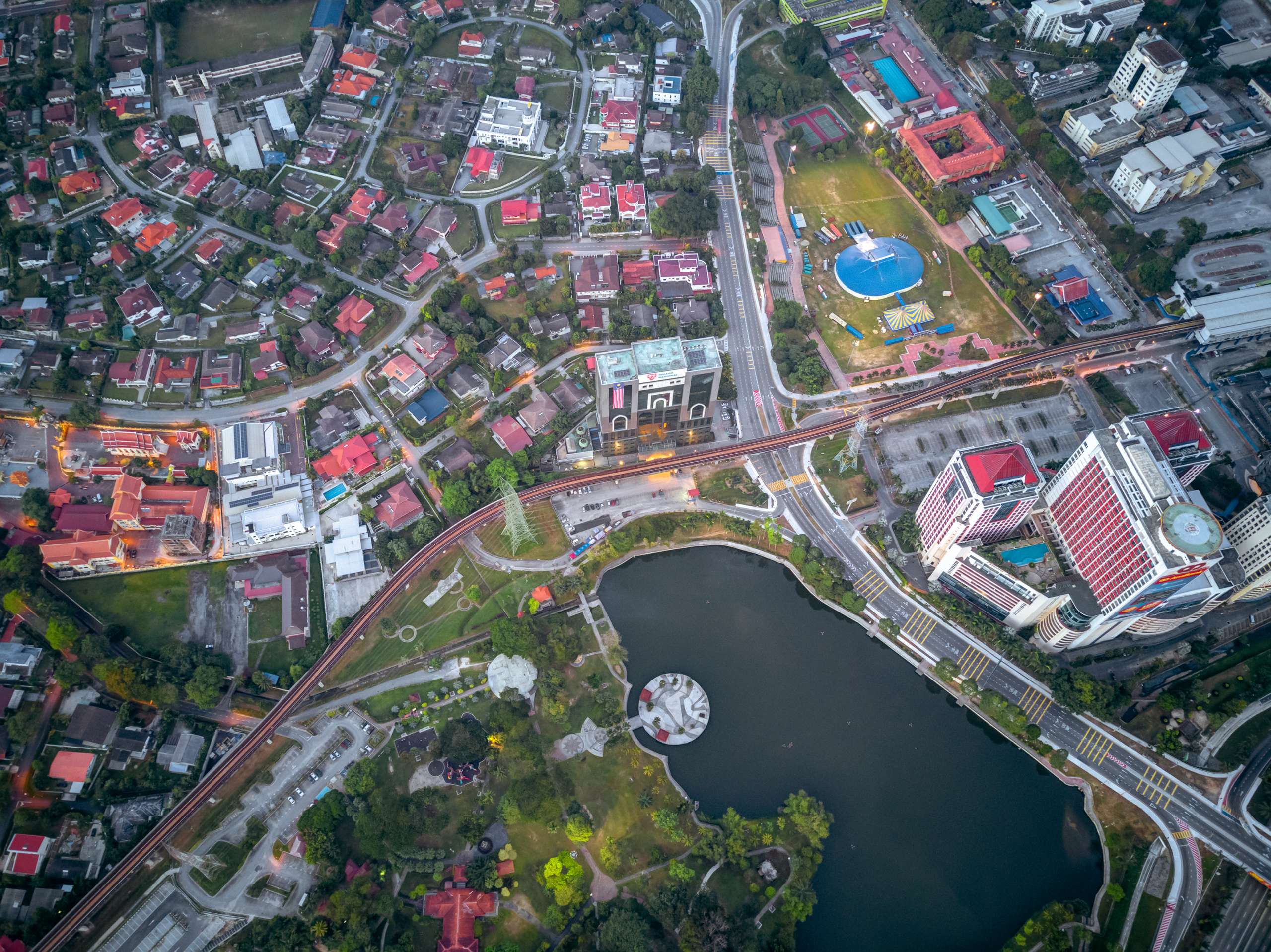
Petaling Jaya has been one of the Klang Valley's most reliable commercial addresses for decades. But three rounds of flash floods in a single year are forcing a rethink. The Malaysian Institute of Estate Agents (MIEA) and Juwai IQI have both warned that recurring floods are no longer a temporary inconvenience. They are starting to permanently reshape how PJ's commercial property is valued, financed, and leased. What Happened and Why It Keeps Happening Torrential rain on 18 July triggered flash floods across parts of the Klang Valley, including several areas in Petaling Jaya. In places such as Section 51A, Jalan 223, it was the third flood in 2026, following earlier incidents in April and May. At Medan Selera Jaya 223, floodwaters reportedly rose to neck level. According to MBPJ, the floods were caused by heavy rainfall exceeding 60mm within a short period, which overwhelmed Sungai Penchala. The situation was worsened by backflow from Sungai Klang and ongoing river repair works, which reduced water flow capacity. Experts point to two underlying factors. First, PJ’s ageing drainage system was not designed to handle the heavier rainfall patterns linked to climate change. Second, rapid development has reduced the city’s green spaces, which previously acted as natural “sponges” by absorbing excess rainwater. How Floods Are Changing PJ's Property Market MIEA president Kelvin Yip said the institute is "deeply concerned" by the pattern, which is now creating measurable effects on property valuations. This is no longer a freak occurrence but a seasonal risk factor. PJ's reputation as a prime commercial hub is being affected. High-ground and flood-resilient properties will command a 'safety premium', and low-lying assets will face gradual depreciation each year until infrastructure improvements catch up. Kelvin Yip, President, Malaysian Institute of Estate Agents (MIEA) The key shifts MIEA identified: Market ShiftWhat Is HappeningTwo-tier marketGround-floor retail facing rental stagnation or cuts; upper-floor units holding steadyCapital values decliningRepeatedly flooded properties selling below market averages as buyers factor in repair costs and higher insuranceTenant preferences shiftingF&B and retail operators avoiding ground-floor units in flood-prone areasInvestor priorities changingProperties with elevated loading bays and flood-free access roads preferred; those without face longer vacanciesMNC tenancy riskMultinational tenants requesting flood-risk clauses, w Source: MIEA / Free Malaysia Today, 26 July 2026. Considering property in the Damansara or PJ corridor? See the 7 richest neighbourhoods in Damansara and their latest transacted values. Banks Could Tighten the Squeeze The financial impact goes beyond lower sale prices. MIEA warned that banks may tighten loan approval criteria for commercial properties in flood-prone areas, further weakening buyer demand. Most property buyers rely on financing, making banks the ultimate arbiters of property value, and banks are typically cautious about properties located in flood zones. Repeated flooding is a red flag for potential commercial property buyers. Floods increase expenses, reduce rental income and erode the value of property investments. Kashif Ansari, Co-Founder and Group CEO, Juwai IQI Kashif cited research showing that a 1-metre increase in flood depth can reduce land values by around 45%. He added that properties in affected areas such as Section 51A would likely continue trading at a discount until drainage improvements and other infrastructure upgrades are completed. What the Government Is Doing The Selangor government has allocated RM40.5 million to help reduce flooding in Petaling Jaya. Three areas have been listed as key priority zones: Section 51A, Jalan 223, Kampung Cempaka, and the FAS tunnel area near Jalan PJU 1A. The planned solutions include building a flood wall, installing a flap gate, building a retention pond, and using German ecoblock technology. MBPJ has also installed alarm systems and drain water level detectors to give earlier warnings when water levels rise. To support affected businesses, MBPJ waived two months of rent for traders after the April floods. Businesses on Jalan 223 will also receive a 30% rent reduction from July to December. PJ MP Lee Chean Chung has called for flood warning systems along rivers and major drains near high-risk commercial areas. A joint meeting between MBPJ and affected businesses has also been confirmed to discuss long-term drainage issues. What This Means for Homebuyers and Investors This story is primarily about commercial property. But the signals matter for residential buyers and investors too. For buyers looking at PJ residential areas, flood history should now be part of your due diligence. Check whether the specific area has been affected in 2026, ask about drainage plans, and consider how flood risk might affect future resale value. Understanding hidden costs beyond the purchase price is more important than ever when flood damage, insurance premiums, and repair costs are in the picture. For investors in the Damansara and PJ corridor, the "safety premium" trend is worth noting. Higher-ground areas with strong drainage infrastructure, such as the established Damansara neighbourhoods, are likely to hold or grow their values, while low-lying pockets may face pressure. Rental yield data for the Damansara area gives a clearer picture of where returns hold up. For anyone comparing PJ with other Klang Valley locations, subsale prices across Malaysia give useful context. KL and Selangor remain strong, but location-level differences matter more now. The latest subsale data for Q1 2026 breaks this down by state and price band. The broader takeaway? PJ is not "losing" its property appeal. But the market is recalibrating. Buyers who do their homework on specific locations, drainage infrastructure, and floor levels will be in a much stronger position than those who treat PJ as a single, uniform market. This article is based on reporting by Free Malaysia Today and Media Selangor on 26 July 2026, with quotes from MIEA president Kelvin Yip and Juwai IQI Group CEO Kashif Ansari. Juwai IQI provides expert insights into the property, economic and investment trends shaping markets locally and globally. Click below to get more expert property insights from our blog! MORE INSIGHTS

TL;DR LHDN refunded RM9.35 billion to over 3 million taxpayers in the first half of 2025 alone. That money can go straight toward your 10% home down payment. First-time buyers of homes up to RM500,000 get 100% stamp duty exemption until 31 December 2027, saving you roughly RM11,000 in upfront costs. A new tax relief of up to RM7,000 per year on home loan interest (for SPAs signed from 2025 to 2027) means buying now actually pays you back at tax time for three consecutive years. Stack your tax refund with EPF Account 2 withdrawal and stamp duty savings, and you could cover most or all of your upfront costs on a home under RM500,000. Every year between March and May, millions of Malaysians file their taxes through LHDN's e-Filing portal. And every year, a good chunk of those filers discover they have overpaid their PCB (Monthly Tax Deduction) and are owed money back. For most people, the refund hits the bank account and disappears into daily expenses within a week. Groceries, a holiday, a gadget. But what if you redirected that refund toward the single biggest purchase of your life? Your tax refund can be the seed money that makes homeownership real. Not someday. This year. This guide walks you through exactly how to do it, step by step, using strategies that are specific to the Malaysian tax and property system in 2026. Turn Your LHDN Tax Refund Into a Home Down PaymentTL;DRHow Much Could Your Tax Refund Actually Be?Why Your Tax Refund Is Perfect for a Down PaymentStep-by-Step: Turning Your Tax Refund Into a Down PaymentThe Tax Relief That Pays You Back After You BuyWhat Does This Look Like With Real Numbers?Can You Buy a House With Zero Down Payment?How Much Can You Actually Borrow?Common Mistakes to AvoidYour Tax Refund Action Plan (Month by Month)Check Your Home Loan EligibilityFrequently Asked Questions How Much Could Your Tax Refund Actually Be? If your employer has been deducting PCB throughout the year and you claimed all your eligible tax reliefs (lifestyle, medical, EPF, insurance, education), there is a real chance your actual tax liability is lower than what was already deducted. That difference is your refund. LHDN does not publish an "average refund per individual" figure. But the scale tells the story. In the first half of 2025, LHDN returned RM9.35 billion across more than 3 million taxpayers. The government paid out RM22.45 billion in total tax refunds for the full year of 2025, which was the highest amount in five years. Even a refund of RM2,000 to RM5,000 can move the needle when you combine it with the right strategy. Curious how far your salary can stretch for a home loan? Check how much home loan you can get based on your salary. Why Your Tax Refund Is Perfect for a Down Payment Your tax refund is essentially forced savings. It is money you earned but never saw in your monthly budget. That makes it psychologically easier to redirect, because you were never counting on it for rent or food. Here is why it works so well for a down payment specifically. The standard down payment in Malaysia is 10% of the property price. On a RM400,000 home, that is RM40,000. On a RM300,000 home, RM30,000. Those numbers feel massive when you are saving RM500 a month. But a RM3,000 tax refund deposited into a dedicated down payment fund every year for three years is already RM9,000, before interest. The real magic happens when you stack your refund with other money you are entitled to but may not be using. More on that below. Step-by-Step: Turning Your Tax Refund Into a Down Payment Step 1: Maximise your tax reliefs before you file Your refund size depends on how many reliefs you claim. Many Malaysians leave money on the table because they do not keep receipts or do not know what qualifies. For YA 2025 (filed in 2026), key reliefs include RM9,000 automatic personal relief, up to RM4,000 for EPF contributions, up to RM3,000 for life insurance or takaful, up to RM2,500 for lifestyle expenses (books, gadgets, internet), up to RM8,000 for SSPN deposits, and medical expenses for parents up to RM8,000. Claim everything you are entitled to. The difference between a RM500 refund and a RM3,000 refund is often just a few receipts you forgot to keep. Need a walkthrough? See our full list of personal income tax reliefs for 2026. Step 2: Open a dedicated "down payment" savings account Do not let the refund land in your regular spending account. Open a separate high-yield savings account or a fixed deposit and label it "home fund." The moment LHDN processes your refund (typically within 30 working days of e-Filing), transfer it immediately. This is the single most important behavioural change. Money that stays visible in your daily account gets spent. Step 3: Use the calculator to set your target Before you can plan, you need a number. Use the calculator below to figure out exactly how much you need to save, how long it will take, and what your monthly contribution should be. Estimates for guidance only. Actual figures depend on the bank's assessment, current rates, and your full financial profile. Step 4: Stack your refund with EPF Account 2 This is where many first-time buyers unlock a breakthrough they did not expect. EPF allows you to withdraw from Account 2 to fund a home purchase. This covers down payments, stamp duty, and even monthly loan instalments through the Flexible Housing Withdrawal scheme. The minimum balance required is just RM500 in Account 2. For first-time buyers, this falls under Category 1, which covers the down payment plus an additional 10% for stamp duty and legal fees. So your equation becomes: tax refund + EPF Account 2 withdrawal + personal savings = down payment covered. Want the full breakdown on EPF housing withdrawal? Read our step-by-step EPF Account 2 withdrawal guide. Step 5: Claim the stamp duty exemption to keep more cash If you are a first-time Malaysian buyer purchasing a home priced at RM500,000 or below, you qualify for a 100% stamp duty exemption on both the Memorandum of Transfer (MOT) and the loan agreement. This exemption has been extended under Budget 2026 until 31 December 2027. On a RM500,000 home, this saves you approximately RM11,000 in fees that would otherwise eat into your cash reserves on top of the down payment. That RM11,000 you do not have to pay? It stays in your pocket. Which means your tax refund stretches even further. Understand how this exemption works in detail. Read our stamp duty exemption guide for 2027. The Tax Relief That Pays You Back After You Buy Here is the part most people miss entirely. Under Budget 2025, the government introduced a new income tax relief on home loan interest payments for first-time buyers. If your SPA is signed between 1 January 2025 and 31 December 2027, you can claim up to RM7,000 per year in tax relief on the interest portion of your home loan for homes priced up to RM500,000. For homes priced between RM500,001 and RM750,000, the cap is RM5,000 per year. This relief is claimable for three consecutive years starting from the year you first pay the housing loan interest. Think about what this means in practice. You use your 2025 tax refund to help fund the down payment. You buy the house. Then for the next three years, your home loan interest reduces your taxable income, which generates even bigger refunds that help you manage the new mortgage. Your refund funds the house. The house funds bigger refunds. It is a virtuous cycle. Two conditions to note: the property must be for your own residence (not rented out), and homes above RM750,000 do not qualify for this relief. What Does This Look Like With Real Numbers? Let us walk through a worked example for a first-time buyer earning RM5,000 per month (RM60,000 per year) eyeing a RM400,000 apartment. ItemAmount (RM)Down payment (10%)40,000Estimated tax refund (YA 2025)2,800EPF Account 2 withdrawal (estimated)25,000Stamp duty savings (100% exemption)~9,000 savedPersonal savings needed~12,200Annual tax relief on loan interest (3 years)Up to 7,000/year Without the refund, the EPF withdrawal, and the stamp duty exemption, you would need to save RM49,000 or more in cash. With these three tools combined, the gap drops to around RM12,200 in personal savings. And for the next three years, the home loan interest relief puts up to RM7,000 back into your tax calculation annually, which translates to real ringgit savings depending on your tax bracket. Can You Buy a House With Zero Down Payment? For some buyers, yes. Government schemes like SJKP (Skim Jaminan Kredit Perumahan) provide 100% financing for eligible first-time buyers. Certain developers also offer zero-entry or rebate packages that effectively absorb the deposit. But "zero down payment" does not mean zero cost. Legal fees, valuation fees, and moving expenses still apply. Your tax refund can cover those. Explore all your options. Read our guide on buying a house in Malaysia without a down payment. How Much Can You Actually Borrow? Your down payment is only half the equation. The other half is your loan eligibility. Banks assess your Debt Service Ratio (DSR) and credit score before approving a mortgage. Use the calculator below to see where you stand. Estimates for guidance only. Actual figures depend on the bank's assessment, current rates, and your full financial profile. Want to understand the financial jargon before you walk into the bank? Read our guide to financial terms every home buyer should know. Common Mistakes to Avoid Spending the refund before it arrives. Do not mentally allocate your refund to a holiday or gadget. The moment you file your taxes, set the expectation that any refund goes into your home fund. Not claiming all reliefs. Every unclaimed receipt is money you are giving back to LHDN. Start a digital folder on your phone today and photograph every qualifying receipt for the rest of the year. Ignoring the SPA deadline. The home loan interest tax relief and stamp duty exemption both require SPAs signed by 31 December 2027. If you plan to buy, the clock is ticking. Draining EPF without thinking about retirement. EPF withdrawal is powerful, but it reduces your retirement savings. Withdraw strategically, not emotionally. Use it for the down payment, but do not empty the account. Forgetting the "hidden" costs. The down payment is not the only upfront expense. Legal fees, valuation fees, and moving costs add up. Plan for 10% to 18% of the property price as total upfront outlay. Surprised by the true cost? See what a RM500k house actually costs in 2026. Your refund is sitting in your bank. Your EPF is waiting. The exemption expires in 2027. You don't have to figure this out alone. An IQI agent reviews your budget, shortlists homes you can actually afford, and walks you through every step from loan to keys. Free, and no pressure. Talk to a local IQI agent and buy with confidence Your Tax Refund Action Plan (Month by Month) Here is a practical timeline to turn your next tax refund into a real down payment. WhenWhat to DoJanuary to FebruaryGather all receipts and relief documents. Open your dedicated "home fund" account if you haven't already.March to AprilFile your e-Filing early. Claim every relief. Early filers get refunds faster.April to MayRefund hits your bank. Transfer it immediately to your home fund. Do not touch it.June to AugustCheck your EPF Account 2 balance. Talk to an IQI agent about homes in your budget range.September to DecemberGet pre-approved for a home loan. Start viewing properties. Sign the SPA before the exemption deadline. Check Your Home Loan Eligibility Before you start viewing houses, know what the bank is willing to lend you. This depends on your income, existing debts, and credit score. Estimates for guidance only. Actual figures depend on the bank's assessment, current rates, and your full financial profile. Frequently Asked Questions Can I use my LHDN tax refund for a home down payment? Yes. Your tax refund is cash deposited into your bank account. There are no restrictions on using it for a property purchase, including the 2% earnest deposit or the remaining 8% of the down payment due at SPA signing. How much tax refund can I expect in Malaysia? It depends on your income, PCB deductions, and the reliefs you claim. LHDN refunded RM9.35 billion to over 3 million taxpayers in the first half of 2025. Individual refunds typically range from a few hundred ringgit to several thousand, depending on how much your employer over-deducted and how many reliefs you claim. What is the first home loan interest tax relief? For SPAs signed between 1 January 2025 and 31 December 2027, first-time buyers can claim up to RM7,000 per year (homes up to RM500,000) or RM5,000 per year (homes RM500,001 to RM750,000) in tax relief on the interest portion of their home loan. This is claimable for three consecutive years. Can I combine my tax refund with EPF withdrawal for a down payment? Yes. EPF Account 2 allows withdrawals for housing purchases, covering down payments, stamp duty, and legal fees. Your tax refund and EPF withdrawal can be combined with personal savings to meet the 10% down payment requirement. Is the stamp duty exemption for first-time buyers still available in 2026? Yes. The 100% stamp duty exemption on both the MOT and loan agreement for first-time buyers purchasing homes up to RM500,000 has been extended until 31 December 2027 under Budget 2026. How long does LHDN take to process my tax refund? For e-Filing submissions, LHDN targets processing within 30 working days. Manual filing may take up to 90 working days. Filing early (March to April) typically results in faster refund processing. The numbers add up. The exemptions are live. The only missing piece is the right home. An IQI agent helps you from budget check to keys in hand. Over 30,000 property professionals across 20+ countries. Free consultation, no pressure, no hidden fees. [custom_blog_form] Continue reading: References: Ministry of Finance Malaysia. (2025, August 20). LHDN Refunds RM9.35 Bln In Excess Taxes To 3 Mln Taxpayers. Retrieved from mof.gov.my Malay Mail. (2026, March 6). MOF: RM6.2b in tax refunds disbursed as of Feb 18. Retrieved from malaymail.com Free Malaysia Today. (2024, October 18). RM7,000 tax relief on first homes costing up to RM500,000. Retrieved from freemalaysiatoday.com Bernama. (2024, October 18). Individual Income Tax Relief on Loan Interest Payment For First House. Retrieved from bernama.com KWSP / EPF Malaysia. EPF Housing Withdrawal. Retrieved from kwsp.gov.my LHDN Malaysia. Income Tax Rates and Reliefs for YA 2025. Retrieved from hasil.gov.my

Property Fundamentals Pass the Mid-Year Test The first half of 2026 tested global property markets through regional security tensions, temporary repricing and changing financing conditions. What followed was a rapid recovery and a clearer investment picture. Capital is now moving towards markets supported by demographics, infrastructure and policy, rather than short-term speculation. The United Arab Emirates demonstrated strong resilience. Dubai recorded approximately AED 286 billion in property sales during H1 2026, the second-highest first-half result on record. Rental yields remain near 7%, while freehold ownership, tax-free rental income and Golden Visa eligibility continue to attract international investors. Saudi Arabia is emerging as a new foreign investment destination following the introduction of its non-Saudi property ownership law in January 2026. Riyadh offers gross yields of around 7% to 9%, while apartment rents have risen nearly 20% year-on-year. More than 780 multinational companies have also committed to establishing regional headquarters in the Kingdom. Malaysia and Japan Offer Different Strengths Malaysia remains one of ASEAN’s most accessible growth markets. Property transactions reached RM241.9 billion in 2025, while Johor attracted a record RM110 billion in approved investment. The upcoming Rapid Transit System Link between Johor Bahru and Singapore is strengthening interest near station locations, where selected units have already appreciated 18% to 20%. Prime transit-linked properties in the Klang Valley continue to offer yields of approximately 4% to 5%. Japan provides a more defensive opportunity. The average price of a new condominium in Tokyo’s 23 wards reached ¥137.8 million, up 18.5%, while supply fell to its lowest level since 1973. High occupancy, transparent ownership rules and a weaker yen continue to support demand. Outlook The strongest property opportunities in the second half of 2026 are likely to be found in markets where policy reform, infrastructure investment and genuine demand support long-term returns. The UAE and Saudi Arabia offer stronger yields, Malaysia provides accessible growth, while Japan remains a stable portfolio anchor. Download to see insights from other country marketsDownload
Ready to get started?
Get in touch now.