

Negotiator ∙ IQI Phuket
IQI Samui Real Estate

About IQI Samui Real Estate
Dr. Chalerm is a Vice President (VP) of IQI Samui. He is engaged in various business areas in the tourism sector, has many years of experience in the hotel administration and received his doctorate in business administration in 2021. His main activity is now in the field of real estate, and he is al... Dr. Chalerm is a Vice President (VP) of IQI Samui. He is engaged in various business areas in the tourism sector, has many years of experience in the hotel administration and received his doctorate in business administration in 2021. His main activity is now in the field of real estate, and he is also developer of his own villa projects since 2018.Through professional work, with a trustworthy team, and his strong cultural sensitivity he became a successful real estate advisor and developer in Samui. He regards his work as his passion and is looking for the challenging tasks in the real estate sector, especially now for and with IQI.IQI Samui is part of the Juwai IQI family. The platform's innovative technology, first-class support, and valuable partnerships set the stage for great opportunities for both investors and sales experts to thrive and reach their real estate goals. We listen carefully to your needs to offer a service tailored to your individual requirements. All our friendly employees in the experienced agent team have profound knowledge and understand what our buyers or sellers of a properties need and are looking for Our service doesn't stop once the sale is completed. We are always on hand to liaise on the fit-out of your new home, advise on rental income generation, and offer support on all aspects of living in Samui, Phuket and Thailand. If you need hassle-free help to find the perfect property or renting accommodation for your amazing holidays in Koh Samui, Phuket, Bangkok Look no further - contact us today: Mob: +6697 •••• ••89 WhatsApp: +6697 •••• ••89 Line ID: +6097 •••• ••89 WeChat: IQI Samui 📧: c•••@gmail.com FB: Facebook IQI Samui Real Estate Center 25/2 Moo.4, Bangrak Road, BoPhud , Ko Samui District, Surat Thani, 84320 Thailand.
4 years at IQI
IQI Samui Real Estate Social Links
No social links available.
My Listings
No listings available at the moment.
Our newly launched projects
Discover the real estate properties in and around Phuket, Thailand. Buy apartment units, landed houses, bungalows, commercial office space, shop lots, and sub-sales with 100% confidence at IQI Global.
 4 - 5 bedrooms
Vana Anda Cherngthalay
Soi Pasak1 Chengtalay Thalang District, Phuket 83110, Thailand
Starting from $ 1,591,002
Listed on May 7, 2026
 1-2 bedroom units
The Trees Residence
176 cherngtalay 2, Tambon Choeng Thale, Thalang District, Phuket 83110, Thailand
Starting from $ 169,464
Listed on December 22, 2025
 Varied bedroom options
Sea View Condominium
Tambon Patong, Amphoe Kathu, Chang Wat Phuket 83150, Thailand
Starting from $ 423,425
Listed on September 10, 2025
 Located in Pattaya
Zensiri Jomtien Residences
Jomtien, Pattaya City, Bang Lamung, Chonburi Province 20150 Thailand
Starting from $ 186,229
Listed on May 20, 2025
 Spacious 3-6 bedrooms
Zensiri Estate Jomtien
Jomtien, Pattaya City, Bang Lamung, Chonburi Province 20150 Thailand
Starting from $ 841,379
Listed on May 20, 2025
 Affordable price range
Seaspire Jomtien
Jomtien, Nongprue, Pattaya City, Bang Lamung, Chonburi Province 20150 Thailand
Starting from $ 176,651
Listed on May 20, 2025
Mortgage Calculator
Calculate your estimated month repayment and plan your monthly expenses well.
The mortgage calculator is intended for reference only. Actual amount may vary.
Monthly Payment
Send me the mortgage calculator result

Home Loan Eligibility Calculator
Calculate your potential loan amount and assess your home buying affordability.

Rental Yield
Calculate the potential rental yield and evaluate a property's investment performance.

Down Payment Saving Plan
Create a structured savings plan and determine how much to save monthly for your down payment plan.

Malaysian Property Transaction Fees Calculator
Estimate the total transaction fees and budget accurately for your Malaysian property purchase.
IQI blog & news
Articles specifically curated for your daily digest of local and global real estate news.
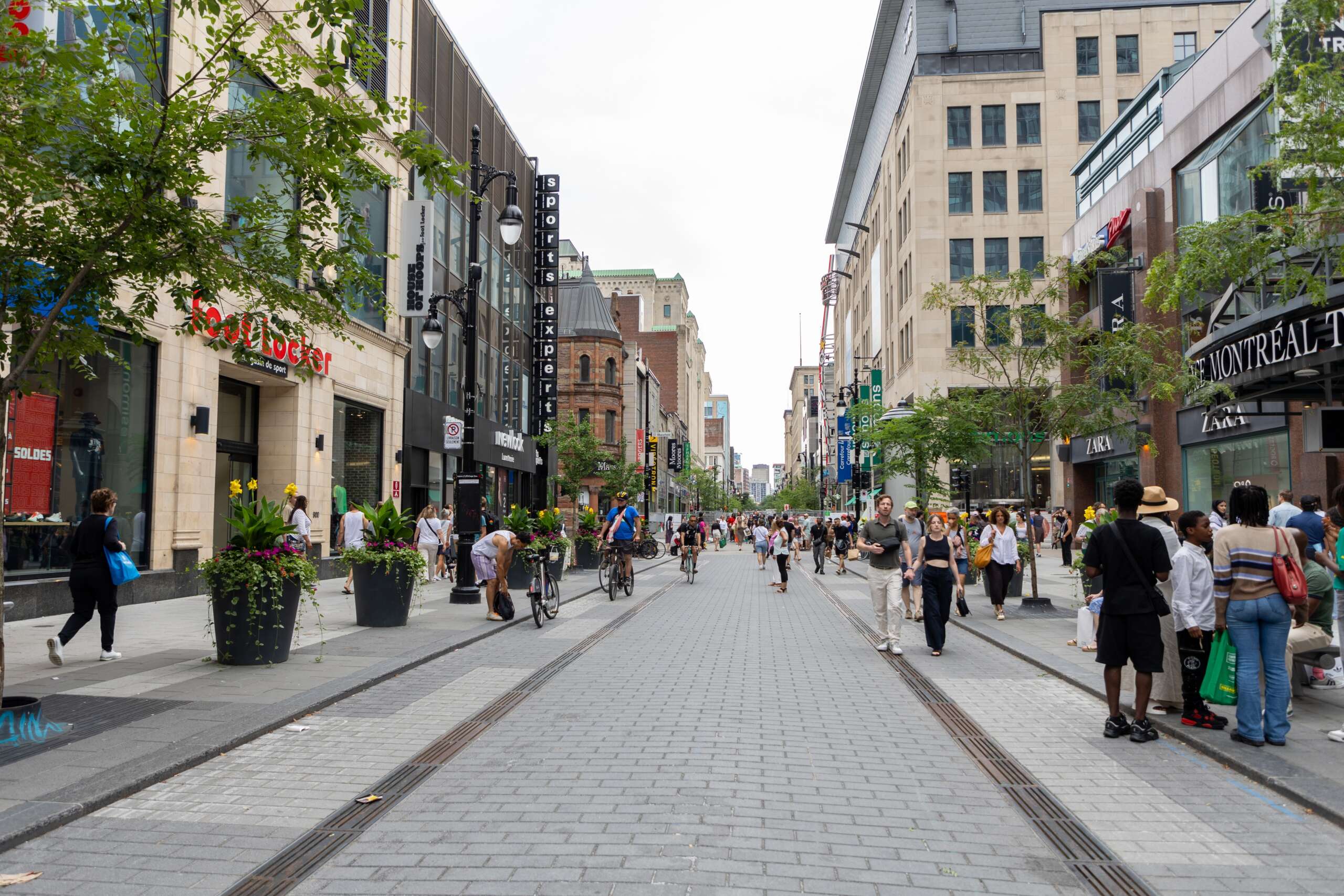
Canada's Housing Market Becomes More Selective Canada's residential property market is experiencing softer conditions, giving buyers greater flexibility as elevated inventory and economic uncertainty continue to influence demand. National home sales declined by 7.7% year-on-year, while national home prices fell by 1.6%, reflecting a market in which buyers are becoming more cautious. Although these national figures indicate a general slowdown, regional performance varies significantly. For prospective purchasers, understanding local pricing, housing supply and transaction activity is increasingly important when making property decisions. Regional Housing Markets Show Different Trends In Metro Vancouver, the benchmark home price stood at approximately CAD1.076 million, representing a 5.5% annual decline. Inventory increased by 24.3% year-on-year, while sales activity dropped 8.4%, creating greater choice for purchasers and potentially improving their negotiating position. The Greater Toronto Area recorded an average selling price of approximately CAD1.006 million, down 5.1% year-on-year. Sales totalled 5,040 transactions, representing a 9.9% annual decline, while new listings decreased by 14.4%. Quebec showed comparatively stronger price resilience. Single-family home prices reached approximately CAD498,500, up 3% annually, while condominium prices remained around CAD400,000, unchanged year-on-year. Plex properties also recorded price growth, reaching approximately CAD687,553, an increase of 5%. These contrasting results demonstrate why nationwide averages cannot fully explain individual housing markets. Outlook Canada's property market offers a more selective buying environment, particularly in locations where inventory has expanded and prices have softened. However, regional fundamentals remain decisive. Local supply, affordability, market liquidity and long-term demand should guide buyers and investors rather than national trends alone. The contents of this article were contributed by Yousaf Iqbal, Head of IQI Canada. Download to see insights from other country marketsDownload

National Market Remains Under Pressure Canada’s housing market remained subdued in August 2026, with national home prices down 3.3% year-on-year. High borrowing costs, economic uncertainty and weaker buyer demand continued to weigh on activity, although sales showed some early signs of stabilisation. In the Greater Toronto Area, new listings fell 14.1% year-on-year, while sales declined 2.1%. The reduction in available homes is limiting buyer choice and increasing competition in selected areas. The average selling price stood at $993,410, down 2.7%, while the benchmark price declined 4.5%. Despite weaker prices, tightening inventory and improving economic conditions could provide support for the Toronto market, with price growth potentially returning if demand strengthens in the coming months. Vancouver Faces Ample Supply and Softer Demand Metro Vancouver also remained soft, with sales falling 4.6% year-on-year and sitting 20.7% below the 10-year seasonal average. New listings declined 3%, although overall inventory remained 26.2% above the 10-year average, giving buyers relatively broad choice. Slower sales continued to pressure values, with the benchmark home price declining 5.6% year-on-year to $1.082 million. Detached homes and apartments experienced sharper price declines, while townhouse sales showed slightly stronger resilience. Outlook Canada’s housing market is likely to remain selective and price-sensitive in the near term. Toronto’s tightening inventory may support gradual stabilisation, while Vancouver continues to favour buyers through higher inventory and softer pricing. A broader recovery will depend on improved affordability, stronger confidence and a sustained improvement in housing demand. The contents of this article were contributed by Yousaf Iqbal, Head of IQI Canada. Download to see insights from other country marketsDownload
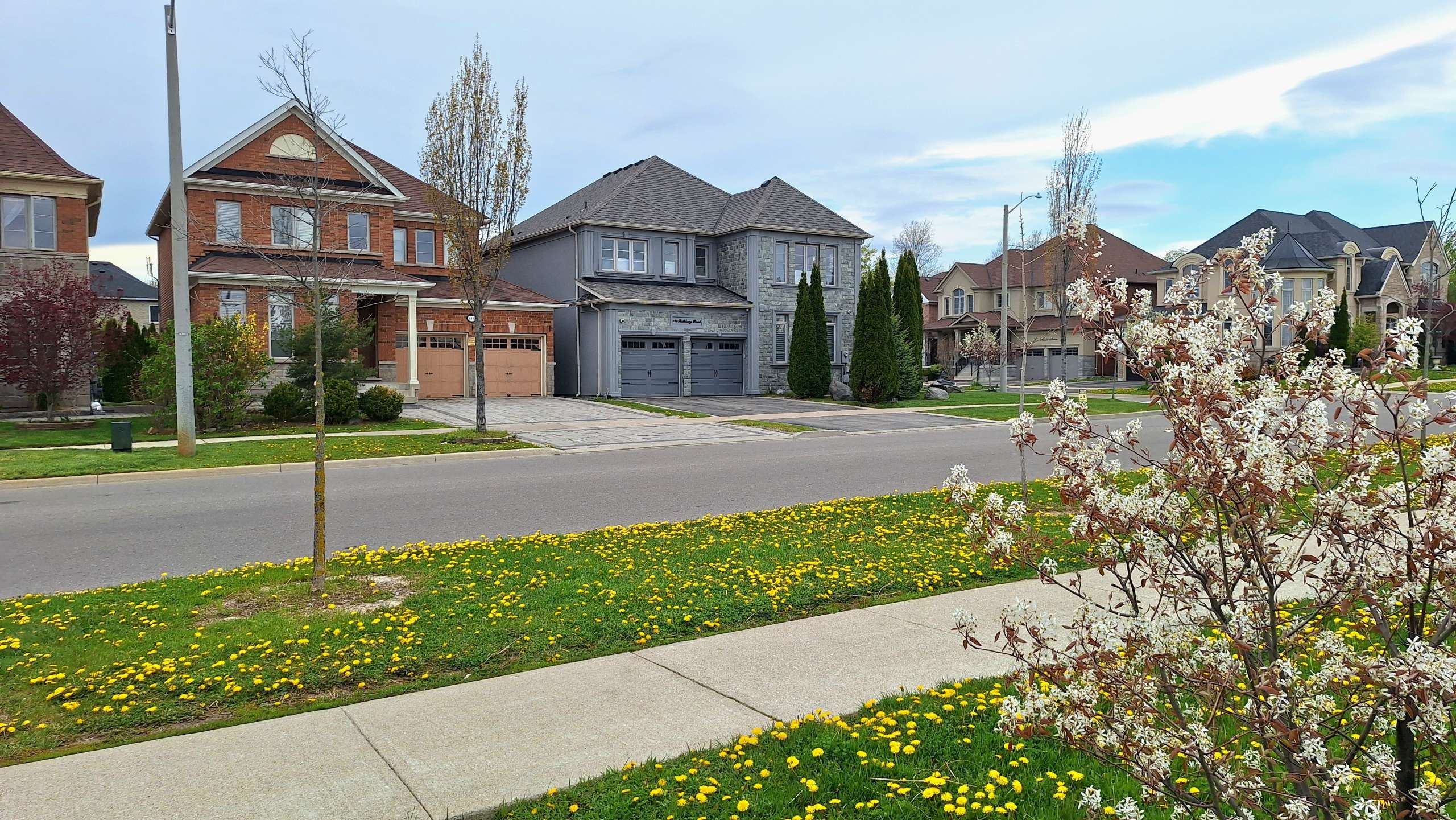
Major Markets Lose Momentum Canada’s housing market remained relatively balanced in July 2026, as buyers stayed cautious despite improved borrowing conditions. Sales and new listings slowed across major markets, while prices continued to soften in several regions. In the Greater Toronto Area, sales fell 0.9% year-on-year, while new listings dropped a much sharper 17.8%. The average selling price declined 4.5% to C$1,003,956, although reduced supply has begun increasing competition among buyers. Metro Vancouver also slowed, with home sales falling 9.8% year-on-year to 2,061 transactions. New listings declined 11.5%, while the composite benchmark price fell 6.2% year-on-year to C$1,088,800. Apartment sales recorded the largest drop, down 17.8%. Quebec Shows a Different Pattern Quebec also experienced softer transaction activity, with total sales down 6% year-on-year in July. However, active listings increased 19%, giving buyers more choice. Price trends were more mixed. The median price for single-family homes increased 3% to C$505,000, while plex properties recorded an 8% increase to C$690,000. Condominium activity was weaker, with sales falling 16% and median prices edging down 1%. The figures highlight how Canada’s housing adjustment is increasingly varying by region and property type. Outlook Canada’s market is likely to remain balanced but selective in the near term. Toronto and Vancouver may continue facing price pressure as demand adjusts, although tighter new supply could provide some support. For buyers and investors, opportunities will increasingly depend on local inventory, property type and pricing, rather than broad national market trends. The contents of this article were contributed by Yousaf Iqbal, Head of IQI Canada. Download to see insights from other country marketsDownload

29 Jul, 2026
Canada Housing Market Outlook 2026: Buyer Activity Strengthens in Toronto and Vancouver
Canada’s Housing Market Regains Momentum Canada’s housing market strengthened in June 2026 as lower borrowing costs, improving affordability and growing consumer confidence encouraged more buyers to return. The recovery was particularly visible in Toronto and Vancouver, where sales increased while the supply of newly listed homes declined. This combination points to improving demand, although market conditions remain different across provinces and property types. Toronto and Vancouver Lead the Recovery The Greater Toronto Area recorded 6,770 home sales, representing a 9.4% year-on-year increase. At the same time, new listings fell 12.9%, while active listings declined 13.5%. Toronto’s average home price reached $1,058,658, down 3.9% year-on-year. This suggests buyers are returning to the market, but price sensitivity continues to shape purchasing decisions. Metro Vancouver also recorded renewed momentum. Residential sales rose 9.6% year-on-year to 2,390 transactions, while new listings decreased 6.0%. Demand strengthened across detached homes, townhouses and apartments. Apartments generated the highest number of sales at 1,103 transactions, with a benchmark price of $695,200. Quebec presented a more mixed picture. Total residential sales declined 4% year-on-year to 8,492, while active listings increased 18%. However, median prices remained resilient, with single-family homes rising 3% to $515,000and condominiums increasing 1% to $409,500. Outlook Canada’s housing recovery is likely to remain gradual and regionally uneven. Toronto and Vancouver may continue benefiting from stronger buyer confidence and tighter new supply. However, buyers are expected to remain selective, especially where affordability remains challenging. Markets with balanced pricing, improving financing conditions and limited inventory should be better positioned to maintain momentum through the second half of 2026. Download to see insights from other country marketsDownload
Ready to get started?
Get in touch now.
