

Negotiator ∙ Elite
Shery Chong

Negotiator ∙ Elite
Shery Chong
About Shery Chong
Leveraging market knowledge and negotiation skills to deliver exceptional results. Your real estate success is my priority. Ready to make your real estate dreams a reality? Let's chat. Your dream home awaits.
1 year at IQI
Contact Shery Chong
Shery Chong Social Links
No social links available.
My Listings
No listings available at the moment.
Our newly launched projects
Discover the real estate properties in and around Selangor, Malaysia. Buy apartment units, landed houses, bungalows, commercial office space, shop lots, and sub-sales with 100% confidence at IQI Global.
 Large land area
Northern TechValley @BKE
Mukim 14, Kubang Semang, 14400 Seberang Perai, Penang, Malaysia
Starting from лв 6,059,127
Listed on January 23, 2026
 Located in Bukit Minyak
Taman IKS Bukit Minyak
Jalan IKS Bukit Minyak Utama, Taman IKS Bukit Minyak, 14100 Simpang Ampat, Penang, Malaysia.
Starting from лв 503,188
Listed on January 23, 2026
 Located in Simpang Ampat
Regalway Industrial Hub (Industrial)
Regalway Industrial Hub, Off Jalan Bukit Panchor, Bukit Panchor, 14100 Simpang Ampat, Penang, Malaysia.
Starting from лв 2,096,270
Listed on January 23, 2026
 Located in Bukit Mertajam
Taman Jasa Ria (Garden Villa)
Jalan Permatang Pasir, Taman Jasa Ria, 14000 Bukit Mertajam, Penang, Malaysia
Starting from лв 467,658
Listed on January 23, 2026
 Located in Bukit Mertajam
Taman Jasa Intan (Garden Superlink)
Jalan Jasa Intan, Taman Jasa Intan, 14000 Bukit Mertajam, Penang, Malaysia
Starting from лв 341,924
Listed on January 23, 2026
 Located in Nibong Tebal
Taman Fajar Permai (Sunrise Terrace)
Jalan Fajar, Taman Fajar Permai, 14300 Nibong Tebal, Penang, Malaysia.
Starting from лв 229,900
Listed on January 23, 2026
Mortgage Calculator
Calculate your estimated month repayment and plan your monthly expenses well.
The mortgage calculator is intended for reference only. Actual amount may vary.
Monthly Payment
Send me the mortgage calculator result

Home Loan Eligibility Calculator
Calculate your potential loan amount and assess your home buying affordability.

Rental Yield
Calculate the potential rental yield and evaluate a property's investment performance.

Down Payment Saving Plan
Create a structured savings plan and determine how much to save monthly for your down payment plan.

Malaysian Property Transaction Fees Calculator
Estimate the total transaction fees and budget accurately for your Malaysian property purchase.
IQI blog & news
Articles specifically curated for your daily digest of local and global real estate news.

TL;DRYou can generally sell property without a strata title in Malaysia through a Sale and Purchase Agreement (SPA) and a Deed of Assignment (DOA) if the title has not yet been issued. First, check whether the title is still unissued or has been issued but not transferred to you. A conveyancing lawyer can then confirm the appropriate documents, financing arrangements, and any applicable notification or approval requirements. Your condo has found a buyer, but its strata title is still taking the scenic route. Suddenly, selling your home feels less like a property deal and more like hunting for an old receipt. The good news: a missing strata title does not automatically stop a sale. The trick is knowing whether the title has not been issued or simply has not been transferred to you. That distinction determines what your lawyer needs to do next. Key Takeaways A sale is generally possible before title issuance. The usual route transfers the seller's interest through an SPA and DOA. An issued title is a different scenario. If the strata title exists but remains in the developer's name, the transfer arrangements require a fresh legal review. The ownership chain matters. Keep your original SPA and every later SPA or assignment; missing agreements can hold up a buyer's checks. Developer notification is not the same as developer consent. The applicable rules depend on the property, statutory protections, contractual documents, and any separate land restrictions. A buyer may still obtain financing. Some banks accept assignment-based transactions, while others impose conditions or decline them. Prepare before promising a deadline. Check title status, loan redemption, unpaid property charges, and the buyer's financing position before finalizing completion terms. What You Need to Know about Property with Strata Title1. Can You Legally Sell a Property Without a Strata Title in Malaysia?2. How Do You Check the Title Status and Prepare Your Selling Documents?3. How Do You Sell a Property Under Master Title Step by Step?4. Can the Buyer Get a Loan if Your Property Has No Strata Title?5. How Much Does Selling Without Strata Title Cost, and How Long Does It Take?6. What if the Strata Title Is Issued Mid-Sale or the Developer Is Liquidated?7. How Can You Avoid Delays and Complete the Sale Smoothly?8. Frequently Asked Questions (FAQ) 1. Can You Legally Sell a Property Without a Strata Title in Malaysia? Yes. If the individual strata title has not yet been issued, you can generally sell the property through an SPA and DOA. Instead of transferring an individually registered title, you assign your contractual rights and interest under the earlier purchase documents to the new buyer. On selling before title issuance, Azizi Zulhilmi from Ben Lee & Sharen writes: “The absence of an individual or strata title does not prevent the sale of a property.” a. What does it mean when a property is under master title? A master title is the registered title covering the development before separate titles are issued for its units. It is normally held by the developer or landowner. You may have purchased and occupied your apartment without having a separate registered title in your name; your SPA and any subsequent assignments document your interest. A strata title, by contrast, identifies an individual parcel within a shared development. Both high-rise units and some landed properties in strata schemes can have strata titles. Do not assume the building's appearance alone tells you what title your property should have. b. What if the title exists but is not in your name? Title issuance and the perfection of a transfer are distinct events. An issued strata title may initially be registered in the developer's name. Perfection of transfer (POT) is the process of registering the purchaser as the proprietor; if there is financing, the bank's charge may also need to be perfected. If you have received a developer's notice that the title is ready, ask your conveyancing lawyer to examine the title and earlier agreements before deciding on the resale paperwork. Do not treat an issued-but-untransferred title as though no individual title exists. 2. How Do You Check the Title Status and Prepare Your Selling Documents? Start by confirming the title's actual status and building a complete record of how you acquired the property. Missing ownership documents can delay the buyer's legal checks and financing, even after you agree on a price. a. Ask the right title-status questions Contact the developer or its appointed solicitor and ask whether the strata title application has been submitted, whether the title has been issued, and whether it has been registered in your name. Request the available written confirmation and ask about any outstanding requirements. Your lawyer can also arrange the relevant land search and examine the master title for registered restrictions or caveats. A caveat is a recorded claim affecting land that may need further investigation. Do not assume a Land Office search alone will prove ownership of your particular unit when it remains under master title. Your lawyer should review the title information, along with your SPA and any successive assignments, to establish the chain of ownership. b. Use this seller-document checklist Gather the following property sale documents before serious negotiations. The exact file may vary according to your purchase history and financing. Original SPA with the developer, plus any subsequent SPAs. Previous DOAs transferring the property between owners. Loan agreements and security assignments, where applicable. Developer correspondence about the title and assignment records. Redemption correspondence, if available. Property payment records for quit rent, assessment, utilities, maintenance, and sinking fund. Tenancy agreement, rent records, and deposit details if the unit is rented out. The agreements help establish a continuous chain of ownership. A missing agreement may require additional work before the buyer's solicitor and bank can complete their reviews. Check maintenance and sinking fund arrears before listing. Unpaid charges can surface during buyer due diligence and complicate completion. If there is a tenant, disclose the tenancy early and clarify how the deposit and landlord responsibilities will pass to the buyer; selling does not automatically end the tenancy. IQI Global can assist with property marketing and connecting you with prospective buyers while your conveyancing lawyer checks the ownership and transfer documents. Connect with us for more information! Approach IQI Now! 3. How Do You Sell a Property Under Master Title Step by Step? For a property whose individual title has not yet been issued, the usual subsale process (a resale by an existing owner) involves agreeing on sale terms, executing an SPA and DOA, satisfying applicable requirements, coordinating both parties' financing, and completing the agreed handover. The lawyers must tailor the sequence to the actual documents and title restrictions. a. Before signing the SPA Step 1 — Appoint a conveyancing lawyer. Give the lawyer the existing SPAs, assignments, loan information, and developer correspondence. The buyer should also obtain their own legal advice. Step 2 — Agree on the terms. Set out the price, deposit, property condition, included fixtures, financing conditions, and completion framework. If the buyer needs a loan, a clearly drafted financing condition can address what happens if their application fails. Step 3 — Establish the applicable developer requirements. Developer consent, notification, and confirmation are not interchangeable. ClickBina's May 2026 guide describes Section 22D of the Housing Development (Control and Licensing) Act 1966 as protecting covered residential purchasers against a developer requiring prior consent for an assignment. Commercial transactions and other contractual circumstances require separate consideration. Your lawyer must confirm the provision's application to your property. Do not assume that a serviced apartment is excluded from the Housing Development Act simply because the development sits on commercial land. Whether the Act applies depends on the property's intended use, legal classification, applicable statutory provisions and relevant documents. Ask your lawyer to verify whether the particular unit qualifies as housing accommodation before relying on Section 22D. State Authority consent is a separate question. If the land is subject to a restriction in interest, the relevant approval can affect whether the eventual title transfer is registrable. Do not assume a developer acknowledgment satisfies a land restriction. Important: Section 22D of the Housing Development (Control and Licensing) Act 1966 applies to covered housing transactions in Peninsular Malaysia, with the Act also extended to Labuan under separate legislation. Sabah and Sarawak have their own applicable legal frameworks. Sellers in East Malaysia should consult a conveyancing lawyer about the relevant local requirements rather than assuming Section 22D applies. b. Prepare and complete the assignment Step 4 — Execute the SPA and DOA. The SPA records the sale terms. The DOA assigns your contractual rights and interest under the original purchase to the buyer; it does not itself register the buyer as proprietor of a separate strata title. Your lawyer arranges the applicable stamping and reviews the entire chain of assignments. For a transaction covered by Section 22D, the seller or their solicitor must deliver written notice of the assignment to the developer at or after completion of the sale. The notice must be accompanied by the documents required under Section 22D(2), including the stamped subsale SPA where applicable, the executed DOA, any applicable undertaking concerning stamping, and full payment of sums owed to the developer. Your lawyer should verify that these statutory requirements are satisfied. Step 5 — Arrange redemption of your existing loan. If you still owe the bank, the solicitor obtains the necessary redemption information and coordinates the bank's release arrangements. The buyer's purchase proceeds are commonly used to settle the outstanding loan at completion. Step 6 — Coordinate the buyer's financing. The buyer's lender reviews the title status, chain of title, and security documents. It may require a Loan Agreement Cum Assignment (LACA) instead of a conventional registered charge against an individual title. Disbursement means the bank releases the loan money; lender requirements and pending confirmations can delay this step. Step 7 — Complete and hand over. Once payment and the relevant contractual requirements have been met, the lawyers coordinate completion. Hand over keys, access cards, and the agreed records in accordance with the SPA. Keep your signed and stamped transaction documents. c. How does a DOA differ from an MOT? The Deed of Assignment (DOA) transfers contractual rights when a separate title has not yet been issued. A Memorandum of Transfer (MOT) is used to register a transfer when the relevant individual title is available, and the legal requirements for registration have been met. QuestionDOA transactionMOT transactionWhat changes hands?Contractual rights and interest under earlier purchase documentsRegistered ownership of the relevant titleTypical title positionSeparate title has not yet been issuedSeparate title exists and can be transferredLand registrationThe DOA does not itself register a separate titleThe MOT is registered to effect the transferFinancing securityAssignment-based arrangements may be usedA registered charge may be availableFollow-upTitle perfection may be necessary when issuedFollow the registered transfer and applicable charge process The table describes the usual mechanisms, not a promise that either transfer route works for every issued-but-untransferred title. Your solicitor must verify the actual registration and transaction requirements. 4. Can the Buyer Get a Loan if Your Property Has No Strata Title? Yes, buyer financing is possible, but it is not automatic. Some lenders finance properties under a master title; others may reject an application, offer a lower loan-to-value ratio, or request additional assurances. Check this before treating a buyer's offer as ready to complete. a. What does the bank need to check? Without a separate issued title, the lender cannot register its usual charge against that title. It may use assignment-based security, such as LACA, while the buyer's contractual interest acts as security pending title issuance and perfection. The buyer's solicitor may also need to explain master-title caveats to the bank. A caveat can indicate a third party's claimed interest; lenders may require confirmations or undertakings before releasing money. An undertaking is a written promise to take a specified step, such as applying for consent. These extra checks are documented complications in subsale financing, not proof that a particular buyer's loan will fail. b. How can you prevent a loan problem from delaying the sale? Tell prospective buyers the title status before they apply for financing. Have your lawyer prepare the ownership documents and arrange redemption information for your existing loan. Ask the buyer to confirm that their financier knows this is an assignment transaction; the SPA should address financing and realistic completion terms. Consider a hypothetical condo sale: your unit is under master title, you still have a housing loan, and the buyer is borrowing too. Your lawyer must coordinate your redemption while the buyer's bank checks the assignments. An unresolved caveat or missing older DOA could delay disbursement even though both parties agree on the price. 5. How Much Does Selling Without Strata Title Cost, and How Long Does It Take? There is no universal seller-cost figure or completion period. Your bill and timeline depend on the transaction documents, loan position, applicable taxes and charges, title issues, and any necessary approvals. Request a tailored legal quotation before committing to a budget or deadline. a. Which expenses should you budget for? ExpenseWhy it may ariseSeller's next checkConveyancing fees and disbursementsSPA, DOA, redemption, registration-related work where applicableRequest an itemized lawyer's quotationExisting loan redemptionOutstanding bank financing must be settled or releasedObtain redemption informationReal Property Gains Tax (RPGT)A property disposal may trigger taxAsk about your liability and exemptionsStamp dutyRelevant instruments require stampingConfirm which instrument and party are chargeableDeveloper record confirmationSection 22D(4) caps the specified confirmation fee at RM50 per request for covered transactions, subject to any prescribed revision.Confirm whether the provision applies, who requests and pays for confirmation, and whether other charges have a valid basis.Building and property arrearsUnpaid maintenance, sinking fund, or other chargesObtain current statementsLater title workPerfection may become necessary when title issuesClarify whether separate fees or steps ariseEstate-agent commissionAn agency fee may be payable when selling through an appointed estate agent.Confirm the agreed commission and applicable fees before appointing an agent. Seller expenses are not identical to the buyer's expenses. The seller may owe RPGT, while transfer stamp duty is ordinarily paid by the buyer; your lawyer should check the applicable instruments, liability, and exemptions. Request an individual calculation rather than relying on a universal legal-fee or RPGT figure. Selling a property may also create RPGT reporting obligations, even where an exemption or non-taxable treatment applies. Sellers generally must submit the relevant CKHT form within 60 days of disposal through LHDN's e-CKHT system. The buyer must also comply with the applicable retention and remittance requirements. From the 2026 year of assessment, an additional option allows the buyer to remit the notified deemed-assessment amount where the prescribed conditions are satisfied. Ask your tax adviser or conveyancing lawyer to confirm the correct filing, retention amount, and payment deadlines. You may find more information on the LHDN page. b. How long should you allow? A subsale may take around three to six months as a general planning estimate, but the actual completion period depends on the SPA, financing, outstanding payments, title status, and applicable approvals. Developer consent is not required for an assignment covered by Section 22D, although statutory notification and record confirmation may still be necessary. Ask your conveyancing lawyer to determine the completion period and any extension clauses for your specific transaction. 6. What if the Strata Title Is Issued Mid-Sale or the Developer Is Liquidated? If the strata title appears during your subsale, ask your lawyer to review the transaction before proceeding on the original paperwork. If the developer enters liquidation, ownership verification and eventual title work may become more complicated. These situations need different responses. a. The title is issued during the transaction Suppose you sign an SPA while the unit is under master title, then receive notice that its individual title has been issued. Your lawyer must check the registered owner, documents already signed, financing arrangements, and requirements for perfection or transfer. Do not assume the developer can transfer the title directly to your buyer or that the original DOA paperwork requires no adjustments. b. The developer goes into liquidation A developer's insolvency may lead to extra verification, administrative demands, delays, and financing difficulties. The developer's registered-title position and unfinished title process can make the eventual transfer harder to arrange. Ask your lawyer to check the developer's status, the relevant liquidator's role, the title application position, the complete ownership chain, and any financial claims or restrictions affecting the property. Do not promise the buyer a title-issuance date that has not been established. If the developer has been wound up before applying for strata titles, affected purchasers may need to approach the appointed liquidator about the application. The Department of the Director General of Lands and Mines notes that purchasers may have to bear the application costs if the liquidator has no funds available. The available options and financial responsibilities should be verified against the development's circumstances. c. The title was issued earlier, but you never perfected it An unperfected transfer can complicate a later sale, especially if the developer is wound up. If you still have financing, the bank may also have contractual arrangements in place to initiate the perfection process. Review the developer's notice and your financing documents promptly. If the strata title has been issued but is still registered in the name of the developer or original landowner, your lawyer may need to consider a direct transfer or a double transfer. A direct transfer involves registering the title directly in the new buyer's name where the registered proprietor agrees, and the legal requirements are satisfied. A double transfer involves transferring the title to the seller first and then to the new buyer. These arrangements may affect legal fees, stamp duty and completion time. Neither route should be assumed to be automatically available. 7. How Can You Avoid Delays and Complete the Sale Smoothly? The practical way to reduce avoidable selling delays is to settle document and financing questions before promising the buyer a completion date. Check the title, ownership chain, arrears, and any applicable restrictions together rather than discovering them one at a time after signing. a. Before you list Get the original SPA and assignment records together, request the available title-status information, and check loan redemption and maintenance charges. Tell your agent accurately whether the title is unissued or issued but not transferred. IQI Global can help with the property-selling and marketing process, including connecting sellers with prospective buyers. Your conveyancing lawyer should handle title-related legal checks, transaction documents, and financing coordination. Approach our team for more! Approach IQI Now! b. Before you sign Make sure the buyer understands the title position and has discussed it with their financier. Have your lawyer clarify who must obtain each applicable confirmation or approval, how costs are allocated, and what the SPA says about completion and extensions. c. When you hand over Complete the property handover according to the SPA: confirm the required payment and documents, then deliver keys, access cards, and agreed records. For a tenanted unit, disclose the tenancy and arrange the deposit and new-landlord handover rather than assuming the sale cancels the lease. Keep copies of the signed SPA and DOA and related paperwork. A clear chain of ownership will matter when the title is eventually issued or the buyer later sells the property. A missing title need not end your sale. First establish whether the strata title is unissued or simply untransferred, then gather the ownership documents and let your conveyancing lawyer confirm the correct route. Deal with financing, charges, and realistic completion terms early. A tidy file is less exciting than a new buyer, but it makes getting to handover much easier. 8. Frequently Asked Questions (FAQ) a. Can I sell my condo in Malaysia before its strata title is issued? Yes. You can generally sell a condo without an issued strata title using an SPA and DOA that assign your interest to the buyer. A conveyancing lawyer should verify the property's documents and applicable transaction requirements. b. What documents do I need for a master-title sale? Prepare the original SPA, subsequent SPAs and DOAs, relevant loan documents, developer correspondence, and current property-payment records. A complete chain of ownership helps the buyer's lawyer and bank verify the transaction. c. Is developer consent required for an assignment? For an absolute assignment of housing accommodation covered by Section 22D of the Housing Development (Control and Licensing) Act 1966, the developer's prior consent is not required. However, the seller must comply with the statutory notification and documentation requirements. Transactions outside the provision, restrictions in interest, State Authority approvals and financing requirements must be assessed separately by a conveyancing lawyer. d. Can the buyer get a bank loan without a strata title? Yes, assignment-based housing finance is possible, but approval depends on the lender. Some banks may require further confirmations, offer a different loan margin, or decline the application. Disclose the property's title status before the buyer applies. e. How long does a DOA property sale take? There is no fixed completion period for every DOA sale. The ownership documents, bank processing, relevant restrictions, and required confirmations influence timing. Ask your lawyer to draft realistic completion and extension terms. f. Can I sell if the title has been issued but not transferred to me? A sale may be possible, but an issued yet unperfected title needs a different legal review from an unissued title. Your lawyer should examine the title, the original agreements, and financing before settling the transaction structure. g. What happens if the developer is bankrupt? Developer insolvency can complicate ownership verification, financing, and eventual title transfer. Have your lawyer investigate the developer or liquidator's status, your full document chain, and the title application before agreeing to a sale timeline. Ready to Sell Your Property? Have a property without strata title? Contact IQI Global to explore your selling options and connect with prospective buyers. [custom_blog_form] Continue Reading Tenant Refuses to Move Out in Malaysia? What Landlords Can and Cannot Legally Do 2026 Malaysia OPR 2026: Remain 2.75% for 14 Months Consecutively Penang 2030: Why Malaysia’s Silicon Valley of the East Is Becoming a Strategic Investment Hub References Azizi Zulhilmi. (2026, July 21). Can you sell your house before the individual or strata title is issued? Ben Lee and Sharen. Retrieved fromhttps://benleesharen.com/can-you-sell-your-house-before-the-individual-or-strata-title-is-issued/ Chang, K. L. (2021, April 8). The property is not yours without strata titles. EdgeProp.my. Retrieved from https://www.edgeprop.my/content/1823112/property-not-yours-without-strata-titles Chia, S. Y. (2022, January 7). A self-help guide for selling your home. Chia, Lee & Associates. Retrieved fromhttps://chialee.com.my/property-law-in-malaysia-a-self-help-guide-for-selling-your-home/ Ho, S., & Fam, S. (2021, March 12). How will buying a strata property ‘without strata title’ affect you as a buyer? | Donovan & Ho. Donovan & Ho, Advocates & Solicitors. Retrieved fromhttps://dnh.com.my/how-will-buying-a-strata-property-without-strata-title-affect-you-as-a-buyer/ iProperty. (2026, February 20). Strata title vs master title vs individual title: Know the differences. Retrieved from https://www.iproperty.com.my/guides/strata-title-master-title-individual-title-know-the-differences-61995 Lo Chambers. (n.d.). My strata title is out – what’s next? | Lo Chambers. Retrieved fromhttps://www.lochambers.com/my-strata-title-is-out-whats-next/ Malaysian Bar. (n.d.). Properties without titles - caveat emptor. Retrieved from https://www.malaysianbar.org.my/cms/upload_files/document/Properties_Without_Titles-6.pdf NextSix. (2025, October 15). Master vs strata title Malaysia: Risks, timelines & tips. NextSix Blog - Malaysia's #1 Pioneer GPS Property Website. Retrieved fromhttps://blog.nextsix.com/master-title-vs-individual-strata-title-risks-timelines-what-buyers-must-know/ PropertyGuru. (2019, July 5). What is a master title? Time to master your understanding! Retrieved fromhttps://www.propertyguru.com.my/property-guides/what-is-master-title-why-is-it-important-16428 SPEEDHOME. (2026, July 14). Selling a property without strata title in Malaysia (2026). SPEEDHOME Guide — Property Rental Expert. Retrieved fromhttps://speedhome.com/blog/can-i-sell-a-property-without-a-strata-title-in-malaysia/ Tan, R. (2026, May 24). Developer consent to transfer Malaysia — sub-sale under master title (2026). ClickBina. Retrieved from https://clickbina.com/guides/developer-consent-to-transfer-malaysia/

The tenancy ended three weeks ago. Your tenant is still inside, and your calls go unanswered. Many landlords think the solution is simple: change the locks or cut the utilities. In Malaysia, both can put you on the wrong side of the law. What many landlords do not know is that you may have the right to claim double the rental value for every day a tenant stays beyond the tenancy period. This guide explains the legal steps to recover your property, what actions to avoid, the real timeline and costs, plus the tenancy clause that can help prevent this problem. Key Takeaways A landlord in Malaysia cannot remove a tenant personally. Possession must be recovered through the court under Section 7(2) of the Specific Relief Act 1950. Changing locks, cutting utilities, or removing belongings is illegal, even if stated in the tenancy agreement. Landlords may claim double rent for the holding-over period under Section 28(4)(a) of the Civil Law Act 1956, if done correctly through written notice. Writ of Possession recovers the property. Writ of Distress recovers unpaid rent (up to 12 months). They serve different purposes. Order 89 fast-track eviction does not apply to tenants who continue staying after the tenancy ends. Expect around 3 to 6 months for an uncontested case, and 12 months or longer if the tenant disputes it. Malaysia currently has no Residential Tenancy Act in force. Your stamped tenancy agreement remains your main legal protection. Table of contentsCan a landlord force a tenant to leave in Malaysia?What can a Malaysian landlord legally do, step by step?The Double Rent Rule Most Malaysian Landlords MissHow long does eviction take in Malaysia, and what does it cost?How to Prevent This from Happening AgainFrequently Asked Questions (FAQs) Can a landlord force a tenant to leave in Malaysia? No. The rule is stricter than most landlords expect. Section 7(2) of the Specific Relief Act 1950 requires a landlord to go to court when a tenancy has ended but the tenant remains in possession. You cannot take the property back yourself. The provision came into force on 31 January 1992, removing the old self-help remedy for this situation. Owning the property, unpaid rent, or a lockout clause does not change this. Section 7(2) overrides any contractual right to re-enter and change the locks, making such a clause unenforceable. There is another risk. Section 8 allows an occupier who you unlawfully dispossess to sue for possession. Change the locks yourself, and you could end up defending a court case while paying to put the tenant back in. What landlords cannot legally do ActionLawful?Your exposureChanging the locksNoUnlawful self-help, tenant may sue to recover possessionCutting water, electricity or gasNoUnlawful even with a clause permitting itRemoving the tenant's belongingsNoTrespass to goods, damages claimEntering without notice or consentNoBreach of quiet enjoymentPosting the tenant's details onlineNoPersonal data and defamation exposureServing a written notice to vacateYesRequired first step, keep proof of serviceFiling for possession in courtYesThe only lawful route to get the unit back One more misconception to clear up: the Tribunal for Consumer Claims does not handle residential tenancy disputes. A tenancy involves an interest in land, which falls outside the Tribunal’s jurisdiction. So, if your tenant refuses to leave, you cannot use the Tribunal as a cheap shortcut to recover possession. There is no small-claims route for getting your property back. You need to pursue the proper court process. What can a Malaysian landlord legally do, step by step? There are five steps, and the order matters. Jumping straight to legal action without preparing your documents can make the process slower and more expensive. Step 1: Build Your Case Before You Act Gather your stamped tenancy agreement, payment records, messages, and inventory list. Record the exact date the tenancy expired or ended. Check the stamping too. Under Section 52 of the Stamp Act 1949, an unstamped agreement cannot be admitted as evidence until you pay the required duty and penalty. Fixing this during a dispute can cost you valuable time. For the current e-Duti Setem process, see our guide to tenancy agreement fees and stamp duty. Step 2: Serve a Written Notice to Vacate Your notice should clearly state the parties involved, property address, relevant tenancy clause, outstanding amount if any, and deadline for vacant possession. Use a delivery method you can prove later. Send it by registered post to the tenant’s last known address, and use hand delivery or email if the tenancy agreement permits it. Keep every receipt and proof of delivery. Step 3: Claim Double Rent This is the step many landlords miss. Put the tenant on written notice that you are claiming double rent for the holding-over period. You can include this in the same letter. Step 4: Try One Proper Negotiation Not every dispute needs to reach court. If the tenant faces financial difficulty, offer a firm move-out date in exchange for waiving part of the arrears, but put every agreed term in writing. Compare that with months of litigation. A clean, documented exit can often save more time and money. Step 5: File for Possession and Enforce the Order If the tenant still refuses to leave, have your solicitor file a civil claim for vacant possession. The Magistrates’ Court handles claims up to RM100,000, while the Sessions Court handles claims up to RM1 million. Once the court grants possession and the tenant still refuses to leave, apply for a Writ of Possession. The court bailiff carries out the eviction, not the landlord. Even with a court order, do not change the locks or remove the tenant yourself. The Order 89 myth, correctedSeveral Malaysian guides tell landlords that Order 89 of the Rules of Court 2012 gives a 2 to 3 month fast-track. It does not apply to you. Order 89 is written for squatters and expressly excludes a tenant holding over after the termination of a tenancy. The Court of Appeal confirmed this in Cheow Chew Khoon v Abdul Johari [1995] 1 AMR 759. Budget for the ordinary action. A bad tenant costs more than a vacant unit. Screening, pricing and a properly drafted tenancy can keep you out of court in the first place. Before your next investment, make sure you choose a property with the right location, rental demand and tenant profile. Looking for a property with rental potential? Explore available homes with IQI. The Double Rent Rule Most Malaysian Landlords Miss Under Section 28(4)(a) of the Civil Law Act 1956, a tenant who stays after the tenancy ends can be charged double rent, at the landlord’s option, until they give up possession. That means you may claim twice the rent for every month the tenant continues to occupy the property, not just keep the deposit. The Federal Court confirmed the scope of this rule in Rohasassets Sdn Bhd v Weatherford (M) Sdn Bhd [2020] 1 MLJ 557. You do not need to prove the tenant acted badly or deliberately refused to leave. If you properly exercise the option, the court can allow the claim. What You Need to Do To claim double rent: The tenancy must have genuinely ended, through expiry or valid termination. You must not consent to the tenant staying. Accepting rent without objection could support an argument that a new periodic tenancy exists. You must demand that the tenant vacate. You must state your intention to claim double rent in your statement of claim, as held in Sebumi Magnetik Sdn Bhd v Twinsky Seafood Restaurant [2023] 5 MLJ 813. Example: How Double Rent Adds Up Say your rent is RM2,500 a month and the tenancy ends on 1 March. The tenant leaves seven months later, on 1 October. ClaimAmountOrdinary rent × 7 monthsRM17,500Double rent × 7 monthsRM35,000Additional amountRM17,500 One important point: double rent is based on the market rental value at the relevant time, not necessarily your old contractual rent. If market rents have increased, your potential claim could be higher. The Trap Nobody Flags: Your Two Remedies Can Conflict Landlords often use two separate remedies: a Writ of Distress to recover unpaid rent and a Writ of Possession to recover the property. But the timing matters. A distress claim depends on the landlord-tenant relationship, while double rent only arises after the tenancy has ended. So, ending the tenancy may strengthen your double rent claim while affecting your distress remedy. The right approach depends on the amount owed and whether the tenant has goods that can be seized. Speak to your solicitor before sending a termination or demand letter. Writ of DistressWrit of PossessionRecoversRent arrearsThe propertyLawDistress Act 1951, Order 75 ROC 2012Specific Relief Act 1950, civil suitLimitUp to 12 completed months of arrearsNo monetary capApplicationEx parteInter partesEnforced byCourt bailiff seizes movable goodsCourt bailiff removes occupierEvicts tenant?NoYes After a distress seizure, the tenant receives notice and has six days to settle the debt before the seized goods can proceed to auction. This can give landlords a practical route to recover outstanding rent without waiting for the full possession process. How long does eviction take in Malaysia, and what does it cost? StageTypical durationNotice to vacate and expiry14 days to 1 month, per your agreementFiling to first hearing1 to 3 months, depending on court loadOrder for possession, uncontestedAround 3 to 6 months from first noticeOrder for possession, contested12 months or moreWrit of Possession and bailiff executionAdditional weeks after the order Legal costs can add up quickly. A straightforward, uncontested eviction may cost around RM5,000 to RM15,000 in solicitor’s fees, plus a few hundred ringgit in court filing fees. Contested cases can cost more. The Cost Landlords Often Forget It is not the legal bill. It is the rent you lose while waiting. Juwai IQI data from more than 1,000 rental transactions across three central Kuala Lumpur postcodes found rents had stabilised at RM4,500 to RM5,000 since H2 2024. Co-Founder and Group CEO Kashif Ansari noted that rents in this segment had previously peaked at RM6,454 in H1 2024, a 58% year-on-year increase driven by luxury lettings, according to Free Malaysia Today on 22 April 2026. At RM4,750 a month, six months of delayed recovery means RM28,500 in lost rental income. Your loan instalment, maintenance fees, quit rent and assessment do not stop while the case runs. That is why a properly made double rent claim can make a significant difference. It is also why spending six weeks finding and screening the right tenant can cost less than rushing into a tenancy that ends in court. Not sure what your property should earn? Use our rental yield guide to pressure-test the numbers and read our rental income tax guide for what LHDN expects you to declare. How to Prevent This from Happening Again The best way to avoid an eviction dispute is to catch the warning signs before handing over the keys. Before You Hand Over the Keys Verify income, not just identity. Ask for three months of payslips or bank statements and confirm employment. Call the previous landlord. Ask about payment history, property care and how the tenant left. Collect the full deposit before handover. Do not treat the deposit as optional. Document the property. Photograph the unit and inventory, with date stamps, before handing over the keys. Stamp the tenancy agreement. Use e-Duti Setem on MyTax and check the current requirements and penalties before filing. An unstamped agreement may need to be regularised before it can be used as evidence in court. Four Clauses Every Landlord Should Get Right Termination clause: Set a clear notice period and cure period. Holding-over clause: Reserve the right to claim double rent under Section 28(4)(a) of the Civil Law Act 1956. Default clause: Clearly define what counts as a breach, such as three consecutive months of unpaid rent. Costs clause: Set out how enforcement and legal costs will be handled. A clause you never use costs little. A clause you needed but never included can cost months. For a broader overview, see our landlord and tenant rights and responsibilities guide. What About the Residential Tenancy Act? It is still not law. The Bill has been discussed since 2018, and KPKT described it as being in its final stages in August 2026. However, there is no parliamentary tabling date stated here. Until the Bill is passed, gazetted and brought into force, landlords continue to rely on the stamped tenancy agreement, Contracts Act 1950, Specific Relief Act 1950, Civil Law Act 1956 and Distress Act 1951. For now, your tenancy agreement is your first line of protection. Draft it accordingly. Frequently Asked Questions (FAQs) Can a landlord change the locks if the tenant refuses to leave in Malaysia? No. A landlord cannot change the locks to force out a tenant in Malaysia. Under Section 7(2) of the Specific Relief Act 1950, possession must be recovered through the court, not self-help. Can a landlord cut water or electricity to force a tenant out? No. A landlord cannot cut off water or electricity to force a tenant out. Any tenancy clause allowing this is unenforceable, and the landlord may be liable for doing so. How long can a tenant stay after the tenancy agreement expires? There is no fixed grace period. Once the tenancy expires, the tenant has no right to remain, but the landlord must obtain and enforce a court order to recover possession. Can I charge double rent if my tenant refuses to move out? Yes. Under Section 28(4)(a) of the Civil Law Act 1956, a landlord can claim double rent after the tenancy ends if the tenant stays without consent, is asked to vacate, and the landlord claims double rent in the court action. The Federal Court confirmed in Rohasassets v Weatherford [2020] 1 MLJ 557 that defiance by the tenant does not need to be proven. What is the difference between a Writ of Distress and a Writ of Possession? A Writ of Distress lets the bailiff seize and auction a tenant’s movable goods to recover up to 12 months of rent arrears. It does not evict the tenant. A Writ of Possession is used to recover the property and remove the tenant through the bailiff after a court order for possession. How much does it cost to evict a tenant in Malaysia? Solicitor's fees for a straightforward uncontested eviction suit typically run from around RM5,000 to RM15,000, with court filing fees of a few hundred ringgit. The larger cost is usually lost rent across the recovery period, plus any repair costs. This article is general information about Malaysian property practice and is not legal advice. Tenancy disputes turn on the specific wording of your agreement and the facts of your case. Speak to a qualified Malaysian solicitor before serving any notice or commencing proceedings. Finding a tenant is easy. Finding the right one is what matters. Before you hand over the keys, get the rent right, screen tenants properly, and have the paperwork handled from the start. Speak to an IQI agent about letting your property, with no pressure and no obligation. [custom_blog_form] Continue reading: 5 Things You Should Know About Tenancy Agreement in Malaysia Real Estate 101: A Guide to Tenancy Agreements in Malaysia Do I Need to Pay Tax on Rental Income? A Property Owner's Guide Damansara Rental Yield Guide for Property Investors Starting an Airbnb in Malaysia (2026): A Side-Hustler's Real-Life Guide Sources: Specific Relief Act 1950 (sections 7 and 8); Civil Law Act 1956 (section 28(4)(a)); Distress Act 1951 (section 5); Stamp Act 1949 (sections 47A and 52); Rules of Court 2012 (Orders 75 and 89); Subordinate Courts Act 1948; Rohasassets Sdn Bhd v Weatherford (M) Sdn Bhd [2020] 1 MLJ 557; Sebumi Magnetik Sdn Bhd v Twinsky Seafood Restaurant [2023] 5 MLJ 813; Cheow Chew Khoon v Abdul Johari [1995] 1 AMR 759; Free Malaysia Today, 22 April 2026; LHDN e-Duti Setem, MyTax; KPKT.
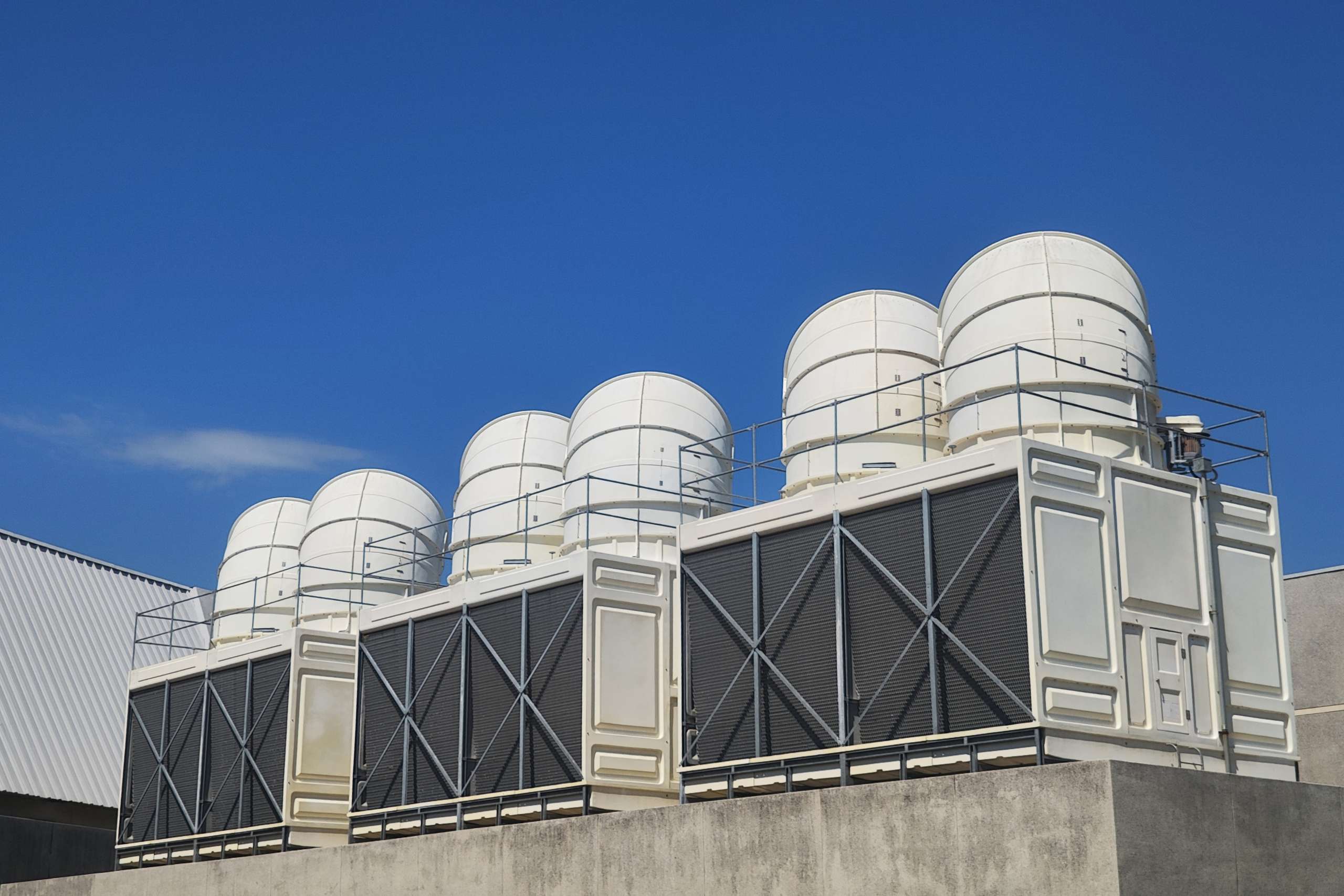
Kuala Lumpur, 15 September 2026 Juwai IQI has launched a Property Management Division that will use artificial intelligence to manage commercial properties across the 35 countries where the group operates. The division will be led by PMgr Arevind Pillai, a Property Manager registered with the Board of Valuers, Appraisers, Estate Agents and Property Managers (BOVAEP). He joins as Head of Juwai IQI Property Management with more than two decades of experience managing property and facilities portfolios for some of Asia's largest developers, asset managers and real estate consultancies. What the New Division Will Do The division covers the commercial property sector at launch, across a diverse portfolio of assets. It combines technology-driven operations, data-driven decision-making and industry best practice. The aim is higher operational efficiency, better asset performance and stronger long-term value for owners and investors. We will make the Division stand out by leveraging AI-powered tools to monitor, analyse, and optimise all critical building systems, enabling predictive maintenance, improved reliability, and enhanced operational efficiency. Kashif Ansari, Co-Founder and Group CEO, Juwai IQI From Reactive Repairs to Predictive Maintenance The division's model centres on continuous monitoring of critical building systems rather than scheduled inspection and after-the-fact repair. Four categories of infrastructure are covered at launch: air conditioning, typically the largest energy load in a commercial building, electrical systems, fire protection, and other essential building infrastructure. The difference lies in what triggers action. FactorReactive managementAI-monitored managementTrigger for actionEquipment fails or a tenant complainsData shows performance driftingMonitoringScheduled inspections, manual checksCore systems monitored around the clockTypical outcomeUnplanned downtime, emergency calloutsFaults addressed before they escalateBudget visibilityCosts appear after the eventOperating costs visible and planned ahead Two Decades in Asian Facilities Management Arevind Pillai joins from JLL, where he was Country Account Lead overseeing the HSBC Malaysia portfolio. He has also held senior positions at Knight Frank, CBRE GWS, Sime Darby Property, Kuwait Finance House, and Edgenta UEMS. He says too many teams in the industry fail to use their data, and that it remains common for managers to wait until something breaks before they act. We will watch the core systems around the clock and catch small faults long before they turn into a crisis. Our clients will also get real transparency and more control over their operating budgets. PMgr Arevind Pillai, Head of Property Management, Juwai IQI Extending the Relationship Beyond the Sale Juwai IQI already works with property owners, developers and asset managers on marketing and sales. The new division extends that relationship into the operating life of the asset. Commercial property is an intensely competitive industry. The most successful operators will be the ones with lower running costs, less downtime, and happier tenants. Daniel Ho, Co-Founder and Group Managing Director, Juwai IQI Running costs feed straight into asset performance. Lower costs and less downtime support net operating income, which underpins valuations as Malaysian property prices continue to rise. Occupiers feel the same efficiencies through their service charges and management fees. Juwai IQI provides expert insights into the property, economic and investment trends shaping markets locally and globally. Click below to get more expert property insights from our blog! MORE INSIGHTS
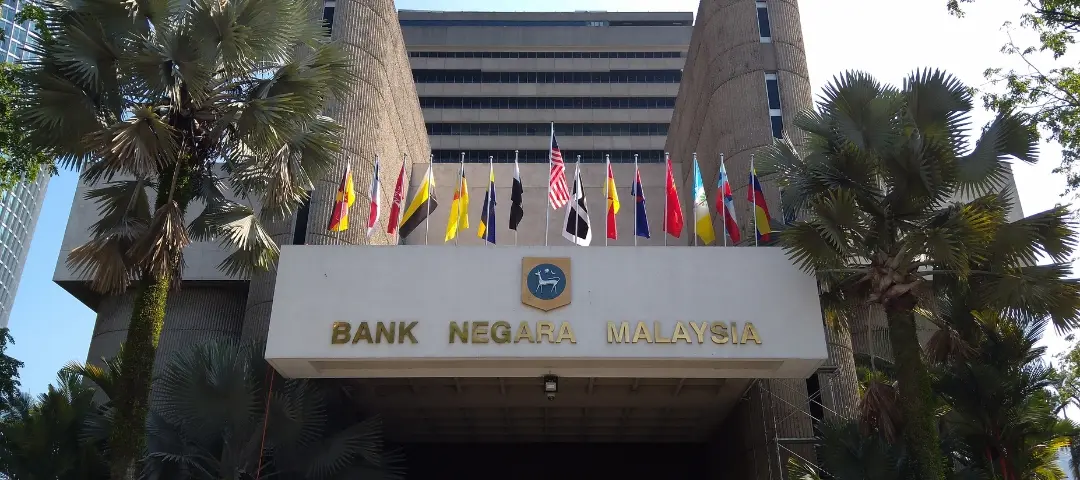
Version: CN, MY As of 3 September 2026, Bank Negara Malaysia (BNM) has maintained the Overnight Policy Rate (OPR) at 2.75%. The OPR has remained unchanged at this level since 9 July 2025, when BNM reduced the rate by 25 basis points from 3.00% to 2.75%. This means the OPR has now stayed at 2.75% for around 14 months. At its September meeting, BNM said the current monetary policy stance remains consistent with the goals of continued price stability and sustainable economic growth. Malaysia's economy also remains relatively resilient. GDP expanded by 5.7% in the first half of 2026, with BNM expecting full-year growth to reach around 5%. At the same time, inflation remains contained. During the first seven months of 2026: Headline inflation averaged 1.8% Core inflation averaged 2.0% These conditions give BNM room to keep the OPR unchanged while continuing to monitor inflation, domestic demand, and external risks. The next and final Monetary Policy Committee (MPC) meeting for 2026 is scheduled for 5 November 2026. What You Should Know About OPR in 20261. What is the Overnight Policy Rate (OPR)?2. What Does OPR Mean to Home Buyers and Businesses?3. How Does OPR Affect Your Housing Loan?4. Will the OPR Stay at 2.75%?5. Is This a Good Time To Buy a Home?Frequently Asked Questions (FAQs) 1. What is the Overnight Policy Rate (OPR)? Before we dive deeper, let's first understand what the OPR actually means. The Overnight Policy Rate (OPR) is an interest rate set by Bank Negara Malaysia (BNM) that influences the rates at which financial institutions lend funds to one another overnight. Banks experience varying levels of deposits, withdrawals, and lending activities every day, so their available cash reserves can fluctuate. A bank facing a cash shortage may borrow from another bank with excess funds to meet its short-term liquidity needs. The OPR provides a benchmark for these transactions and also plays an important role in influencing borrowing costs across Malaysia's financial system. a. Why Is the OPR System in Place? The OPR is one of BNM's main tools for managing the economy. By adjusting or maintaining the OPR, BNM can influence borrowing costs, spending, investment and inflation. For example, a lower OPR can make borrowing more affordable and encourage spending and investment. A higher OPR can help reduce excessive demand and inflation by making financing more expensive. However, strong economic growth does not automatically mean BNM needs to increase the OPR. What matters is whether stronger demand begins to create problems such as persistent inflation, excessive household borrowing, rapidly rising asset prices, or financial instability. For now, Malaysia's inflation remains relatively contained despite GDP growth of 5.7% in the first half of 2026. This is one reason BNM has been able to maintain the OPR at 2.75%. 2. What Does OPR Mean to Home Buyers and Businesses? For homebuyers and businesses, the September OPR decision mainly means financing conditions remain relatively stable. There is no new rate cut, but there is also no increase in borrowing costs caused by an OPR hike. a. When the OPR increases: Borrowing costs generally become higher. Floating-rate housing loan repayments may increase. Businesses may face higher financing costs. Loan affordability can become tighter for some borrowers. b. When the OPR decreases: Borrowing costs generally become lower. Monthly repayments on affected floating-rate loans may decline. Financing becomes more affordable. Lower borrowing costs can support household spending, property purchases and business investment. c. When the OPR remains unchanged, like the current 2.75%: Borrowers generally face more stable financing conditions. Existing floating-rate borrowers are less likely to see an OPR-driven change in repayments. Homebuyers have greater certainty when planning their monthly commitments. The current environment is also supported by Malaysia's resilient economy, stable labour market and ongoing investment activity. However, BNM continues to monitor risks such as higher global commodity prices, geopolitical tensions, and inflationary pressures. 3. How Does OPR Affect Your Housing Loan? For homeowners and property buyers, changes in the OPR can eventually affect the cost of servicing a floating-rate housing loan. a. Your monthly installment may change When borrowing rates rise, homeowners with floating-rate loans may need to pay higher monthly installments. When borrowing rates decrease, the opposite may happen, reducing monthly repayment commitments. With the OPR currently maintained at 2.75%, borrowers are not facing a fresh OPR-driven increase following the September 2026 meeting. b. Your repayment period may be affected Depending on the bank and the terms of your housing loan, a change in interest rates may affect either your monthly repayment amount, effective repayment period, or both. This is particularly relevant for floating-rate housing loans, where borrowing costs can move when benchmark rates change. To illustrate how a 0.25 percentage-point difference in loan interest rates can affect monthly repayments: Loan AmountAt 3.00% p.a.At 2.75% p.a.Estimated Monthly SavingsRM500,000RM1,924RM1,855RM69RM600,000RM2,309RM2,226RM83RM700,000RM2,694RM2,597RM97 The illustration assumes a 35-year loan term and is provided for comparison purposes only. The OPR is not the same as your actual housing loan interest rate. Actual rates, repayments and loan terms vary between banks and borrowers. For context, Malaysia's lowest-ever OPR was 1.75%, introduced in July 2020 during the COVID-19 pandemic. It remained at that level until May 2022. 4. Will the OPR Stay at 2.75%? For now, there appears to be limited pressure for BNM to change the OPR immediately. Malaysia recorded stronger economic growth of 5.7% in the first half of 2026, while headline and core inflation remained relatively contained at 1.8% and 2.0%, respectively, during the first seven months. Several economists and research houses therefore expect BNM to keep the OPR at 2.75% for the remainder of 2026, including at the final MPC meeting in November. Some economists believe the current rate could even remain in place into 2027 if inflation stays manageable and domestic demand grows at a sustainable pace. However, this is not guaranteed. Pressure for an OPR increase could become stronger if: inflation rises persistently; wage and household spending pressures accelerate; household borrowing increases rapidly; property prices rise excessively; or the ringgit comes under sustained pressure. On the other hand, a major slowdown in global trade or economic growth could change the outlook in the opposite direction. BNM has made it clear that future decisions will continue to depend on the balance between economic growth and inflation. 5. Is This a Good Time To Buy a Home? The current 2.75% OPR provides a relatively stable financing environment for homebuyers, but that does not automatically mean everyone should rush to purchase a property. Unlike July 2025, buyers are not receiving a fresh rate cut today. The advantage now is greater certainty because the OPR has remained unchanged for around 14 months. Malaysia's economy is also growing at a healthy pace, while inflation remains contained. This gives homebuyers a more stable environment when planning long-term financial commitments. For buyers purchasing a property for their own stay or as a long-term investment, the current environment can be favorable if your income is stable and the monthly repayment remains comfortably within your budget. However, the OPR should never be the only reason to buy. You should also consider your: monthly income and existing commitments; emergency savings; property location and future demand; down payment and upfront costs; and ability to continue servicing the loan if interest rates eventually increase. Overall, an OPR of 2.75% provides Malaysian homebuyers with greater financing stability, but the best time to buy is still when the property fits both your needs and your long-term financial capacity. Frequently Asked Questions (FAQs) a. What is Malaysia’s latest OPR in 2026? As of 3 September 2026, Bank Negara Malaysia has maintained the Overnight Policy Rate (OPR) at 2.75%. The rate has remained unchanged since 9 July 2025, when it was reduced from 3.00%. b. When is the next OPR announcement in Malaysia? The next and final Bank Negara Malaysia Monetary Policy Committee meeting for 2026 is scheduled for 5 November 2026. BNM will decide whether to maintain, increase, or reduce the OPR based on inflation, economic growth, and other financial conditions. c. Why did Bank Negara maintain the OPR at 2.75%? BNM considers the current rate appropriate for supporting sustainable economic growth while maintaining price stability. Malaysia’s GDP grew 5.7% in the first half of 2026, while headline and core inflation remained relatively contained at 1.8% and 2.0%, respectively, during the first seven months. d. Will the OPR stay at 2.75% for the rest of 2026? Several economists and research houses expect the OPR to remain at 2.75% for the remainder of 2026, including at the November MPC meeting. However, this is not guaranteed, as BNM will continue monitoring inflation, domestic demand, global economic conditions, and financial risks. e. How does the OPR affect housing loan repayments? The OPR can influence banks’ lending rates, particularly for floating-rate housing loans. If borrowing rates rise, monthly repayments may increase, while lower rates can reduce repayments. Since the OPR is currently unchanged, borrowers are generally not facing a new OPR-driven increase in monthly installments. f. Does an unchanged OPR mean all home loan interest rates will stay the same? Not necessarily. The OPR is an important benchmark, but each bank determines its own lending rates based on funding costs, borrower risk, loan packages, and other factors. Fixed-rate loans are also generally unaffected by short-term OPR movements, while floating-rate loans are more sensitive to changes in benchmark rates. g. Is a 2.75% OPR good for property buyers in Malaysia? A 2.75% OPR provides a relatively stable financing environment, helping buyers plan their monthly commitments with greater certainty. However, buyers should still consider their income, existing debts, down payment, emergency savings, property location, and ability to handle higher repayments if interest rates increase in the future. It's high time we started investing, so if you're interested in connecting with property industry experts, drop us your details and we will connect you as soon as possible! [custom_blog_form] Continue reading: Penang 2030: Why Malaysia’s Silicon Valley of the East Is Becoming a Strategic Investment Hub MM2H UAE: Is Living in Malaysia Better Than Dubai in 2026? Can a Non-Bumi Buy a Bumi Lot in Malaysia? 2026 Guide
Ready to get started?
Get in touch now.