

Leader ∙ BCP
Rachen Nopsuwan

Leader ∙ BCP
Rachen Nopsuwan

About Rachen Nopsuwan
Leveraging market knowledge and negotiation skills to deliver exceptional results. Your real estate success is my priority. Ready to make your real estate dreams a reality? Let's chat. Your dream home awaits.
7 years at IQI
Contact Rachen Nopsuwan
Rachen Nopsuwan Social Links
No social links available.
My Listings
No listings available at the moment.
Our newly launched projects
Discover the real estate properties in and around Bangkok, Thailand. Buy apartment units, landed houses, bungalows, commercial office space, shop lots, and sub-sales with 100% confidence at IQI Global.
 Located in Phuket
Vana Anda Cherngthalay
Soi Pasak1 Chengtalay Thalang District, Phuket 83110, Thailand
Starting from $ 1,619,730
Listed on May 7, 2026
 Located in Phuket
The Trees Residence
176 cherngtalay 2, Tambon Choeng Thale, Thalang District, Phuket 83110, Thailand
Starting from $ 172,524
Listed on December 22, 2025
 Varied bedroom options
Sea View Condominium
Tambon Patong, Amphoe Kathu, Chang Wat Phuket 83150, Thailand
Starting from $ 431,071
Listed on September 10, 2025
 Spacious 3-bedroom option
Zensiri Jomtien Residences
Jomtien, Pattaya City, Bang Lamung, Chonburi Province 20150 Thailand
Starting from $ 189,592
Listed on May 20, 2025
 Located in Pattaya
Zensiri Estate Jomtien
Jomtien, Pattaya City, Bang Lamung, Chonburi Province 20150 Thailand
Starting from $ 856,572
Listed on May 20, 2025
 Compact 1-2 bedrooms
Seaspire Jomtien
Jomtien, Nongprue, Pattaya City, Bang Lamung, Chonburi Province 20150 Thailand
Starting from $ 179,841
Listed on May 20, 2025
Mortgage Calculator
Calculate your estimated month repayment and plan your monthly expenses well.
The mortgage calculator is intended for reference only. Actual amount may vary.
Monthly Payment
Send me the mortgage calculator result

Home Loan Eligibility Calculator
Calculate your potential loan amount and assess your home buying affordability.

Rental Yield
Calculate the potential rental yield and evaluate a property's investment performance.

Down Payment Saving Plan
Create a structured savings plan and determine how much to save monthly for your down payment plan.

Malaysian Property Transaction Fees Calculator
Estimate the total transaction fees and budget accurately for your Malaysian property purchase.
IQI blog & news
Articles specifically curated for your daily digest of local and global real estate news.

Housing Weakness Spreads Across Capital Cities Australia’s housing slowdown intensified through winter, with home values declining across 93% of capital-city suburbs, more than double the 45.8% recorded during autumn. Darwin was the only capital city to avoid a decline over the three-month period. Cotality’s national Home Value Index fell 0.9% in August, marking the fifth consecutive monthly decline. National home values are now 3.6% below the March market peak. Sydney remained the weakest capital-city market, falling 1.4% in August and sitting 7.1% below its February peak. Melbourne and Canberra each declined 1.1%, while Brisbane fell 1.0%. Adelaide and Perth both recorded a 0.8% decrease, highlighting the increasingly broad nature of the downturn. Slower Sales Strengthen Buyer Conditions High borrowing costs, tighter lending conditions and affordability pressures continue to weigh on demand. Quarterly home sales were 15.5% lower than a year earlier and 11.5% below the five-year average, with Brisbane, Perth and Sydney recording annual declines of more than 20%. At the same time, capital-city listings were 24% higher than a year ago. Longer selling periods, greater vendor discounts and softer auction-clearance rates are creating more buyer-favourable conditions, although weak confidence continues to limit transaction activity. Outlook Australia’s housing market is likely to remain selective and buyer-driven in the near term. Elevated stock levels and softer demand may continue to pressure values, while buyers with strong financing positions could benefit from greater choice and improved negotiating power. For investors and homeowners, markets such as Perth may still present opportunities for those taking a long-term view. The contents of this article were contributed by Lily Chong, Head of IQI Australia. Download to see insights from other country marketsDownload
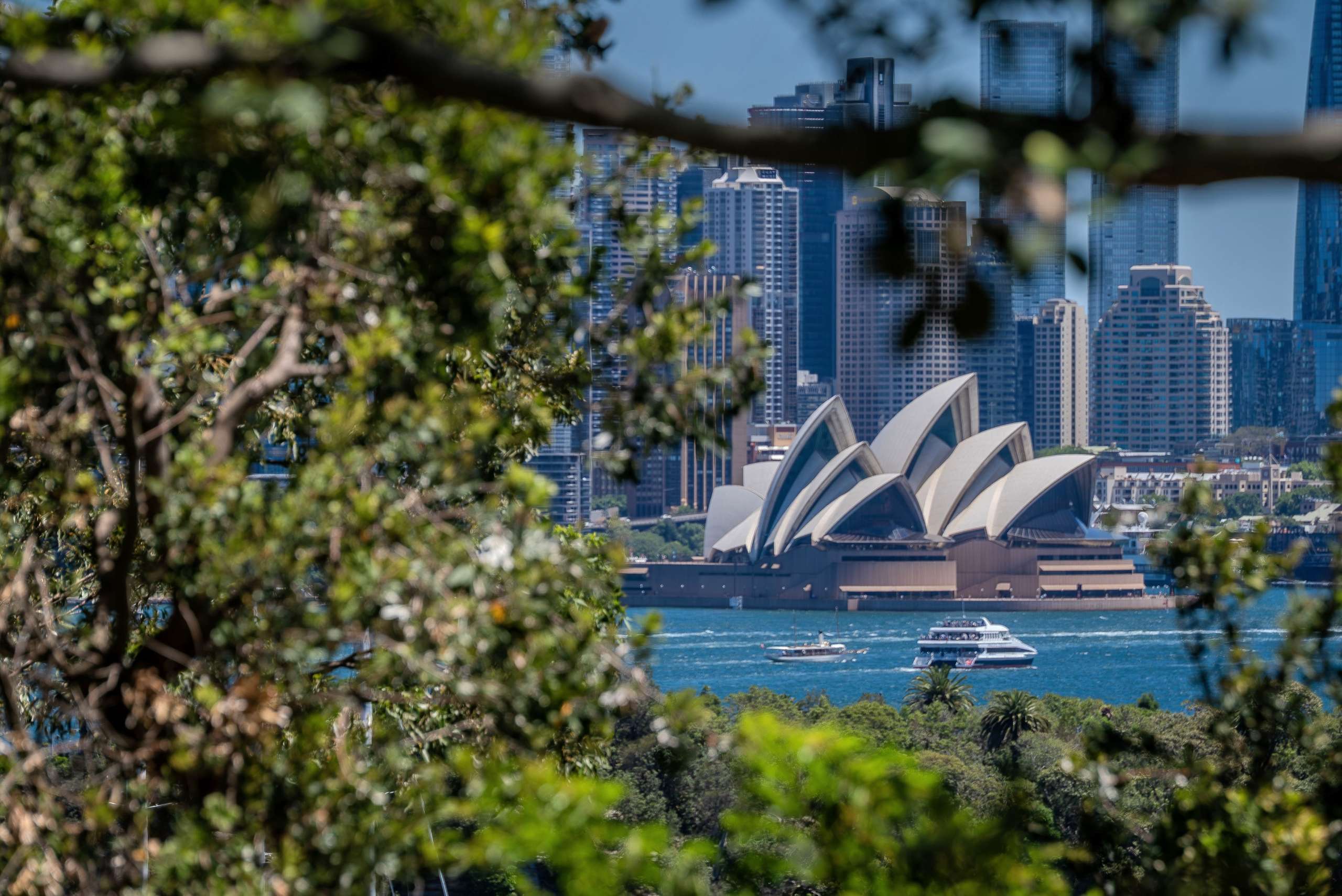
Australia’s Housing Downturn Spreads Australia’s housing market lost further momentum in July, with Cotality’s national Home Value Index falling 0.7%, its largest monthly decline in more than three years. Sydney and Melbourne remained the weakest major markets, with home values falling 1.4% and 1.2% respectively during the month. However, the slowdown is becoming more widespread. Brisbane declined 0.6%, while Adelaide fell 0.2%, with both cities recording two consecutive months of falling values following historical revisions. Perth showed a small 0.1% monthly increase, although its June result was revised to a 0.5% decline, signalling how quickly conditions have shifted from the city’s earlier growth phase. Premium Homes Feel More Pressure The correction has been particularly noticeable at the higher end of the market. Values in the upper quartile fell 3.2% over the three months to July, compared with a 0.3% gain among lower-value properties. Several factors are weighing on demand, including affordability constraints, three cash-rate increases and weak consumer confidence. At the same time, advertised housing supply has increased. Capital-city auction clearance rates have remained below 50%, suggesting buyers and sellers are still struggling to agree on pricing. Outlook Australia’s housing market is likely to remain price-sensitive and uneven across cities and property segments in the near term. With higher-value homes experiencing the greatest pressure, buyers may gain greater negotiating power in selected markets. For homeowners and investors, conditions will require closer attention to local demand, pricing and affordability rather than relying on broader national trends. The contents of this article were contributed by Lily Chong, Head of IQI Australia. Download to see insights from other country marketsDownload
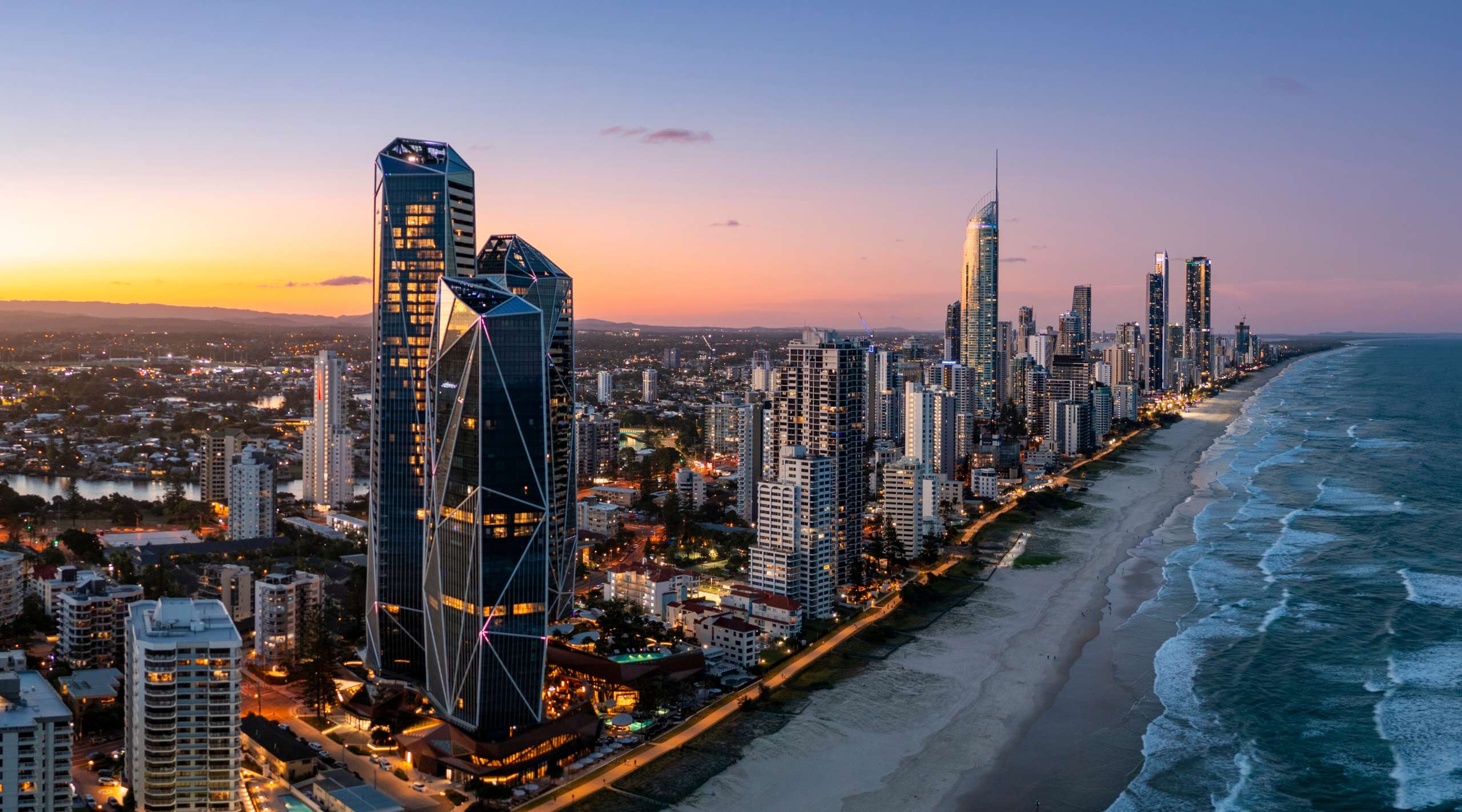
Australia’s Housing Market Enters a Cooling Phase Australia’s housing market shifted in June 2026, with the national Home Value Index falling 0.4% month-on-month. This was the largest monthly decline recorded since December 2022. Sydney experienced the sharpest correction, with dwelling values falling 1.2%, followed by Melbourne at 1.0% and Canberra at 0.6%. Adelaide remained unchanged, while Brisbane and Perth continued to grow by 0.3% and 0.7%respectively. Over the June quarter, national dwelling values declined 0.7%, while combined capital city values fell 1.3%. The slowdown was mainly driven by weaker buyer demand and growing affordability pressures. Market Conditions Become More Buyer-Friendly Higher interest rates, cost-of-living pressures, cautious buyer sentiment and recent property tax changes have contributed to softer market conditions. Auction clearance rates across the combined capital cities have remained below 50% since late May. Capital city sales volumes were also estimated to be 16.2% lower year-on-year. Meanwhile, advertised listings increased by almost 11% compared with the previous year. This has given buyers more options, reduced urgency and placed greater pressure on sellers to set realistic asking prices. Despite the national slowdown, market performance remains uneven. Perth recorded the strongest annual growth among the major capital cities at 23.9%, while Brisbane increased 17.4%, highlighting continued demand in selected markets. Outlook Australia’s housing market is likely to remain more balanced and selective in the coming months. Buyers may benefit from wider choice and improved negotiating power, while sellers will need to align pricing expectations with changing demand. Markets with stronger population growth, affordability and supply fundamentals, particularly Perth, may remain more resilient than Sydney and Melbourne. Download to see insights from other country marketsDownload

Australia Housing Market Slows in May 2026 Australia’s housing market showed clearer signs of slowing in May, with Cotality’s national Home Value Index remaining flat. The data suggests that momentum is easing across most regions as buyers face affordability pressure, tighter borrowing capacity and broader demand-side challenges. The slowdown was most visible in Sydney and Melbourne, where dwelling values fell by 0.9% and 0.8% respectively over the month. Both cities are now below their recent market peaks recorded in November last year. The ACT also softened slightly, with values down 0.2%. However, the market remains highly uneven. Perth and Darwin recorded the strongest monthly gains at 1.5%, followed by Brisbane and Hobart at 0.9%, and Adelaide at 0.5%. Cotality Research Director Tim Lawless noted that Australia’s housing market is moving at different speeds. Over the past five years, Perth home values surged 91.4%, while Melbourne rose only 3.3%, highlighting the gap between stronger and weaker city markets. Sales activity is also cooling. National home sales over the past three months were estimated to be 2.2% lower year-on-year and 4.1% below the five-year average. Sydney and Melbourne recorded the sharpest annual falls in sales, down 17.0% and 14.2% respectively. Outlook Looking ahead, Australia’s property market is expected to remain selective rather than broadly weak. Cities with stronger population growth, tighter supply and better affordability may continue to outperform. For buyers, rising listings and softer auction clearance rates could create more room to negotiate. For sellers, realistic pricing will be increasingly important as market conditions become more balanced. Juwai IQI Newsletter July 2026 RDownload
Ready to get started?
Get in touch now.