

Negotiator ∙ Ace
Irene
REN38825
Negotiator ∙ Ace
Irene
REN38825
About Irene
Leveraging market knowledge and negotiation skills to deliver exceptional results. Your real estate success is my priority. Ready to make your real estate dreams a reality? Let's chat. Your dream home awaits.
4 years at IQI
198 transactions
2 properties on sale
1 properties on rent
Contact Irene
Irene Social Links
No social links available.
Irene's Service Locations
Irene's Service Locations
My Listings

Oasis Condominium Ipoh
Persiaran Tebing Kinta 3, Taman Merindi Ipoh, Perak
AED 1,999 /month
Listed on March 20, 2022

Below value Taman Pengkalan Barat Pasir Puteh Ipoh
Pengkalan Barat 6, Taman Pasir Puteh, 31650 Ipoh Perak
AED 198,053
Listed on October 10, 2022

Bandar Saujana Putra
Below bank value Semi D @ Bandar Saujana Putra near cyberjaya
AED 534,198
Listed on January 24, 2024
Mortgage Calculator
Calculate your estimated month repayment and plan your monthly expenses well.
The mortgage calculator is intended for reference only. Actual amount may vary.
Monthly Payment
Send me the mortgage calculator result

Home Loan Eligibility Calculator
Calculate your potential loan amount and assess your home buying affordability.

Rental Yield
Calculate the potential rental yield and evaluate a property's investment performance.

Down Payment Saving Plan
Create a structured savings plan and determine how much to save monthly for your down payment plan.

Malaysian Property Transaction Fees Calculator
Estimate the total transaction fees and budget accurately for your Malaysian property purchase.
IQI blog & news
Articles specifically curated for your daily digest of local and global real estate news.

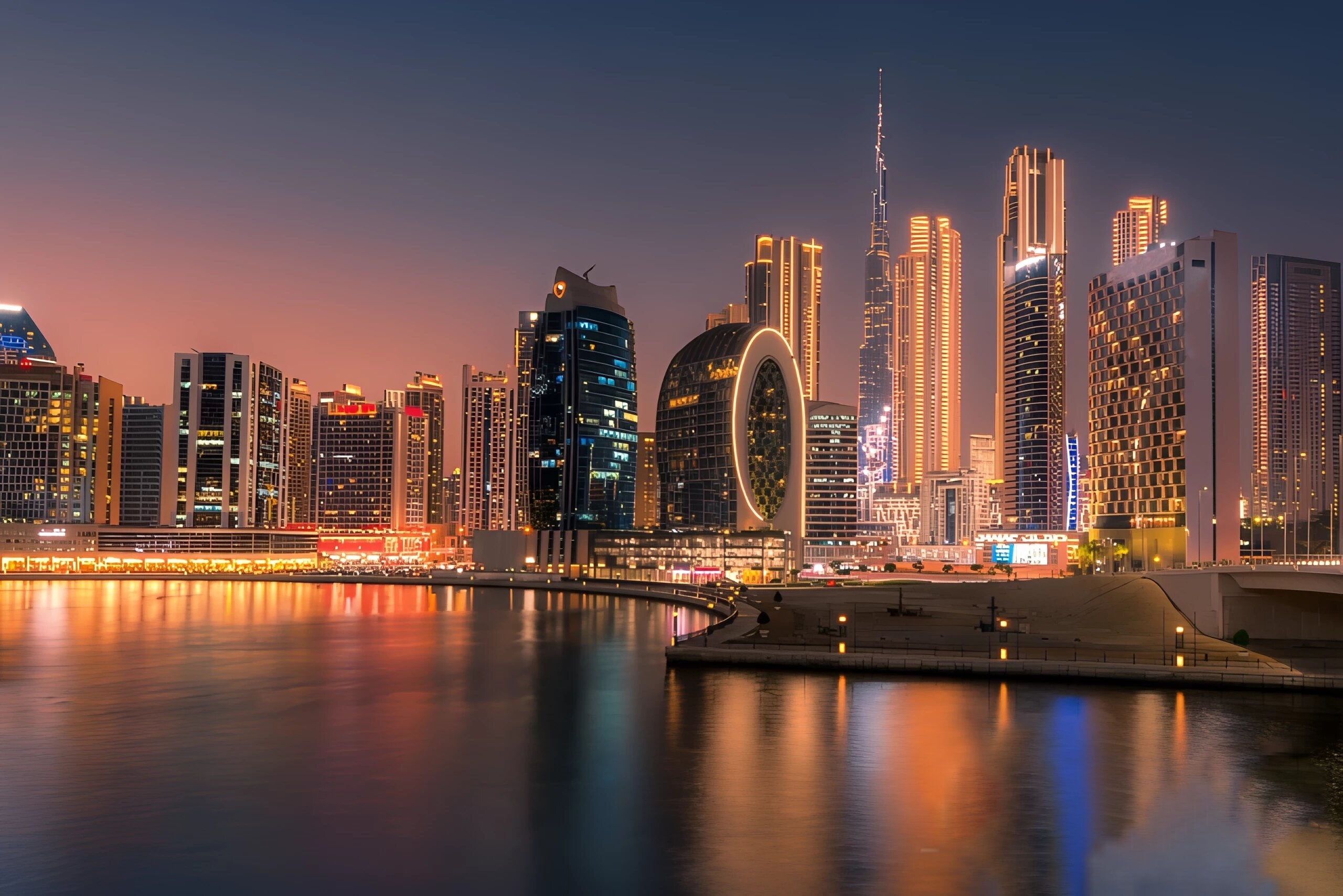
Dubai Office Market Remains Strong Dubai’s commercial real estate market continues to show strong momentum, particularly in high-quality office assets. Rental-contract registrations rose 24.6% year-on-year in Q2 2026, while Dubai recorded 38,082 office leasing transactions, up 4% from the previous quarter. Office occupancy also remained high at around 94%. Demand is being driven by financial services, technology companies, regional headquarters and other businesses seeking modern, efficient and well-connected Grade-A office space. Investor activity remains equally strong. Off-plan office sales reached AED 13.1 billion across 1,668 transactions in H1 2026, with Business Bay accounting for approximately 52% of total sales value. Prime Assets Continue to Outperform Dubai office rents increased 13% year-on-year in Q2, while prime office rents rose by 16%. Pricing has also strengthened in key locations. Average Downtown Dubai office values reached AED 5,130 per sq ft at the end of 2025, representing a 29% annual increase. Broader investor confidence remains robust. Dubai recorded AED 252 billion in total real estate transactions in Q1 2026, while foreign real estate investment climbed 26% year-on-year to AED 148.35 billion. However, the opportunity is becoming increasingly asset-specific. Around 24.2 million sq ft of new office supply is scheduled for delivery between 2026 and 2030, which could gradually moderate rental and price growth. Outlook Dubai’s commercial property outlook remains positive, but investors may need to become more selective as new supply enters the market. The strongest opportunities are likely to remain in prime locations with metro connectivity, strong tenants, efficient layouts, professional building management and visible rental income. Rather than relying on broad market momentum, the focus is increasingly shifting towards durable income and the scarcity of quality Grade-A offices. The contents of this article were contributed by Haroon Anwar, Head of Global Wealth Management. Download to see insights from other country marketsDownload
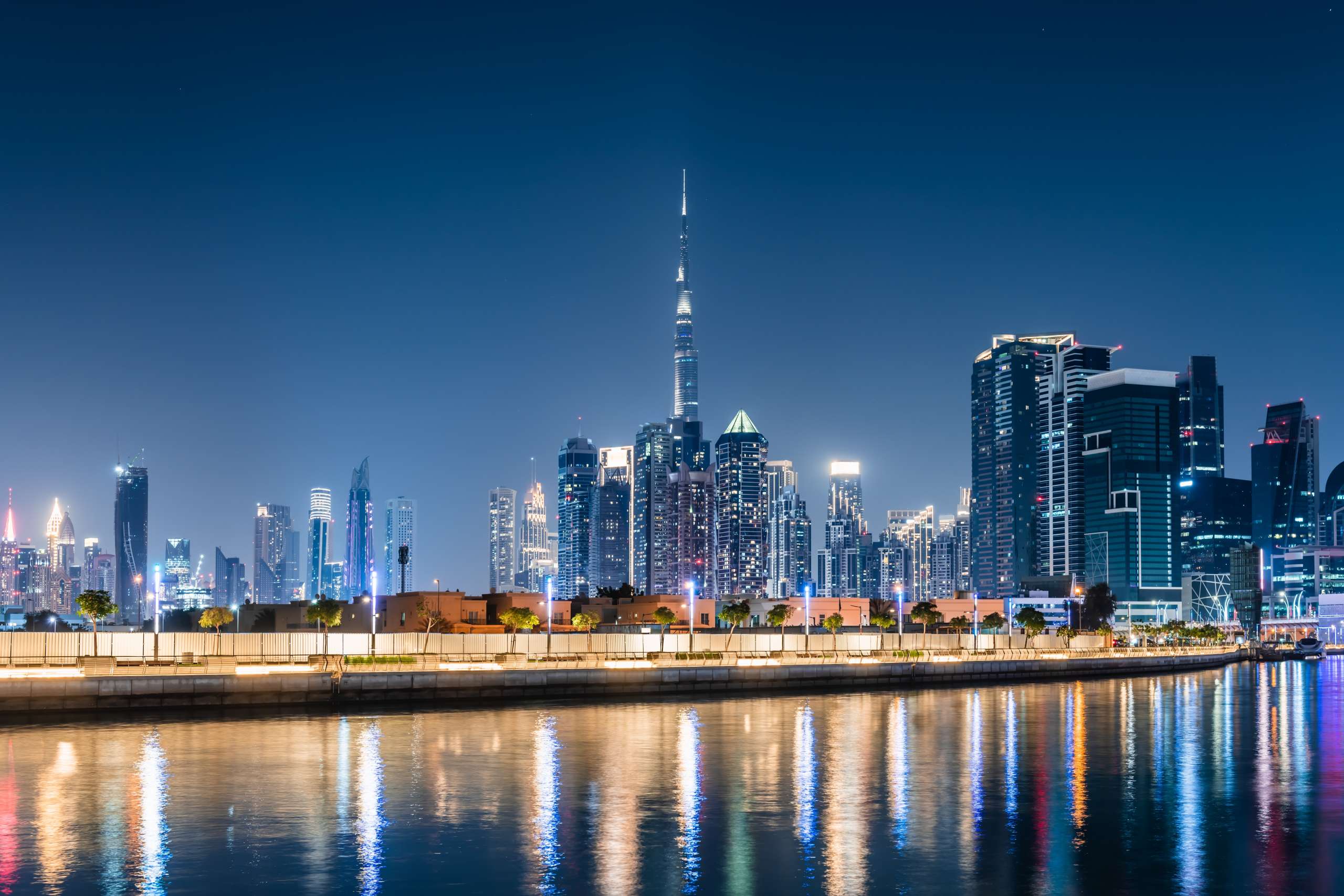
Dubai’s Appeal Extends Beyond Residency Dubai’s role as a global wealth hub is not limited to people who live there. Non-resident entrepreneurs, expatriate families and international investors can use the city to coordinate banking, investments, real estate exposure, succession planning and family governance across several jurisdictions. Its appeal comes from a combination of global connectivity, tax efficiency, institutional depth and access to an established network of banks, asset managers, trustees, insurers and professional advisers. Dubai is already home to 81,200 resident millionaires, while its millionaire population increased by 102% between 2014 and 2024. The UAE was also projected to record a net inflow of 9,800 millionaires in 2025, reflecting its growing importance in global wealth migration. A Structured Platform for Cross-Border Wealth Managing international wealth involves more than investment returns. Families must also consider custody, tax reporting, source-of-wealth documentation, succession planning, liquidity, currency exposure and regulatory accountability. Licensed Dubai-based providers can help organise and supervise these responsibilities through a more structured platform. They can also support the protection and transfer of assets while working alongside legal and tax advisers in the investor’s home jurisdiction. The Dubai International Financial Centre, or DIFC, strengthens this ecosystem with more than 500 wealth and asset management entities, 1,289 family-related entities and 1,115 DIFC-based foundations. Regulatory protection is another important factor. Firms authorised by the Dubai Financial Services Authority are required to safeguard client assets, giving international families greater confidence when managing wealth through Dubai. Outlook Dubai is likely to remain attractive to investors seeking a neutral and internationally connected base for wealth management. As cross-border portfolios become more complex, demand should continue growing for regulated platforms that combine investment access, family governance and long-term succession planning. Download to see insights from other country marketsDownload
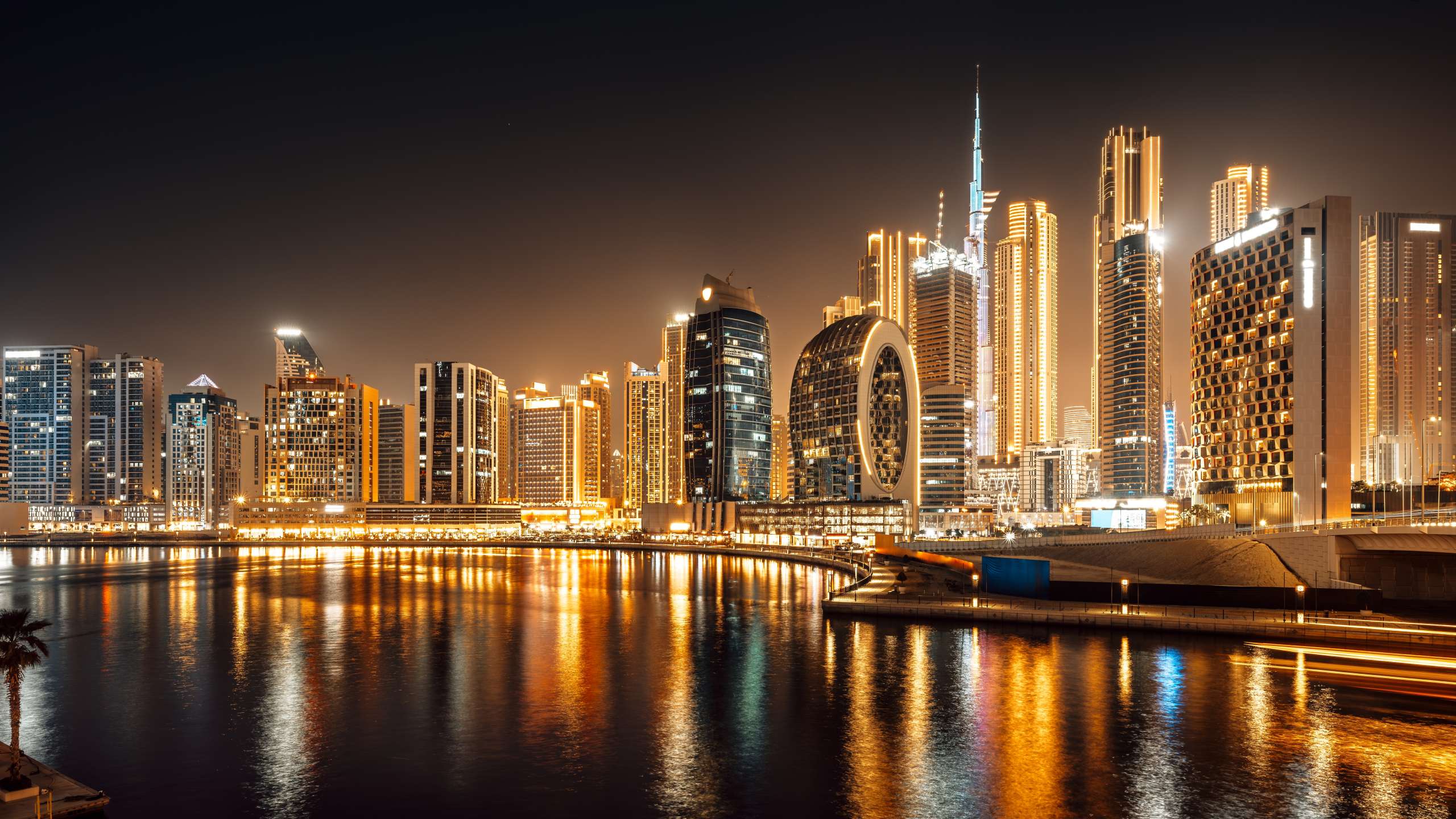
Dubai’s DIFC Foundations Gain Relevance for Global Wealth Planning As international families build wealth across multiple countries, asset protection and succession planning are becoming more complex. Many families now hold real estate, investment portfolios, private company shares and business interests across several jurisdictions. Without a proper structure, transferring these assets between generations can become costly, fragmented and difficult to manage. This is where DIFC Foundations are becoming increasingly relevant. A DIFC Foundation is a separate legal entityestablished within the Dubai International Financial Centre. Unlike a traditional trust, the Foundation can own assets directly in its own name, offering families clearer governance, better transparency and a structure that is easier to administer. For globally mobile families, this structure can help consolidate ownership of international real estate portfolios, private company shares, investment assets, intellectual property and other family assets under one vehicle. Why Families Use DIFC Foundations The main appeal lies in succession planning, asset protection and long-term family governance. By using a DIFC Foundation, families can reduce probate and inheritance complications while creating a clearer framework for preserving wealth across generations. For Muslim families, DIFC Foundations can also support Sharia-sensitive succession and governance objectives. The Foundation Charter and By-Laws can be tailored to reflect the family’s values, wishes and inheritance philosophy, while still benefiting from DIFC’s internationally recognised legal framework. Typical setup costs may range from USD 8,000 to USD 20,000, with annual administration and maintenance costs often ranging between USD 3,000 and USD 10,000. These structures are generally most suitable for families with investable assets of at least USD 1 million, with stronger value for portfolios above USD 3 million to USD 5 million. Outlook In 2026, wealth preservation is no longer only about investment returns. For global families, the priority is structure, continuity and control. DIFC Foundations are likely to remain an important planning tool for families seeking long-term certainty across multiple markets and generations. Download to see insights from other country marketsDownload
15 Jun, 2026
Dubai Property Investment 2026: Why UAE Investors Are Going Global for Wealth Protection
As global uncertainty, inflation concerns, and geopolitical risks continue shaping investment decisions, cross-border real estate is becoming a core wealth-building strategy for UAE residents. Rather than focusing solely on domestic markets, investors are increasingly using international property portfolios to diversify risk, preserve wealth, and secure long-term financial stability. This trend is placing Dubai at the centre of global real estate investment activity. Dubai Leads the Cross-Border Investment Trend Dubai continues to strengthen its position as one of the world's most active international property markets. Real estate transaction values approached AED 500 billion in 2025, supported by sustained double-digit annual growth and increasing participation from overseas buyers. Indian investors remain the largest foreign buyer group, followed by investors from the UK, China, Saudi Arabia, and Russia. More importantly, many of these purchases are being made as long-term wealth and residency strategies rather than short-term speculation. Real Estate as a Wealth Preservation Tool For many UAE-based professionals, entrepreneurs, and high-net-worth individuals, cross-border property ownership offers more than investment returns. It provides protection against currency concentration, reduces dependence on a single market, and supports long-term family wealth planning. Real estate's combination of rental income, inflation protection, and tangible asset ownership continues to make it a preferred asset class during periods of uncertainty. Recent data also highlights growing institutional confidence in the sector. According to Knight Frank's Global Wealth Report, 44% of family offices worldwide plan to increase their real estate exposure, reinforcing the view that property remains a key component of long-term wealth strategies. Outlook As global investors become more focused on diversification and resilience, Dubai is expected to remain a major gateway for international property investment. While market conditions continue evolving, demand for cross-border real estate is likely to stay strong as investors prioritise wealth preservation, geographic diversification, and stable long-term returns. For UAE residents, building a globally diversified property portfolio may become an increasingly important part of future wealth planning. Download to see insights from other country marketsDownload
Ready to get started?
Get in touch now.